
Alaska, the Last Frontier, a land of breathtaking landscapes and unparalleled adventures, often sparks curiosity among travelers planning their itineraries. Among the many practical questions that arise when preparing for a trip to this vast and unique state is one that touches upon the rhythm of its days: Does Alaska have Daylight Saving Time? This seemingly simple query can have implications for everything from planning your sightseeing excursions to understanding local schedules and even the availability of certain accommodations.
For many visitors, the concept of Daylight Saving Time (DST) is a familiar one, a yearly shift in the clock that alters sunrise and sunset times, ostensibly to make better use of natural daylight. However, the application of DST is not universal. The vastness of the United States, with its diverse geography and climate, leads to variations in these practices. Alaska, with its dramatic seasonal changes and unique position in the northern latitudes, is a prime example of where these variations are most keenly felt.
This article will delve into the specifics of Daylight Saving Time in Alaska, clarifying its current status and exploring the historical context and future possibilities. We’ll also touch upon how this temporal shift, or lack thereof in some cases, can impact your travel experiences, from exploring the vibrant culture of Anchorage to witnessing the majestic beauty of Denali National Park and Preserve. Understanding these nuances can help you make the most of your Alaskan adventure, ensuring your plans align perfectly with the ebb and flow of its daylight hours.
The Shifting Sands of Time: Alaska’s DST Status
The question of whether Alaska observes Daylight Saving Time has a definitive answer, but it’s one that has evolved over time and is important for any visitor to understand. The state’s unique geographical location and its population centers play a significant role in how time is managed.
Current Observance of Daylight Saving Time in Alaska
As of the most recent legislative actions, Alaska does observe Daylight Saving Time. This means that for the majority of the year, clocks in Alaska are moved forward one hour in the spring and back one hour in the fall. This practice is consistent with the federal Uniform Time Act of 1966, which established DST across the United States, though it also allows states to opt out.
The DST period in Alaska generally aligns with the rest of the continental United States. It typically begins on the second Sunday in March, when clocks are advanced by one hour, and ends on the first Sunday in November, when clocks are turned back one hour. This synchronization ensures that Alaska remains largely in sync with the time observed in the contiguous United States, simplifying communication and coordination for businesses and travelers alike.
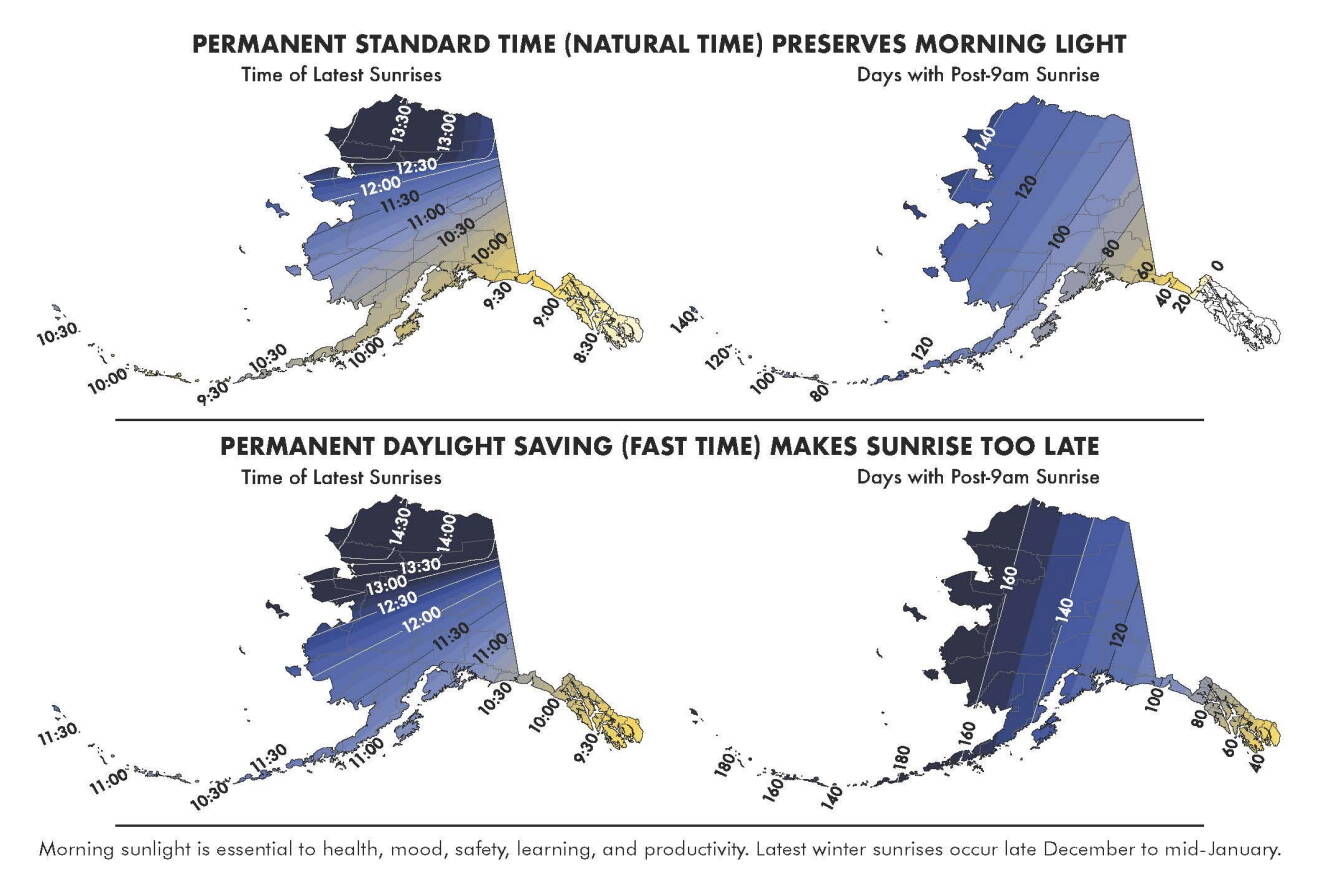
The primary motivation behind DST, even in a state known for its extreme daylight variations, is to maximize the use of natural light during waking hours. In Alaska, this has particular relevance during the spring and summer months when daylight hours are already exceptionally long. By shifting clocks forward, the evening daylight extends even further, offering more opportunity for outdoor activities and evening entertainment. Conversely, during the fall and winter, the earlier sunsets mean that daylight is conserved for the morning hours.
Historical Context and Debates
The journey to Alaska’s current DST status has not always been a straightforward one. Like many other regions in the United States, Alaska has engaged in discussions and debates surrounding the merits and drawbacks of observing Daylight Saving Time. Historically, there have been periods where DST was not observed uniformly, or where proposals to opt out gained traction.
The initial implementation of DST aimed to reduce energy consumption by decreasing the need for artificial lighting in the evenings. However, studies and public opinion have often been divided on whether these energy savings are substantial enough to offset the disruptions caused by the time shift. Critics of DST often point to potential negative impacts on sleep patterns, health, and productivity during the transition periods. In some communities, particularly those in far northern latitudes where daylight hours are already so extreme, the practical benefits of DST have been questioned.
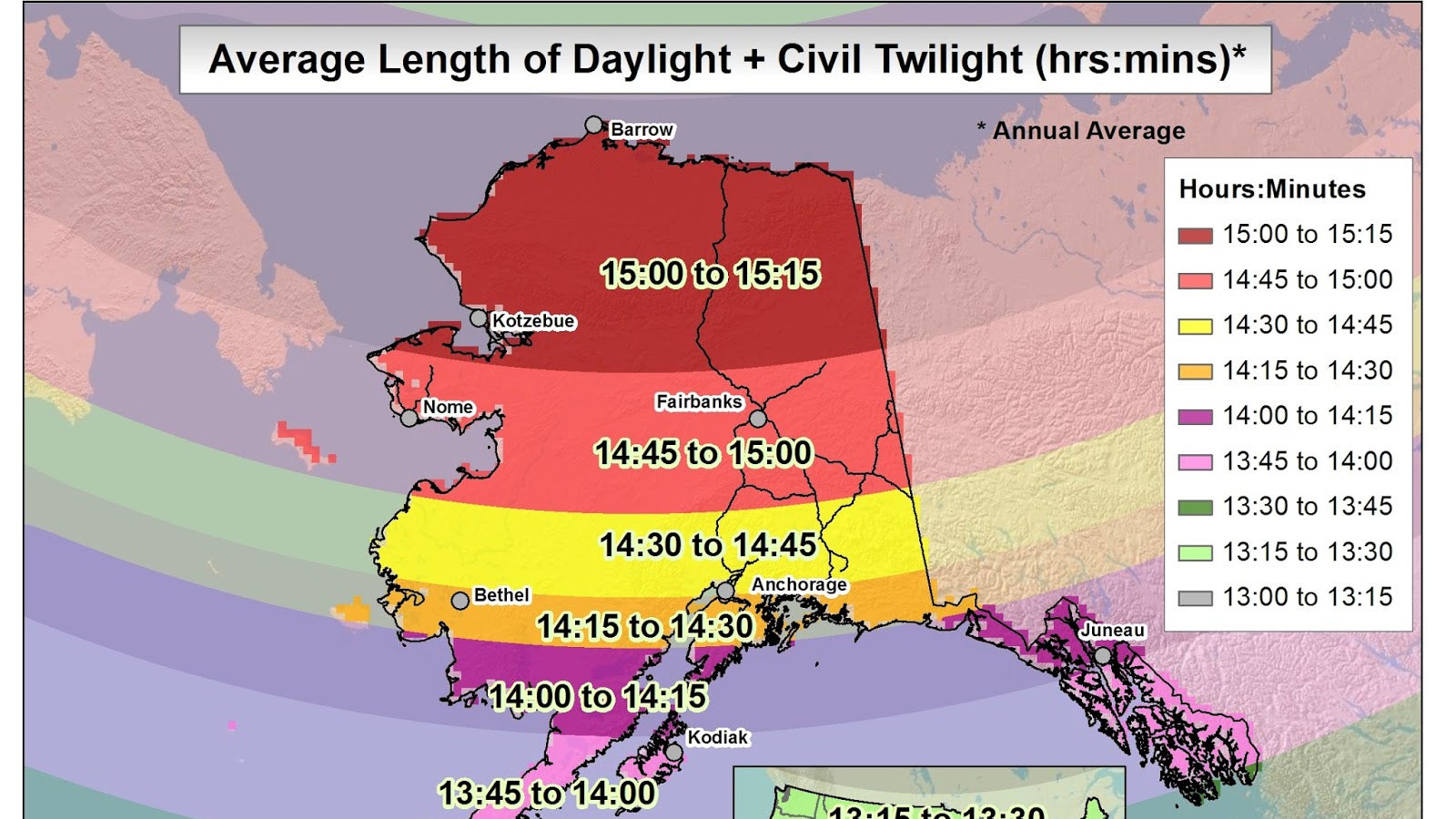
For instance, during the summer months, some areas of Alaska already experience nearly 24 hours of daylight. In such regions, advancing the clock can lead to very late sunsets, which may not always align with traditional lifestyles or even the biological clocks of residents. Similarly, in the depths of winter, when daylight is scarce, the earlier sunsets after DST ends can contribute to a feeling of prolonged darkness.
Despite these ongoing debates and historical fluctuations, the consensus within Alaska has, for the most part, favored continued observance of DST. This has likely been influenced by the desire to maintain alignment with the federal standard and to avoid the complexities of operating on a different time schedule than much of the country, especially for business and travel purposes. The practicalities of a unified time system often outweigh the localized arguments against DST.
Planning Your Alaskan Adventure with Time in Mind
Understanding whether Alaska observes Daylight Saving Time is crucial for effective travel planning. It influences when you’ll experience daylight, which can directly impact your chosen activities, accommodation bookings, and even your understanding of local events and attractions.
Optimizing Your Travel Itinerary
The observance of DST in Alaska can significantly affect how you plan your days, particularly during the shoulder seasons and the peak summer months.
-
Summer Travel (May – August): During these months, Alaska is renowned for its extended daylight hours, often referred to as the “midnight sun.” When DST is in effect, this phenomenon is amplified. You might find yourself enjoying outdoor activities like hiking in Kenai Fjords National Park or exploring the charming streets of Juneau well into what would traditionally be considered nighttime in other parts of the world. This extended daylight offers immense flexibility for sightseeing, wildlife viewing tours, and enjoying the natural beauty. For example, a sunset cruise might depart as late as 9 PM or even 10 PM and still offer ample light. When booking tours or planning your drives, always factor in the DST schedule to ensure you’re not missing out on the prime daylight hours. Consider booking accommodations that offer excellent views so you can take advantage of the extended twilight.
-
Spring and Fall Travel (April, September, October): These seasons present a more nuanced experience. Daylight hours are decreasing in the fall and increasing in the spring, and DST plays a role in how quickly you perceive the change. In early spring, as DST begins, you’ll notice a tangible increase in usable evening daylight. Conversely, as DST ends in the fall, the earlier sunsets become more pronounced, signaling a shift towards winter. If you’re planning to visit during these periods, checking the exact sunset and sunrise times for your specific dates and location is highly recommended. This will help you schedule activities like visiting the Iditarod Trail Sled Dog Race headquarters or exploring the northern lights viewing spots effectively.
-
Winter Travel (November – March): During the winter months, Alaska experiences its shortest daylight hours. DST is not in effect during this period, so clocks are on standard time. This means that sunrise can be as late as 9 AM or 10 AM in some regions, and sunset can occur as early as 3 PM or 4 PM. While this might seem limiting, it’s also the prime time for unique Alaskan experiences like dog sledding, ice fishing, and, of course, the mesmerizing aurora borealis. The darkness of winter evenings is when the skies truly come alive with celestial displays. When planning winter trips, focus on indoor attractions, cozy lodges like the Alyeska Resort, and activities specifically designed for the winter season.

Accommodation and Booking Considerations
The temporal shifts associated with DST can also influence your accommodation choices and booking strategies.
-
Aligning with Local Schedules: Knowing when DST begins and ends helps you align your arrival and departure times with hotel check-in and check-out policies. While most hotels operate on a standard time system, understanding the DST observance ensures you’re not misinterpreting early morning or late evening times. For instance, if you’re aiming to catch an early morning flight from Ted Stevens Anchorage International Airport, knowing the exact time of sunrise relative to your departure is important.
-
Activity Booking: Many tours and activities in Alaska are timed around daylight. A wildlife viewing tour, for example, might be scheduled for “early morning” or “late afternoon.” Understanding DST will help you interpret these times accurately. If a whale watching tour from Homer is advertised for a “7 PM departure,” and you’re visiting during DST, you know you’ll still have significant daylight. Conversely, if you’re visiting after DST has ended, that same 7 PM departure might be in complete darkness, which could be a different, though perhaps equally spectacular, experience.
-
Long-Term Stays: For those considering longer stays, whether for business or personal reasons, understanding DST is vital for establishing a consistent routine. It impacts when you might leave your accommodation for the day, when you’ll need artificial light, and the general rhythm of your daily life in Alaska. This is particularly relevant if you’re renting apartments or villas for extended periods.
By keeping the observance of Daylight Saving Time in Alaska at the forefront of your planning, you can ensure a smoother, more enjoyable, and truly immersive experience in this remarkable corner of the world. From the bustling streets of Fairbanks to the serene wilderness of Ketchikan।, the ebb and flow of Alaskan daylight, influenced by DST, is an integral part of its captivating allure.
LifeOutOfTheBox is a participant in the Amazon Services LLC Associates Program, an affiliate advertising program designed to provide a means for sites to earn advertising fees by advertising and linking to Amazon.com. Amazon, the Amazon logo, AmazonSupply, and the AmazonSupply logo are trademarks of Amazon.com, Inc. or its affiliates. As an Amazon Associate we earn affiliate commissions from qualifying purchases.