
Alaska, a land of unparalleled wildness and untamed beauty, is synonymous with its majestic wildlife. Among its most iconic residents is the moose, a creature of immense size and gentle demeanor that roams freely across vast landscapes. For many visitors and armchair travelers alike, a burning question arises: just how many moose call the Last Frontier home? This isn’t just a casual query; it speaks to a deeper fascination with the state’s ecological richness and the sheer scale of its wilderness. Understanding the moose population in Alaska is more than just a numbers game; it’s a window into the health of its ecosystems, the challenges of wildlife management, and the sheer, awe-inspiring presence of these magnificent animals.
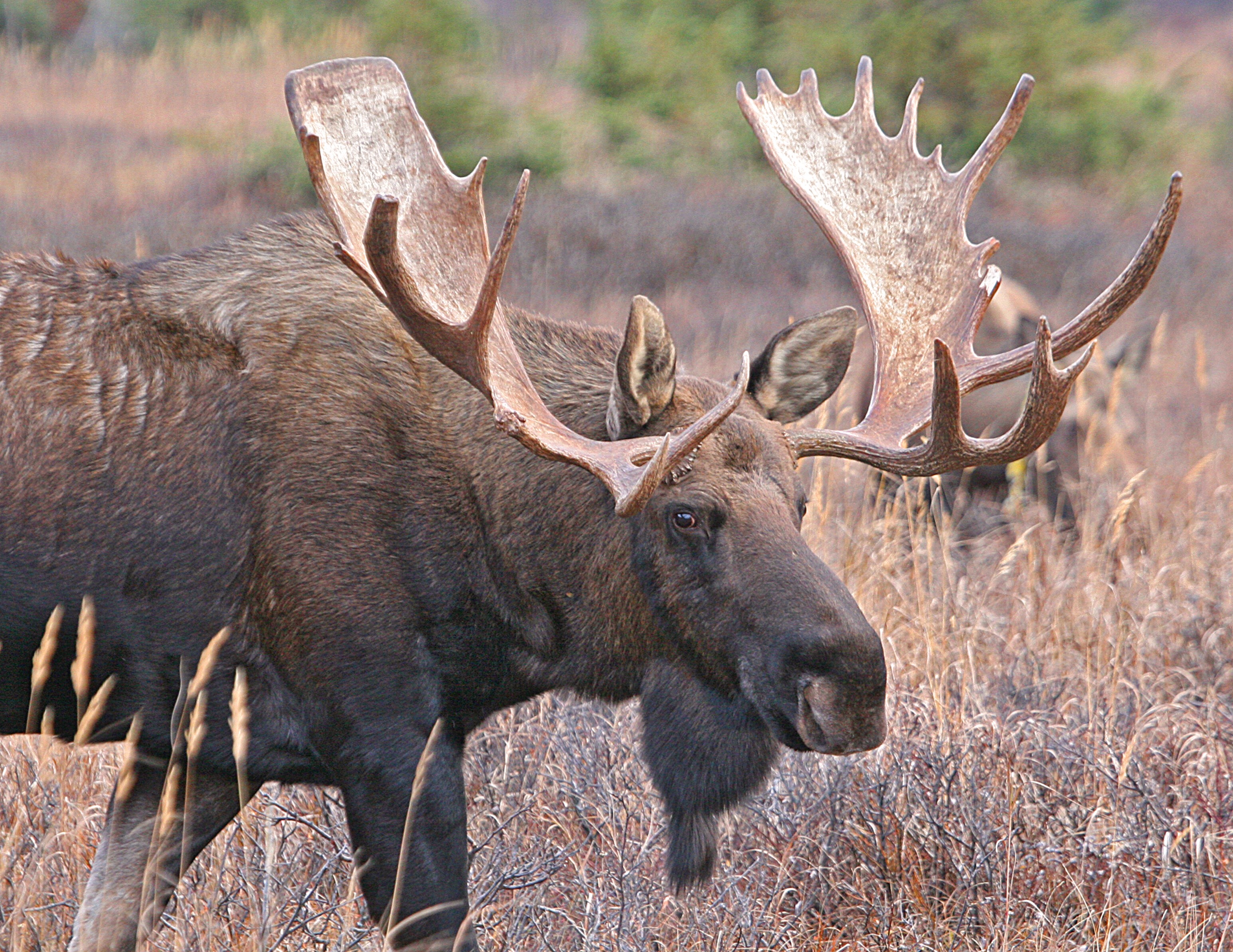
The Elusive Count: Estimating Alaska’s Moose Population
Estimating wildlife populations, especially for a species as widespread and often solitary as the moose, is a monumental task. It requires a combination of scientific rigor, advanced technology, and a deep understanding of animal behavior and habitat. The Alaska Department of Fish and Game (ADF&G) is the primary authority responsible for this endeavor, employing various methodologies to arrive at the most accurate figures possible. These estimates are not static; they fluctuate based on a multitude of factors, making it a dynamic and ongoing process.
Methods of Estimation: From the Ground Up and From the Sky
Aerial Surveys: A Bird’s-Eye View
One of the most effective methods for counting moose is through aerial surveys. Specially trained wildlife biologists and pilots meticulously fly predetermined transects across vast swathes of moose habitat. These surveys are often conducted during the winter months when the stark contrast of dark moose against a snowy backdrop makes them more visible from the air. Specialized aircraft, such as fixed-wing planes and helicopters, are used, equipped with experienced observers who meticulously record sightings. These observers not only count the moose but also often classify them by age and sex, providing invaluable data on population demographics. Factors like snow depth, weather conditions, and the type of terrain significantly influence the success and accuracy of these surveys. For example, dense forests can obscure sightings, while open tundra or river valleys offer better visibility. The ADF&G typically focuses these surveys on areas with higher moose densities, such as the Kenai Peninsula, the Yukon Flats, and the Copper River Basin.
Ground-Based Surveys and Mark-Recapture: Complementary Approaches
While aerial surveys provide a broad overview, ground-based methods offer a more localized and detailed understanding. Biologists may conduct ground surveys in specific areas, often using snowmobiles or ATVs to navigate the terrain. These surveys can provide more detailed information about individual animals, their health, and the presence of calves.
A more complex, yet highly informative, technique is the mark-recapture method. This involves capturing a sample of moose, fitting them with collars or ear tags, and then releasing them. Subsequent surveys, both aerial and ground-based, aim to recapture or resight these marked individuals. By comparing the proportion of marked to unmarked animals in subsequent samples, scientists can statistically estimate the total population size. This method, while labor-intensive and costly, can provide robust population estimates for specific study areas and is crucial for understanding population dynamics, survival rates, and migration patterns. Denali National Park and Preserve often utilizes these techniques to monitor its moose population within the park’s boundaries.
The Numbers Game: What the Estimates Reveal
So, what do these extensive efforts reveal about Alaska’s moose population? While precise, up-to-the-minute numbers are elusive, the general consensus places the Alaskan moose population in the hundreds of thousands. The ADF&G’s estimates typically range from 170,000 to 200,000 individuals. However, it’s crucial to understand that this is a generalized figure, and population densities vary dramatically across the state. Some regions might harbor a significant concentration of moose, while others have far fewer.
These figures are not static and are influenced by a complex interplay of environmental and biological factors. They are revised periodically as new data emerges from ongoing research and monitoring efforts. The ADF&G’s biennial wildlife surveys, for instance, provide crucial updates to these estimates.
Factors Influencing Moose Populations: A Dynamic Equation
The number of moose in Alaska is not a fixed constant. It’s a dynamic population influenced by a wide array of factors, each playing a significant role in the rise and fall of their numbers. Understanding these influences is key to appreciating the challenges and successes of wildlife management in such a vast and wild state.
Habitat Availability and Quality: The Foundation of Survival
Moose are herbivores, and their survival is inextricably linked to the availability and quality of their habitat. They thrive in areas with a mix of mature forests and open, shrubby areas, often referred to as “moose meadows.” These mixed landscapes provide essential food sources like willow, birch, and alder, as well as cover for protection from predators and harsh weather.
Human development, while often concentrated in specific areas like Anchorage, Fairbanks, and Juneau, can fragment or reduce available moose habitat. However, sometimes human activities, such as logging or fires, can inadvertently create new, favorable habitats by clearing older forests and promoting the growth of young, nutritious browse. The ADF&G actively monitors habitat changes and their impact on moose populations, particularly in areas undergoing significant development or resource extraction.
Predation: The Natural Balance of the Wild

Predation is a natural and critical component of the Alaskan ecosystem, and moose are prey for several formidable predators. The most significant predators of moose calves are wolves and bears (both black bears and brown bears). Adult moose, with their immense size and strength, have fewer natural predators, though they can still fall victim to large packs of wolves, especially during harsh winters when they are weakened.
The relationship between moose and their predators is a delicate balancing act. Fluctuations in predator populations can have a direct impact on moose numbers, and vice versa. Wildlife managers closely monitor these predator-prey dynamics to ensure the health and sustainability of both populations. For example, in areas where moose populations have declined significantly, managers might consider strategies to manage predator populations, though this is a controversial and complex issue.
Climate and Weather: The Unpredictable Influences
Climate and weather patterns play a profound role in shaping moose populations. Harsh winters, characterized by deep snow and prolonged cold, can significantly impact moose survival, particularly for young calves and older, weaker animals. Deep snow makes it difficult for them to travel and access food. Conversely, mild winters can lead to higher survival rates.
Summers also present challenges. Extreme heat waves can stress moose, and drought conditions can reduce the availability and nutritional quality of their food sources. Changes in precipitation patterns can also affect the growth of the vegetation moose rely on. As Alaska experiences the effects of climate change, understanding these impacts on moose and other wildlife is an ongoing area of research.
Disease and Parasites: The Hidden Threats
Like all wildlife populations, moose are susceptible to various diseases and parasites that can impact their health and survival. While generally robust, specific outbreaks or chronic parasitic loads can weaken individuals and contribute to population declines. The ADF&G monitors for signs of disease in the wild and conducts research to understand the prevalence and impact of various pathogens.
Experiencing Alaska’s Moose: From Wildlife Viewing to Responsible Tourism
For many travelers drawn to the allure of Alaska, encountering a moose in its natural habitat is a bucket-list experience. The sheer size and majesty of these animals are truly awe-inspiring. Fortunately, there are numerous ways to seek out these magnificent creatures while prioritizing responsible tourism and ensuring their well-being.
Prime Moose-Spotting Locations: Where to Look for These Gentle Giants
Several regions in Alaska are renowned for their healthy moose populations, offering excellent opportunities for viewing. The Kenai Peninsula, a popular tourist destination with a varied landscape, is a prime location. Areas around Homer, Soldotna, and Kenai often host moose, particularly in willow-lined drainages and along the coast.
Denali National Park and Preserve is another excellent spot. While park roads are managed for visitor access, the vastness of the park provides ample habitat for moose. Guided tours within the park offer opportunities to spot wildlife, including moose, bears, and caribou. The Richardson Highway, which connects Fairbanks to Valdez, passes through diverse habitats that are frequented by moose. Pull-offs and scenic viewpoints along this route can be great places to keep an eye out.
In Interior Alaska, the Yukon Flats National Wildlife Refuge is a critical habitat for moose, though access can be more challenging. Likewise, the Copper River Basin, east of Anchorage, is known for its abundant moose population, particularly in the expansive river valleys and wetlands. Even around smaller towns and rural communities, it’s not uncommon to see moose grazing in fields or along the roadside.
Wildlife Viewing Tours and Guides: Enhancing Your Chances
To maximize your chances of a successful and safe moose encounter, consider booking a wildlife viewing tour. Many tour operators in popular destinations like the Kenai Peninsula and Denali specialize in taking visitors to areas where moose are frequently sighted. These guides possess invaluable local knowledge, understand moose behavior, and can often spot animals that might otherwise go unnoticed.
Boat tours on rivers like the Copper River can also offer unique perspectives for wildlife viewing, as moose often frequent riverbanks to feed on aquatic vegetation. For those seeking a more immersive experience, guided hikes in suitable habitats can be arranged, though it’s crucial to always go with experienced guides who prioritize safety and minimize disturbance to the wildlife.
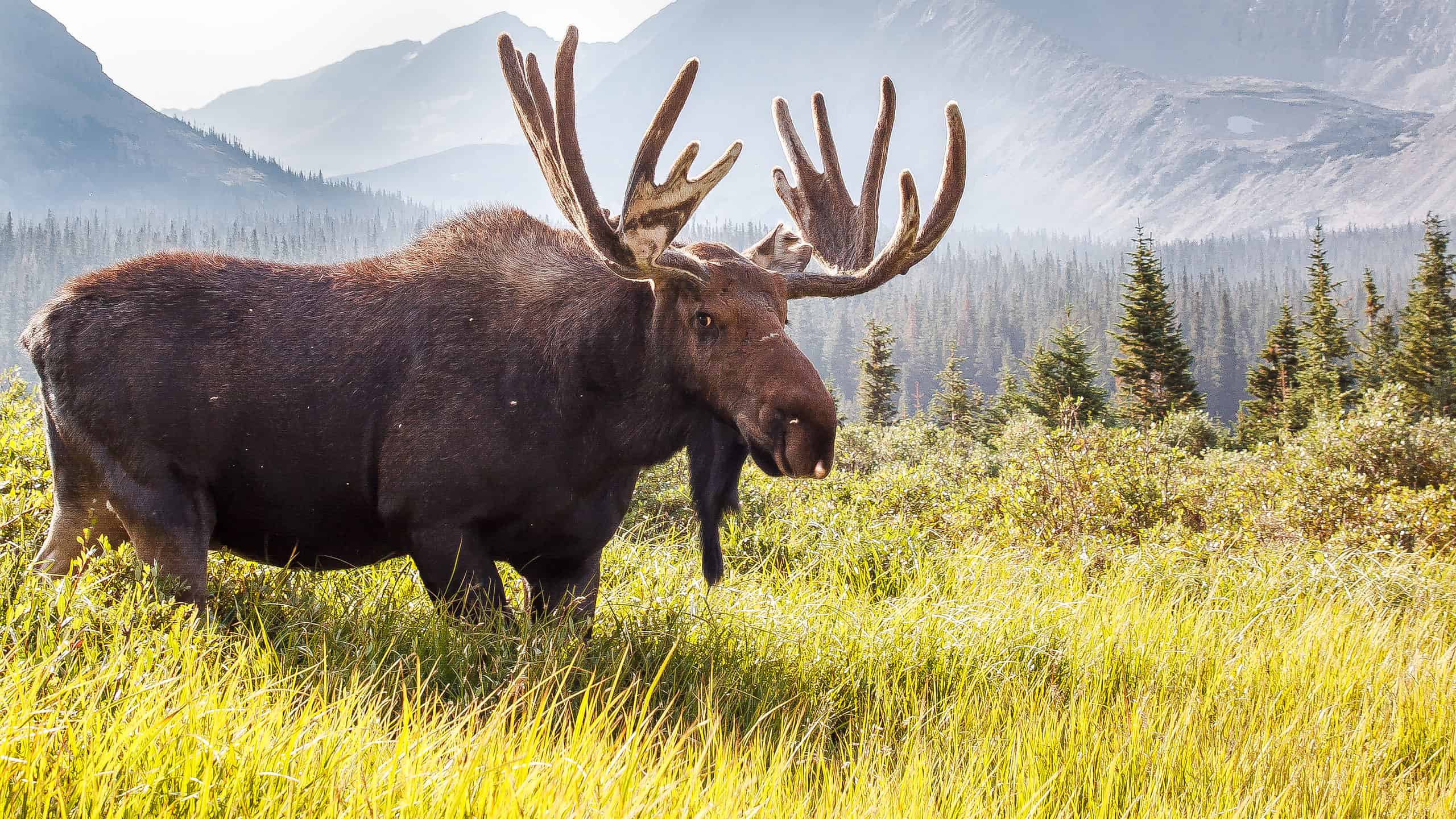
Responsible Moose Encounters: Respecting Their Space
When encountering a moose, whether on your own or with a guide, it is paramount to prioritize responsible wildlife viewing. Moose are wild animals and can be unpredictable, especially if they feel threatened or are protecting their young.
- Maintain a Safe Distance: Never approach a moose, regardless of how docile it may appear. A general rule of thumb is to keep at least 100 feet (30 meters) away. If a moose changes its behavior in response to your presence (e.g., ears flicking, head held high, or walking towards you), you are too close.
- Never Feed Moose: Feeding wildlife can habituate them to humans, leading to dangerous encounters and poor health outcomes for the animals.
- Be Aware of Your Surroundings: Always be mindful of your escape route, especially when in close proximity to moose.
- Keep Dogs Leashed: Dogs can provoke moose and put themselves and their owners at risk.
- Respect Their Habitat: Stay on designated trails when hiking and avoid disturbing vegetation, as this is their food source.
By adhering to these guidelines, visitors can ensure their own safety and contribute to the long-term conservation of Alaska’s magnificent moose population, allowing future generations to marvel at these iconic creatures. The thrill of seeing an Alaskan moose is a profound experience, a testament to the wild heart of this incredible state.
LifeOutOfTheBox is a participant in the Amazon Services LLC Associates Program, an affiliate advertising program designed to provide a means for sites to earn advertising fees by advertising and linking to Amazon.com. Amazon, the Amazon logo, AmazonSupply, and the AmazonSupply logo are trademarks of Amazon.com, Inc. or its affiliates. As an Amazon Associate we earn affiliate commissions from qualifying purchases.