
The vastness of the United States is a constant source of wonder, with its diverse landscapes and sprawling states. When we consider the sheer scale of some of its territories, comparisons become not just interesting, but almost mind-boggling. The Lone Star State, Texas, is famously large, a place where “everything’s bigger.” Yet, when juxtaposed with the enormous expanse of Alaska, even Texas might seem to shrink in comparison. This isn’t just a catchy title; it’s an invitation to explore the incredible geographical realities of these two iconic American states.
The Colossal Canvas: Understanding Alaska’s Scale
Alaska is not just a state; it’s a continent unto itself, a sprawling wilderness of unparalleled grandeur. Its sheer size is difficult to comprehend from a map alone. It’s a land of towering mountains, immense glaciers, vast forests, and an coastline that stretches for thousands of miles. To truly grasp its immensity, we must put it into perspective, and there’s no better way to do that than by comparing it to another famously large state: Texas.
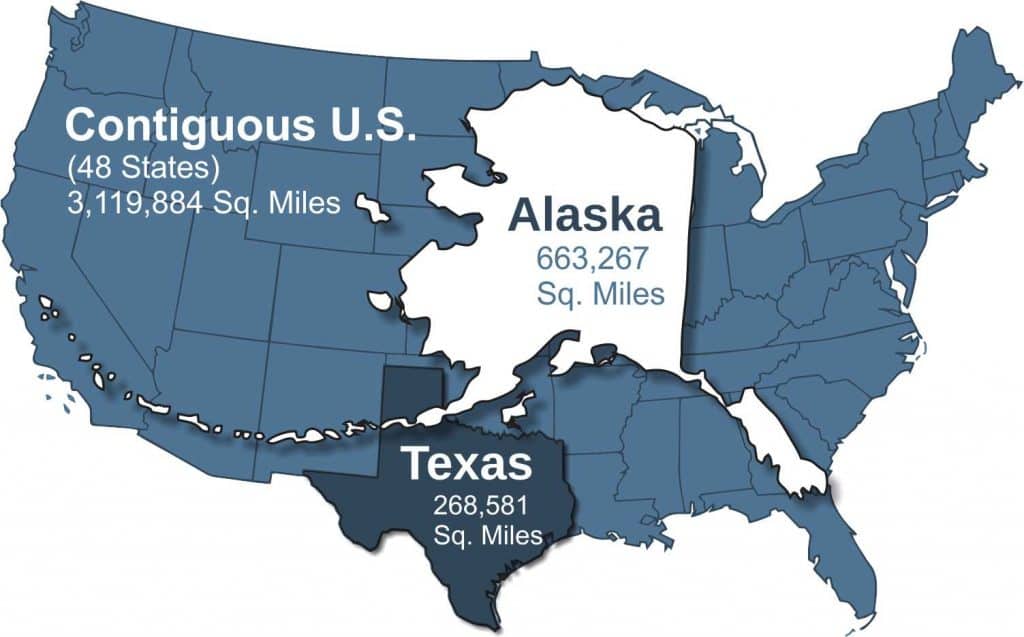
Alaska: A Giant Among States
Before we delve into the Texas comparison, let’s appreciate Alaska on its own terms. It is the largest state in the United States by far, covering an area of approximately 665,384 square miles. This alone makes it a significant geographical entity. Its population, however, is remarkably small, with just over 733,000 residents. This sparse population density means that vast swathes of Alaska remain untouched, a wild frontier where nature reigns supreme.
From the iconic peaks of the Alaska Range, including the majestic Denali, to the glacial wonderland of Kenai Fjords National Park, Alaska offers a breathtaking array of natural attractions. Visitors can witness the awe-inspiring dance of the Aurora Borealis, explore the rugged beauty of the Brooks Range, or embark on unforgettable wildlife viewing expeditions in places like Denali National Park and Preserve. The state’s natural resources are as vast as its landscapes, from oil fields to rich fishing grounds.
The remote nature of Alaska also contributes to its unique appeal for travelers seeking adventure and an escape from the ordinary. Whether you’re planning a luxurious cruise through the Inside Passage, a rugged backpacking trip through its wilderness, or a scenic drive along the Parks Highway, Alaska promises an experience unlike any other. The accommodations range from cozy cabins to grand resorts, catering to various travel styles, from budget-conscious explorers to those seeking a more pampered experience.
Texas: The Mighty South
Now, let’s turn our attention to Texas. The Lone Star State is the second-largest state in the United States by both area and population. It covers an impressive 268,596 square miles, a size that has earned it a reputation for being expansive and diverse. Texas boasts a rich history, a vibrant culture, and a booming economy, making it a significant player on the national stage.
Texas is a state of varied landscapes, from the piney woods of East Texas to the arid deserts of West Texas, the rolling hills of the Texas Hill Country, and the Gulf Coast. Its major cities, such as Houston, Dallas, San Antonio, and Austin, are thriving metropolises, each with its own distinct character and attractions. You can explore historic missions in San Antonio, experience the vibrant music scene in Austin, or delve into the arts and culture of Dallas.
The state’s tourism industry is robust, attracting millions of visitors each year. From the Alamo in San Antonio to the Space Center Houston, there’s no shortage of landmarks and attractions. Texas is also renowned for its culinary scene, with barbecue and Tex-Mex being particular highlights. Accommodations in Texas are plentiful, offering everything from charming bed and breakfasts to sprawling resorts and business-focused hotels, reflecting the state’s diverse appeal for leisure and corporate travelers.
The Grand Comparison: How Many Texases Fit?
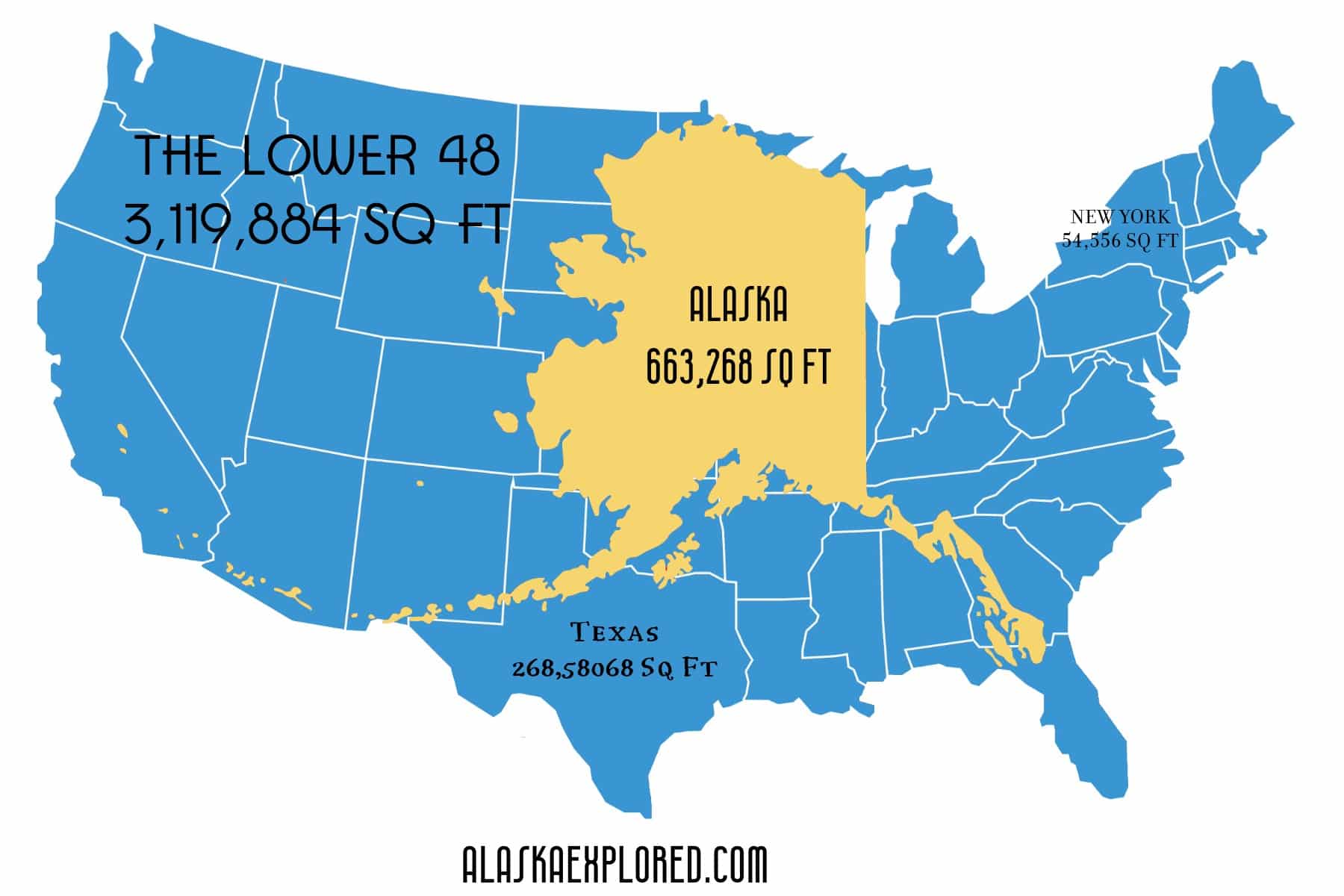
With Alaska covering 665,384 square miles and Texas spanning 268,596 square miles, the mathematical answer to our title question becomes clear.
To determine how many Texases can fit into Alaska, we simply divide the area of Alaska by the area of Texas:
665,384 square miles (Alaska) / 268,596 square miles (Texas) ≈ 2.48
This calculation reveals that you could theoretically fit approximately 2.48 Texases within the borders of Alaska.

Beyond the Numbers: Visualizing the Scale
While the number 2.48 provides a precise answer, it doesn’t quite capture the visceral impact of this geographical reality. Imagine taking the entire state of Texas, with its bustling cities, vast ranches, and diverse terrain, and placing it down in Alaska. You would still have a significant portion of Alaska remaining, an area larger than many other U.S. states combined.
Consider the implications for travel. Driving across Texas can be a significant undertaking, often requiring days of travel to cover its breadth. Now, imagine attempting to traverse even a portion of Alaska that is larger than Texas. The distances are immense, the infrastructure sparse in many areas, and the wilderness unforgiving. This vastness is precisely what draws adventurers and those seeking a profound connection with nature.
For those planning a trip, understanding this scale is crucial. A vacation to Alaska is not like a quick weekend getaway to another state. It requires planning, preparation, and an appreciation for the distances involved. Whether you’re flying into Anchorage or Fairbanks, or taking a ferry to a remote coastal town, the journey itself is often an adventure.
Thematic Connections: Travel, Tourism, and Lifestyle
The comparison between Texas and Alaska directly informs our understanding of travel and tourism. Alaska offers a unique set of experiences rooted in its raw, untamed nature. It’s a destination for those who crave outdoor adventures, wildlife encounters, and a sense of remote exploration. Think of the incredible opportunities for hiking, fishing, kayaking, and wildlife photography. The local culture is deeply intertwined with the environment, with indigenous traditions and a strong sense of community shaped by the challenging yet rewarding Alaskan lifestyle.
In contrast, Texas offers a more diverse range of experiences, blending urban excitement with rural charm. Its tourism sector caters to a broader spectrum of interests, from historical sites and cultural festivals to world-class dining and entertainment. The Texas lifestyle, while also rooted in its own regional identity, often presents a more accessible and varied vacation proposition.
When considering accommodation, the scale difference also plays a role. In Alaska, lodging options might be more spread out, with remote lodges and wilderness cabins being popular choices for those venturing off the beaten path. In Texas, you’ll find a denser concentration of hotels, resorts, and vacation rentals, particularly in its major urban centers.
Planning Your Alaskan Adventure
The sheer immensity of Alaska means that planning a trip requires careful consideration. Deciding where to go and what to see can be overwhelming, given the vastness and the limited time most travelers have.
Choosing Your Alaskan Destination
If you’re planning a trip to Alaska, you’ll likely need to focus on specific regions rather than trying to see it all.
- Southcentral Alaska: This region, home to Anchorage, Denali National Park and Preserve, and the Kenai Peninsula, is the most accessible and popular for first-time visitors. Here, you can experience the grandeur of Denali, explore the stunning fjords of the Kenai, and enjoy the amenities of Alaska‘s largest city.
- Interior Alaska: Fairbanks is the gateway to this region, known for its opportunities to see the Aurora Borealis and its access to the Arctic. This is where you can truly feel the vastness of the state.
- Southeast Alaska: This panhandle region, often visited by cruise ships, is characterized by its temperate rainforests, glaciers, and charming towns like Juneau, Skagway, and Ketchikan. The Inside Passage is a breathtaking waterway dotted with islands and rich in marine life.
Embracing the Alaskan Lifestyle
The Alaskan lifestyle is one of resilience, resourcefulness, and a deep respect for nature. Visitors who embrace this ethos will find their experiences enriched. This means being prepared for varying weather conditions, respecting wildlife, and understanding the importance of conservation. Whether you’re staying in a luxury resort or a rustic cabin, the backdrop will always be one of awe-inspiring natural beauty.
For those looking for a different kind of escape, the concept of luxury travel in Alaska often involves exclusive lodges, private guided tours, and unparalleled access to the wilderness. Conversely, budget travel in Alaska is possible, though it requires more planning and a willingness to embrace more rustic accommodations and public transportation options.
Ultimately, the question “How Many Texas Can Fit In Alaska?” is more than a geographical puzzle; it’s an invitation to contemplate the truly epic scale of our planet and the unique experiences offered by its most magnificent landscapes. Alaska is a reminder that some places are so vast, they defy easy comparison, offering a profound sense of adventure and wonder to all who venture there.
LifeOutOfTheBox is a participant in the Amazon Services LLC Associates Program, an affiliate advertising program designed to provide a means for sites to earn advertising fees by advertising and linking to Amazon.com. Amazon, the Amazon logo, AmazonSupply, and the AmazonSupply logo are trademarks of Amazon.com, Inc. or its affiliates. As an Amazon Associate we earn affiliate commissions from qualifying purchases.