
Alaska, the Last Frontier, conjures images of vast, untamed wilderness, towering glaciers, and abundant wildlife. It’s a land of unparalleled natural beauty and immense scale, a place where adventure beckons and the spirit of exploration thrives. For many, the allure of owning a piece of this magnificent state is a dream, whether for a remote cabin, a hunting lodge, a sustainable homestead, or simply as an investment in a truly unique landscape. But when the dream meets reality, the practical question arises: How much is land in Alaska?
The answer, as with any real estate market, is complex and hinges on a multitude of factors. Unlike the contiguous United States, Alaska’s land ownership landscape is a mosaic of federal, state, Native corporation, and private holdings. This intricate system, coupled with the sheer size and remote nature of much of the state, means that pricing can vary dramatically, from astonishingly low per-acre figures in remote regions to exorbitant prices for prime waterfront or accessible lots. This article will delve into the various facets influencing land prices in Alaska, guiding prospective buyers through the factors to consider and the typical costs associated with acquiring a piece of this extraordinary frontier.

Understanding Alaska’s Unique Land Ownership Landscape
Before diving into prices, it’s crucial to grasp how land is owned and managed in Alaska. This understanding is fundamental to navigating the market and identifying available opportunities.
Federal and State Land Holdings
A significant portion of Alaska‘s land is owned and managed by federal agencies. The Bureau of Land Management (BLM), the National Park Service (NPS), the U.S. Fish and Wildlife Service (FWS), and the U.S. Forest Service (USFS) administer vast tracts. These lands are generally not for sale to private individuals, though limited opportunities for leasing or specific rights-of-way might exist for certain purposes. Similarly, the State of Alaska owns a considerable amount of land, much of which is managed by the Alaska Department of Natural Resources (DNR). The state does engage in land sales, often through auctions or direct sales, particularly to support economic development or provide opportunities for settlement.
Native Corporation Lands
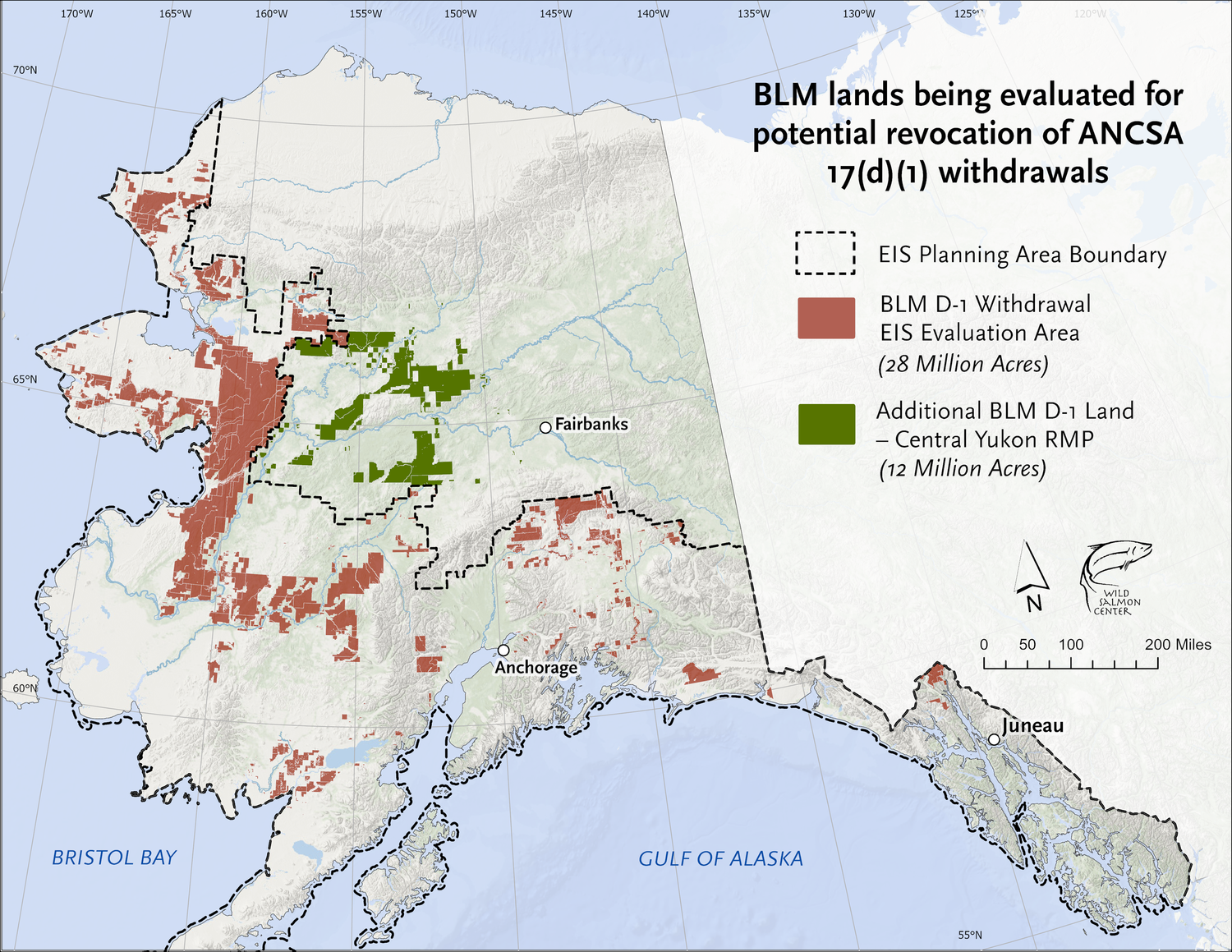
A unique aspect of Alaska is the presence of Native corporations. Established by the Alaska Native Claims Settlement Act (ANCSA) of 1971, these regional and village corporations own subsurface and surface rights to millions of acres. While not typically sold on the open market, some Native corporations may engage in land transactions, often with specific development goals in mind. Owning land directly from a Native corporation can be a complex process, involving unique agreements and considerations.
Private Ownership and Market Dynamics
The remaining land in Alaska is privately owned. This includes land bought from the state, federal government (in limited instances), Native corporations, or previously existing private owners. It is this segment of the market that most prospective buyers will interact with when searching for property. The prices on private land are dictated by supply and demand, location, accessibility, natural resources, and potential for development.
Factors Influencing Land Prices in Alaska
The price per acre of land in Alaska is anything but uniform. Several key factors contribute to the wide spectrum of values observed across the state.
Location, Location, Location (Even in Alaska)
While the vastness of Alaska might suggest remote land is cheap, its accessibility profoundly impacts price. Land closer to major population centers like Anchorage, Fairbanks, or Juneau will invariably command higher prices due to proximity to services, employment, and infrastructure.
- Urban and Suburban Areas: In and around these cities, land suitable for residential development, commercial use, or even just a convenient vacation spot can be very expensive, often priced per square foot or lot rather than per acre. For instance, a buildable lot within Anchorage city limits could cost tens or even hundreds of thousands of dollars.
- Accessible Rural Areas: Land within a few hours’ drive of a major city, accessible by road for most of the year, will also be significantly more valuable than truly remote parcels. Proximity to established communities, small towns, or even well-maintained gravel roads adds considerable value.
- Remote Wilderness: Conversely, land that requires significant travel by bush plane, boat, or snowmobile, and lacks any existing infrastructure, will be considerably cheaper on a per-acre basis. This is where one might find opportunities for very large, undeveloped tracts at lower price points, appealing to those seeking ultimate solitude or specific resource-based pursuits.
Accessibility and Infrastructure
The presence or absence of roads, utilities, and other services is a primary driver of land value.
- Road Access: Land with year-round road access is highly sought after. Even seasonal road access, like a well-maintained gravel road, significantly increases desirability and therefore price compared to land only accessible by air or water.
- Utilities: The availability of electricity, water, and sewer systems dramatically impacts development potential and cost. Land that is “off-grid” requires substantial investment to bring in basic utilities, making it less expensive initially but potentially more costly to develop. Parcels with existing hookups or easy access to utility lines are premium.
- Proximity to Airports and Harbors: For many Alaskans, air and water travel are vital. Land near smaller regional airports or accessible harbors can be more valuable for those who rely on these modes of transport for supplies or travel.
Natural Resources and Features
Alaska‘s natural bounty is one of its greatest assets, and land that offers specific resources or stunning features will command higher prices.
- Waterfront: Property with frontage on a navigable river, a serene lake, or the Pacific Ocean is exceptionally valuable. The beauty, recreational opportunities, and potential for commercial use (like a lodge or fishing charter business) make waterfront land a prime investment. The Inside Passage, with its stunning fjords and islands, offers some of the most prized, and thus expensive, waterfront property.
- Timber and Wildlife: Large tracts of land rich in valuable timber or teeming with game for hunting can be attractive to specific buyers. The presence of abundant fish and wildlife can also enhance the value for recreational purposes.
- Minerals and Oil: While less common for private individual buyers, land with proven or potential mineral or oil resources can be exceptionally valuable, though often subject to mineral rights that are separate from surface rights.
Zoning and Permitting
The intended use of the land plays a significant role in its price. Land zoned for commercial or residential development will be priced differently than land zoned for agricultural use or simply held as raw acreage. Understanding local zoning regulations is crucial, as it dictates what can and cannot be done with the property, impacting its potential return on investment. Obtaining permits for building or land use can be a complex and time-consuming process in Alaska, further influencing desirability and cost.
Land Size and Shape
The sheer scale of Alaska means that land is often sold in large parcels. While smaller, buildable lots in desirable areas will fetch higher per-acre prices, very large, undeveloped tracts in remote regions might have a lower per-acre cost but represent a substantial overall investment. The shape and topography of the land also matter; flat, easily buildable land is generally more valuable than steep, rocky terrain.
Typical Price Ranges for Land in Alaska
Given the multitude of influencing factors, providing exact price ranges is challenging. However, we can outline general expectations based on location and accessibility.
Remote Wilderness and Unimproved Land
- Price Range: $500 – $5,000 per acre (and sometimes even less for extremely remote or challenging terrain).
- Characteristics: These are vast tracts, often requiring significant investment in air or boat access. They may lack any utilities and are ideal for those seeking absolute isolation, large-scale hunting or fishing retreats, or specialized research. Examples might be found in the interior of the state, far from major road networks, or on remote coastlines.
Accessible Rural Land (with Seasonal or Basic Road Access)
- Price Range: $5,000 – $25,000+ per acre.
- Characteristics: This category includes land that is reachable by gravel roads or is within a reasonable distance of a small community. It might have some basic infrastructure nearby but likely requires the buyer to arrange for utility connections (well, septic, power). These parcels are popular for cabins, homesteads, and off-grid living. Areas around Kenai Peninsula or the Matanuska-Susitna Valley might offer such opportunities, albeit at the higher end of this range depending on specific location.
Land Near Towns and Cities (with Road Access and Potential Utilities)
- Price Range: $25,000 – $100,000+ per acre, and significantly more for prime building lots.
- Characteristics: This is land that is relatively close to established towns or cities, potentially with existing road access and the possibility of connecting to municipal utilities or having readily available options for well and septic. This is where one finds parcels suitable for primary residences, vacation homes, or small businesses. Prices here are heavily influenced by the specific town or city and its economic health.
Prime Waterfront and Development Land
- Price Range: $50,000 – $500,000+ per acre, and often much higher for commercial waterfront.
- Characteristics: This includes land with direct access to desirable lakes, rivers, or the ocean, especially in areas with scenic beauty or high recreational value. Land zoned for commercial development or with significant development potential in or near urban centers also falls into this category. For instance, a parcel with ocean frontage on the Kenai Peninsula or near a popular tourist destination would be at the top of this price bracket.
Finding and Purchasing Land in Alaska
The process of finding and purchasing land in Alaska requires patience, due diligence, and often the assistance of local real estate professionals.
Working with Real Estate Agents
A reputable real estate agent with experience in Alaska land sales is invaluable. They can help navigate the market, identify suitable properties, understand local regulations, and facilitate the transaction. Look for agents who specialize in rural land, recreational properties, or the specific region you are interested in.
Due Diligence is Key
Purchasing land in Alaska involves thorough due diligence. This includes:
- Title Search: Ensuring clear ownership and identifying any liens or encumbrances.
- Survey: Confirming property boundaries.
- Zoning and Permitting: Understanding what you can build or do on the land.
- Environmental Assessment: Checking for any environmental concerns.
- Access Rights: Verifying legal and practical access to the property.
- Resource Rights: Understanding if mineral, timber, or water rights are included or reserved.
State Land Sales
The Alaska Department of Natural Resources (DNR) periodically offers state land for sale. These sales can be through sealed bid auctions or direct sales. Information on upcoming sales is typically published on the DNR website. These can be excellent opportunities to acquire land directly from the state.
Private Listings and Auctions
Many land parcels are listed through private real estate companies or at land auctions. Auctions can sometimes offer opportunities to purchase land at competitive prices, but it is crucial to attend preview events and conduct your due diligence beforehand.
Financing
Financing for raw land in Alaska can be more challenging than for developed properties. Traditional mortgages may not be available, and buyers often need to secure private loans, seller financing, or have substantial cash reserves.
In conclusion, the cost of land in Alaska is as diverse as its landscapes. From the budget-friendly expanses of the remote wilderness to the premium prices of accessible waterfront properties near urban centers, understanding the influencing factors—location, accessibility, natural resources, and zoning—is paramount. While the dream of owning a piece of the Last Frontier can be realized, it requires careful planning, thorough research, and a realistic understanding of the market dynamics that shape the value of land in this magnificent and wild state. Whether you envision a secluded hunting lodge, a sustainable homestead, or a lucrative development project, exploring the land market in Alaska is an adventure in itself, promising opportunities for those willing to embark on the journey.
LifeOutOfTheBox is a participant in the Amazon Services LLC Associates Program, an affiliate advertising program designed to provide a means for sites to earn advertising fees by advertising and linking to Amazon.com. Amazon, the Amazon logo, AmazonSupply, and the AmazonSupply logo are trademarks of Amazon.com, Inc. or its affiliates. As an Amazon Associate we earn affiliate commissions from qualifying purchases.