
Alaska, a land of breathtaking natural beauty, unparalleled wilderness, and a rich tapestry of indigenous cultures, holds a significant secret beneath its icy surface: vast reserves of oil. The question of “How Much Oil Is In Alaska?” is not just a matter of geological curiosity; it’s a topic deeply intertwined with the state’s economy, its unique lifestyle, and its very identity. For travelers, history buffs, and anyone fascinated by the resourcefulness of human endeavor, understanding Alaska’s oil story offers a compelling lens through which to view this magnificent frontier.
The allure of Alaska extends far beyond its oil fields. From the majestic peaks of the Denali National Park and Preserve to the vibrant street art of Anchorage, the state offers a diverse range of experiences. Visitors flock to witness the ethereal dance of the Northern Lights, embark on adventurous cruises through the Inside Passage, or explore the rugged beauty of the Kenai Peninsula. The state’s commitment to preserving its natural wonders, even as it harnesses its resources, is a delicate balancing act that shapes its tourism landscape. Whether you’re seeking the thrill of glacier trekking, the tranquility of a remote fishing lodge, or the cultural immersion in a Native Alaskan village, Alaska promises an unforgettable journey.
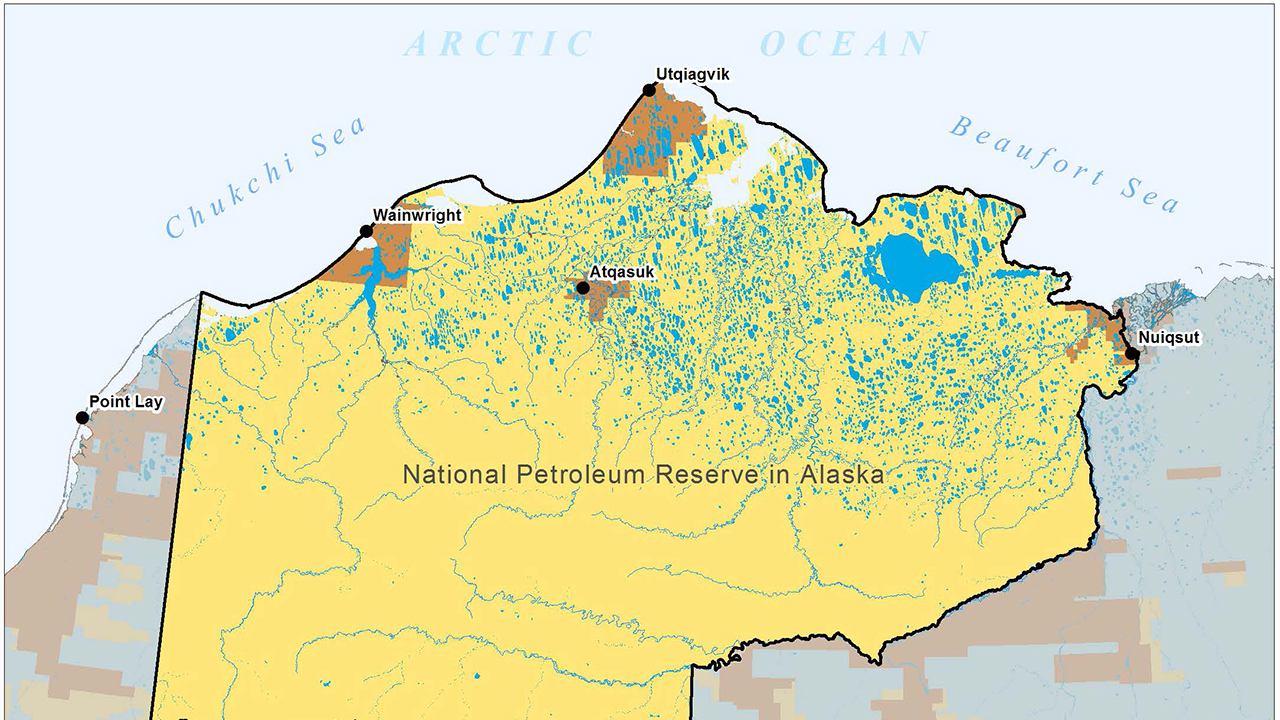
The Genesis of Alaska’s Oil Riches
The story of oil in Alaska is a relatively recent chapter in the state’s long and complex history. For millennia, indigenous peoples like the Inupiat, Yupik, and Tlingit thrived in this environment, adapting to its challenges and drawing sustenance from its abundant resources. Their traditional lifestyles, deeply connected to the land and sea, predate any notion of industrial resource extraction. The arrival of Russian fur traders in the 18th century marked the beginning of external interest in Alaska’s wealth, primarily focused on furs. Later, the Klondike Gold Rush in the late 19th century brought a surge of prospectors, forever etching Juneau and other mining towns into the annals of Alaskan history.
However, the true game-changer for Alaska’s modern economy arrived with the discovery of significant oil deposits. The United States acquired Alaska from Russia in 1867, a transaction initially met with skepticism in some quarters. Yet, the potential for valuable resources was always recognized, albeit not fully understood until later. The turning point came in the mid-20th century, when geological surveys and exploration efforts began to pinpoint the immense hydrocarbon potential hidden beneath the Alaskan landscape.
The Prudhoe Bay Discovery and its Aftermath
The discovery that truly put Alaska on the global energy map occurred in 1968 on the North Slope of Alaska, at Prudhoe Bay. This colossal find revealed one of the largest oil fields ever discovered in North America, igniting a frenzy of activity and investment. The sheer scale of the Prudhoe Bay Oil Field was staggering, promising to reshape Alaska’s economic future. This discovery wasn’t just about finding oil; it was about finding enough to significantly impact national energy supplies and to fundamentally alter the trajectory of the state.
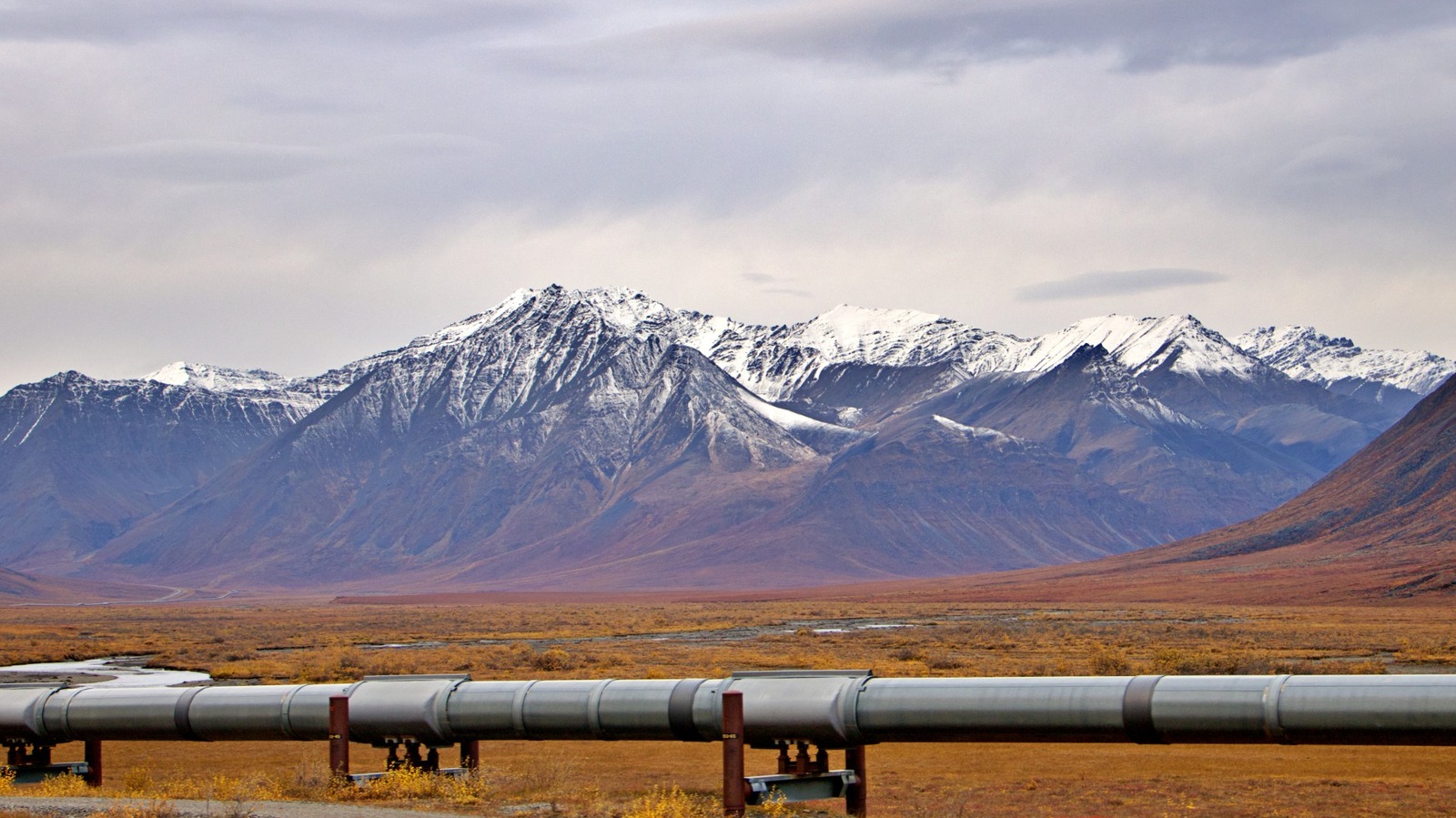
The subsequent development of Prudhoe Bay necessitated massive infrastructure projects. The most iconic of these is undoubtedly the Trans-Alaska Pipeline System (TAPS). This engineering marvel, stretching over 800 miles from the North Slope to the ice-free port of Valdez on the southern coast, was a monumental undertaking. Building TAPS involved overcoming extreme environmental challenges, including permafrost, seismic activity, and vast expanses of wilderness. Its construction not only facilitated the transport of oil but also became a symbol of Alaskan ingenuity and resilience. The pipeline continues to be a vital artery for the state’s economy, although its capacity has fluctuated with production levels over the years. The challenges and triumphs associated with TAPS are a significant part of Alaska’s modern narrative, influencing everything from environmental policy to the logistics of supplying remote communities.
Alaska’s Oil Reserves: Quantifying the Riches
So, how much oil is actually in Alaska? The answer is complex and has evolved over time with new discoveries and advancements in extraction technology. Geologists and energy experts have spent decades estimating Alaska’s oil potential, with figures varying depending on the methodology and the specific region being assessed.
Estimating Reserves: From Proven to Potential
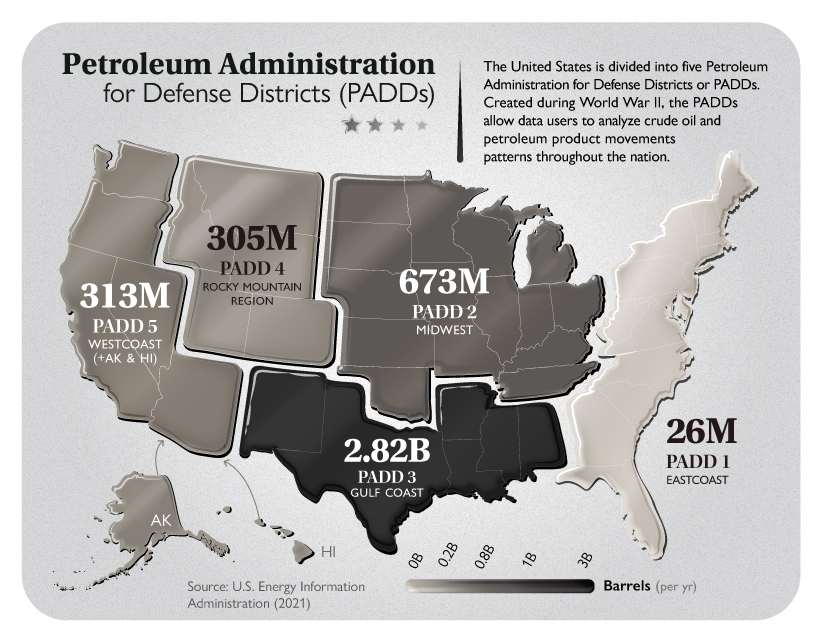
Estimates of oil reserves are typically categorized into different levels of certainty. Proven reserves refer to oil that has been discovered and is considered technically and economically recoverable with current technology. Probable reserves are those that are likely to be recoverable, while possible reserves are those that are less certain but still considered potentially present.
The U.S. Geological Survey (USGS) is a primary source of information on national oil and gas resources. Their assessments for Alaska have consistently highlighted the state’s significant hydrocarbon potential. For decades, Prudhoe Bay has been the dominant production area, but other areas, both onshore and offshore, have also shown promise. The Cook Inlet region, for instance, has a long history of oil and gas production, although its reserves are more modest compared to the North Slope. Offshore areas, particularly in the Beaufort Sea and Chukchi Sea, have also been explored, though development has faced environmental and logistical hurdles.
Beyond conventional oil, Alaska also holds substantial reserves of natural gas. While often found alongside oil, natural gas has its own unique market dynamics and extraction challenges. The development of these gas reserves is a crucial consideration for Alaska’s long-term economic planning, with significant debate surrounding how best to monetize this abundant resource. The vastness of Alaska means that exploration and estimation are ongoing processes, with the potential for future discoveries always present. The state’s unique geography and climate add layers of complexity to these assessments, making it a continually evolving field of study.
The Impact of Oil on Alaskan Life and Lifestyle
The discovery and exploitation of oil have had a profound and multifaceted impact on Alaska. It has fundamentally reshaped the state’s economy, influencing its politics, its social fabric, and the daily lives of its residents. This impact is felt most directly through the Alaska Permanent Fund.
The Alaska Permanent Fund: A Legacy of Oil Wealth
Established in 1976, the Alaska Permanent Fund is a sovereign wealth fund derived from oil revenues. A portion of all state oil and gas revenues is invested, and the earnings from these investments are used to fund a dividend distributed annually to eligible Alaskan residents. This unique program, often referred to as the “oil dividend” or “PFD,” has become a cornerstone of Alaskan life. It provides a direct financial benefit to every resident, helping to offset the high cost of living in the state and fostering a sense of shared prosperity. The PFD is a tangible manifestation of how the state’s natural resources can directly benefit its people, creating a distinct Alaskan lifestyle that prioritizes community and resource sharing. The size of the dividend fluctuates based on investment performance and state revenue, leading to annual anticipation and discussion among residents.
The presence of the oil industry has also led to significant demographic and economic shifts. While resource extraction creates high-paying jobs, it also attracts transient workforces and can lead to boom-and-bust cycles. The development of infrastructure to support the oil industry, such as roads, airports, and ports, has also indirectly benefited other sectors, including tourism and transportation. However, the focus on oil revenue has also raised concerns about economic diversification and the state’s reliance on a single commodity. Efforts are continuously underway to balance the economic benefits of oil with the need to protect Alaska’s pristine environment and support sustainable economic development in other sectors.
Tourism, Culture, and Environmental Considerations
The relationship between oil and tourism in Alaska is a dynamic one. While the oil industry provides economic stability that can support tourism infrastructure and marketing, concerns about environmental impacts are ever-present. The desire to protect the very landscapes that draw tourists is a constant consideration. State policies and industry practices aim to minimize the environmental footprint of oil operations, particularly in sensitive ecological areas.
The tourism sector in Alaska is robust and diverse, offering everything from adventure tours and wildlife viewing to cultural experiences and historical explorations. Visitors can explore iconic destinations like Ketchikan, known for its totem poles, or witness the grandeur of Glacier Bay National Park and Preserve. The unique indigenous cultures of Alaska are a significant attraction, with opportunities to learn about the traditions, art, and history of the Alaska Native peoples. Cities like Fairbanks offer unique experiences like dog sledding and exploring the University of Alaska Museum of the North, showcasing the state’s rich history and natural wonders.
The success of Alaska’s tourism industry is intrinsically linked to its ability to preserve its natural beauty and ecological integrity. Balancing resource extraction with conservation is a continuous challenge, but one that is crucial for the long-term health of both the economy and the environment. The conversation about “how much oil is in Alaska?” is, in many ways, also a conversation about the future of its stunning landscapes and the unique lifestyle it supports. The choices made today will shape Alaska for generations to come, influencing not only its economic output but also its status as a global treasure for natural beauty and adventure.
LifeOutOfTheBox is a participant in the Amazon Services LLC Associates Program, an affiliate advertising program designed to provide a means for sites to earn advertising fees by advertising and linking to Amazon.com. Amazon, the Amazon logo, AmazonSupply, and the AmazonSupply logo are trademarks of Amazon.com, Inc. or its affiliates. As an Amazon Associate we earn affiliate commissions from qualifying purchases.