
Alaska, the Last Frontier, conjures images of vast, untamed wilderness, colossal glaciers, and unparalleled adventure. It’s a place that calls to the intrepid traveler, the nature enthusiast, and anyone seeking an escape from the ordinary. But beyond the breathtaking landscapes and unique wildlife, a practical question often arises: is Alaska expensive to live in? This isn’t just a concern for potential permanent residents; for travelers, understanding the cost of living can significantly impact budgeting for a memorable trip, influencing choices from accommodation to daily activities. This exploration delves into the financial realities of residing in the 49th state, touching upon factors that affect both long-term inhabitants and short-term visitors seeking an authentic Alaska experience.
The High Cost of Remote Living: Why Expenses Can Be Higher
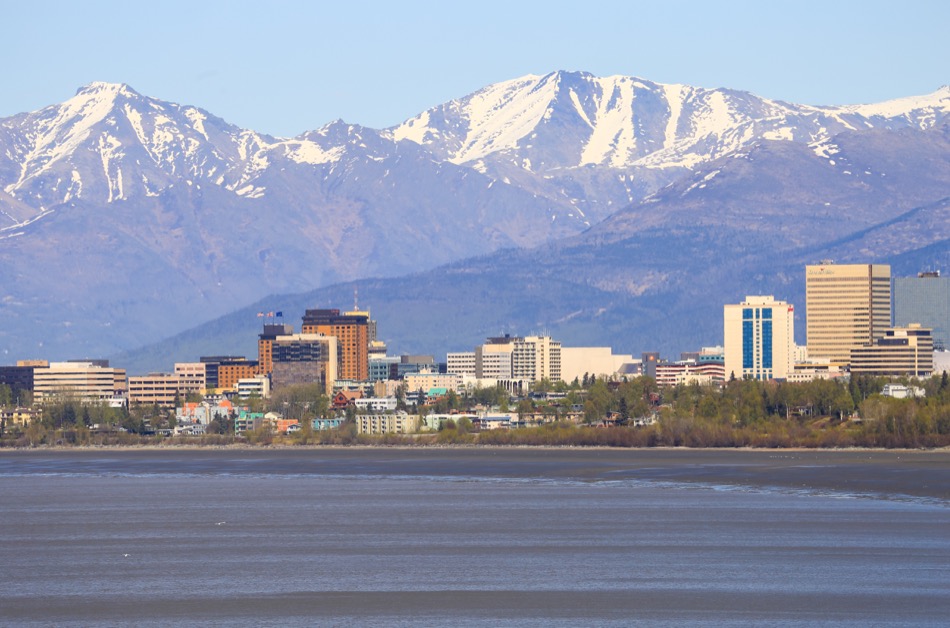
The sheer size and remoteness of Alaska are undeniable factors contributing to its cost of living. Unlike the contiguous United States, where goods can be transported relatively easily by road, Alaska relies heavily on air and sea freight. This dramatically increases the expense of importing everything from groceries and building materials to vehicles and everyday consumer goods. Imagine the journey of a carton of milk or a new sofa from a warehouse in the lower 48 to a home in Anchorage or a remote village like Utqiagvik. Each step of the process – shipping, handling, and final delivery – adds to the final price tag.
This logistical challenge affects almost every aspect of daily life and, consequently, the travel experience. When you’re browsing hotels or planning excursions, keep in mind that the prices reflect these inherent transportation costs.
Groceries and Everyday Necessities
The grocery aisle in an Alaskan supermarket is a stark illustration of this remoteness. Produce that might be a staple in California or Florida can be a luxury in Alaska, flown in at significant expense. Even non-perishable items, while less susceptible to spoilage, still bear the brunt of long-distance shipping. Residents often plan their shopping trips meticulously, sometimes stocking up on items when they are on sale or available. For travelers, this translates to higher prices at local eateries and, if opting for self-catering accommodation, a more expensive grocery bill. While some areas like Anchorage benefit from more established supply chains and can offer a wider range of options, even there, prices tend to be above the national average.
Utilities and Energy
Heating and electricity are significant expenses in Alaska, especially during the long, cold winters. Many communities rely on heating oil or propane, which are subject to global fuel prices and the cost of transportation to remote locations. While some areas are connected to natural gas grids, this is not universally the case. For those living in off-grid situations, generators and fuel costs can also be substantial. Travelers staying in lodges or cabins during the colder months might notice higher rates, reflecting the increased operational costs for heating and lighting.
Housing Costs
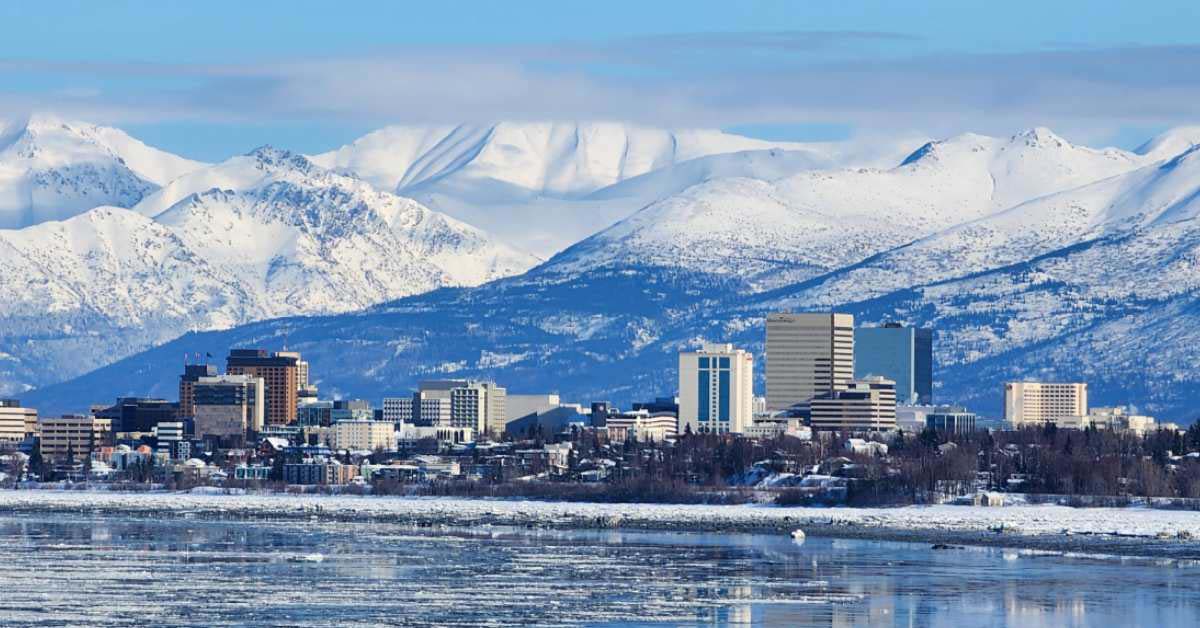
Housing in Alaska presents a mixed picture, heavily influenced by location. Anchorage, the state’s largest city, follows general US trends with higher demand leading to higher prices, particularly for prime real estate or desirable neighborhoods. However, in many smaller towns and remote villages, housing can be more affordable due to lower demand. The challenge here, though, is the availability and the construction costs, which are also elevated due to the same logistical issues affecting other goods. Building a home in Alaska is a complex undertaking, and the materials and labor involved contribute to a higher overall cost. For travelers seeking accommodation, this means a range of options from budget-friendly motels in larger towns to more expensive but unique lodges and cabins in remote areas. The type of accommodation chosen will significantly impact the overall expense of a trip.
Transportation and Fuel
Fuel prices in Alaska can fluctuate significantly depending on the region and the season. While Alaska is a major oil producer, the fuel consumed within the state still needs to be transported, often to remote locations. This means that filling up your vehicle in a small town like Homer might be more expensive than in a larger city like Fairbanks. For travelers who plan to explore Alaska by car, factoring in fuel costs is crucial. The vast distances between attractions mean that extensive driving is often necessary, and fuel expenditure can add up quickly. Public transportation is limited outside of major urban centers, making personal vehicles or organized tours essential for exploring the state’s wonders.
Navigating the Costs: Budgeting for an Alaskan Adventure
Despite the inherent expenses, a trip to Alaska doesn’t have to break the bank. With careful planning and a strategic approach to travel, budget travel is certainly achievable. Understanding where the costs are highest and where savings can be made is key to enjoying the wonders of Alaska without overspending.
Accommodation Choices: From Luxury Resorts to Cozy Cabins
The range of accommodation options in Alaska is as diverse as its landscape, offering choices for every lifestyle and budget. For those seeking ultimate comfort and luxury travel, resorts like the Alyeska Resort in Girdwood provide world-class amenities, stunning views, and fine dining. These options, while an indulgence, offer a premium experience that can be a focal point of a trip.
On the other end of the spectrum, budget travel enthusiasts can find a plethora of motels, inns, and guesthouses in most towns. These provide comfortable and clean lodging without the frills of a high-end resort. For a truly immersive Alaskan experience, consider staying in a cabin. Many are available for rent, offering a rustic charm and the opportunity to be closer to nature. These can range from simple, no-frills structures to more modern and well-equipped dwellings, with prices varying accordingly. Long-term stay options might also be available, particularly in smaller communities, which could offer a more economical solution for extended visits. When comparing prices, it’s essential to consider what is included – some cabins might offer kitchens, allowing for self-catering and further cost savings.
Dining: Experiencing Local Flavors Without Breaking the Bank
Food in Alaska can be a delightful adventure, from fresh seafood to hearty local fare. While dining out in upscale restaurants in cities like Juneau or Anchorage can be expensive, there are numerous ways to enjoy delicious Alaskan cuisine on a budget.
Seek out local diners and cafes that cater to residents. These establishments often offer generous portions of classic dishes like salmon, halibut, and reindeer sausage at more reasonable prices. Farmers’ markets, where available, are excellent places to sample fresh produce and artisanal products. If your accommodation includes a kitchen, shopping at local grocery stores and preparing some of your own meals can significantly reduce your food expenses. Don’t shy away from food trucks either; they often serve up some of the most authentic and affordable culinary experiences in Alaska. For those interested in tourism, experiencing the local culture through its food is a must, and with a little research, it can be done affordably.
Activities and Attractions: Embracing Nature’s Free Gifts
Alaska is a treasure trove of attractions and experiences, many of which are free or relatively inexpensive. The state’s unparalleled natural beauty is its most significant draw, and you don’t need to spend a fortune to appreciate it.
Landmarks such as Denali National Park and Preserve offer breathtaking vistas and opportunities for wildlife viewing that are unmatched. While there are entrance fees and costs associated with guided tours within the park, simply driving the park road and stopping at designated viewpoints provides an incredible experience. Hiking trails are abundant throughout Alaska, from easy strolls in State Parks to challenging backcountry treks. These offer an intimate connection with the nature that defines Alaska.
Wildlife viewing is another quintessential Alaskan activity that can be enjoyed at various price points. Spotting moose, bears, or eagles from the side of the road or on a hike is a thrill that costs nothing. Boat tours and guided wildlife excursions, while an investment, offer incredible opportunities to see marine life like whales and sea otters, as well as explore remote coastlines. For those interested in history and architecture, visiting historical sites and museums in towns like Skagway or Sitka provides a glimpse into Alaska’s past. Many of these have modest entrance fees. The key is to balance paid activities with the abundance of natural attractions that require only your time and sense of adventure.
The Long-Term Perspective: Investing in the Alaskan Lifestyle
For those contemplating a more permanent move to Alaska, the expense is a significant factor. The lifestyle in Alaska is unique and often involves a degree of self-reliance and an appreciation for the outdoors. While everyday costs can be higher, there are certain aspects that might offer a different perspective on value.
The Value of Space and Nature
One of the most compelling reasons people choose to live in Alaska is the sheer abundance of space and the unparalleled access to pristine nature. For individuals who prioritize outdoor recreation, living amongst dramatic landscapes, with opportunities for fishing, hunting, hiking, and exploring, the lifestyle benefits can outweigh the financial costs for some. The ability to own a significant piece of land, often more affordable than in densely populated areas of the lower 48, can be a major draw.
Community and Self-Sufficiency
Many Alaskan communities are tight-knit, with a strong emphasis on mutual support and self-sufficiency. This can translate into a lower reliance on certain consumer goods and services. For example, the practice of subsistence living, while not for everyone, is a significant part of the Alaskan culture for many, allowing for a reduction in grocery bills through fishing, hunting, and gardening. This aspect of lifestyle is deeply ingrained and contributes to a unique sense of community.
Economic Opportunities
While Alaska has a reputation for being expensive, it also has a robust economy driven by industries such as oil and gas, fishing, tourism, and government. These sectors provide employment opportunities, and wages in some industries can be higher to compensate for the cost of living. For those with in-demand skills, the financial challenges of living in Alaska can be mitigated by earning a competitive salary. Exploring job markets and understanding the Alaskan economy is a crucial step for anyone considering a long-term relocation.
In conclusion, the question of whether Alaska is expensive to live in doesn’t have a simple yes or no answer. It’s a complex interplay of geography, logistics, and individual lifestyle choices. For travelers, understanding these factors allows for more informed planning, ensuring that the dream of experiencing the majesty of Alaska can be realized within a comfortable budget. Whether you’re embarking on a short trip or contemplating a permanent move, Alaska offers a unique and rewarding experience, a frontier where the costs are balanced by unparalleled natural beauty and a distinctive way of life.
LifeOutOfTheBox is a participant in the Amazon Services LLC Associates Program, an affiliate advertising program designed to provide a means for sites to earn advertising fees by advertising and linking to Amazon.com. Amazon, the Amazon logo, AmazonSupply, and the AmazonSupply logo are trademarks of Amazon.com, Inc. or its affiliates. As an Amazon Associate we earn affiliate commissions from qualifying purchases.