
Understanding the population of a city is a fundamental aspect of grasping its essence, from its economic vitality and cultural landscape to its infrastructure and the daily lives of its residents. For Anchorage, Alaska, this question is not just about a number; it’s about the heartbeat of the Last Frontier’s largest urban center. As the primary gateway to Alaska for many travelers, a sense of its scale and human element can profoundly shape expectations and experiences, whether one is planning a luxury escape, a budget-friendly adventure, a family vacation, or a business trip. This exploration delves into the population figures of Anchorage, weaving in how this demographic information connects to the city’s role as a hub for tourism, accommodation, and lifestyle.

The Demographic Pulse of Alaska’s Largest City
Anchorage, Alaska stands as a testament to human resilience and adaptation in a majestic, yet often challenging, environment. Its population is the largest in the state, making it the central point for economic activity, cultural expression, and logistical operations. When considering the population of Anchorage, we’re not just looking at a statistic; we’re examining the foundation upon which this vibrant city is built, influencing everything from the availability of hotels and resorts to the diversity of experiences offered to visitors.
Current Population Estimates and Trends
Pinpointing the exact population of any city is an ongoing endeavor, with figures constantly being updated by census bureaus and statistical agencies. However, based on the most recent estimates, the population of Anchorage, Alaska hovers around the 288,000 to 290,000 mark for the city proper. This figure represents a significant portion of Alaska‘s total population, underscoring its status as the state’s demographic and economic powerhouse.
The trends in Anchorage‘s population have been relatively stable in recent years, though like many urban centers, it experiences fluctuations due to economic factors, migration patterns, and natural growth. For instance, periods of economic boom, often tied to resource industries like oil and gas, can attract new residents, while economic downturns might see some out-migration. However, the city’s strategic location and its role as a transportation and trade hub generally ensure a consistent level of population.
For potential visitors, this population size is a key indicator. It suggests a city with a good range of amenities, a diverse culinary scene, and a variety of entertainment options. It also means that while Anchorage is large by Alaska standards, it retains a certain intimacy and approachability that is often lost in mega-cities. This balance is crucial for travelers looking for both convenience and an authentic Alaskan experience.
Understanding the Scope: Anchorage Municipality vs. Metropolitan Area
It’s important to differentiate between the population of the Anchorage Municipality and the broader Anchorage Metropolitan Statistical Area (MSA). The Anchorage Municipality encompasses the city and surrounding areas that have been consolidated into one unified government. The population figures cited above primarily refer to this municipal boundary.
The Anchorage MSA, on the other hand, includes Anchorage Municipality along with neighboring communities like Eagle River, Chugiak, and Palmer in Matanuska-Susitna Valley. The MSA population is naturally larger, often estimated to be closer to 390,000 to 400,000 people. This broader perspective is relevant when considering the wider economic influence and labor force available to businesses in Anchorage, as well as the extended reach of its attractions and services.
For tourists, understanding this distinction helps in appreciating the scale of development and infrastructure. While the city itself is a hub, the surrounding areas offer different landscapes and experiences, from the rugged beauty of the Chugach Mountains to the more spread-out communities of the Matanuska-Susitna Valley. This means that while you’re staying in Anchorage, a wider region is accessible for day trips and exploration.
Anchoring Tourism and Experiences: How Population Shapes Visitors’ Stays
The population of Anchorage, Alaska plays an integral role in shaping the city’s tourism industry, influencing the types of accommodations, attractions, and activities available. A substantial population ensures a robust infrastructure capable of supporting a growing number of visitors.
Accommodation Options for Every Traveler
With a population exceeding 288,000, Anchorage boasts a wide array of accommodation options catering to every budget and travel style. From luxurious resorts and boutique hotels to budget-friendly motels and apartment rentals, visitors will find choices that suit their needs.
-
Hotels and Suites: The city offers numerous hotels, including well-known chains and independent establishments. Many feature amenities like indoor pools, fitness centers, and on-site dining, catering to both leisure and business travelers. For those seeking more space or extended stays, suites with kitchenettes provide a home-away-from-home feel. Think about places like the Captain Cook Hotel or the Hotel Alyeska (though technically in Girdwood, it’s a common base for exploring the region).
-
Resorts and Villas: While Anchorage itself is more urban, the surrounding areas and the city’s proximity to wilderness allow for resort-style experiences. Further afield, destinations like Girdwood offer more traditional resort settings nestled amidst stunning natural beauty, often drawing guests who use Anchorage as their arrival and departure point.

- Apartments and Long-Term Stays: For travelers planning an extended visit, or those who prefer the independence of self-catering, apartment rentals and corporate housing options are readily available. These are particularly useful for families or business professionals on longer assignments.
The presence of a significant local population fuels the demand for these diverse accommodation types, ensuring that Anchorage can effectively host its visitors, whether they are seeking a cozy bed and breakfast or a full-service resort experience.
Attractions and Activities: A Reflection of a Bustling City
The population of Anchorage directly influences the breadth and depth of its attractions and activities. A larger population means a greater demand for cultural institutions, recreational facilities, and diverse entertainment, which in turn enriches the visitor experience.
-
Landmarks and Natural Wonders: Anchorage serves as a gateway to some of Alaska‘s most iconic landmarks and natural wonders. Visitors can explore the Alaska Native Heritage Center, which offers profound insights into the indigenous cultures of Alaska, or visit the Anchorage Museum, showcasing art, history, and science. The city’s location also provides easy access to the Chugach State Park and the Kenai Peninsula, offering opportunities for hiking, wildlife viewing, and scenic drives. The Tony Knowles Coastal Trail is a popular urban path for biking and walking, showcasing stunning views of Cook Inlet.
-
Local Culture and Culinary Delights: The diverse population of Anchorage contributes to a vibrant local culture and a dynamic food scene. From fine dining establishments to casual eateries, visitors can savor fresh seafood, game meats, and international cuisine. Local breweries and coffee shops add to the city’s lively atmosphere. Exploring the Downtown area reveals a mix of shops, galleries, and performance venues, reflecting the community’s artistic and entrepreneurial spirit.
-
Experiences for All Lifestyles: Whether you’re seeking adventure, relaxation, or cultural immersion, Anchorage offers something for everyone. Luxury travelers might indulge in helicopter tours of glaciers or fine dining experiences. Budget travelers can enjoy exploring public parks, hiking trails, and free museum days. Families can find engaging activities at the Alaska Zoo or the Musk Ox Farm in Palmer. Business travelers can take advantage of world-class convention facilities and networking opportunities.
The sheer volume of people living in Anchorage means that these attractions and activities are not just sustained but are continually evolving to meet the needs and interests of both residents and visitors.
The Lifestyle of Anchorage: Connecting Population to Daily Life
The population of Anchorage, Alaska is not merely a statistic; it shapes the very lifestyle of the city. It influences the urban fabric, the pace of life, and the community’s connection to the surrounding wilderness. For those contemplating a visit, understanding this aspect can enrich their appreciation of the destination.
Urban Conveniences and Alaskan Realities
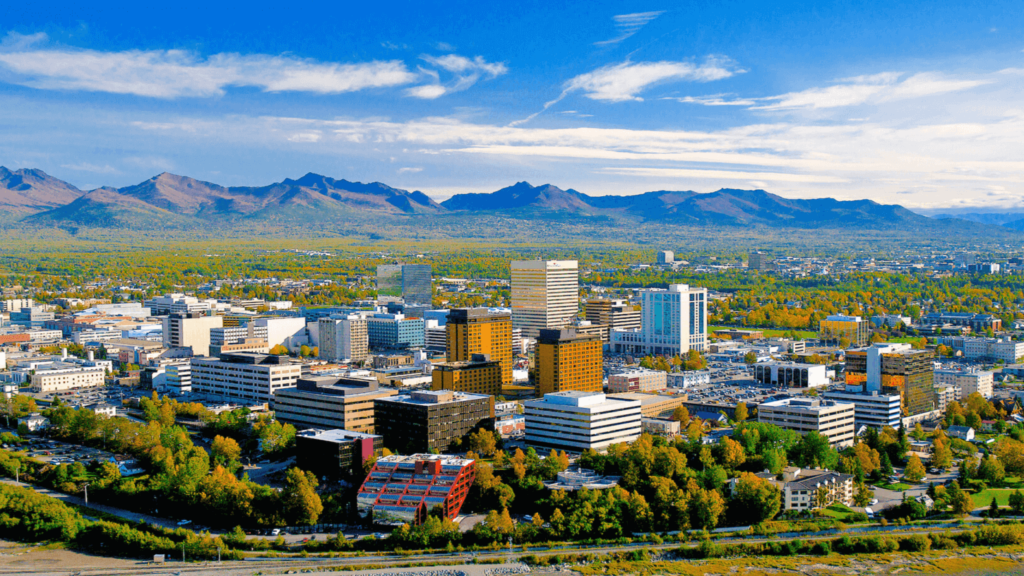
Living in Anchorage means experiencing a unique blend of urban conveniences and the rugged realities of Alaska. With a population of nearly 300,000, the city offers modern amenities comparable to many cities in the Lower 48. This includes a diverse range of shopping options, from large retail centers to unique local boutiques. Healthcare facilities, educational institutions, and a public transportation system are all in place, making daily life manageable and comfortable.
However, the proximity to nature is a constant presence. Residents and visitors alike can step out their door and be within minutes of vast natural landscapes. This duality defines the Anchorage lifestyle: the ability to enjoy a sophisticated urban environment while having immediate access to unparalleled wilderness adventures. This balance is a significant draw for those who choose to live in or visit Alaska.
For travelers, this translates into a destination that is both accessible and wild. You can enjoy a comfortable stay at a city hotel like the Hilton Anchorage or the Sheraton Anchorage Hotel, explore museums and restaurants, and then embark on a day trip to witness the grandeur of Denali National Park or experience the thrill of a glacier cruise from Whittier or Seward.
Community and Identity in a Large Alaskan City
Despite being the largest city in Alaska, Anchorage maintains a strong sense of community and a distinct Alaskan identity. The population, while substantial, is still relatively small compared to major metropolitan areas in the contiguous United States. This fosters a feeling of interconnectedness among residents.
The cultural landscape of Anchorage is rich and diverse, influenced by its Alaska Native heritage, its history as a transportation hub, and the influx of people from various backgrounds. This diversity is reflected in its arts scene, its festivals, and its culinary offerings. Events like the Fur Rondy festival, a celebration of Alaska‘s winter heritage, bring the community together and offer visitors a glimpse into the local spirit.
The lifestyle in Anchorage is often characterized by a deep appreciation for the outdoors and a resilient, self-reliant spirit. This ethos is evident in the many outdoor recreational activities available, from skiing and snowboarding in the winter to fishing and kayaking in the summer. This connection to nature, fostered by the city’s setting and its population’s inherent spirit, is a defining aspect of the Anchorage experience.
In conclusion, the population of Anchorage, Alaska, is a critical factor in understanding its identity as a city and its appeal as a destination. It underpins the availability of services, the diversity of experiences, and the unique lifestyle that defines this northern metropolis. Whether you’re planning a trip centered around luxury travel, seeking budget-friendly experiences, organizing family trips, or arranging business stays, the demographic scale of Anchorage provides a solid foundation for a memorable and enriching visit.
LifeOutOfTheBox is a participant in the Amazon Services LLC Associates Program, an affiliate advertising program designed to provide a means for sites to earn advertising fees by advertising and linking to Amazon.com. Amazon, the Amazon logo, AmazonSupply, and the AmazonSupply logo are trademarks of Amazon.com, Inc. or its affiliates. As an Amazon Associate we earn affiliate commissions from qualifying purchases.