
Alaska, the Last Frontier, is a land of immense beauty, unparalleled wilderness, and captivating contrasts. From the rugged coastline of Southeast Alaska to the vast interior and the remote Aleutian Islands, its sheer scale is breathtaking. Planning a trip to this magnificent state requires an understanding of its unique geography and, crucially, its time zones. For many travelers, especially those coming from the contiguous United States, the question “What is the time zone for Alaska?” is a fundamental one, impacting everything from flight schedules to daily activities.
Alaska’s vastness is not just geographical; it also dictates its temporal divisions. Understanding Alaska’s time zones is essential for seamless travel, ensuring you don’t miss a flight, a crucial tour, or an aurora viewing opportunity. This guide will demystify Alaska’s time zones, helping you navigate your journey with confidence and make the most of your Alaskan adventure.

Navigating Alaska’s Temporal Landscape
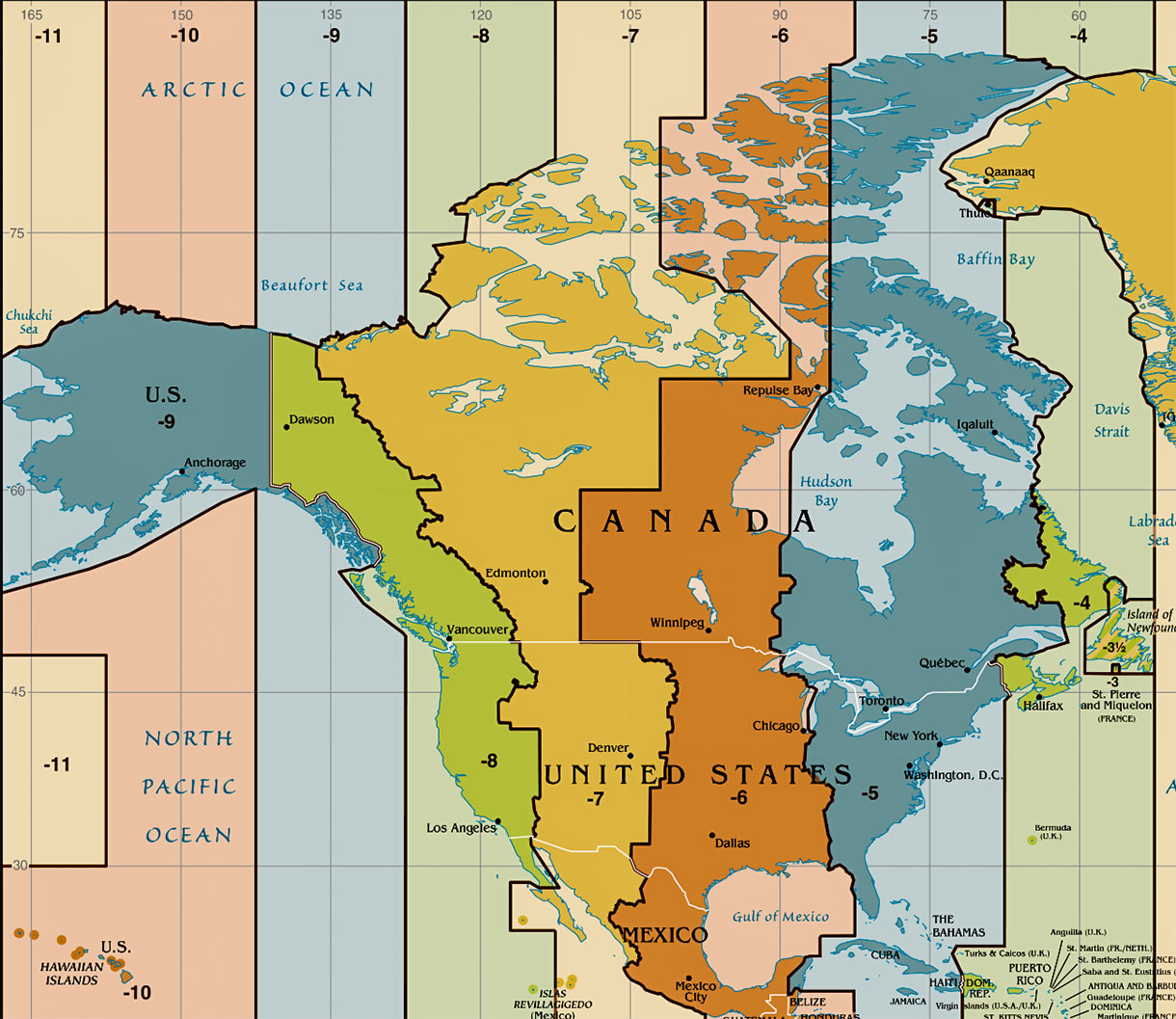
Alaska is a state with multiple time zones, a direct consequence of its immense east-west span. While many might assume a single time zone, reality is far more nuanced. This temporal division is crucial for any traveler considering a trip to this sprawling state, affecting everything from arrival times to booking tours and coordinating with local operators.
The Dominant Time Zone: Alaska Standard Time (AKST)
The vast majority of Alaska observes Alaska Standard Time (AKST). This time zone is UTC-9. During daylight saving time, it shifts to Alaska Daylight Time (AKDT), which is UTC-8. This is the time zone you’ll encounter in most major Alaskan cities and populated areas, including Anchorage, Fairbanks, Juneau, and Ketchikan.
When you plan your travel to these popular destinations, it’s AKST or AKDT that will govern your schedule. This means Alaska is typically two hours behind Pacific Standard Time (PST) and five hours behind Eastern Standard Time (EST). For example, if it’s noon EST, it will be 9 AM PST and 7 AM AKST. This temporal difference is important to remember when booking flights, hotels, and activities, especially if you’re coordinating with friends or family back home.
Understanding the Nuances of AKST/AKDT
The observance of daylight saving time in Alaska mirrors that of the contiguous United States, generally beginning on the second Sunday in March and ending on the first Sunday in November. This shift means that for a significant portion of the year, Alaska operates on AKDT (UTC-8). It’s always wise to confirm the current time zone status closer to your travel dates, though the vast majority of the year you’ll be dealing with AKDT for most of the state.
The shift to daylight saving time is a practical consideration for any visitor. While the experience of the midnight sun in summer is already a unique Alaskan phenomenon, the extended daylight hours during AKDT can further enhance your opportunities for exploration. Imagine enjoying an extra hour of daylight for hiking in Denali National Park and Preserve, exploring the charming streets of Skagway, or witnessing the calving of glaciers near Glacier Bay National Park and Preserve.
The Western Fringe: Hawaii-Aleutian Standard Time (HST)
While most of Alaska operates on AKST/AKDT, a smaller portion, primarily the westernmost regions, falls under a different time zone: Hawaii-Aleutian Standard Time (HST). This zone is UTC-10 and does not observe daylight saving time. This means HST remains at UTC-10 year-round.
This time zone encompasses the western Aleutian Islands, stretching all the way to the eastern edge of the Kamchatka Peninsula in Russia. For travelers venturing to the remote islands like Attu Island, or exploring areas that border this western fringe, understanding HST is crucial. However, for the vast majority of tourists visiting the more accessible and popular destinations in Alaska, HST is unlikely to be a direct concern unless they are undertaking very specific, adventurous expeditions.
Implications for Travelers in the Westernmost Regions
If your itinerary includes the western Aleutian Islands, such as Adak Island, you will be operating on HST. This means these islands are one hour behind the rest of Alaska. The lack of daylight saving time also means that the temporal difference between HST and the contiguous United States remains constant throughout the year. For instance, HST is always three hours behind PST and six hours behind EST.
While these regions are less frequented by typical tourists due to their remoteness and the logistical challenges involved in reaching them, they offer unique experiences for the intrepid traveler. These areas are known for their dramatic coastlines, rich maritime history, and abundant wildlife, including puffins and sea otters. For those seeking solitude and a truly off-the-beaten-path adventure, understanding HST is an integral part of planning such an expedition.

Planning Your Alaskan Itinerary with Time Zones in Mind
The knowledge of Alaska’s time zones is not just academic; it has practical implications for every aspect of your trip, from booking accommodations to scheduling activities and ensuring smooth transitions between locations if your journey takes you across different temporal zones.
Practical Considerations for Travelers
When booking flights into Anchorage International Airport (ANC) or any other Alaskan airport, always verify the arrival and departure times in Alaska’s local time. Airlines typically display times in the destination’s local zone, but double-checking is always a prudent step. Similarly, when booking hotels, tour operators, and rental cars, ensure all communication and confirmations are in the correct Alaskan time.
For those undertaking a multi-city tour, for example, flying from Seattle to Juneau and then perhaps to Fairbanks, being mindful of the time zone shift is paramount. While the primary destinations are within AKST/AKDT, any layovers or connections in states on Pacific Time will require a mental adjustment. For instance, if you depart Seattle at 2 PM PST, you might arrive in Anchorage at 3 PM AKDT, but the actual elapsed time will feel longer due to the two-hour difference.
Maximizing Your Daylight Hours
Understanding AKST/AKDT and HST is also essential for maximizing your daylight hours, especially during the summer months when the sun barely sets. In the peak of summer, around the summer solstice, daylight in many parts of Alaska can extend for 19-22 hours. Knowing the precise time allows you to plan your outdoor adventures accordingly. Imagine embarking on a glacier hike near Whittier in the late evening, or enjoying a leisurely kayaking trip in Homer as the sun begins its slow descent towards the horizon.
Conversely, during the winter months, daylight is significantly reduced. Accurate timekeeping becomes even more critical for planning activities like aurora viewing tours near Fairbanks, which often start in the late evening and extend into the early morning hours. Knowing the precise time ensures you don’t miss the prime viewing windows for the magical Northern Lights.
Beyond Time Zones: Embracing the Alaskan Experience
While understanding time zones is a practical necessity for a smooth journey, the true allure of Alaska lies in its extraordinary natural beauty, vibrant culture, and unique way of life. Once you’ve got your temporal bearings, you can immerse yourself in all that this remarkable state has to offer.
Alaska is a destination that caters to a wide range of interests and travel styles, from the budget-conscious backpacker to the luxury seeker. Whether you’re drawn to the towering peaks of the Chugach Mountains, the abundant wildlife of Bering Land Bridge National Preserve, or the rich history of Sitka National Historical Park, there’s an Alaskan experience waiting for you.
Diverse Destinations and Activities
From the bustling cultural hub of Anchorage to the picturesque seaside towns of Seward and Homer, Alaska offers a diverse array of destinations. You can explore the historic gold rush towns, witness the awe-inspiring majesty of glaciers, or go deep into the wilderness for unparalleled wildlife viewing opportunities. Consider a cruise through the Inside Passage in Southeast Alaska, where you can spot whales and bald eagles, or venture inland to experience the rugged beauty of the Alaska Range.
For the adventurous, activities abound. Think white-water rafting on the Kenai River, flightseeing over Denali, dog sledding excursions, or hiking through pristine forests. Food enthusiasts can savor fresh seafood, including king crab and salmon, and explore the local culinary scene. Cultural immersion is also a significant draw, with opportunities to learn about the rich heritage of Alaska’s Native peoples, visit museums, and experience local festivals.
Accommodation and Lifestyle Choices
Alaska offers a wide spectrum of accommodation options to suit every preference and budget. You can find luxury resorts with breathtaking views, cozy bed and breakfasts in charming towns, rustic cabins nestled in the wilderness, and well-equipped hotels in urban centers. For those looking for longer stays or a more independent experience, apartments and villas are also available.
The lifestyle in Alaska is often characterized by a deep appreciation for nature and a sense of adventure. Whether you’re seeking a luxurious escape with world-class amenities at a place like the Alyeska Resort or a more grounded experience in a remote lodge, Alaska provides a unique backdrop for any travel lifestyle. From family adventures exploring national parks to business stays in cities like Juneau, the spirit of the Last Frontier permeates every aspect of the visitor experience.
By understanding the practicalities, such as the time zones, you lay the groundwork for a truly unforgettable Alaskan adventure, allowing you to focus on the magic and wonder that this extraordinary state holds.
LifeOutOfTheBox is a participant in the Amazon Services LLC Associates Program, an affiliate advertising program designed to provide a means for sites to earn advertising fees by advertising and linking to Amazon.com. Amazon, the Amazon logo, AmazonSupply, and the AmazonSupply logo are trademarks of Amazon.com, Inc. or its affiliates. As an Amazon Associate we earn affiliate commissions from qualifying purchases.