
Alaska, a land of vast wilderness, dramatic landscapes, and unparalleled natural beauty, beckons travelers with its unique allure. From the towering peaks of the Alaska Range to the shimmering glaciers and the mesmerizing spectacle of the Aurora Borealis, it’s a destination that promises unforgettable experiences. However, when planning an adventure to the Last Frontier, one of the most fundamental questions that arises is: what temperature can one expect in Alaska? Understanding the climate is crucial for packing the right gear, choosing the ideal time to visit, and ultimately, maximizing your enjoyment of this extraordinary state.
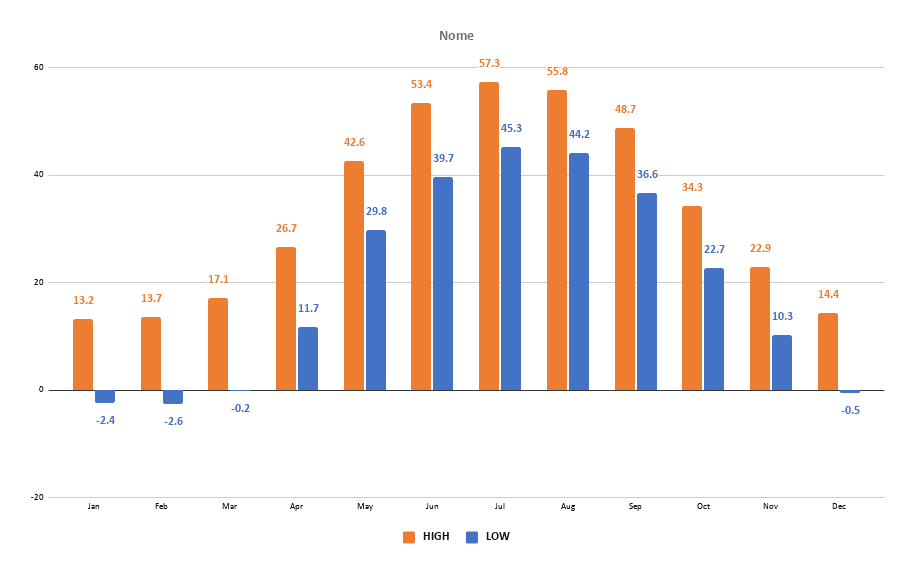
Alaska’s climate is as diverse as its geography, with significant variations occurring across its vast expanse and throughout the year. The sheer size of the state, stretching over 665,000 square miles, means that while it might be chilly in Anchorage, it could be considerably colder in the interior or milder along the southern coast. This inherent climatic diversity is a key factor for any discerning traveler to consider.
Alaska’s Diverse Climates: A Seasonal and Regional Breakdown
To truly answer “What temperature is it in Alaska?”, we must delve into the nuances of its regional climates and how they fluctuate with the changing seasons. Alaska is broadly divided into several distinct climatic zones, each offering a unique experience and temperature profile.
Coastal Alaska: Mild Winters and Cool Summers
The Alaska Panhandle, also known as the Inside Passage, and the southwestern coast enjoy a maritime climate, heavily influenced by the Pacific Ocean. This means that compared to the interior, these regions experience more moderate temperatures year-round.
The Alaska Panhandle (Southeast Alaska)
This region, home to popular destinations like Juneau, Ketchikan, and Skagway, is characterized by wet and mild winters and cool, damp summers.
-
Winter (December – February): Temperatures in the Panhandle typically hover between 20°F and 35°F (-6°C to 2°C). Snowfall is common, contributing to the picturesque winter scenery, especially around popular attractions like the Mendenhall Glacier. While it rarely drops far below freezing, the persistent dampness can make it feel colder. This is a beautiful time for those seeking a quieter, snow-dusted experience, perhaps enjoying the cozy ambiance of a lodge like the Narrows Inn.
-
Spring (March – May): As winter recedes, temperatures begin to climb, with daytime highs often reaching the 40s and 50s Fahrenheit (4°C to 15°C). Snowmelt contributes to lush green landscapes and abundant wildflowers. This shoulder season offers fewer crowds and a chance to witness nature awakening.
-
Summer (June – August): Summer is the most popular time to visit Southeast Alaska, with average daytime temperatures ranging from 50°F to 65°F (10°C to 18°C). While sunshine is a welcome guest, rain is a frequent visitor, contributing to the region’s verdant rainforests. Evenings can be cooler, prompting the need for layers. This is the prime season for cruise ship tours exploring the stunning fjords and islands.
-
Autumn (September – November): Fall brings a spectacular display of autumn colors as the deciduous trees transform into vibrant hues of red, orange, and gold. Temperatures start to drop, with averages in the 30s and 40s Fahrenheit (0°C to 9°C). The crisp air and stunning foliage make this a photographers’ paradise.
Southwestern Alaska and the Aleutian Islands
This vast area, stretching to the Aleutian Islands, experiences a climate that is even more strongly maritime, characterized by persistent winds and fog.
-
Winter: Winters here are typically the mildest in the state, with average temperatures rarely dipping below 25°F (-4°C). However, strong winds can make it feel considerably colder. Snowfall is less consistent than in the Panhandle.
-
Summer: Summers are cool and foggy, with temperatures typically in the 50s Fahrenheit (around 10°C). It’s rarely warm enough for swimming, but the unique flora and fauna of this remote region are a major draw for intrepid travelers.
Interior Alaska: Extreme Temperatures
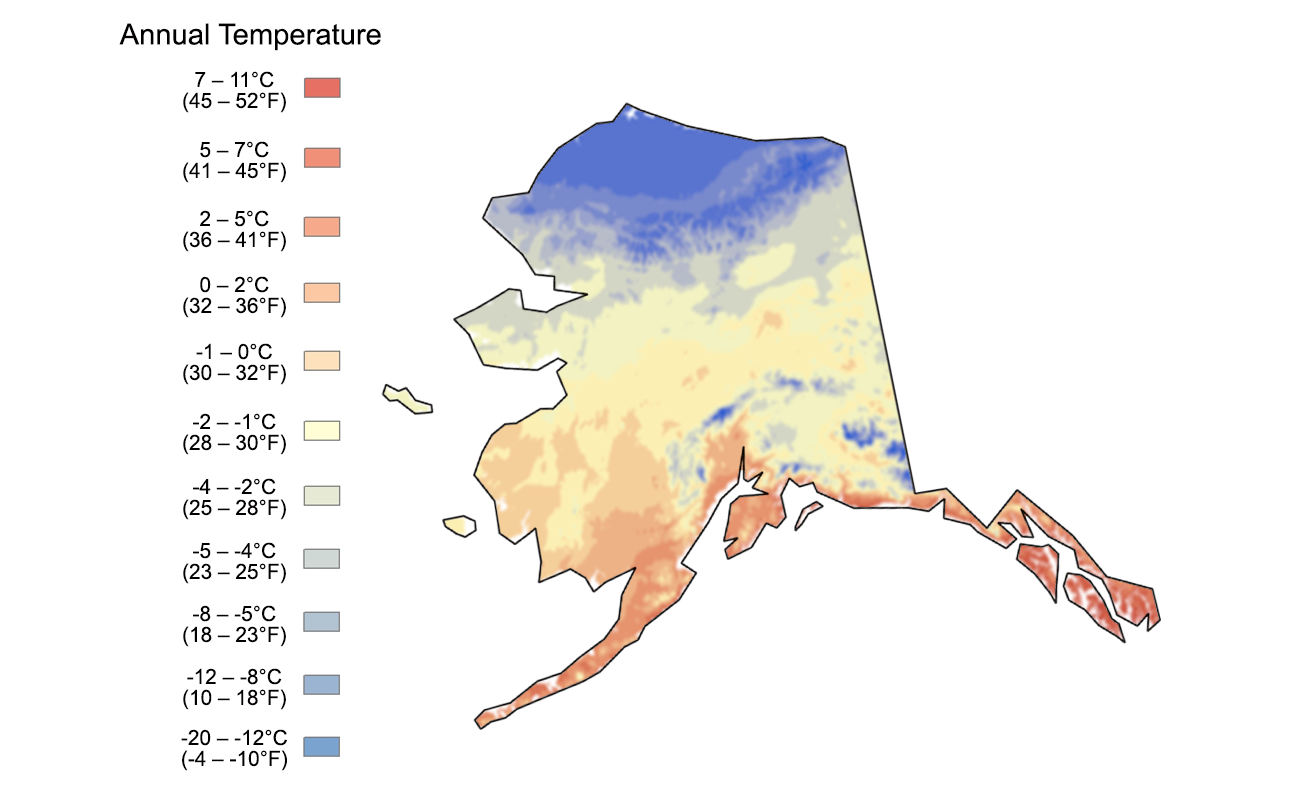
Interior Alaska, encompassing cities like Fairbanks, Denali National Park, and much of the vast wilderness between the mountain ranges, experiences a continental climate with the most extreme temperature variations.
Interior and Arctic Alaska
This is where you’ll find the quintessential Alaskan experience of severe cold in winter and surprisingly warm days in summer.
- Winter (December – February): This is the season of extreme cold. Average daytime temperatures in Fairbanks can plunge to -10°F to -20°F (-23°C to -29°C), with nighttime temperatures frequently dropping to -30°F (-34°C) and below. On exceptionally cold days, temperatures can reach -50°F (-45°C) or even colder. This is the prime time for experiencing the Aurora Borealis in its full glory, and for engaging in winter activities like dog sledding or exploring the frozen landscapes. Staying at a warm lodge like the Borealis Basecamp is essential.
-
Spring (March – May): Spring is a transitional period. March can still be very cold, but temperatures gradually rise. By May, daytime temperatures can reach the 50s and 60s Fahrenheit (10°C to 20°C), although frost is still possible. The snow begins to melt, revealing the tundra, and daylight hours increase dramatically.
-
Summer (June – August): Summer in the Interior is surprisingly warm, with average daytime temperatures ranging from 65°F to 75°F (18°C to 24°C). It’s not uncommon for temperatures to exceed 80°F (27°C) on warm days. The midnight sun bathes the landscape in daylight for nearly 24 hours, offering ample time for exploring national parks like Denali National Park or taking scenic drives. This is the ideal season for hiking, wildlife viewing, and experiencing the vibrant, albeit brief, summer bloom.
-
Autumn (September – November): Fall brings a crisp chill to the air, with temperatures dropping rapidly after September. Early September can still see pleasant days in the 50s Fahrenheit (10°C), but by November, average temperatures are back in the 20s and 30s Fahrenheit (-6°C to 2°C). The fall colors are spectacular, and the first snowfalls often begin in October.
Southcentral Alaska: A Transition Zone
Southcentral Alaska, including Anchorage, Palmer, and Valdez, bridges the gap between the milder coast and the extreme interior.
-
Winter (December – February): Winters here are cold but generally less severe than in the Interior. Average temperatures range from 0°F to 20°F (-18°C to -6°C). Snowfall is abundant, making it a popular destination for winter sports. Anchorage offers a blend of urban amenities and access to snowy adventures.
-
Spring (March – May): Spring sees a gradual warming, with temperatures rising from the 30s and 40s Fahrenheit (0°C to 9°C) in March to the 50s and 60s Fahrenheit (10°C to 20°C) by May. Snowmelt occurs, and the landscape begins to green.
-
Summer (June – August): Summers are pleasantly warm, with average daytime temperatures between 60°F and 70°F (15°C to 21°C). These are ideal conditions for outdoor activities and exploring the region’s natural beauty.
-
Autumn (September – November): Fall brings cooler temperatures, with averages dropping from the 40s and 50s Fahrenheit (4°C to 15°C) in September to the 20s and 30s Fahrenheit (-6°C to 2°C) in November. The fall foliage is beautiful, and the first significant snowfalls typically occur in October.
Planning Your Alaska Adventure: Temperature Considerations
Understanding these climatic variations is paramount for planning a successful trip to Alaska, regardless of your interests or travel style. Whether you’re dreaming of witnessing the ethereal dance of the Aurora Borealis, embarking on a thrilling glacier hike, or enjoying the vibrant culture of Juneau, the temperature will significantly influence your experience.
Dressing for the Elements: Layering is Key
No matter the season or region, Alaska demands a strategic approach to clothing. The golden rule is layering.
- Base Layer: Moisture-wicking materials like merino wool or synthetics are essential to keep you dry from sweat.
- Mid Layer: Fleece or down jackets provide insulation and warmth.
- Outer Layer: A waterproof and windproof shell is crucial for protection against rain, snow, and wind, especially in coastal areas and during the shoulder seasons.
Even in summer, temperatures can fluctuate wildly, and it’s wise to pack a warm hat, gloves, and a scarf. For winter travel, insulated boots, thermal base layers, and heavy parkas are non-negotiable. Consider the activities you plan to undertake; hiking in Denali National Park in summer requires different attire than dog sledding near Fairbanks in winter.
Choosing the Best Time to Visit Alaska
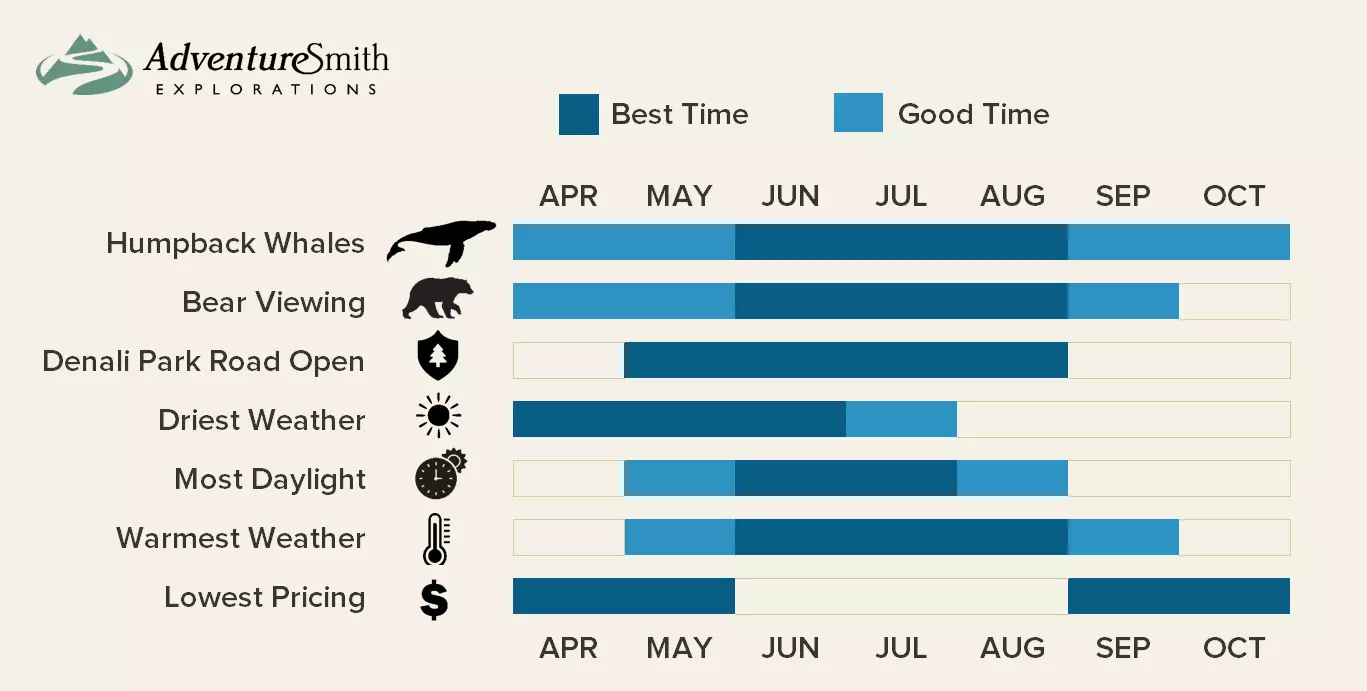
The “best” time to visit Alaska is entirely subjective and depends on what you want to see and do.
-
Summer (June – August): This is the most popular time, offering the warmest temperatures, longest daylight hours, and access to most attractions and activities. It’s ideal for wildlife viewing, hiking, fishing, and exploring national parks. However, it’s also the busiest and most expensive season.
-
Spring (April – May): A shoulder season that offers a transition from winter to summer. You can still experience snow-related activities in early spring, while later spring brings blooming wildflowers and increasing daylight. Prices may be more affordable than in summer.
-
Autumn (September – October): Known for its stunning fall foliage and the return of the Aurora Borealis to the night skies. Temperatures are cooler, and crowds diminish, offering a more peaceful experience.
-
Winter (November – March): For those who thrive in the cold and seek the magic of the Northern Lights, winter is the time to go. It’s perfect for winter sports, experiencing the Alaskan Malamute culture, and enjoying the stark, beautiful winter landscapes. Accommodation like the Mushers Camp offers unique winter stays.
Ultimately, the question “What temperature is it in Alaska?” is not a single answer but a spectrum of possibilities. By understanding the state’s diverse climates and planning accordingly, you can prepare for an incredible adventure in this truly wild and wondrous land. Whether you seek the warmth of a summer day or the crisp chill of a winter night, Alaska offers an unforgettable experience.
LifeOutOfTheBox is a participant in the Amazon Services LLC Associates Program, an affiliate advertising program designed to provide a means for sites to earn advertising fees by advertising and linking to Amazon.com. Amazon, the Amazon logo, AmazonSupply, and the AmazonSupply logo are trademarks of Amazon.com, Inc. or its affiliates. As an Amazon Associate we earn affiliate commissions from qualifying purchases.