
Alaska. The very name conjures images of untamed wilderness, colossal glaciers, and the raw power of nature. It’s a land of extremes, a place where the majestic meets the formidable. While its breathtaking beauty draws millions of visitors each year, the question often arises: “Why is Alaska so dangerous?” This isn’t a question born of mere sensationalism, but rather a recognition that this vast, wild frontier presents unique challenges that travelers must be aware of and prepared for. From the frigid temperatures and unpredictable weather to the presence of formidable wildlife and the sheer remoteness, Alaska demands respect.
Understanding the perceived dangers of Alaska isn’t about deterring intrepid travelers, but rather about equipping them with the knowledge to navigate this magnificent state safely and responsibly. This exploration delves into the multifaceted aspects that contribute to Alaska’s reputation as a challenging destination, covering everything from environmental hazards to the nuances of travel and accommodation, all while highlighting the incredible experiences that await those who venture north.
Navigating the Environmental Extremes
The most prominent “danger” in Alaska is intrinsically tied to its environment. This is a state defined by its vastness and its natural forces, which can be both awe-inspiring and perilous.
Harsh Climate and Weather Patterns
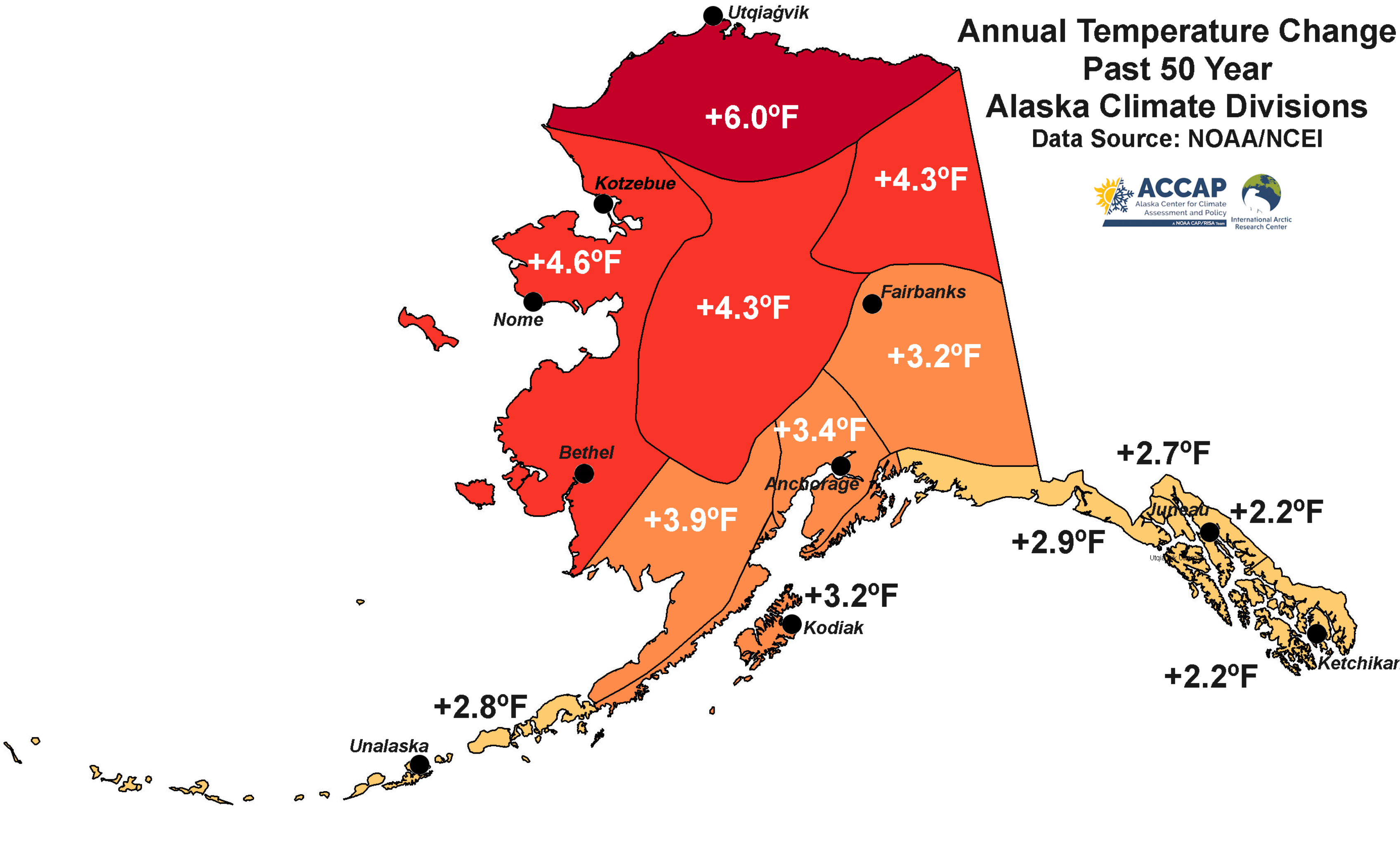
The sheer cold is perhaps the most immediate and well-known danger. Alaska experiences some of the most extreme winter conditions in the world. Temperatures in interior and northern Alaska can plummet to well below -40°C (-40°F), and with wind chill, these temperatures can feel even more severe. Hypothermia and frostbite are serious risks for anyone unprepared or caught in an unexpected cold snap. Even in summer, temperatures can be surprisingly cool, especially at higher elevations or along the coast.
Beyond the cold, Alaska’s weather is notoriously unpredictable. What might start as a clear, sunny day can quickly transform into a blizzard or a torrential downpour. Fog is a common hazard, particularly in coastal areas, significantly reducing visibility for pilots, boaters, and drivers. The rapid changes in weather can catch even experienced individuals off guard, leading to difficult travel conditions and potential emergencies. For those venturing into the backcountry, like exploring Denali National Park or hiking near Juneau, having appropriate gear for all possible conditions is not just a recommendation, it’s a necessity.
Remote Wilderness and Limited Infrastructure
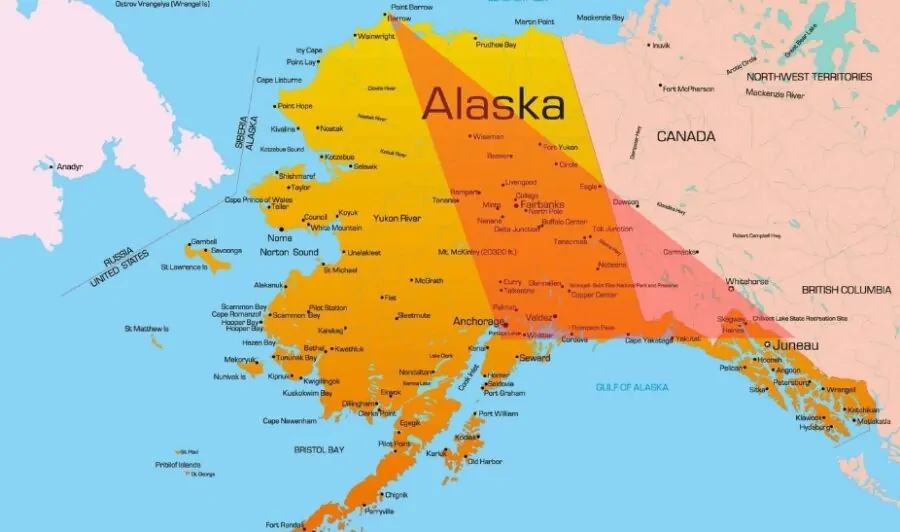
Alaska is the largest state in the United States by area, yet it has a sparse population. This means vast expanses of wilderness with very little human infrastructure. If you find yourself in trouble in a remote area, help can be hours or even days away. Cell service is often non-existent outside of major population centers like Anchorage or Fairbanks. This remoteness amplifies the risks associated with any mishap. A simple sprained ankle can become a life-threatening situation if you are miles from any road or settlement.
The limited road network further contributes to this sense of isolation. While the Alaska Highway connects Alaska to the contiguous United States, much of the state’s interior and its more remote corners are accessible only by bush plane or boat. This dependence on specialized transportation adds another layer of complexity and potential risk, especially during adverse weather. When planning travel to destinations like the Kenai Peninsula or venturing to places like the Arctic National Wildlife Refuge, understanding the logistical challenges and ensuring reliable communication and transportation is paramount.
Natural Hazards and Geological Activity
Alaska is a geologically active region, situated on the Pacific Ring of Fire. This means earthquakes are a regular occurrence. While most are minor, significant seismic events can occur, posing risks to infrastructure and individuals. The state also experiences volcanic activity, though eruptions are infrequent and usually impact remote areas.
Tsunamis are another potential hazard, particularly for coastal communities. While the risk is lower than in some other Pacific Rim countries, it’s a factor that emergency planners and residents of coastal towns like Valdez take seriously. Avalanches are a significant danger in mountainous regions during winter and spring, affecting both skiers and mountaineers. Hikers and adventurers exploring areas such as the Chugach Mountains need to be acutely aware of avalanche forecasts and conditions.
Wildlife Encounters: Majestic but Potentially Dangerous
Alaska is renowned for its abundant and diverse wildlife, a major draw for tourists. However, these magnificent creatures also represent a potential danger if encounters are not handled with respect and caution.
Bears: The Icons of Alaskan Wilderness
The most talked-about wildlife concern is undoubtedly bears. Alaska is home to both black bears and the formidable grizzly bears (a subspecies of brown bear). While bears generally prefer to avoid humans, they can become aggressive if surprised, cornered, or if they perceive a threat to themselves or their cubs. Encounters can happen anywhere, from the popular trails of Denali National Park to more remote camping spots.
It’s crucial for visitors to understand bear safety protocols. This includes making noise while hiking to avoid surprising them, carrying bear spray and knowing how to use it, storing food properly in bear-resistant containers, and never approaching or feeding bears. While attacks are rare, they can be severe. The key is to be aware, prepared, and to give wildlife plenty of space.
Other Wildlife Considerations
Beyond bears, other animals can pose risks. Moose, though often seen as docile herbivores, are incredibly powerful and can be dangerous, especially during the mating season (fall) or when protecting their young. They have been known to charge vehicles and people. Alaska’s waters are home to marine mammals like orcas and sea lions, which are best admired from a safe distance. Even seemingly harmless animals can carry diseases. It’s always wise to maintain a healthy respect for all of Alaska’s wildlife and to never attempt to feed or interact with them.
Travel and Accommodation: Navigating the Practicalities
The practical aspects of travel and accommodation in Alaska also contribute to the perceived dangers, primarily due to the logistical challenges and the need for meticulous planning.
Transportation Challenges
Getting around Alaska can be more complex than in other destinations. As mentioned, road access is limited. For many popular tourist experiences, such as visiting the Aurora Borealis near Fairbanks or exploring the remote beauty of Ketchikan, specialized transportation is required. Bush planes are vital for reaching remote lodges and communities, and these flights are heavily dependent on weather conditions. A flight scheduled for one day might be delayed or canceled due to fog or wind, impacting itineraries and potentially stranding travelers.
Driving in Alaska, while offering freedom, comes with its own set of hazards. Roads can be unpaved, narrow, and winding, especially in mountainous areas or along the coast. Wildlife crossings are common, and drivers must be vigilant. Winter driving presents extreme challenges with ice, snow, and limited visibility. Rental cars often come with limitations on where they can be driven, and it’s essential to understand these restrictions. Planning routes, checking road conditions, and having emergency supplies in the vehicle are crucial for safe road travel. Even popular tourist routes like the drive from Anchorage to Seward require careful attention.
Accommodation and Safety
When it comes to accommodation, Alaska offers a wide range, from luxurious resorts like the Alyeska Resort in Girdwood to rustic cabins and campsites. While most accommodations are safe and well-managed, the remoteness can sometimes mean that services are basic, and emergency response times can be longer than in more populated areas.
For those seeking unique experiences, staying in remote lodges or cabins, perhaps near Homer or on the Kenai Peninsula, offers unparalleled access to nature. However, these places often have limited staff and resources, so guests are expected to be self-sufficient and follow safety guidelines provided by the host. Travelers should always research their accommodation options, read reviews, and be aware of the amenities and services offered, especially regarding communication and emergency procedures. Booking in advance is highly recommended, especially during peak tourist season, as options can be limited.
Conclusion: Respect, Preparation, and the Reward
So, why is Alaska so dangerous? The answer lies not in an inherent malevolence of the land or its inhabitants, but in its raw, untamed nature and the remoteness that defines it. The extreme climate, unpredictable weather, vast wilderness, and formidable wildlife all present challenges that require respect, understanding, and thorough preparation.
However, for those willing to embrace these challenges, the rewards are immeasurable. The awe-inspiring landscapes, the unique wildlife encounters, and the profound sense of adventure that Alaska offers are unparalleled. The “danger” is, in many ways, a testament to its wildness, a reminder that this is a place where nature still reigns supreme.
By heeding the advice on safe travel, understanding the environmental factors, respecting the wildlife, and planning accommodation and transportation meticulously, visitors can mitigate the risks and fully immerse themselves in the extraordinary beauty and experience of Alaska. It’s a destination that demands a higher level of awareness and preparedness, but for those who answer its call, Alaska offers a journey of a lifetime, a true adventure off the beaten path.
LifeOutOfTheBox is a participant in the Amazon Services LLC Associates Program, an affiliate advertising program designed to provide a means for sites to earn advertising fees by advertising and linking to Amazon.com. Amazon, the Amazon logo, AmazonSupply, and the AmazonSupply logo are trademarks of Amazon.com, Inc. or its affiliates. As an Amazon Associate we earn affiliate commissions from qualifying purchases.