
As California stands on the cusp of 2025, the looming question of how the next major wildfire might ignite isn’t a matter of if, but often, when. This vibrant state, a magnet for travelers seeking everything from the glitz of Los Angeles to the serene beauty of its national parks, faces a perennial challenge: the increasing frequency and intensity of wildfires. For those planning travel or considering accommodation in the Golden State, understanding the multifaceted origins of these blazes is crucial. It’s a complex tapestry woven from natural conditions, human activity, and the undeniable threads of a changing climate. While pinpointing the exact spark for a future event like “the California fire of 2025” is impossible, we can analyze the patterns, the vulnerabilities, and the proactive measures being taken to safeguard both residents and the invaluable tourism industry that defines so much of the state’s lifestyle.
Understanding California’s Vulnerability: The Recurring Cycle
The narrative of California wildfires is one of persistent environmental conditions amplified by various factors. The state’s unique geography, characterized by long, dry summers and a diverse topography ranging from dense forests to chaparral-covered hillsides, creates an ideal environment for fire ignition and rapid spread. Every year, as the landscape dries out after the spring rains, it becomes a tinderbox, susceptible to a myriad of ignition sources. For the millions who flock to its destinations, from the historic streets of San Francisco to the iconic Yosemite National Park, this underlying vulnerability shapes the entire travel experience.
Natural Factors and Climate Change
One of the most significant contributors to California’s fire risk is its natural climate cycle. Prolonged periods of drought are now more common and intense, leaving vegetation critically dry and primed to burn. These conditions are often exacerbated by the infamous Santa Ana winds in the south and Diablo winds in the north, which can carry embers for miles, transforming small fires into massive infernos within hours. These winds also strip moisture from the landscape, further drying out fuels.
The undeniable impact of climate change looms large over this natural cycle. Rising global temperatures contribute to hotter, drier conditions, extending the fire season and increasing the likelihood of extreme fire behavior. This means that fires not only start more easily but also burn with greater intensity, making them harder to contain. For tourists and locals alike, this translates to a growing awareness of air quality issues, especially in popular travel corridors and major urban centers. Resorts and hotels in areas like Napa Valley or near Lake Tahoe are increasingly integrating air purification systems and providing real-time air quality updates as part of their amenity offerings, acknowledging the new reality of California tourism.
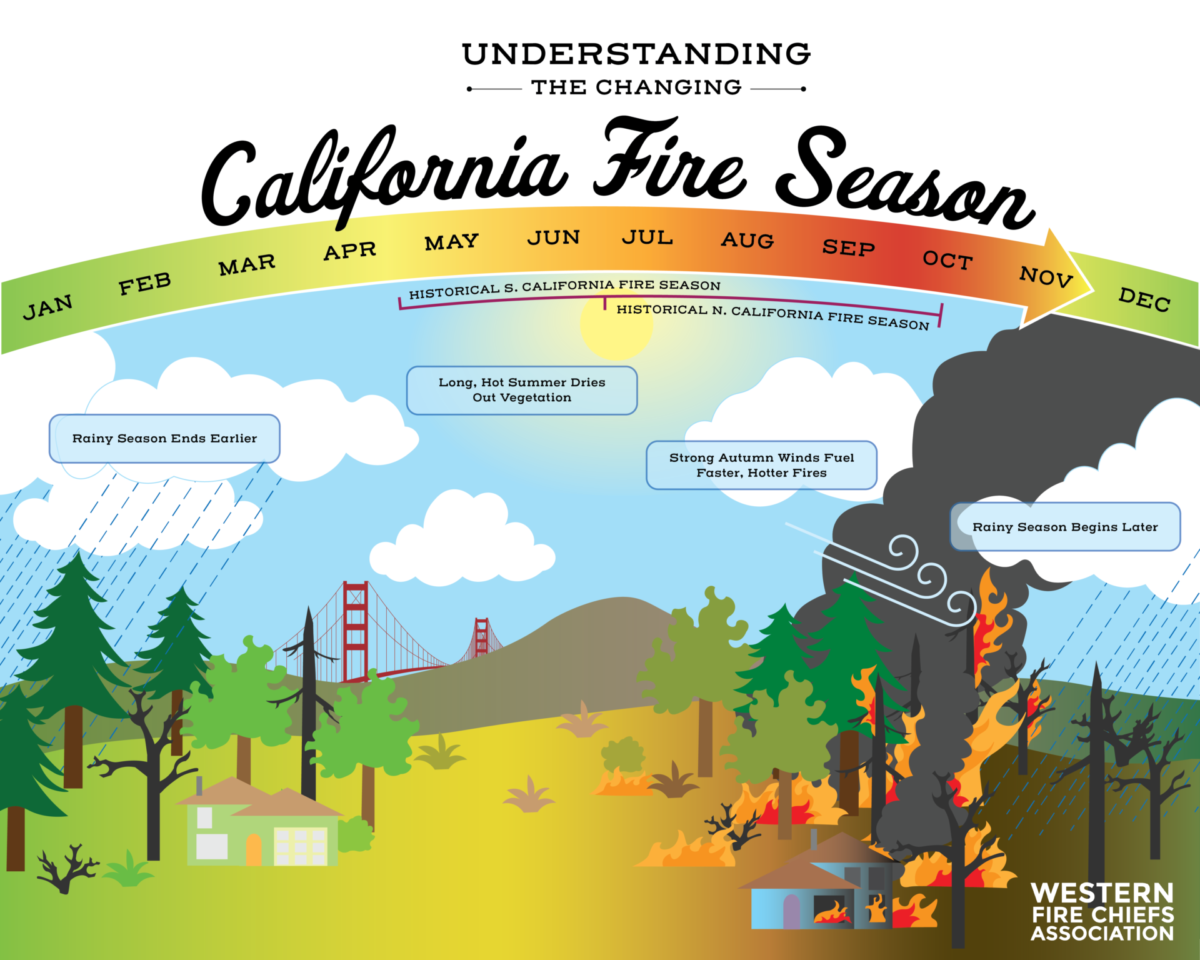
Human Ignition Sources
While natural factors set the stage, human activity remains the most frequent cause of wildfire ignition in California. According to CalFire data, a vast majority of fires are human-caused. The specific triggers are varied and often unintentional, yet devastating in their consequences.
Faulty Infrastructure: Aging electrical grids, particularly power lines in rural, heavily vegetated areas, have been responsible for some of the state’s most destructive fires. Strong winds can cause lines to snap, fall, or arc, igniting dry brush below. Utilities like PG&E in Northern California and Southern California Edison have invested billions in hardening their infrastructure, burying power lines, and implementing public safety power shutoffs during high-risk weather conditions. These preventative shutoffs, while necessary, can disrupt travel plans and impact accommodation operations, making reliable backup power a crucial feature for many hotels and resorts.
Recreational Activities: Campfires, discarded cigarettes, fireworks, and even sparks from off-road vehicles can easily ignite dry vegetation. As millions visit California’s vast natural landmarks and national parks, the risk associated with human presence increases. National parks like Sequoia National Park and Joshua Tree National Park often implement strict fire restrictions during peak fire season, impacting the visitor experience but crucial for preservation.
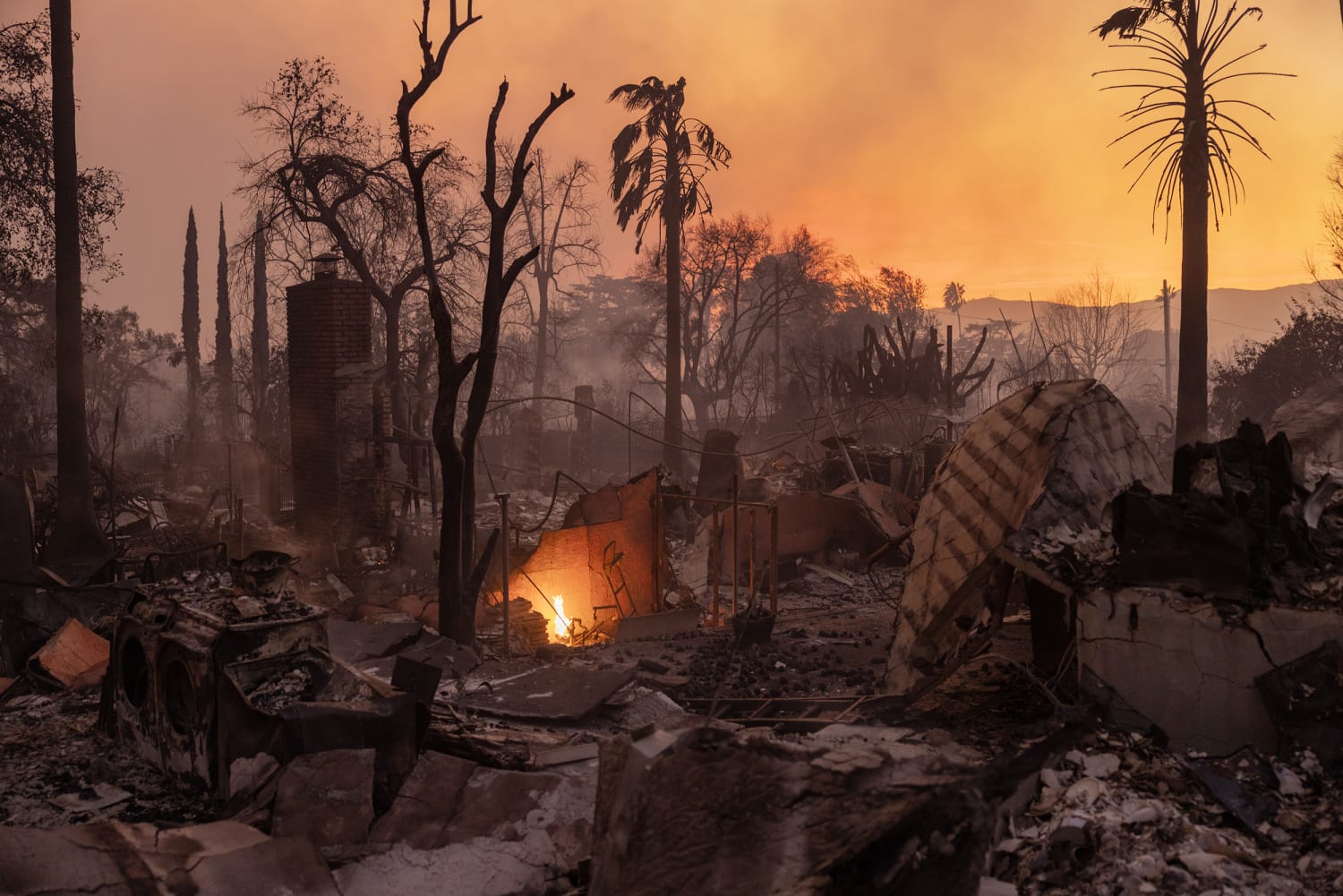
Arson: Sadly, a percentage of wildfires are intentionally set. While less common than accidental ignitions, these acts of arson can be particularly challenging to predict and prevent, posing a direct threat to communities and natural areas.
Equipment Malfunctions and Miscellaneous Sparks: Vehicle accidents, sparks from machinery used in agriculture or construction, and even lawnmowers striking rocks can generate the heat needed to start a fire. Every year, a small but significant number of fires originate from seemingly innocuous events, underscoring the fragility of the dry landscape.
The Tourism Landscape in a Fire-Prone California
The ever-present threat of wildfires casts a long shadow over California’s booming tourism sector. The state’s appeal lies in its diverse beauty and vibrant culture, but fire events can dramatically alter or even halt travel plans and impact the visitor experience. The impact is felt across various segments, from luxury resorts in wine country to quaint accommodations along the Pacific Coast Highway.
Impact on Destinations and Landmarks
When a fire ignites, its reach extends far beyond the immediate burn zone. Smoke plumes can travel hundreds of miles, affecting air quality in major urban centers like Los Angeles and San Diego, and impacting visibility in scenic areas. Popular landmarks and destinations like Napa Valley and Sonoma County, renowned for their vineyards and luxury hotels, have repeatedly faced the threat of fire, leading to vineyard damage, evacuations, and significant drops in tourism revenue. Iconic natural attractions such as Yosemite National Park, Sequoia National Park, and Redwood National Park have experienced closures, impacting thousands of travelers who planned to visit these UNESCO World Heritage Sites.
Coastal gems like Big Sur and Malibu, while stunning, are also highly vulnerable due to their proximity to dry hillsides. Fires here not only threaten upscale resorts and private villas but can also force road closures, cutting off access to entire regions and disrupting critical travel routes. Even family-friendly attractions like Disneyland in Anaheim or the entertainment hub of Hollywood can experience a downturn in attendance if air quality becomes poor or if travel advisories are issued for the broader region.
Accommodation Challenges and Resilience
The accommodation sector bears a direct and often immediate impact during wildfire events. Hotels, resorts, apartments, and villas in affected areas face:
- Evacuations: Mandated evacuations can force guests and staff to leave, resulting in immediate revenue loss and logistical challenges.
- Cancellations: Travelers often cancel bookings in areas even tangentially affected by smoke or perceived risk, leading to widespread cancellations across regions.
- Damage or Destruction: In the worst-case scenarios, properties can be damaged or completely destroyed, leading to immense losses and lengthy rebuilding processes.
Despite these challenges, the California hospitality industry has shown remarkable resilience. Many hotels and resorts now have comprehensive emergency plans, including clear evacuation procedures and communication strategies. Some properties even serve as temporary shelters for evacuees or first responders, showcasing their role as vital community pillars. Post-fire, the industry often plays a crucial role in economic recovery, enticing travelers back to support local businesses and demonstrate the region’s enduring appeal. This resilience is a testament to the lifestyle and community spirit that defines many California destinations.
Shifting Travel Patterns and Visitor Experiences
Wildfires are prompting a subtle but significant shift in travel patterns and visitor expectations. Travelers are becoming more informed, often checking fire maps and air quality indexes before and during their trips. There’s a growing emphasis on flexibility in booking, with travelers seeking lenient cancellation policies or travel insurance that covers fire-related disruptions.
The visitor experience itself can be transformed. What might have been a scenic drive through Sonoma County wine country could be marred by hazy skies, or a planned hike in Mendocino County might be rerouted due to trail closures. Responsible tourism is gaining traction, with visitors showing a greater understanding of fire safety guidelines and a desire to support local communities in their recovery efforts. This includes seeking out accommodation and experiences that demonstrate environmental consciousness and community support.

Mitigating Risks and Building a Resilient Future for California Travel
Addressing the question of “How Did The California Fire Start 2025?” also requires looking forward – at the preventative measures and technological advancements aimed at reducing fire risk and building a more resilient state for both residents and travelers. California is a global leader in innovation, and this extends to its approach to wildfire management.
Proactive Measures and Preparedness
State agencies, local communities, and private entities are engaged in extensive efforts to reduce fire risk. This includes:
- Forest and Land Management: Strategic prescribed burns, aggressive fuel reduction programs (thinning dense vegetation, removing dead trees), and creating defensible space around homes and communities are critical. These efforts aim to reduce the amount of combustible material that fuels large fires, particularly in areas near popular landmarks and residential zones.
- Infrastructure Upgrades: Utility companies continue to invest heavily in upgrading their electrical grids, incorporating advanced sensors, fire-resistant poles, and undergrounding lines in high-risk areas. These investments aim to eliminate a significant source of ignition.
- Community-Level Planning: Local governments in areas like Monterey, Carmel-by-the-Sea, and Palm Springs are implementing stricter building codes, developing comprehensive evacuation plans, and conducting public awareness campaigns to educate residents and visitors on fire safety. Many hotels are also integrating these safety protocols into their guest information.
Traveler Preparedness and Safety
For anyone planning a trip to California, being informed and prepared is paramount.
- Stay Informed: Monitor official sources like CalFire and local emergency services websites for real-time fire updates, air quality alerts, and road closures. Many accommodation providers also provide localized information.
- Flexible Bookings & Insurance: Consider booking accommodations with flexible cancellation policies and investing in comprehensive travel insurance that covers natural disaster-related disruptions.
- Have an Evacuation Plan: If traveling through high-risk areas, understand local evacuation routes and be prepared to leave quickly if advised. Many hotels will have procedures in place to assist guests.
- Practice Fire Safety: Be mindful of campfires, cigarettes, and any activities that could spark a blaze, especially when exploring national parks like Death Valley National Park or engaging in outdoor lifestyle activities.
The Role of Technology in Early Detection and Response
Technology is playing an increasingly vital role in predicting and combating wildfires.
- Satellite Monitoring and AI: Advanced satellite imagery, coupled with artificial intelligence, can detect nascent fires almost immediately, allowing for faster deployment of resources.
- Sensor Networks: Networks of ground-based sensors and high-definition cameras strategically placed in high-risk areas provide continuous monitoring, especially during periods of high wind and low humidity.
- Predictive Modeling: Sophisticated weather and fuel models help forecast fire behavior, allowing incident commanders in cities like Sacramento to pre-position resources and issue timely warnings. This is critical for protecting communities and minimizing the impact on travel routes and landmarks.
The integration of these technologies into wildfire management strategies is not just about fighting fires; it’s about safeguarding California’s natural beauty, its vibrant cities, and its reputation as a premier travel destination. It’s about ensuring that the question “How did the California fire start 2025?” is met with a swift, effective response that minimizes disruption to tourism and life.
Ultimately, the precise answer to how the California fire starts in 2025 will remain unknown until it happens. However, what is clear is that the state is engaged in a continuous, multi-faceted effort to understand, prevent, and respond to these events. For those considering travel to California, this ongoing commitment to safety and resilience ensures that its breathtaking landmarks, diverse destinations, and world-class accommodation options will continue to inspire and welcome visitors for years to come, even amidst the ongoing challenges of a fiery landscape. Responsible tourism and an informed approach will empower every traveler to enjoy the Golden State safely and contribute to its enduring allure.
LifeOutOfTheBox is a participant in the Amazon Services LLC Associates Program, an affiliate advertising program designed to provide a means for sites to earn advertising fees by advertising and linking to Amazon.com. Amazon, the Amazon logo, AmazonSupply, and the AmazonSupply logo are trademarks of Amazon.com, Inc. or its affiliates. As an Amazon Associate we earn affiliate commissions from qualifying purchases.