
When one conjures images of the American Southwest, particularly Arizona, the mind often drifts to sun-drenched landscapes, towering saguaros, and a perpetual state of warmth. Tucson, nestled in the heart of the Sonoran Desert, embodies this very essence for many travelers. It’s a city renowned for its vibrant culture, breathtaking desert vistas, and an almost guaranteed abundance of sunshine. So, when the question “Does it snow in Tucson, Arizona?” arises, it might seem a touch paradoxical. Yet, the answer, like much of the Arizona experience, is nuanced and perhaps more interesting than a simple yes or no.
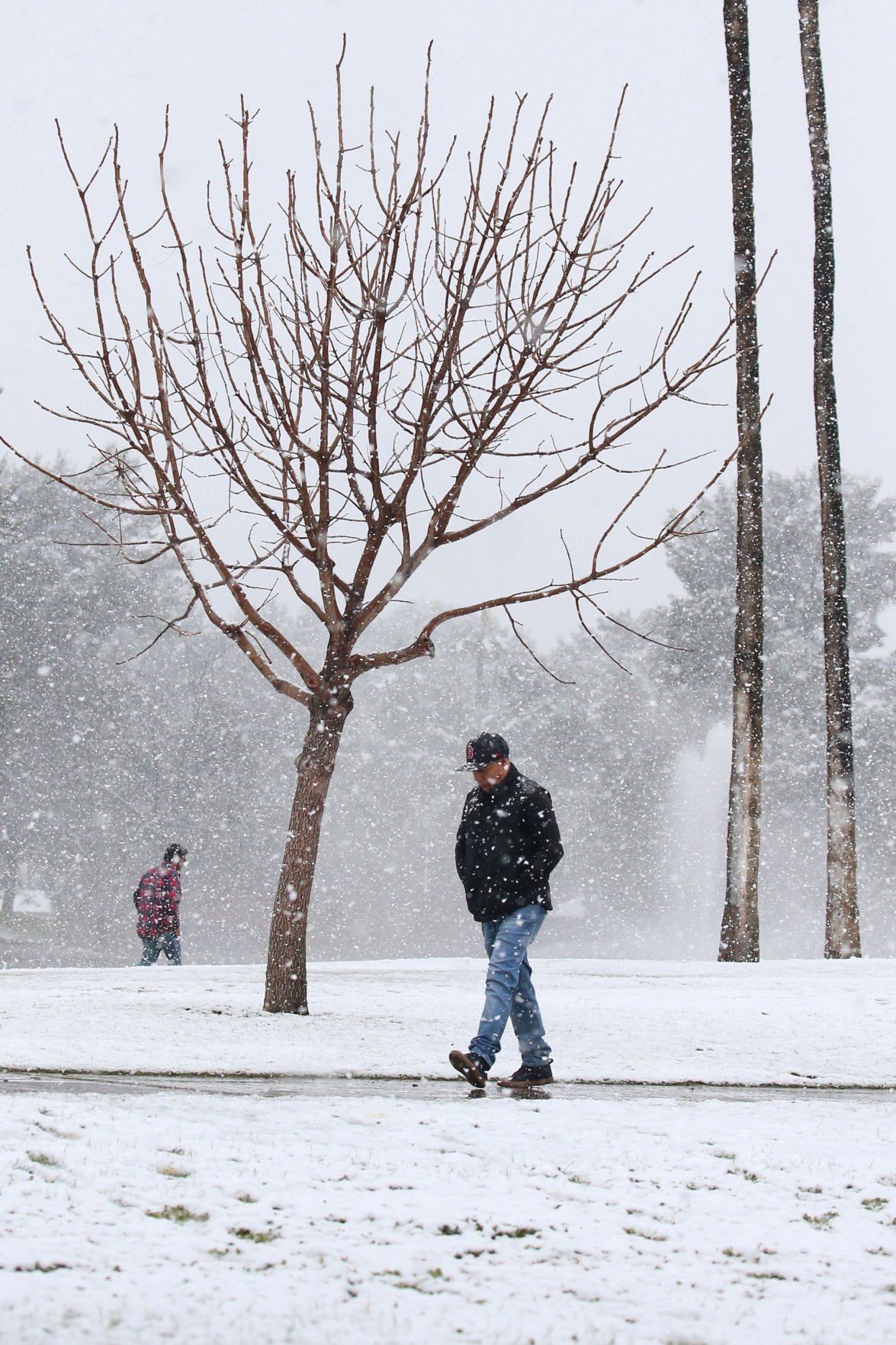
While Tucson is undeniably a desert city, its geographical location and elevation play crucial roles in determining its precipitation patterns, including the infrequent but not entirely impossible occurrence of snowfall. Understanding this requires a look beyond the immediate desert floor and into the surrounding mountain ranges that frame the city.
The Desert Climate: A Foundation of Warmth
Tucson boasts a quintessential hot desert climate, characterized by intensely hot summers and mild winters. The average annual temperature hovers around a comfortable 70 degrees Fahrenheit (21 degrees Celsius), with summer highs routinely exceeding 100 degrees Fahrenheit (38 degrees Celsius). This is the Tucson that most visitors and residents know and love – a place where outdoor adventures are a year-round possibility, from hiking in Saguaro National Park to exploring the historic charm of Downtown Tucson.
The monsoon season, typically from June to September, brings much-needed relief from the heat in the form of dramatic thunderstorms. These storms, while often intense, are primarily characterized by heavy rain, lightning, and sometimes hail, rather than snow. The sheer heat of the ground and lower atmosphere during these periods makes sustained snowfall highly unlikely.
However, the desert is a vast and varied ecosystem, and Tucson is by no means an isolated oasis. Its location at the base of the Santa Catalina Mountains and its proximity to other ranges like the Rincon Mountains and the Tucson Mountains introduce an element of elevation that is key to understanding its winter weather.
Winter Weather Patterns: A Tale of Two Elevations
During the winter months, generally from December through February, Tucson experiences its coolest temperatures. While the city itself typically remains above freezing, the higher elevations surrounding it can indeed receive snowfall. The Santa Catalina Mountains, which rise dramatically to over 9,000 feet (2,700 meters) at their peak, are a prime example.
These mountain peaks are significantly cooler than the desert floor. When winter storms move through the region, they can bring freezing temperatures and precipitation to these higher altitudes. This means that while the residents of Tucson might be enjoying mild, sunny days with temperatures in the 60s Fahrenheit (15-20 degrees Celsius), hikers or residents of communities located in the higher reaches of the mountains could be experiencing a winter wonderland.
Mount Lemmon: The Snow-Kissed Neighbor
The most prominent example of this phenomenon is Mount Lemmon. This is the highest point in the Santa Catalina Mountains and is home to the Sky Island region and the Mount Lemmon Ski Valley. The Mount Lemmon Ski Valley is Arizona‘s southernmost ski resort, a testament to the fact that it snows at higher elevations around Tucson.
During a typical winter, Mount Lemmon can receive substantial amounts of snow, sometimes accumulating to several feet. This allows for skiing, snowboarding, and other winter sports. The drive up Catalina Highway (also known as the Sky Island Scenic Byway) from Tucson to Mount Lemmon is a remarkable journey, showcasing a dramatic shift in climate and vegetation. You can start in the hot desert and end up in a cool, pine-forested alpine environment, often with snow on the ground.
For Tucson residents and visitors, a trip to Mount Lemmon during a snowfall offers a unique opportunity to experience winter without leaving the general Tucson area. It’s a striking contrast that highlights the diverse microclimates present within the state of Arizona.
How Often Does It Snow in the City Itself?
Now, to address the core of the question: how often does it snow in Tucson, meaning at the lower elevations within the city limits? The answer is: rarely.
Official records indicate that measurable snowfall in Tucson is an infrequent event. When it does occur, it is typically very light and often melts within a few hours of accumulation. These instances are usually the result of a confluence of factors: a potent winter storm system moving through the region, combined with a rare dip in temperatures low enough to allow freezing precipitation at lower altitudes.
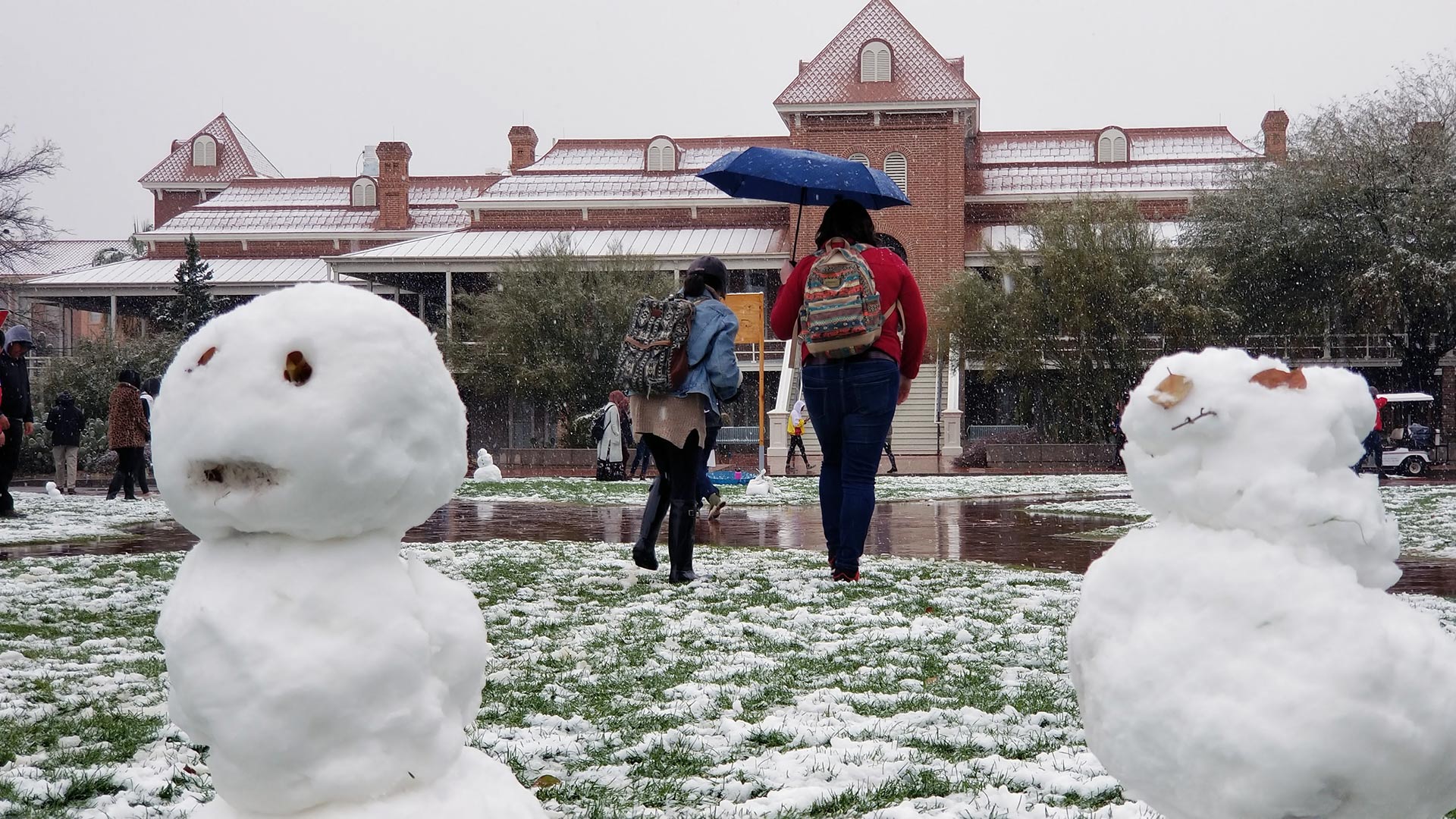
The most significant snowfall events in Tucson‘s recorded history are few and far between. For instance, a notable snowfall occurred in December 1980, leaving a dusting across the city. Another event in January 1998 brought a few inches of snow, causing some disruption but also a great deal of excitement and a flurry of camera phones capturing the unusual sight. More recently, in February 2019, Tucson experienced a light dusting of snow that was widely celebrated.
These events are often considered historic by locals and are talked about for years afterward. They are exceptions to the rule, rather than the norm. Most winters will pass with Tucson experiencing only cold temperatures and perhaps occasional frost, but no snow.
Experiencing Tucson’s Winter Wonders
For travelers planning a trip to Tucson during the winter months, understanding these weather patterns is key to setting expectations.
-
For Sunshine Seekers: If your primary goal is to escape colder climates and enjoy mild, sunny days, Tucson in winter is an excellent choice. You can explore historical sites like the Mission San Xavier del Bac, enjoy the vibrant arts scene, or take scenic drives without the threat of snow or ice. The city offers a plethora of accommodation options, from luxurious resorts like the Loews Ventana Canyon Resort to more budget-friendly hotels, catering to all travel styles, whether you’re on a luxury travel adventure or a more budget-conscious family trip.
-
For the Snow Enthusiast: If you are hoping to see snow, plan a winter trip to Tucson with the specific intention of visiting Mount Lemmon. Check the weather forecasts for the higher elevations diligently. Snowfall at the ski resort doesn’t guarantee snow in the city, and vice-versa. Many families opt for day trips to Mount Lemmon from their Tucson accommodations to experience both the desert and alpine environments. Remember to check road conditions, as Catalina Highway can close temporarily during heavy snow.
-
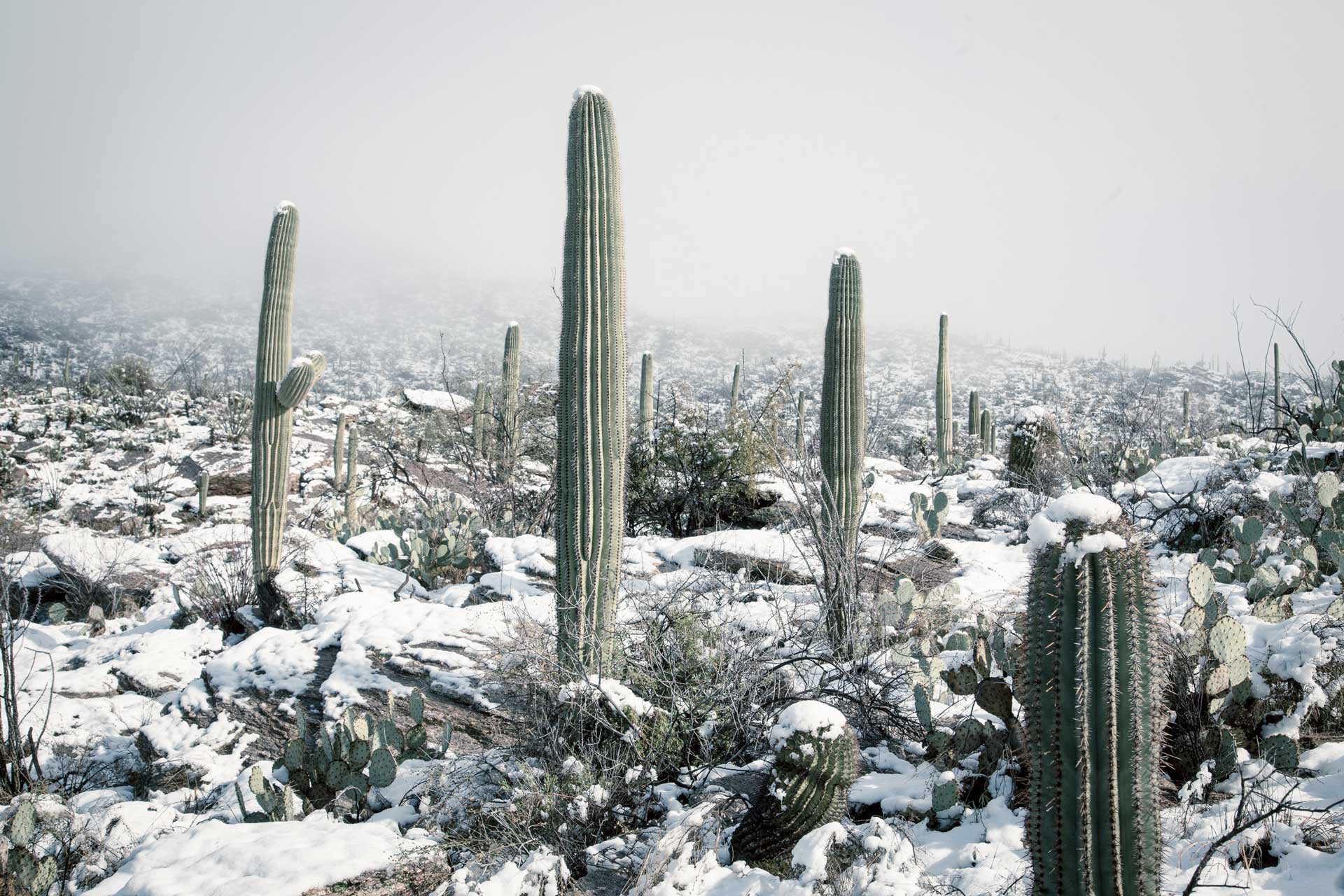
Embracing the Unexpected: Even if snow in the city isn’t common, Tucson winters offer a unique charm. The desert landscape takes on a different hue, and the cooler temperatures make outdoor activities even more pleasant. You can visit Saguaro National Park West or East and experience the saguaros silhouetted against a crisp blue sky. The Tucson Gem and Mineral Show, one of the largest in the world, often takes place in February, drawing enthusiasts from across the globe.
The answer to “Does it snow in Tucson, Arizona?” is ultimately yes, but with a significant caveat. While the city itself experiences snowfall very rarely, the surrounding mountains, particularly Mount Lemmon, are a reliable winter destination for snow. This duality is part of what makes Tucson and its surroundings so captivating – a place where desert heat and alpine chill can exist within a relatively short distance, offering a diverse range of experiences for every traveler. The magic of Tucson lies not just in its predictable sunshine, but also in the occasional, delightful surprise of a snowy peak in its mountainous backyard.
LifeOutOfTheBox is a participant in the Amazon Services LLC Associates Program, an affiliate advertising program designed to provide a means for sites to earn advertising fees by advertising and linking to Amazon.com. Amazon, the Amazon logo, AmazonSupply, and the AmazonSupply logo are trademarks of Amazon.com, Inc. or its affiliates. As an Amazon Associate we earn affiliate commissions from qualifying purchases.