
The vast expanse of the American Southwest offers a captivating tapestry of landscapes, cultures, and experiences. For many travelers, the question of “How far is Arizona to California?” is the crucial first step in planning an unforgettable journey. These two neighboring states, while sharing a border, present a remarkable diversity that beckons exploration. Whether you’re dreaming of the iconic beaches of Southern California, the majestic canyons of Arizona, or the vibrant energy of their respective cities, understanding the distances and travel options is key to unlocking your adventure.
The distance between Arizona and California is not a single, static figure. It’s a dynamic answer that hinges on your specific starting and ending points within these expansive states. Imagine traversing from the northern reaches of Arizona, perhaps near the Utah border, to the southern tip of California, or from a bustling metropolis like Phoenix to a coastal gem like San Diego. Each permutation yields a different mileage and travel time. This article will delve into the intricacies of this geographical query, providing comprehensive insights to help you navigate your way from the Grand Canyon State to the Golden State, covering popular routes, travel modes, and what you can expect along the way.
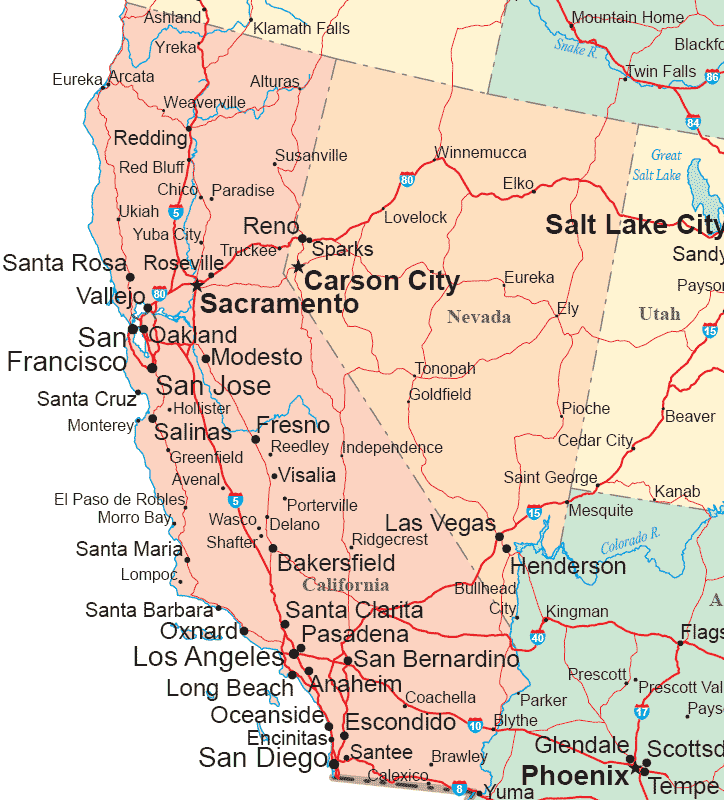
Bridging the Gap: Distance and Travel Time
The sheer size of both Arizona and California means that distances can vary significantly. To provide a clearer picture, let’s examine some common routes and their approximate travel times.
Key Border Crossings and Major Cities
The most direct routes often involve crossing the border at one of the well-established entry points. For instance, if you’re traveling from Phoenix, Arizona, to Los Angeles, California, the most common path takes you westward.
-
Phoenix to Los Angeles: This is a classic cross-state journey. The most direct route, primarily via I-10 West, covers approximately 370 miles. Driving time, without significant traffic or stops, is typically around 5.5 to 6.5 hours. However, it’s crucial to factor in the notorious traffic of the Los Angeles basin, which can add considerably to this time, especially during peak hours. This route allows for a relatively quick transition between the desert landscapes of Arizona and the urban sprawl and coastal allure of California.
-
Tucson to San Diego: Another popular corridor connects southern Arizona with the Southern California coast. Traveling from Tucson, Arizona, to San Diego, California, often involves heading west on I-8. This route spans about 440 miles, with a driving time of roughly 7 to 8 hours. This journey takes you through diverse terrain, from the Sonoran Desert to the mountains and eventually to the Pacific coastline.
-
Flagstaff to Las Vegas: While Las Vegas is technically in Nevada, it’s a common destination for those traveling from Northern Arizona, particularly near the Grand Canyon National Park. The drive from Flagstaff, Arizona, to Las Vegas, Nevada, is approximately 250 miles via US-93 North. This trip usually takes around 4 to 4.5 hours, making it a convenient option for a quick getaway from Arizona’s high country.
-
Northern Arizona (e.g., Page) to Southern California (e.g., Palm Springs): For those exploring the northern attractions of Arizona, like Lake Powell or Antelope Canyon, the journey to Southern California can be longer. Traveling from Page, Arizona, to Palm Springs, California, is a significant undertaking, covering over 400 miles and potentially taking 6 to 7 hours. This route often involves navigating through less populated areas before reaching the more developed regions of California.
Factors Influencing Travel Time
Several factors can significantly influence the actual time it takes to travel between Arizona and California:
- Traffic: As mentioned, major metropolitan areas in California, such as Los Angeles and San Diego, experience heavy traffic congestion, particularly during rush hours, weekends, and holidays. Planning your arrival or departure to avoid these times can save you hours.
- Road Conditions and Construction: While generally well-maintained, road construction or unexpected closures can cause delays on interstate highways. It’s always advisable to check real-time traffic updates before and during your journey.
- Stops and Detours: Most travelers don’t drive the entire distance without stopping. Whether for refueling, meals, or to visit roadside attractions, these stops add to the overall travel duration. Planning for strategic stops can make the journey more enjoyable.
- Time Zones: Arizona (with the exception of the Navajo Nation) observes Mountain Standard Time (MST) year-round and does not use daylight saving time. California observes Pacific Daylight Time (PDT) during the summer and Pacific Standard Time (PST) during the winter. This one-hour difference can affect arrival times and perceived travel duration.
Navigating Your Journey: Modes of Transportation
Once you have a grasp of the distances, the next consideration is how you’ll make the trip. Arizona and California offer a range of transportation options, catering to different preferences and budgets.
Driving: The Most Popular Choice
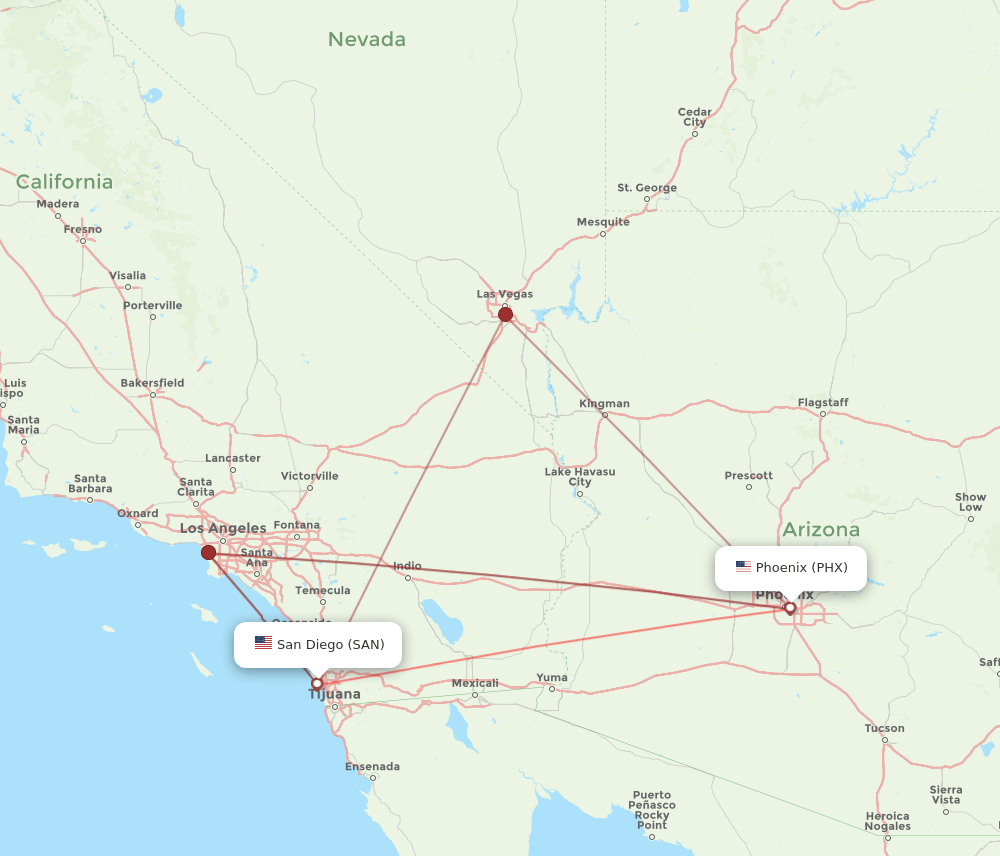
For most travelers, driving a personal vehicle or a rental car is the preferred method of inter-state travel between Arizona and California. This offers the ultimate flexibility, allowing you to set your own pace, make spontaneous detours, and carry as much luggage as you need.
- Scenic Routes: Beyond the most direct interstate highways, both states boast a network of scenic byways. For example, a drive through Joshua Tree National Park offers a stunning introduction to California’s desert beauty, a worthwhile detour if time permits. Similarly, parts of Route 66 still exist and can be incorporated into a road trip for a nostalgic experience.
- Vehicle Preparation: Before embarking on a long drive, especially through desert regions, ensure your vehicle is in good condition. Check tire pressure, fluids, and brakes. Carry a basic emergency kit, water, and snacks, particularly if traveling during hotter months.
- Road Trip Planning: Consider breaking up longer drives with overnight stays. Cities like Yuma, Arizona, or Palm Springs, California, serve as convenient stopping points for a cross-state journey.
Flying: For Speed and Efficiency
If time is a primary concern, flying is the most efficient way to bridge the distance between Arizona and California. Both states have major international airports that serve as hubs for domestic and international travel.
- Major Airports: In Arizona, Phoenix Sky Harbor International Airport (PHX) is the busiest. Other notable airports include Tucson International Airport (TUS) and McCarran International Airport (LAS) (serving Northern Arizona indirectly). In California, Los Angeles International Airport (LAX), San Diego International Airport (SAN), and San Francisco International Airport (SFO) are major gateways.
- Flight Durations: Direct flights between major cities like Phoenix and Los Angeles are typically around 1.5 hours. Flights from Tucson to San Diego might be slightly longer, often involving a connection.
- Beyond Air Travel: While flying between states is quick, remember to factor in travel time to and from airports, security checks, and baggage claim, which can add several hours to your overall journey. Rental cars are readily available at most major airports for onward travel.
Bus and Train: A More Relaxed Approach
For those who prefer not to drive or fly, bus and train services offer alternatives, albeit with longer travel times.
- Bus Services: Companies like Greyhound operate routes connecting cities across Arizona and California. This can be a budget-friendly option, but journeys can be lengthy, often spanning 10-12 hours or more for cross-state trips.
- Train Services: Amtrak offers rail services that can connect parts of Arizona and California. The Sunset Limited line, for instance, runs through southern Arizona and into Southern California. While offering a more comfortable and scenic experience than bus travel, train journeys are generally the slowest mode of transport. This option is best suited for travelers who want to enjoy the scenery and have ample time.
Exploring the Destinations: What Awaits You
The question of distance is intrinsically linked to the allure of what lies on the other side. Both Arizona and California offer a wealth of attractions that draw millions of visitors annually.
Arizona: Land of Natural Wonders and Rich History
Arizona is renowned for its breathtaking natural landscapes and its significant role in Native American and Old West history.
- The Grand Canyon National Park: No discussion of Arizona is complete without mentioning the awe-inspiring Grand Canyon National Park. This natural wonder, carved by the Colorado River, offers unparalleled vistas and hiking opportunities. It’s a bucket-list destination for travelers worldwide.
- Sedona’s Red Rocks: Sedona is famous for its vibrant red rock formations, spiritual vortex sites, and outdoor recreational activities like hiking and mountain biking. The town itself is a charming artistic hub.
- Sonoran Desert: The vast Sonoran Desert covers much of southern Arizona, boasting unique flora and fauna, including the iconic Saguaro cactus. Saguaro National Park preserves this remarkable ecosystem.
- Historical Sites: From Tombstone’s Wild West saloons to the ancient cliff dwellings of Montezuma Castle National Monument and Wupatki National Monument, Arizona is steeped in history. The vibrant culture of the Navajo Nation and other indigenous tribes adds another layer of richness.
- Cities: Phoenix, the state capital, is a sprawling metropolis offering museums, a burgeoning culinary scene, and professional sports. Tucson, with its Spanish colonial heritage and vibrant arts district, provides a different urban experience.
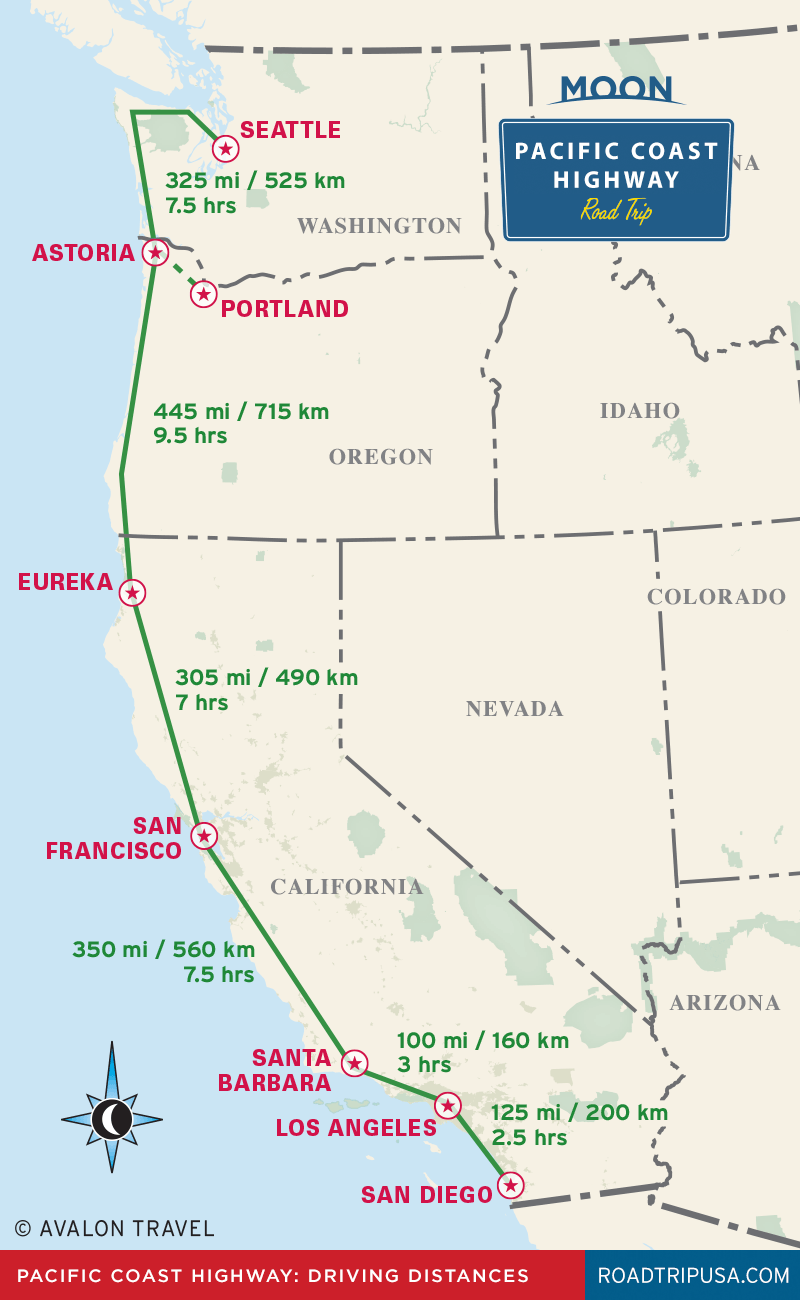
California: Beaches, Mountains, and Hollywood Dreams
California, the “Golden State,” is a land of diverse geographies and iconic landmarks, from sun-drenched beaches to towering mountain ranges and world-famous entertainment hubs.
- Southern California Beaches: Destinations like Santa Monica, Malibu, La Jolla, and Huntington Beach offer quintessential California beach life, with opportunities for surfing, sunbathing, and enjoying the Pacific Ocean.
- Theme Parks: Disneyland Resort in Anaheim and Universal Studios Hollywood are global entertainment powerhouses, attracting families and thrill-seekers.
- Los Angeles: This sprawling city is the heart of the entertainment industry. Visitors can explore Hollywood Boulevard, visit the Griffith Observatory for iconic city views, and discover diverse neighborhoods like Beverly Hills and Downtown Los Angeles.
- San Diego: Known for its pleasant climate and beautiful coastline, San Diego boasts attractions like Balboa Park, the San Diego Zoo, and the historic Gaslamp Quarter.
- Northern California Wonders: While often a longer journey from Arizona, Northern California holds its own marvels, including the cultural vibrance of San Francisco, the towering trees of Redwood National and State Parks, and the wine country of Napa Valley and Sonoma County. Yosemite National Park is another natural wonder drawing visitors from around the globe.
- Deserts and Mountains: California also features striking desert landscapes, such as Death Valley National Park and Joshua Tree National Park, as well as the majestic Sierra Nevada mountain range, home to Lake Tahoe.
The question “How far is Arizona to California?” is merely the starting point of an incredible travel narrative. Whether you’re drawn by the stark beauty of the desert, the allure of the Pacific coast, the echoes of history, or the pulse of modern cities, these two states offer a journey that is as vast and varied as the landscapes themselves. By understanding the distances, planning your mode of transport, and knowing the incredible destinations that await, you can embark on an adventure that will undoubtedly leave a lasting impression.
LifeOutOfTheBox is a participant in the Amazon Services LLC Associates Program, an affiliate advertising program designed to provide a means for sites to earn advertising fees by advertising and linking to Amazon.com. Amazon, the Amazon logo, AmazonSupply, and the AmazonSupply logo are trademarks of Amazon.com, Inc. or its affiliates. As an Amazon Associate we earn affiliate commissions from qualifying purchases.