
The vibrant island of Puerto Rico, a jewel of the Caribbean, enthralls visitors with its stunning beaches, lush rainforests, and rich cultural tapestry. From the cobblestone streets of Old San Juan to the bioluminescent wonders of Vieques, it offers an unforgettable travel experience. Yet, beneath the surface of this idyllic destination lies a deeply complex and enduring question: Does Puerto Rico want to become a state of the United States?
For decades, the political status of Puerto Rico has been a central point of debate for its residents, influencing everything from the economy and infrastructure to cultural identity and the daily lifestyle of its people. As a U.S. territory, Puerto Rico occupies a unique position, one that grants its citizens U.S. citizenship but denies them full political representation and certain federal benefits. This article delves into the nuances of this pivotal question, exploring the historical context, the arguments for and against statehood, and what this ongoing discussion means for both residents and those considering a visit to this captivating island.

The Enduring Question: A Glimpse into Puerto Rico’s Political Status
The relationship between Puerto Rico and the United States dates back to the Spanish-American War in 1898, when Spain ceded the island to the U.S.. Since then, Puerto Rico has evolved from a military occupation to an unincorporated territory, granting its residents U.S. citizenship in 1917 through the Jones-Shafroth Act. This unique bond has shaped every facet of life on the island, creating a distinct cultural identity that blends Spanish, indigenous, and American influences.
A Brief History of a Unique Relationship
For over a century, Puerto Rico has grappled with its political identity. As a commonwealth, it operates under its own constitution, elects its own governor and legislature, and sends a Resident Commissioner to the U.S. Congress, who can speak in committees but cannot vote on legislation. This arrangement means that while Puerto Ricans are U.S. citizens, they cannot vote in presidential elections unless they move to one of the 50 states, nor do they have full voting representation in Congress.
This ambiguous status has led to persistent calls for a definitive resolution, with statehood, enhanced commonwealth, and independence being the primary options. The debate is not merely political; it deeply intertwines with questions of economic stability, cultural survival, and the fundamental rights of citizenship. For visitors, understanding this historical context enriches their appreciation of the island’s vibrant spirit and the resilience of its people. The island’s rich history is evident in landmarks such as Castillo San Felipe del Morro and La Fortaleza, which stand as testaments to centuries of shifting allegiances and evolving identities.
The Referendum Road: A Mixed Mandate
Over the years, Puerto Rico has held several non-binding referendums to gauge public opinion on its political status. These plebiscites have consistently shown a divided populace, with results often varying depending on the specific wording of the ballot and the political climate at the time.
For instance, the 2012 referendum saw a majority vote against the current commonwealth status and, among those who chose an alternative, a majority favored statehood. However, the opposition parties largely boycotted the second question, leading to questions about the legitimacy of the outcome. Subsequent referendums in 2017 and 2020 also indicated a preference for statehood, but again, these were met with boycotts by significant opposition factions, resulting in low turnout and continued controversy.
These mixed mandates underscore the profound divisions within Puerto Rican society regarding its future. While proponents of statehood point to these votes as evidence of the people’s desire to join the union, opponents highlight the low turnout and boycott figures to argue that a true consensus has yet to be reached. This ongoing internal debate, while complex, is a crucial aspect of Puerto Rico’s modern identity and forms part of the unique narrative travelers encounter. It reflects a dynamic society grappling with its destiny, a characteristic that adds depth to the island’s appeal beyond its scenic beauty.

The Case for Statehood: Integration and Opportunity
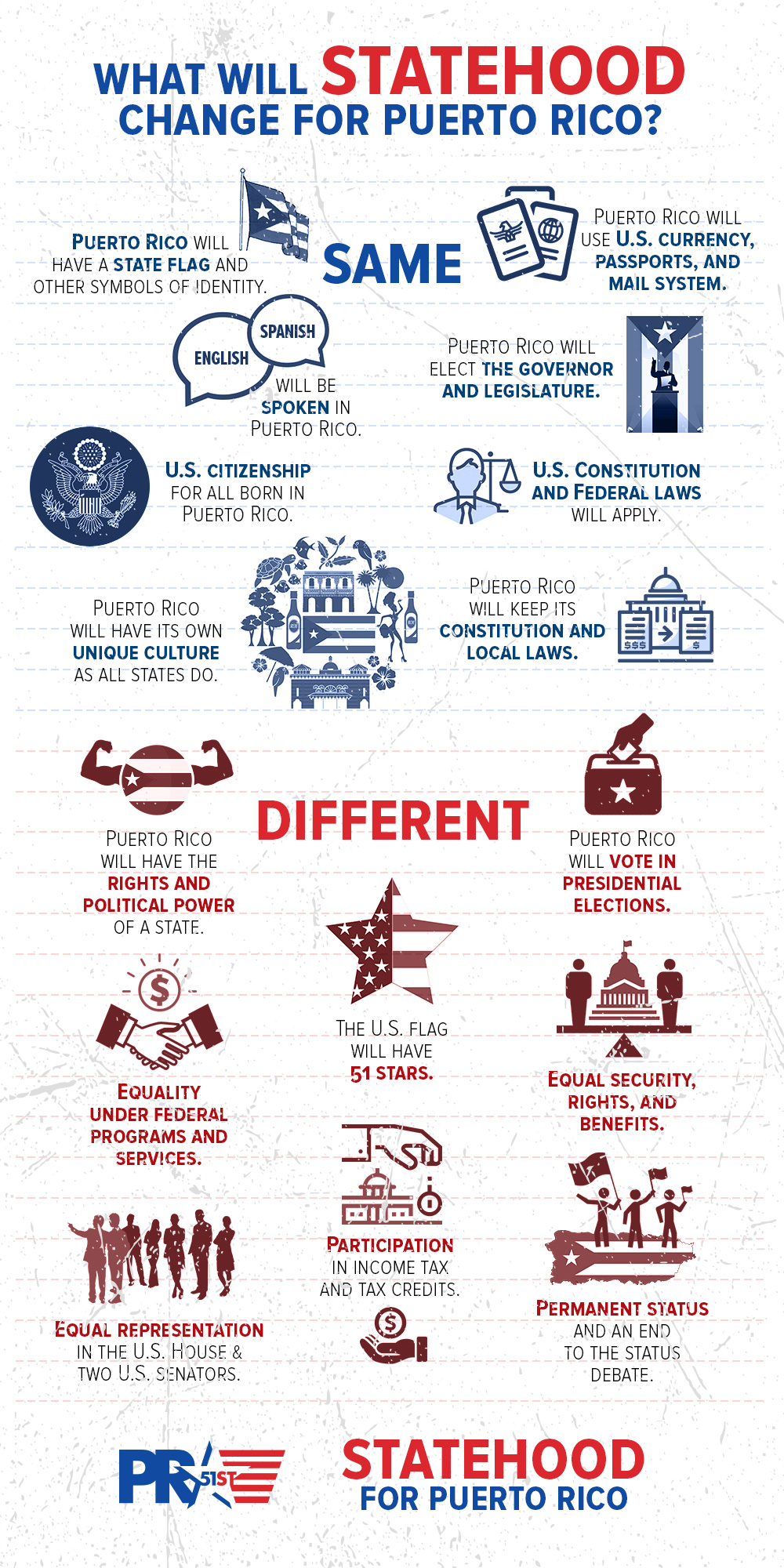
For many Puerto Ricans, statehood represents the path to equality, stability, and full integration into the American system. Advocates argue that becoming the 51st state would resolve the island’s long-standing political limbo, unlocking numerous benefits that could profoundly transform its economy and the quality of life for its residents.
Economic Prosperity and Federal Parity
One of the most compelling arguments for statehood is the potential for significant economic upliftment. As a territory, Puerto Rico receives less federal funding for critical programs compared to states, including Medicaid, Supplemental Security Income (SSI), and certain social services. Statehood would ensure parity in federal funding, potentially injecting billions of dollars into the island’s economy. This influx could be used to improve crumbling infrastructure, invest in education, and strengthen the healthcare system, areas that have been severely strained, particularly after devastating events like Hurricane Maria in 2017.
Statehood is also seen as a catalyst for increased investment and job creation. The perception of political stability that comes with statehood could attract more domestic and international businesses, particularly in sectors like tourism, manufacturing, and technology. Investors often hesitate due to Puerto Rico’s uncertain political status, which can be seen as a risk factor. With statehood, companies would benefit from clearer legal frameworks, access to federal incentives, and the stability of being part of the U.S. domestic market, encouraging the development of more hotels, resorts, and diverse accommodation options. This could lead to a more robust job market and a higher standard of living, enhancing the overall appeal of Puerto Rico as both a place to live and to visit.
Full Citizenship and Political Representation
Beyond economic considerations, statehood is fundamentally about achieving full democratic rights and political representation. Despite being U.S. citizens, Puerto Ricans residing on the island cannot vote for president or vice president, and their single Resident Commissioner in Congress holds no vote on final legislation. This lack of representation means that federal laws and policies are made for Puerto Rico without its direct input or consent, leading to feelings of disenfranchisement and inequality.
Statehood would grant Puerto Rico two senators and several representatives in the House of Representatives, giving its citizens a powerful voice in national politics. This full participation in the democratic process is a cornerstone of the statehood movement, rooted in the principle that taxation without representation is unjust. For many, it’s a matter of dignity and equal rights, ensuring that the voices and needs of Puerto Ricans are heard and addressed on the national stage in Washington D.C.. This pursuit of full democratic participation is a powerful driving force behind the statehood movement, reflecting a deep-seated desire for equality within the American family.
Maintaining the Status Quo or Seeking Independence: Preserving Identity and Autonomy
While statehood garners significant support, substantial portions of the Puerto Rican population either prefer to maintain the current commonwealth status with enhancements or advocate for complete independence. These positions are rooted in a desire to preserve Puerto Rico’s unique cultural identity and maintain a degree of autonomy that they fear would be lost with full integration into the United States.
Cultural Preservation and Distinct Identity
One of the most potent arguments against statehood is the concern that it would lead to an erosion of Puerto Rico’s distinct culture, language, and traditions. The island boasts a vibrant Spanish-speaking heritage, a unique blend of Taino, Spanish, and African influences that manifests in its music, cuisine, festivals, and everyday lifestyle. Critics of statehood fear that becoming a state would pressure the island to fully assimilate into mainstream U.S. culture, potentially diminishing its rich cultural distinctiveness.
For independence advocates, this concern is even more pronounced. They argue that true self-determination can only be achieved through complete sovereignty, allowing Puerto Rico to forge its own path, negotiate its own international treaties, and define its national identity without external influence. The allure of independence, for some, is the ultimate expression of national pride and the desire to fully control their destiny. Even those who favor an enhanced commonwealth status seek to maintain Puerto Rico’s unique governance structure, believing it offers the best balance between self-rule and the benefits of its association with the U.S.. This emphasis on identity is a crucial part of what makes Puerto Rico such a captivating place to visit, offering visitors a glimpse into a culture that is fiercely proud and constantly evolving.
The Economic Implications of Independence or Commonwealth
While statehood advocates highlight economic benefits, opponents argue that current advantages of commonwealth status are worth preserving. For instance, residents of [Puerto Rico](https://lifeoutofthebox.com/puerto-rico] are generally exempt from federal income tax on income earned within the island. Becoming a state would mean full federal taxation, which some fear could burden individuals and businesses, leading to higher costs of living and doing business. There’s also concern about property taxes and other levies that might increase under a statehood model.
For those advocating independence, the economic vision is one of self-reliance and diversified trade relationships beyond the U.S.. While acknowledging the initial challenges, they envision a future where Puerto Rico fully controls its natural resources, develops strategic industries, and attracts foreign investment on its own terms. They believe that current trade restrictions and federal regulations under the commonwealth system hinder true economic growth. The economic arguments for and against each status are complex, involving nuanced discussions about federal aid, trade policy, and local fiscal autonomy. These discussions reflect deeply held beliefs about how best to secure [Puerto Rico](https://lifeoutofthebox.com/puerto-rico]’s future prosperity, impacting everything from hotel development to agricultural policy.
What Does It Mean for Travelers? Navigating Puerto Rico’s Unique Appeal
Regardless of the ongoing political debate, Puerto Rico remains an immensely popular and accessible destination, particularly for U.S. citizens. The unique status of the island has, in many ways, shaped the tourism landscape, offering distinct advantages and experiences.
Seamless Travel and Familiarity for U.S. Visitors
For U.S. citizens, travel to Puerto Rico is remarkably seamless. No passport is required, and flights from the mainland are treated as domestic travel, simplifying entry and exit procedures. The official currencies are U.S. dollars, and common U.S. laws and regulations apply, making many aspects of a visit familiar and comfortable. This ease of travel contributes significantly to [Puerto Rico](https://lifeoutofthebox.com/puerto-rico]’s appeal as a top Caribbean getaway, minimizing logistical hurdles and allowing visitors to focus on enjoying their trip.
The presence of renowned hotel chains, from luxurious resorts in Dorado to boutique accommodation in San Juan, also means a consistent standard of service and amenities that many U.S. travelers appreciate. The vibrant San Juan International Airport serves as a major hub, connecting the island to numerous cities across the U.S. and beyond, further enhancing its accessibility. Whether seeking a relaxing beach escape in Culebra, an adventurous trek through El Yunque National Forest, or a cultural immersion in Ponce, the familiarity of Puerto Rico’s U.S. ties makes planning and executing a trip straightforward and stress-free.
Beyond Politics: The Unforgettable Charm of the Island
While the political discussions are a crucial part of Puerto Rico’s narrative, they don’t overshadow the island’s intrinsic charm and natural beauty. For visitors, Puerto Rico offers an incredibly diverse range of experiences, irrespective of its political status. The warmth of its people, the delicious local cuisine — from mofongo to lechón — and the rhythmic sounds of salsa and bomba y plena create an immersive cultural experience that is uniquely Puerto Rican.
Tourism is a vital part of the island’s economy, and local businesses, from family-run restaurants to independent boutique hotels and vibrant craft markets, continue to thrive by showcasing the authentic spirit of the island. Travelers come to explore the historic sites of Old San Juan, kayak through a glowing Bioluminescent Bay, hike through the only tropical rainforest in the U.S. National Forest System (El Yunque), or simply relax on world-class beaches like Flamenco Beach. The island’s rich heritage and natural wonders are timeless, providing a captivating backdrop for any vacation. The resilience and hospitality of the Puerto Rican people ensure that every visit is filled with genuine connections and memorable moments, reinforcing Puerto Rico’s position as a premier travel destination.
The question “Does Puerto Rico want to be a state?” is a profoundly personal and political one, with deep historical roots and far-reaching implications. There is no simple yes or no answer, but rather a complex tapestry of perspectives, hopes, and concerns. For those who call Puerto Rico home, the debate is about identity, economic justice, and democratic rights. For the traveler, it adds an intriguing layer to understanding this multifaceted island, revealing a society that is not only beautiful but also deeply engaged in shaping its future. Whether statehood, independence, or an enhanced commonwealth is the ultimate path, Puerto Rico will undoubtedly continue to captivate with its unparalleled charm, vibrant culture, and an enduring spirit that makes it truly one of a kind.
LifeOutOfTheBox is a participant in the Amazon Services LLC Associates Program, an affiliate advertising program designed to provide a means for sites to earn advertising fees by advertising and linking to Amazon.com. Amazon, the Amazon logo, AmazonSupply, and the AmazonSupply logo are trademarks of Amazon.com, Inc. or its affiliates. As an Amazon Associate we earn affiliate commissions from qualifying purchases.