
Arizona. The name itself conjures images of scorching deserts, vibrant sunsets, and landscapes so vast they seem to stretch into infinity. It’s a state that embodies the spirit of the American West, a place where adventure meets breathtaking natural beauty. But when planning a trip to this iconic destination, one question invariably arises: “How hot is it, Arizona?” Understanding the climate of the Grand Canyon State is crucial for crafting the perfect itinerary, whether you’re seeking to conquer rugged hiking trails, bask in luxurious resort amenities, or immerse yourself in the rich local culture. This guide delves into Arizona’s diverse climate, offering insights to help you pack your bags, book your accommodation, and experience the magic of this sun-drenched land.

Understanding Arizona’s Diverse Climates
While the stereotype of Arizona is one of unrelenting heat, the reality is far more nuanced. The state’s vast geographical diversity plays a significant role in its varied weather patterns. From the towering pine forests of the north to the arid Sonoran Desert in the south, Arizona offers a spectrum of temperatures and conditions throughout the year. This climatic tapestry means that the “hotness” of Arizona depends heavily on where and when you visit.
The Desert Southwest: Sun-Drenched and Scorching
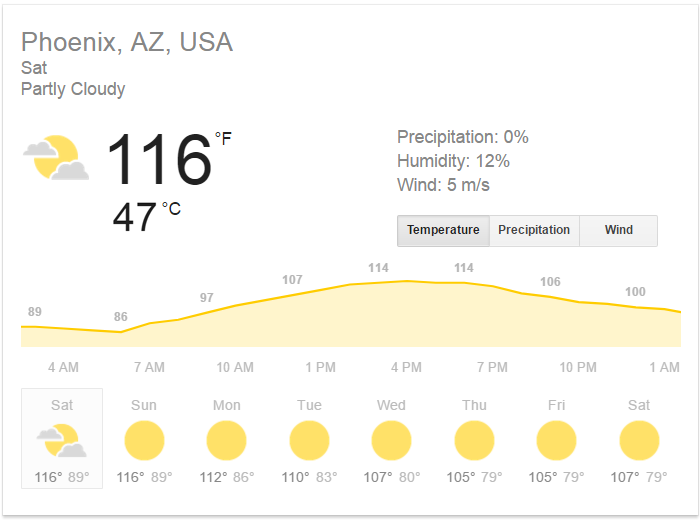
The majority of Arizona’s population resides in its southern and central regions, characterized by desert landscapes. Cities like Phoenix, Tucson, and Scottsdale experience extreme heat, particularly during the summer months.
Summer (June – August): This is when Arizona truly earns its reputation for heat. Daytime temperatures in the desert can regularly soar above 100°F (38°C), often reaching 110°F (43°C) and even exceeding 115°F (46°C) in some areas. The intense sun, coupled with low humidity, can make these temperatures feel even more oppressive. Evenings offer a slight reprieve, with temperatures typically dropping into the 70s or 80s Fahrenheit (mid-20s Celsius). This is the time to seek out air-conditioned attractions, enjoy leisurely poolside afternoons at your resort, or plan activities for the cooler early morning or late evening hours. For those who thrive in the heat and want to experience the desert in its full glory, summer can be an exhilarating time, provided you take necessary precautions.
Spring (March – May) and Fall (September – November): These shoulder seasons offer some of the most pleasant weather for exploring Arizona’s desert heartland. Spring sees temperatures gradually warm, with daytime highs typically ranging from the comfortable 70s to the pleasant 80s Fahrenheit (20s-30s Celsius). Wildflowers can often be seen blooming, adding a splash of color to the arid landscape. Fall mirrors spring’s appeal, with warm days and cooler, crisp evenings. This is an ideal time for hiking in places like Camelback Mountain or exploring the vibrant streets of Old Town Scottsdale. The sun is still strong, so sun protection is essential, but the extreme heat of summer is largely absent.
Winter (December – February): Arizona’s winters are remarkably mild, especially compared to much of the United States. Daytime temperatures in Phoenix and Tucson usually hover in the 60s Fahrenheit (15-20°C), making it a popular destination for those seeking to escape colder climates. Evenings can get chilly, often dipping into the 40s Fahrenheit (around 5-10°C), so packing layers is advised. This season is perfect for outdoor exploration, visiting attractions like the Desert Botanical Garden, or enjoying golf and other recreational activities without the discomfort of extreme heat.
The High Country: Cooler Air and Four Seasons
Venture north and east, and you’ll encounter a different Arizona entirely. The mountainous regions, including areas around Flagstaff and the White Mountains, boast a cooler, more temperate climate with distinct four seasons.
Summer (June – August): While the deserts swelter, the high country offers a welcome escape. Daytime temperatures in Flagstaff, for instance, typically range from the pleasant 70s to the low 80s Fahrenheit (20s Celsius). Nights are cool, often dropping into the 40s and 50s Fahrenheit (5-15°C), making it ideal for sleeping with windows open. This is a prime time for hiking in the Kaibab National Forest, exploring Grand Canyon National Park, or enjoying outdoor festivals and activities.
Fall (September – November): Autumn in the high country is a spectacle of color. Aspen trees turn brilliant shades of gold and red, creating breathtaking vistas. Temperatures are crisp and cool, with daytime highs in the 50s and 60s Fahrenheit (10-20°C) and freezing temperatures possible at night. It’s a magical time for scenic drives, photography, and enjoying the serene beauty of the mountains.
Winter (December – February): The high country transforms into a winter wonderland. Snowfall is common, especially at higher elevations, turning areas like Arizona Snowbowl into a ski destination. Daytime temperatures often hover around freezing, with nighttime lows dipping well below. For those who love winter sports, snowshoeing, or simply enjoying a cozy cabin experience, this is the season to visit.
Spring (March – May): Spring in the high country is a transition period. While snow may linger at higher elevations, lower areas begin to warm up. Temperatures can be quite variable, with sunny days giving way to chilly evenings. It’s a time of awakening as nature bursts back to life after the winter.
Planning Your Arizona Adventure: Aligning with the Heat
Knowing “How hot is it, Arizona?” empowers you to make informed decisions about your travel dates and activities. Whether you’re looking for a sun-drenched escape or a cooler adventure, Arizona has something to offer year-round.
Embracing the Heat: Summer Travel Strategies
For intrepid travelers drawn to the allure of the desert summer, preparation is key.
- Hydration is Paramount: Always carry more water than you think you’ll need. Dehydration can set in quickly in extreme heat. Electrolyte drinks are also beneficial.
- Timing is Everything: Plan outdoor activities for the early morning or late evening hours. Midday should be reserved for indoor pursuits or relaxing by the pool.
- Sun Protection: Wear a wide-brimmed hat, sunglasses, and high SPF sunscreen. Lightweight, light-colored clothing that covers your skin is also advisable.
- Seek Air-Conditioned Havens: Arizona boasts excellent air-conditioned attractions, from world-class museums and art galleries in Phoenix to the cool interiors of historic missions in Tucson. Many resorts offer luxurious, climate-controlled environments for ultimate comfort. Consider staying in a well-appointed suite or a private villa with a pool.
- Embrace the Night: Summer nights in the desert can be magical. Enjoy outdoor dining under the stars, take a nighttime guided tour, or simply relax on your hotel’s balcony.
Seeking Cooler Climates: Spring, Fall, and Winter Escapes
If the idea of extreme heat is not your preferred travel companion, Arizona offers plenty of opportunities to enjoy its beauty in milder temperatures.
- Spring and Fall for Exploration: These seasons are ideal for exploring iconic landmarks like the Grand Canyon South Rim, hiking in Sedona‘s red rock country, or visiting historical sites like Tombstone. The comfortable temperatures allow for extended periods of outdoor activity and sightseeing. Many hotels and resorts in these popular areas offer special packages during these sought-after times.
- Winter Retreats: For those in colder climates, Arizona’s winter provides a warm respite. Phoenix and Tucson are popular choices for golf getaways, with many luxury resorts offering excellent amenities. The milder weather also makes it an excellent time to explore the state’s natural beauty, from the unique flora of the Superstition Mountains to the ancient cliff dwellings at Montezuma Castle National Monument. Even the high country, while cooler, offers opportunities for unique winter experiences without the harshness of more northern climates.
Accommodation Options: From Luxury Resorts to Budget-Friendly Stays
Regardless of the season or your preferred climate, Arizona offers a wide range of accommodation options to suit every travel style and budget.
Luxury and Leisure: Resorts and High-End Hotels
Arizona is synonymous with luxury resorts, particularly in the Phoenix, Scottsdale, and Tucson areas. These establishments offer unparalleled amenities, from championship golf courses and world-class spas to multiple swimming pools and gourmet dining.
- Resorts: Destinations like the Arizona Biltmore, A Waldorf Astoria Resort, The Phoenician, and JW Marriott Desert Ridge Resort & Spa in Phoenix and Scottsdale are renowned for their lavish settings and impeccable service. In Tucson, The Ritz-Carlton, Dove Mountain and Loews Ventana Canyon Resort offer breathtaking desert vistas and sophisticated comfort. These resorts are perfect for those seeking a pampered getaway, with many offering all-inclusive packages or specialized experiences.
- Boutique Hotels and Luxury Suites: Beyond the large resorts, a plethora of boutique hotels and luxury suites can be found, offering more intimate and personalized experiences. These often feature unique architectural designs, curated art collections, and exceptional dining options. Consider establishments in historic districts or those offering exclusive amenities like private plunge pools.
Budget-Conscious Choices: Motels, Apartments, and Vacation Rentals
Arizona also caters to budget-conscious travelers and those seeking longer stays.
- Motels and Economy Hotels: Major chains and independent motels can be found throughout the state, offering clean and comfortable lodging at affordable prices. These are particularly useful for road trips where you might need a convenient overnight stop.
- Apartments and Vacation Rentals: For families, groups, or those planning an extended visit, vacation rentals and apartments offer more space, privacy, and the convenience of a full kitchen. Platforms like Airbnb and VRBO (though not linking to external sites) list numerous properties across Arizona, from cozy desert casitas to spacious homes. This option is also excellent for those looking for long-term stays, providing a home-away-from-home experience.
- Budget-Friendly Hotels: Many national hotel chains offer budget-friendly options in most cities and towns, providing reliable quality at a lower price point.
Activities and Attractions: Experiencing Arizona’s Diverse Appeal
Arizona’s climate dictates its array of activities, offering something for every type of traveler.
Natural Wonders and Outdoor Adventures
- The Grand Canyon: No trip to Arizona is complete without witnessing the awe-inspiring Grand Canyon National Park. Whether you hike along the rim, descend into the canyon, or take a scenic helicopter tour, its grandeur is unparalleled. The best time for hiking depends on your tolerance for heat, with spring and fall being ideal for longer treks.
- Sedona’s Red Rocks: Famous for its stunning red rock formations and spiritual vortexes, Sedona offers incredible hiking, jeep tours, and breathtaking scenic drives like the Red Rock Scenic Byway. The mild temperatures in spring and fall make these activities most enjoyable.
- Desert Landscapes: Explore the unique flora and fauna of the Sonoran Desert. Visit the Desert Botanical Garden in Phoenix, hike in the Anza-Borrego Desert State Park (though primarily in California, its influence and similar desert ecosystems are relevant), or take a guided tour to learn about the desert’s resilient life.
- Outdoor Recreation: Beyond hiking, Arizona offers opportunities for rock climbing, mountain biking, kayaking on the Colorado River, and exploring national forests like the Coconino National Forest.
Cultural Immersion and City Exploration
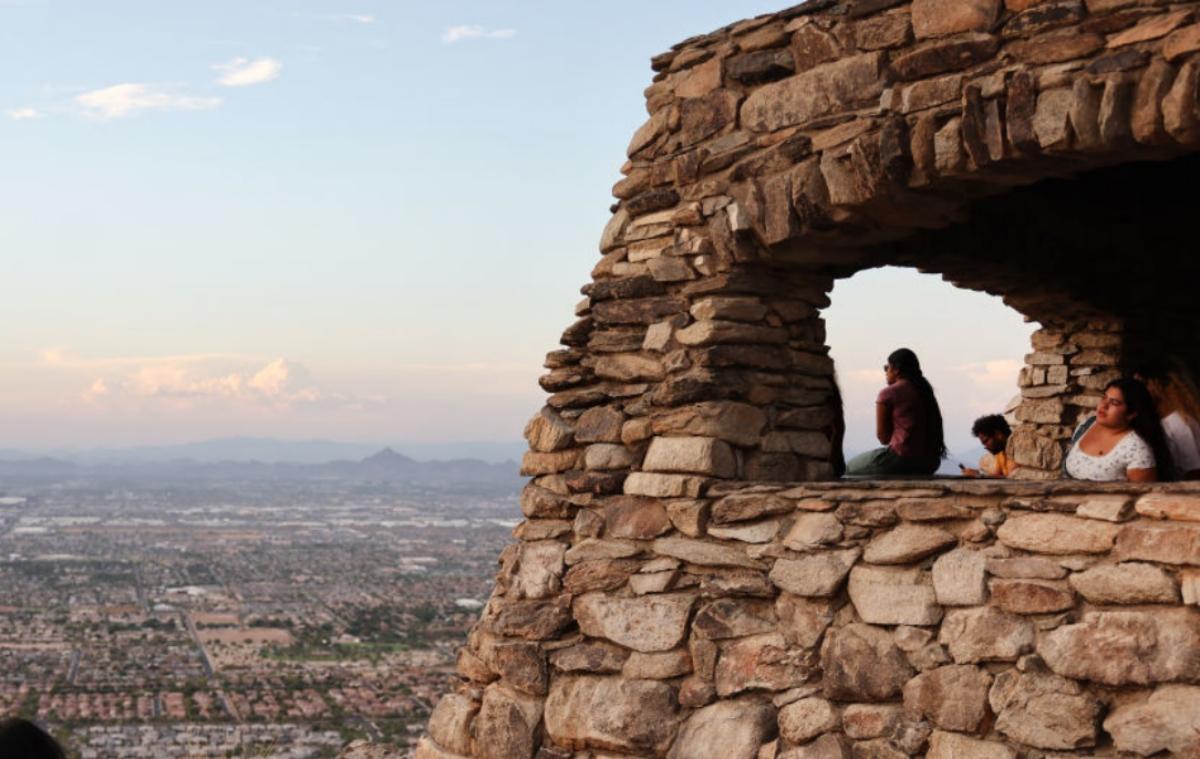
- Phoenix and Scottsdale: These metropolitan areas offer a vibrant cultural scene with world-class museums like the Heard Museum (Native American art and culture), art galleries, upscale shopping, and a diverse culinary landscape. Evenings are often the best time to explore these cities, especially during the hotter months.
- Tucson: Known for its rich Spanish colonial history, vibrant Mexican-American culture, and delicious Southwestern cuisine, Tucson offers attractions like the Mission San Xavier del Bac and the Arizona-Sonora Desert Museum.
- Historic Towns: Step back in time in towns like Tombstone, famous for its Wild West history, or Jerome, a former copper mining town perched on a hillside with a unique artistic vibe.
- Native American Culture: Arizona is home to several Native American reservations, including the Navajo Nation and the Hopi Tribe. Visiting cultural centers and learning about their traditions offers a profound glimpse into the state’s heritage.
By understanding “How hot is it, Arizona?” and leveraging the diverse information available, you can plan a journey that perfectly balances adventure, relaxation, and cultural discovery. From the sun-drenched deserts to the cool mountain air, Arizona promises an unforgettable experience tailored to your desires.
LifeOutOfTheBox is a participant in the Amazon Services LLC Associates Program, an affiliate advertising program designed to provide a means for sites to earn advertising fees by advertising and linking to Amazon.com. Amazon, the Amazon logo, AmazonSupply, and the AmazonSupply logo are trademarks of Amazon.com, Inc. or its affiliates. As an Amazon Associate we earn affiliate commissions from qualifying purchases.