
Arizona, the “Grand Canyon State,” is synonymous with awe-inspiring natural beauty and a landscape sculpted by time and the elements. From the iconic red rocks of the south to the rugged peaks of the north, this southwestern gem beckons travelers seeking adventure, serenity, and a deep connection with the wilderness. When planning a trip to this magnificent state, a crucial question arises for many: “How many national parks are in Arizona?” The answer reveals a treasure trove of protected landscapes, each offering a unique and unforgettable experience.
Arizona is home to three designated national parks, each managed by the National Park Service and recognized for its extraordinary natural and cultural significance. These parks represent just a fraction of the protected public lands within Arizona, which also include national monuments, national forests, and state parks, all contributing to the state’s unparalleled allure for outdoor enthusiasts and sightseers alike. Understanding the distinct offerings of each national park is key to crafting an itinerary that captures the essence of Arizona’s wild heart.
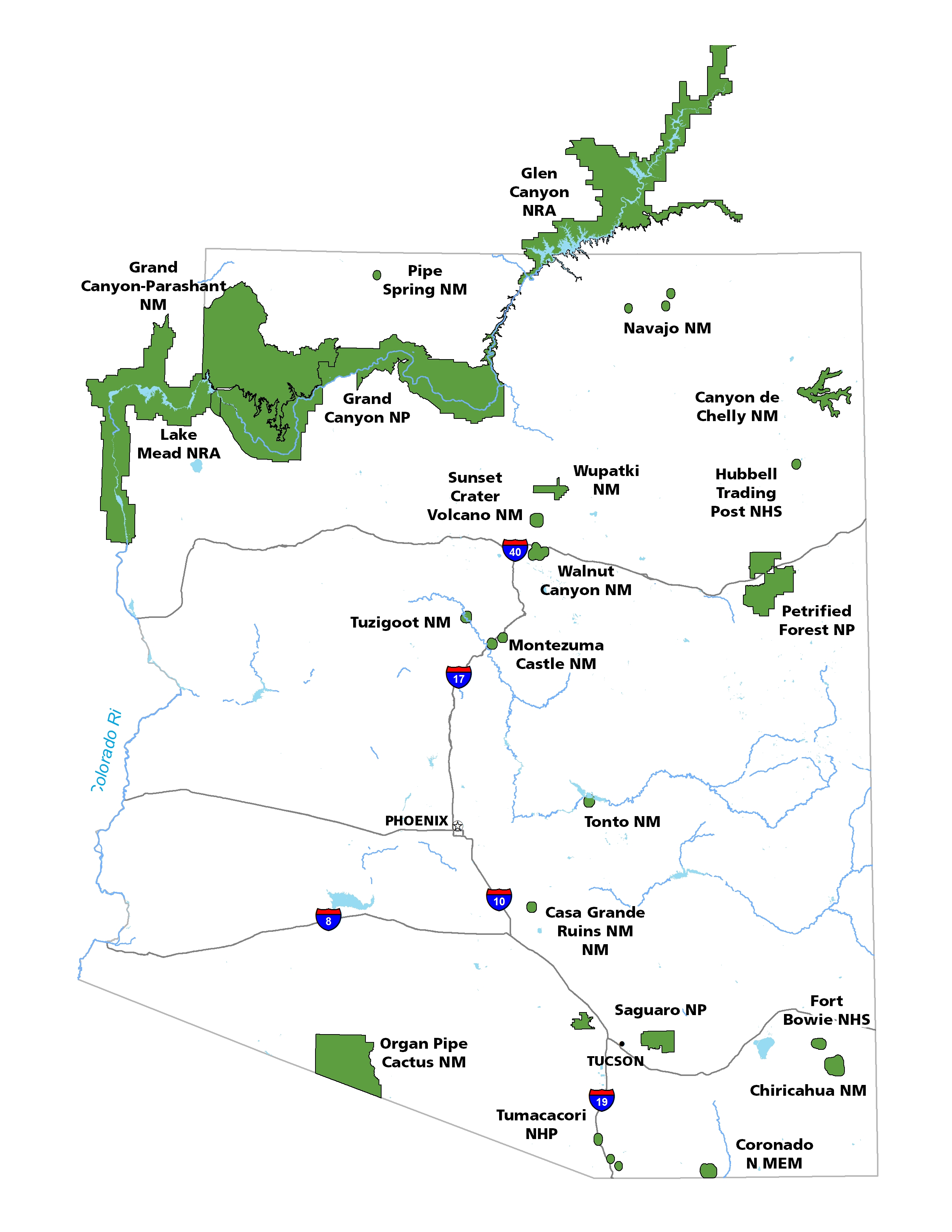
Discovering Arizona’s National Park Gems
Arizona’s three national parks are not merely geographical locations; they are portals to distinct ecosystems, geological marvels, and historical narratives. Each park boasts its own set of attractions, activities, and interpretive opportunities, catering to a diverse range of interests. Whether you’re a seasoned hiker, a budding geologist, a history buff, or simply someone seeking a breathtaking vista, Arizona’s national parks have something extraordinary to offer.
Grand Canyon National Park: The Crown Jewel
Undoubtedly the most famous of Arizona’s national parks, the Grand Canyon National Park is a global icon, a testament to the power of erosion and the immense timescale of Earth’s history. Spanning over 270 miles along the Colorado River, this colossal chasm is a mile deep and, in places, 18 miles wide. Its vastness is almost incomprehensible until witnessed firsthand.
The park is divided into two main sections: the South Rim and the North Rim. The South Rim, open year-round, is the more accessible and developed area, attracting the majority of visitors. Here, you’ll find numerous viewpoints, including Mather Point, Yavapai Point, and Desert View Watchtower, offering panoramic vistas that change with the light and weather, revealing an ever-shifting tapestry of colors and shadows. The Grand Canyon Village provides essential visitor services, including hotels, lodges, restaurants, and a visitor center.
For those seeking a more remote and serene experience, the North Rim offers a different perspective. Open seasonally, from mid-May to mid-October, it sits at a higher elevation and is characterized by dense forests and a cooler climate. Viewpoints like Bright Angel Point and Point Imperial provide stunning, less crowded vistas.
Activities within Grand Canyon National Park are as diverse as the landscape itself. Hiking is paramount, with trails ranging from paved rim trails suitable for all ages and abilities to strenuous multi-day treks into the canyon’s depths. The Bright Angel Trail and the South Kaibab Trail are popular routes for descending into the canyon, offering unparalleled opportunities to explore its geological layers and diverse flora and fauna. Remember, hiking down is optional; hiking up is mandatory, so proper planning and preparation are essential.
Beyond hiking, Grand Canyon National Park offers ranger-led programs, mule rides, and the chance to witness incredible stargazing due to its dark night skies. The Colorado River itself provides opportunities for whitewater rafting adventures, a thrilling way to experience the canyon from its base. The sheer scale and grandeur of the Grand Canyon make it an essential destination for any visitor to Arizona, offering a profound sense of wonder and perspective.
Petrified Forest National Park: A Kaleidoscope of Ancient Life
Venturing eastward from the Grand Canyon, Petrified Forest National Park presents a landscape unlike any other. This park is a living museum, preserving one of the world’s most extensive and colorful concentrations of petrified wood, along with an exceptional collection of fossilized plants and animals. The park tells a story of a prehistoric world, millions of years in the making.
The park’s namesake attraction is its petrified wood, logs of ancient trees that, over millions of years, have been replaced by silica, transforming them into stone. These logs, scattered across the landscape, display a stunning array of colors – reds, oranges, yellows, and purples – due to the presence of various minerals. Walking among these ancient remnants feels like stepping back in time, a silent testament to a forgotten ecosystem.
Petrified Forest National Park is also renowned for its Painted Desert, a vast expanse of colorful badlands that stretches across the park’s northern section. The vibrant hues of reds, purples, blues, and grays shift dramatically with the changing light, creating a breathtaking spectacle. Designated viewpoints, such as Blue Mesa and Agate Bridge, offer accessible opportunities to admire this geological artistry.
Beyond the petrified wood and the Painted Desert, the park is a significant paleontological site. Fossils found here include those of early dinosaurs, ancient reptiles, and a vast array of plant life, providing invaluable insights into prehistoric life in the region. The Rainbow Forest Museum and the Painted Desert Visitor Center offer exhibits and information to help visitors understand the park’s rich history.
Hiking in Petrified Forest National Park allows for intimate exploration of its unique features. Trails like the Crystal Forest Trail and the Giant Logs Trail lead visitors through concentrations of petrified wood, while the Blue Mesa Trail offers a descent into a maze of colorful, eroded hills. The park’s relatively flat terrain makes many of its trails accessible, but visitors are reminded to stay on marked paths to protect the fragile petrified wood and fossil remains. The park’s remote location and unique geological formations make it a compelling destination for those interested in natural history and the ancient past.
Saguaro National Park: The Iconic Sonoran Desert
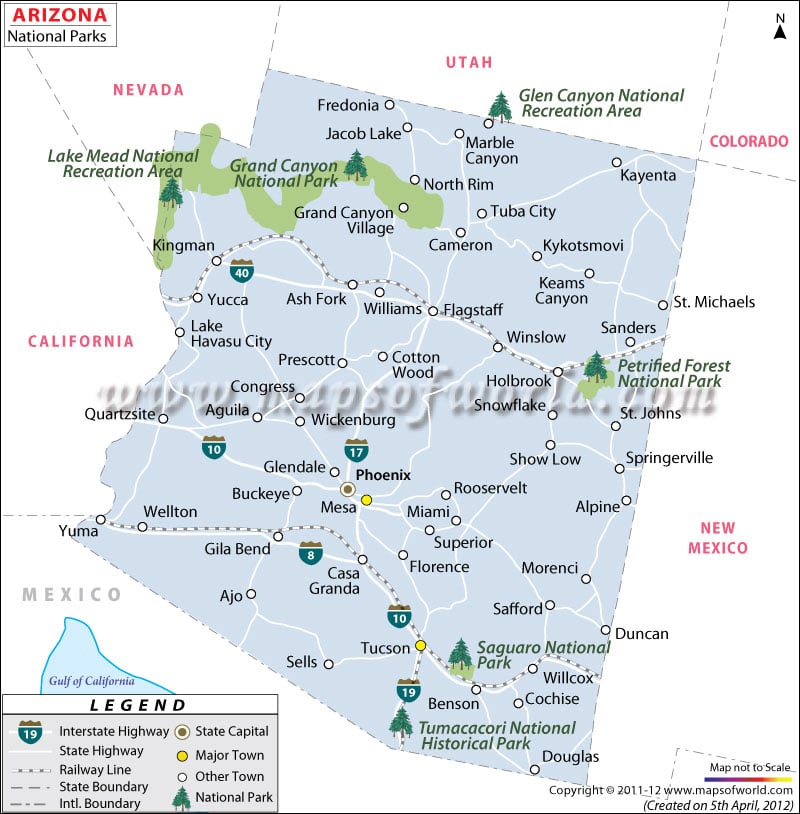
In the southern part of Arizona, embracing the vibrant city of Tucson, lies Saguaro National Park. This park is dedicated to the protection of the iconic Saguaro cactus, the towering, multi-armed symbol of the American Southwest. The park is divided into two districts, the Rincon Mountain District to the east and the Tucson Mountain District to the west, each offering a slightly different desert experience.
The Rincon Mountain District features more mountainous terrain and is home to a denser concentration of saguaros, especially at lower elevations. This district also boasts a greater diversity of plant life, including palo verde trees, ocotillo, and prickly pear cactus, creating a rich desert ecosystem. Hiking trails here range from short, interpretive walks to longer, more challenging backcountry routes that ascend into the foothills. The Bajada Nature Trail is a popular, accessible loop, while the Wasson Peak Trail offers panoramic views of the surrounding desert and mountains.
The Tucson Mountain District, closer to Tucson, is characterized by rolling hills and a more open desert landscape. It offers a different, yet equally captivating, view of the saguaro forest. This district is home to the Arizona-Sonora Desert Museum, a renowned zoo, botanical garden, and natural history museum, which, while not part of the national park itself, is a must-visit for understanding the Sonoran Desert’s biodiversity. Shorter, scenic drives, such as the Signal Hill Picnic Area, provide accessible viewpoints and opportunities for short walks to see ancient petroglyphs.
Saguaro National Park is not just about the cacti. It is a thriving habitat for a variety of desert wildlife, including coyotes, javelinas, Gila monsters, and numerous bird species. The park’s desert environment offers unique opportunities for wildlife viewing, especially during the cooler morning and evening hours. Ranger-led programs provide valuable insights into the desert’s ecology and the challenges of its survival.
The saguaro cactus itself is a marvel of adaptation, with its towering arms reaching skyward, providing shade and nesting sites for many desert creatures. The park protects these magnificent plants and the delicate ecosystem they inhabit, ensuring their survival for future generations. Visiting Saguaro National Park offers a profound appreciation for the resilience and beauty of desert life and the importance of preserving these unique environments.
Planning Your Arizona National Park Adventure
When embarking on a journey to explore Arizona’s national parks, careful planning is essential to maximize your experience and ensure a safe and enjoyable trip. The vastness of Arizona and the distinct characteristics of each park necessitate thoughtful preparation, considering factors such as the best time to visit, accommodation options, and essential packing lists.
Best Times to Visit and What to Pack
Arizona’s climate varies significantly across its diverse landscapes, and understanding these variations is key to choosing the ideal time for your visit.
- Spring (March-May) and Fall (September-November) generally offer the most pleasant weather across Arizona. Temperatures are milder, making outdoor activities like hiking and sightseeing more comfortable. Wildflowers often bloom in the spring, adding an extra layer of beauty to the already stunning scenery.
- Summer (June-August) can be extremely hot, especially in the desert regions. While Grand Canyon National Park‘s higher elevations offer some respite, temperatures at the bottom of the canyon can reach well over 100°F (38°C). Early morning or late evening activities are recommended during these months.
- Winter (December-February) brings cooler temperatures and the possibility of snow, particularly at higher elevations like the North Rim of the Grand Canyon. The South Rim remains open, and winter can offer a serene, less crowded experience with dramatic snow-dusted landscapes.
Regardless of the season, proper packing is crucial for a national park adventure in Arizona. Essential items include:
- Sun protection: A wide-brimmed hat, sunglasses, and high-SPF sunscreen are non-negotiable.
- Hydration: Carry plenty of water, especially for hikes. Consider a reusable water bottle or a hydration pack.
- Sturdy footwear: Comfortable, broken-in hiking boots or shoes are vital for exploring trails.
- Layered clothing: Temperatures can fluctuate significantly throughout the day and at different elevations. Pack light, breathable layers.
- Navigation tools: A map, compass, or GPS device can be invaluable, especially in remote areas.
- First-aid kit: A basic kit for minor injuries is always a good idea.
- Snacks: High-energy snacks are essential for longer hikes and to keep your energy levels up.
Accommodation and Lodging
Arizona offers a wide range of accommodation options to suit every budget and travel style, from rustic lodges within the national parks to luxurious resorts and charming bed and breakfasts in nearby towns.
- In-Park Lodging: For an immersive experience, consider staying at lodges or cabins located directly within the national parks. Grand Canyon National Park offers historic lodges like the El Tovar Hotel and Bright Angel Lodge, providing unparalleled access to the park’s most iconic viewpoints. Petrified Forest National Park and Saguaro National Park have fewer in-park lodging options, but their proximity to gateway towns makes them easily accessible. Booking these accommodations well in advance is highly recommended, especially during peak seasons.
- Gateway Towns: Many national parks are surrounded by charming towns that offer a variety of hotels, motels, vacation rentals, and campgrounds. Tusayan serves as a primary gateway to the South Rim of the Grand Canyon, while Flagstaff and Williams offer more lodging choices and are a short drive away. Tucson is the perfect base for exploring Saguaro National Park.
- Resorts and Unique Stays: Arizona is also known for its upscale resorts, particularly in areas like Scottsdale and Sedona (though Sedona is not directly associated with a national park, it’s a popular destination within Arizona). These offer luxurious amenities, spa services, and stunning desert or red rock views. For a more unique experience, consider renting a villa or apartment for a longer stay, offering flexibility and a home-away-from-home feel.
Activities and Experiences
Each of Arizona’s national parks offers a wealth of activities designed to connect visitors with the natural world and its rich history.
- Hiking and Backpacking: From easy, paved rim trails to challenging multi-day treks into canyons and deserts, hiking is a quintessential Arizona national park experience. Always check trail conditions and weather forecasts, and be prepared for the terrain.
- Scenic Drives: Many parks offer designated scenic drives that allow you to experience breathtaking vistas from the comfort of your vehicle. These drives often have pull-offs at key viewpoints, making it easy to stop and admire the scenery.
- Ranger Programs: Park rangers offer a wealth of knowledge through guided walks, talks, and evening programs. These are excellent opportunities to learn about the park’s geology, flora, fauna, and history.
- Photography: Arizona’s landscapes are incredibly photogenic. Sunrise and sunset often provide the most dramatic lighting for capturing the park’s beauty.
- Stargazing: With minimal light pollution in many areas, Arizona’s national parks are ideal for stargazing. The vast, unpolluted skies offer an incredible view of the Milky Way and countless stars.
- Cultural and Historical Exploration: Parks like Petrified Forest National Park offer insights into ancient history through fossils and petroglyphs. Grand Canyon National Park also has a rich cultural history, with evidence of human habitation dating back thousands of years.
By understanding the nuances of each park and planning accordingly, your exploration of Arizona’s national treasures will be an unforgettable journey into the heart of the American Southwest.
LifeOutOfTheBox is a participant in the Amazon Services LLC Associates Program, an affiliate advertising program designed to provide a means for sites to earn advertising fees by advertising and linking to Amazon.com. Amazon, the Amazon logo, AmazonSupply, and the AmazonSupply logo are trademarks of Amazon.com, Inc. or its affiliates. As an Amazon Associate we earn affiliate commissions from qualifying purchases.