
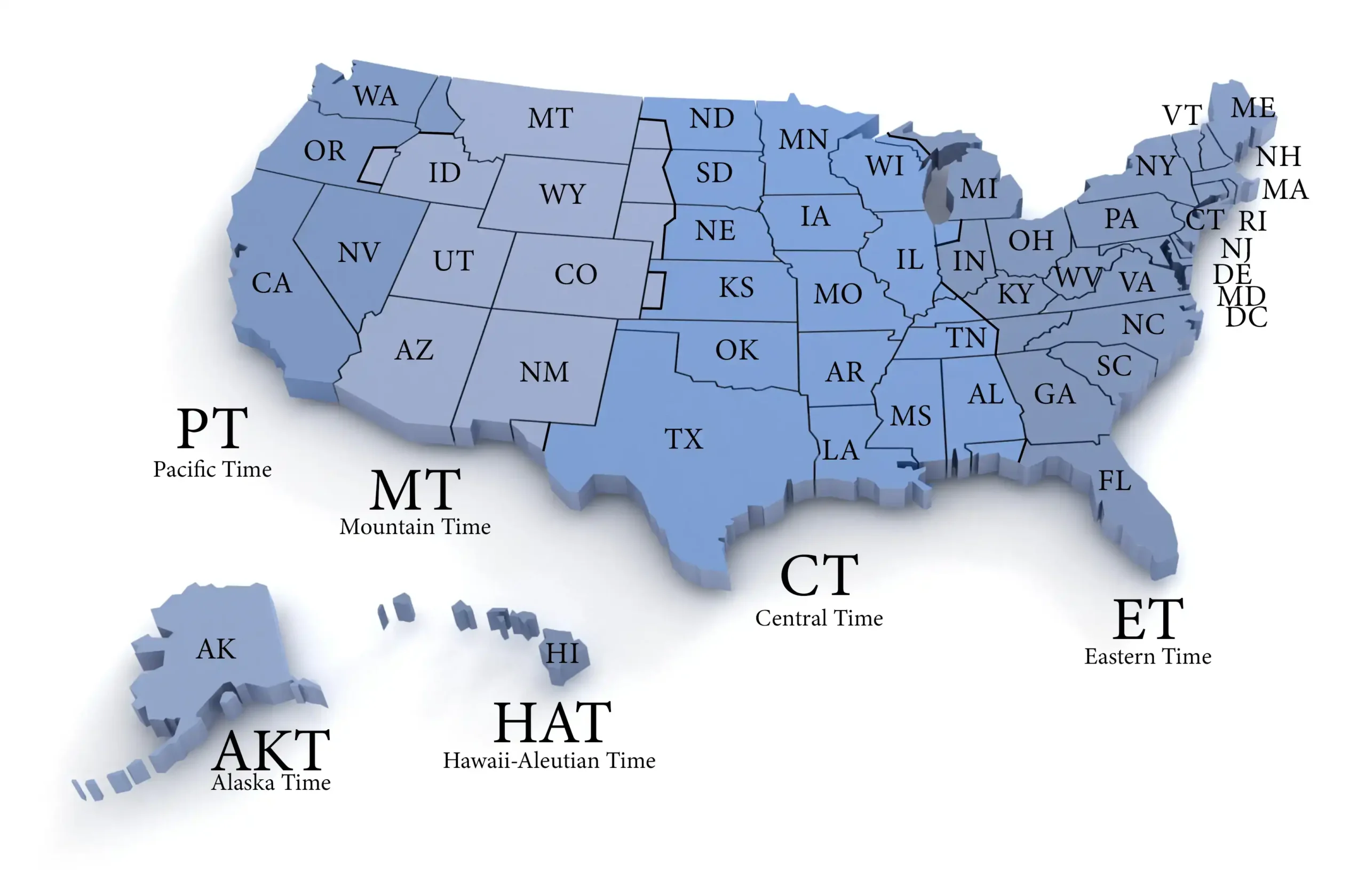
Navigating the intricacies of time zones can be a crucial, albeit sometimes overlooked, aspect of planning any journey. For travelers setting their sights on the sun-drenched landscapes and vibrant culture of Arizona, understanding its time zone is paramount. The question often arises: is Arizona on Pacific Time or Mountain Time? The answer, like many things in the Grand Canyon State, holds a unique twist. While most of the United States adheres strictly to either Pacific Time or Mountain Time, Arizona opts for a distinct approach, primarily observing Mountain Standard Time (MST) year-round, with a notable exception.

This temporal anomaly is a key piece of information for anyone booking accommodation, planning sightseeing tours, or coordinating with local businesses. Whether you’re envisioning a luxurious stay at a Scottsdale resort, exploring the ancient ruins near Tucson, or embarking on a hiking adventure in Sedona, knowing the local time will ensure your plans unfold seamlessly. This article delves into Arizona‘s time zone status, explores the implications for travelers, and offers insights into how this affects your Arizona experience, from catching a sunrise over the Monument Valley to enjoying a fine dining experience in Phoenix.
Arizona’s Unique Time Zone: A Year-Round Commitment to Mountain Standard Time
Unlike the majority of states that embrace Daylight Saving Time (DST), Arizona has largely opted out of this seasonal clock adjustment. This decision places Arizona in a unique temporal position within the contiguous United States. For the vast majority of the year, Arizona operates on Mountain Standard Time (MST), which is UTC-7. This is the same time zone observed by states like Colorado and Utah during their standard time. However, the crucial distinction is that Arizona does not spring forward or fall back.
This unwavering adherence to MST means that during the months when other Mountain Time states observe Mountain Daylight Time (MDT) (UTC-6), Arizona remains on MST. Consequently, Arizona often syncs up with Pacific Time during the spring and summer months, when California and Nevada are observing Pacific Daylight Time (PDT). For instance, when it’s 3:00 PM in Phoenix, it will be 3:00 PM in Los Angeles during Daylight Saving Time periods in those states. This can be a source of confusion for visitors accustomed to the more common pattern of Daylight Saving Time shifts.
The rationale behind Arizona‘s decision to forgo Daylight Saving Time is rooted in several factors. Primarily, the state argued that the extra hour of daylight in the summer months would lead to increased air conditioning usage, potentially exacerbating already high energy demands during the hottest parts of the year. Furthermore, many residents felt that the inconvenience of changing clocks twice a year outweighed the perceived benefits. This has led to a stable and predictable time zone for the Grand Canyon State, simplifying life for its residents and offering a consistent temporal anchor for visitors.
The Navajo Nation: An Exception to the Rule
While the vast majority of Arizona observes Mountain Standard Time year-round, there is a significant exception: the Navajo Nation. This Native American tribal nation, which spans portions of Arizona, New Mexico, and Utah, does observe Daylight Saving Time. This means that during the spring and summer months, the Navajo Nation observes Mountain Daylight Time (MDT), syncing its clocks with other states that use MDT.
This temporal divergence within the same state can lead to interesting situations. For example, if you are planning a visit to Monument Valley, which is within the Navajo Nation, you will need to adjust your watch accordingly during the DST period. A drive from Flagstaff (which observes MST year-round) to Monument Valley during the summer would require setting your clock forward by one hour. This is a critical detail for travelers who might be unaware of this internal Arizona time zone variation.
Understanding this exception is crucial for a smooth travel experience. If you are booking a tour that departs from the Navajo Nation, or if your itinerary includes visiting landmarks within its boundaries during the DST period, be sure to confirm the local time with your tour operator or accommodation provider. This often means that during the summer months, the Navajo Nation will be one hour ahead of the rest of Arizona. This temporal distinction adds another layer to the already fascinating cultural and geographical tapestry of Arizona.
Practical Implications for Travelers: Navigating Arizona’s Time Zone
The fact that Arizona primarily observes Mountain Standard Time year-round, with the Navajo Nation being the exception, has several practical implications for travelers. From booking flights and hotels to planning daily itineraries, being aware of the local time is essential.
Accommodation and Travel Booking
When booking flights into Phoenix Sky Harbor International Airport or Tucson International Airport, the arrival and departure times will be listed according to local Arizona time. This is generally straightforward, as the airports themselves operate under the state’s time zone. However, when booking hotels, especially if you are traveling from a state that observes Daylight Saving Time, ensure you are clear about the local time. For example, if you are traveling from California during the summer, and Arizona is on MST while California is on PDT, there will be a three-hour difference. This means that a 2:00 PM arrival in Phoenix from Los Angeles during DST in California would require a one-hour adjustment when you land.
Similarly, when booking tours or activities, particularly those originating within the Navajo Nation, confirm the exact start times. A tour departing from Page, Arizona, which is near the Navajo Nation, might have different timings during DST compared to the rest of the state. Always double-check the time zone specified for the activity, especially if it’s during the Daylight Saving Time period. Websites and booking platforms usually specify the time zone, but it’s always wise to verify.
Sightseeing and Activities

The time zone can affect how you plan your daily adventures. For instance, if you aim to catch the sunset from the South Rim of the Grand Canyon, knowing the local sunset time is crucial. During months when Arizona is on MST and other western states are on MDT or PDT, sunset in Arizona will occur later in the evening compared to states that have sprung forward. This can be advantageous, as it extends the usable daylight hours for exploring attractions like Sedona’s red rocks or the historic architecture of Tombstone.
Conversely, if your plans involve connecting with people or services in a state that does observe Daylight Saving Time, you’ll need to account for the difference. For example, if you’re trying to make a reservation at a restaurant in Las Vegas from Arizona during the summer, remember that Las Vegas will be on PDT, one hour ahead of Phoenix‘s MST. This means a 7:00 PM reservation in Las Vegas is equivalent to 6:00 PM Arizona time.
Business and Communication
For business travelers, understanding Arizona‘s time zone is equally important. If you have conference calls scheduled with clients or partners in other states, make sure to confirm the time. Misunderstandings can easily arise due to the lack of Daylight Saving Time observance. For example, a 9:00 AM meeting in Denver (which observes MDT in the summer) would actually be an 8:00 AM meeting in Phoenix. This consistency in Arizona’s time zone, however, can also simplify matters for businesses operating solely within the state.
Cultural Considerations
The decision not to observe Daylight Saving Time is part of Arizona’s unique identity. It reflects a pragmatic approach to energy conservation and a desire to maintain a stable daily rhythm. When you visit, embracing this temporal consistency can enhance your experience. You won’t need to worry about losing or gaining an hour during your stay, allowing you to focus on the incredible attractions, from the awe-inspiring natural beauty of the Petrified Forest National Park to the vibrant arts scene in Jerome.
Planning Your Arizona Adventure: Time Zone Tips for a Smooth Trip
To ensure your Arizona adventure is as smooth and enjoyable as possible, here are a few essential tips regarding its unique time zone:
1. Always Confirm Local Time, Especially Near the Navajo Nation
While most of Arizona adheres to Mountain Standard Time (MST) year-round, the Navajo Nation observes Daylight Saving Time (DST). This means that during the months of DST (typically March through November), the Navajo Nation will be one hour ahead of the rest of Arizona. When planning trips to places like Monument Valley, Antelope Canyon, or Four Corners Monument, always confirm the current local time for your specific destination. Websites for attractions and tour operators will usually specify the time zone they are operating under.
2. Be Mindful of the Time Difference When Traveling to/From Neighboring States
Arizona shares borders with several states, each with its own time zone policies. California and Nevada observe Pacific Time and Daylight Saving Time. Utah, Colorado, New Mexico, and Wyoming observe Mountain Time and Daylight Saving Time. During the DST period, Arizona‘s MST (UTC-7) will align with Pacific Daylight Time (PDT) (UTC-7) in California and Nevada. However, during DST, states like Colorado and Utah will be on MDT (UTC-6), making them one hour ahead of Arizona. Understanding these differences is crucial for coordinating travel, making calls, or scheduling meetings with people in these adjacent states.
3. Utilize Technology Wisely, But Verify
Modern smartphones and smart devices are usually excellent at automatically adjusting to time zones. However, it’s always a good practice to manually verify the local time upon arrival, especially if you’ve just crossed a time zone boundary or are entering the Navajo Nation during DST. Some devices might have settings that default to a particular time zone for the entire state, which could lead to confusion if you are within the Navajo Nation. Checking a local clock, a sign at an attraction, or confirming with your hotel can prevent any temporal mix-ups.
4. Factor in Time for Sunrises and Sunsets
Arizona‘s consistent MST means that sunset times will be later during the summer months compared to states observing MDT. This can be a wonderful advantage for exploring attractions like the Grand Canyon or enjoying a leisurely dinner in Scottsdale. Plan your sightseeing accordingly to make the most of the extended daylight. Conversely, in the winter, Arizona will be one hour ahead of Pacific Time states.
By keeping these simple guidelines in mind, you can navigate Arizona‘s time zone with ease, ensuring your travel plans, whether they involve luxury resorts in Sedona, adventures in Tucson, or cultural experiences throughout the state, run like clockwork. Enjoy the unwavering rhythm of the Grand Canyon State!
LifeOutOfTheBox is a participant in the Amazon Services LLC Associates Program, an affiliate advertising program designed to provide a means for sites to earn advertising fees by advertising and linking to Amazon.com. Amazon, the Amazon logo, AmazonSupply, and the AmazonSupply logo are trademarks of Amazon.com, Inc. or its affiliates. As an Amazon Associate we earn affiliate commissions from qualifying purchases.