
The query “Is there Kaiser in Arizona?” might seem straightforward, but for anyone considering a move to, or a visit to, the Grand Canyon State, it touches upon a crucial aspect of healthcare access. While the presence of a specific healthcare provider like Kaiser Permanente is a significant factor for many, the broader landscape of healthcare and its accessibility in Arizona is what truly matters. This article delves into the question, exploring not just the direct answer but also the implications for travelers, residents, and those seeking specific healthcare services within Arizona. We’ll navigate through the healthcare offerings, the unique lifestyle of Arizona, and how visitors can stay prepared.

Arizona, a state renowned for its stunning desert landscapes, vibrant cities like Phoenix and Tucson, and iconic natural wonders such as the Grand Canyon, presents a multifaceted experience for its inhabitants and visitors alike. From the allure of luxury resorts in Scottsdale to the rugged beauty of Sedona, the state beckons with diverse attractions. However, when venturing into a new place, practical considerations like healthcare are paramount.
Understanding Healthcare Access in Arizona
The question of “Is there Kaiser in Arizona?” is often rooted in familiarity. For individuals who have been Kaiser Permanente members elsewhere, this question is a natural extension of their existing healthcare planning. Kaiser Permanente is a highly integrated managed care consortium, known for its network of hospitals, doctors, and pharmacies. Its presence is geographically concentrated, and understanding its reach is key to answering the query definitively.
Kaiser Permanente’s Footprint in Arizona
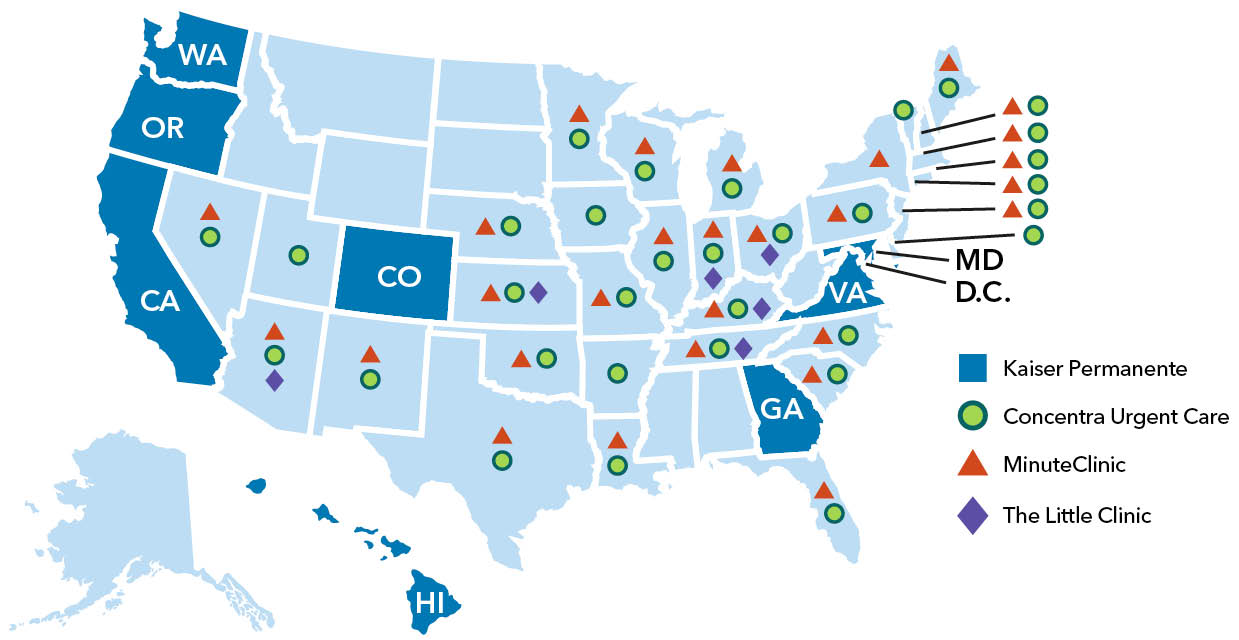
As of recent information, Kaiser Permanente does not operate its integrated healthcare system in Arizona in the same manner as it does in states like California, Hawaii, or the Washington D.C. metropolitan area. This means that if you are a Kaiser Permanente member accustomed to their specific model of care, you will likely need to seek alternative health insurance and healthcare providers when you are in Arizona.
This doesn’t mean that quality healthcare is unavailable in Arizona. Far from it. The state boasts a robust and diverse healthcare infrastructure, with numerous reputable hospital systems, medical groups, and individual practitioners serving its population. For travelers, this absence of Kaiser Permanente typically means ensuring they have adequate travel insurance or understanding the out-of-network benefits of their existing health plans. For those considering relocation, it necessitates a thorough research of Arizona-based health insurance options and networks.
Navigating Arizona’s Healthcare System
For residents and long-term visitors, understanding how to access healthcare in Arizona involves looking at the major health insurance providers and hospital networks operating within the state. Several prominent healthcare organizations have a strong presence:
-
Banner Health: This is one of the largest non-profit healthcare systems in the United States, with a significant footprint across Arizona. They operate numerous hospitals, urgent care centers, and physician clinics in major metropolitan areas and rural communities. If you are looking for a comprehensive network, Banner Health is a primary consideration for many Arizonans. Their facilities range from large teaching hospitals to smaller community clinics, offering a wide spectrum of medical services.
-
Dignity Health: Another major player in Arizona’s healthcare landscape, Dignity Health operates a network of hospitals and care centers, particularly in the Phoenix metropolitan area and its surrounding regions. They are known for their commitment to community health and providing a range of medical specialties. Their hospitals are often recognized for their advanced technology and patient-centered care.
-
Mayo Clinic: While a nationally recognized institution, the Mayo Clinic has a significant campus in Scottsdale, Arizona. This world-renowned medical center offers highly specialized care and is a destination for patients seeking treatment for complex conditions. It’s important to note that Mayo Clinic’s model can differ from typical integrated systems, often focusing on specialized referrals and advanced diagnostics.
-
Other Providers: Beyond these large systems, Arizona has a multitude of other healthcare providers, including smaller hospital networks, independent physician groups, and specialized clinics. Many of these participate in various health insurance plans, offering diverse options for coverage.
When considering healthcare in Arizona, it’s essential to understand the difference between health insurance plans. HMOs (Health Maintenance Organizations) and PPOs (Preferred Provider Organizations) have different network restrictions and referral requirements. For someone used to an integrated system like Kaiser, transitioning to an HMO or PPO plan in Arizona will require a learning curve about how to navigate referrals, in-network versus out-of-network care, and finding physicians within their chosen plan’s network.
Travel and Tourism Considerations
The absence of Kaiser Permanente in Arizona doesn’t diminish its appeal as a travel destination. Millions visit Arizona each year for its natural beauty, outdoor adventures, and cultural experiences. Understanding healthcare in this context is primarily about preparedness and awareness.
Health and Safety for Travelers
When traveling to Arizona, particularly for those venturing into its more remote or adventurous areas, health and safety are key considerations. The desert climate can pose challenges, including heat exhaustion and dehydration, especially during the warmer months.
-
Hydration: Staying hydrated is paramount. Visitors should carry ample water, especially when hiking or engaging in outdoor activities. Tap water in most Arizona cities is safe to drink, but it’s always a good idea to confirm locally.
-
Sun Protection: The Arizona sun is intense. Sunscreen, hats, and protective clothing are essential to prevent sunburn and heatstroke.

-
Altitude Awareness: For visitors heading to higher elevations like Flagstaff or Sedona, altitude sickness can be a concern. Taking it easy on the first day, staying hydrated, and avoiding strenuous activity can help acclimatize.
-
Emergency Services: In case of an emergency, 911 is the universal emergency number in the United States. Most tourist areas have readily accessible emergency medical services. For less urgent medical needs, urgent care clinics are widely available in populated areas.
For travelers who have existing health insurance, it’s advisable to understand their coverage while traveling. Some plans offer out-of-state emergency coverage, while others may have limited benefits. Purchasing travel insurance is a prudent step for many, providing peace of mind for unexpected medical events. Travel insurance can cover medical emergencies, trip cancellations, and lost luggage, making it a comprehensive safety net for any journey.
Choosing Accommodation with Health in Mind
When booking accommodation in Arizona, whether it’s a luxury resort in Scottsdale, a comfortable hotel in Phoenix, or a vacation rental near the Grand Canyon, considering health-related amenities can be beneficial. While not directly related to Kaiser Permanente, some accommodations might offer features that cater to well-being:
-
Fitness Centers: Many hotels and resorts provide well-equipped fitness centers, allowing guests to maintain their exercise routines.
-
Pools and Spas: These offer opportunities for relaxation and low-impact exercise. Resorts, in particular, often have extensive spa facilities that can aid in recovery and well-being.
-
Proximity to Medical Facilities: For those with pre-existing conditions or concerns, choosing accommodation that is relatively close to major hospitals or urgent care centers can provide an added layer of security. This is easily researchable through online maps and local directories when selecting a hotel or resort.
The lifestyle in Arizona, with its emphasis on outdoor activities and a generally relaxed pace, can be conducive to good health. However, being informed about healthcare access and taking necessary precautions ensures a safe and enjoyable experience, regardless of whether your preferred healthcare provider has a direct presence.
Lifestyle and Healthcare Choices in Arizona
Arizona’s diverse lifestyle, from the urban bustle of Phoenix to the serene desert landscapes of Sedona, influences healthcare needs and choices. Understanding the state’s healthcare ecosystem is crucial for both short-term visitors and long-term residents.
Long-Term Stays and Relocation
For individuals planning a long-term stay or considering relocating to Arizona, establishing a relationship with local healthcare providers is a priority. This involves:
-
Researching Insurance Plans: As mentioned, Kaiser Permanente does not operate its integrated system in Arizona. Therefore, individuals will need to explore insurance plans offered by other providers that have a strong network within the state. This might include plans from Blue Cross Blue Shield of Arizona, UnitedHealthcare, Aetna, or Cigna, among others, depending on employment status or individual purchase options.
-
Finding Local Physicians: Once an insurance plan is selected, the next step is to find primary care physicians and specialists within that network. Websites of insurance providers, online doctor directories, and recommendations from local residents can be valuable resources.
-
Understanding Local Healthcare Trends: Arizona, like many states, faces healthcare challenges and opportunities. Staying informed about local healthcare news, legislative changes, and community health initiatives can be beneficial for residents.
The “lifestyle” aspect of Arizona can also be a factor in healthcare. The active outdoor lifestyle enjoyed by many Arizonans might lead to a greater need for orthopedic specialists or sports medicine professionals. Conversely, the prevalence of certain environmental factors might necessitate attention to respiratory or dermatological care.
Budget and Luxury Travel Considerations
The question of “Is there Kaiser in Arizona?” also has implications for budget and luxury travelers, albeit in different ways.
-
Budget Travelers: For those on a tight budget, understanding healthcare costs and ensuring adequate coverage is vital. Without a familiar integrated provider, unexpected medical expenses can be a significant financial burden. Travel insurance becomes even more critical for budget travelers, offering a safety net for emergencies. Researching the cost of common medical services in Arizona can also help in planning.
-
Luxury Travelers: While luxury travelers may have more disposable income for healthcare expenses or premium insurance plans, the principle remains the same: knowledge is power. Even with access to top-tier private facilities like the Mayo Clinic, understanding insurance coverage, potential out-of-network costs, and having access to emergency services remains a priority for a seamless and worry-free experience. Luxury resorts often have concierge services that can assist in finding nearby medical facilities or arranging transportation if needed.
In conclusion, while the direct answer to “Is there Kaiser in Arizona?” is no, in terms of its integrated system, it does not mean that quality healthcare is inaccessible. Arizona offers a comprehensive healthcare network with major providers like Banner Health and Dignity Health, alongside world-class institutions like the Mayo Clinic. For travelers, preparedness through travel insurance and awareness of local health considerations is key. For residents and those planning longer stays, thorough research into local insurance plans and healthcare providers will ensure access to the care they need, allowing them to fully enjoy the diverse attractions and lifestyle that Arizona has to offer.
LifeOutOfTheBox is a participant in the Amazon Services LLC Associates Program, an affiliate advertising program designed to provide a means for sites to earn advertising fees by advertising and linking to Amazon.com. Amazon, the Amazon logo, AmazonSupply, and the AmazonSupply logo are trademarks of Amazon.com, Inc. or its affiliates. As an Amazon Associate we earn affiliate commissions from qualifying purchases.