
Arizona, a state renowned for its breathtaking landscapes and awe-inspiring natural wonders, is home to an impressive collection of national parks. These protected areas offer unparalleled opportunities for adventure, education, and pure, unadulterated immersion in the grandeur of the American Southwest. From the iconic, world-famous canyons to the stark beauty of deserts and the ancient echoes of ancestral peoples, Arizona’s national parks are essential destinations for any traveler seeking to experience the essence of this unique region. Whether you’re a seasoned hiker, a budding geologist, a history enthusiast, or simply someone looking to reconnect with nature, these parks promise unforgettable experiences and a deep appreciation for the planet’s natural artistry.
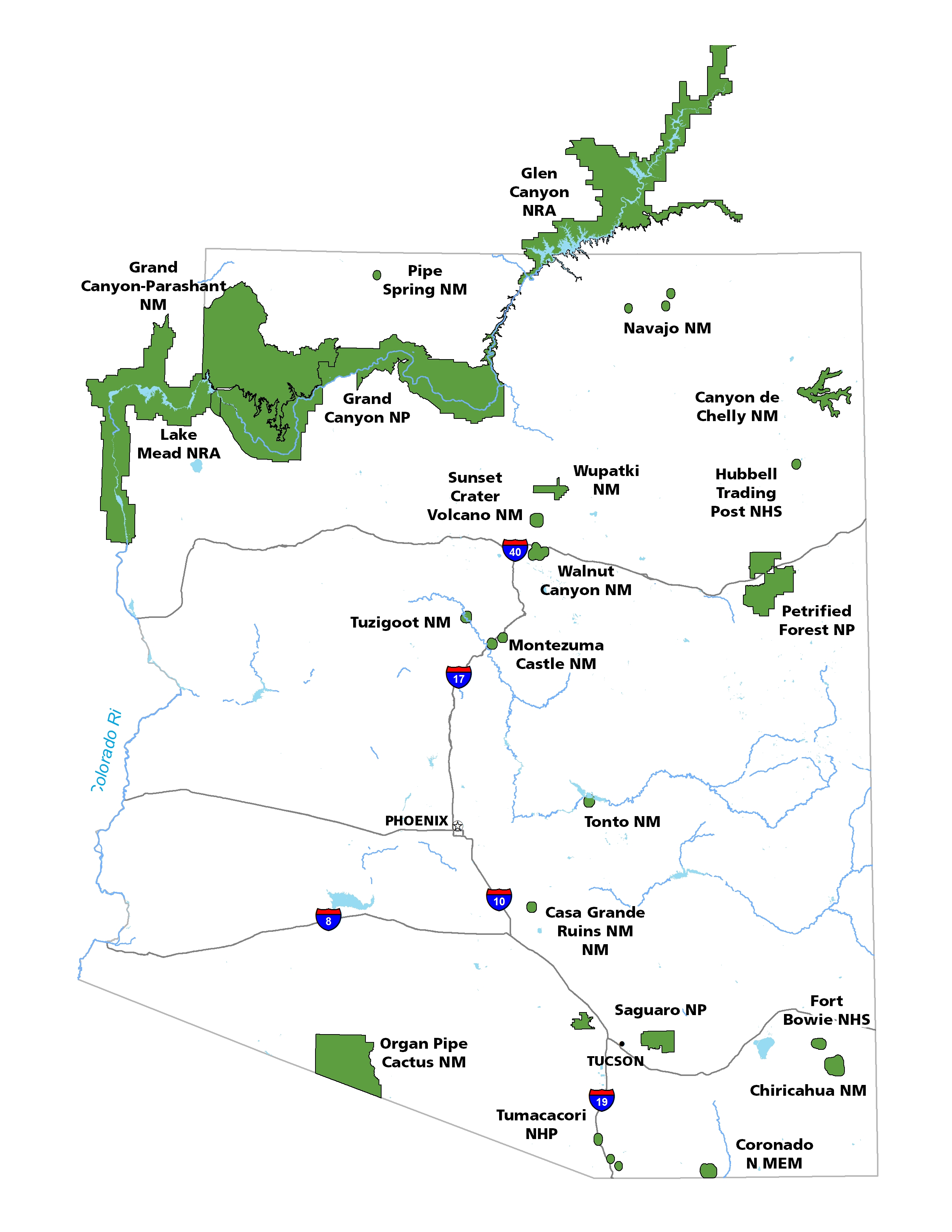
Exploring the Majestic Wonders: Arizona’s Premier National Parks
Arizona’s designation as a national park state is a testament to its exceptional geological, ecological, and historical significance. The sheer diversity of these landscapes is astounding, reflecting millions of years of geological processes and the adaptation of life to extreme environments. Each park tells a unique story, a narrative etched in stone, wind, and water, inviting visitors to step back in time and marvel at the forces that shaped our world.
The Crown Jewel: Grand Canyon National Park
No discussion of Arizona’s national parks is complete without starting with the undisputed king: the Grand Canyon National Park. This colossal chasm, carved over millions of years by the relentless power of the Colorado River, is a spectacle that defies description. Its immense scale, the vibrant layering of rock strata revealing eons of Earth’s history, and the ever-changing light that paints its walls with an astonishing palette of colors make it a truly transformative destination.
Activities and Experiences at the Grand Canyon:
- Rim Views: The South Rim is the most accessible and popular area, offering iconic viewpoints like Mather Point, Yavapai Point, and Hopi Point. These overlooks provide panoramic vistas that stretch for miles, allowing visitors to grasp the sheer immensity of the canyon. For those seeking a quieter experience, the North Rim offers a more remote and serene perspective, though it is only open seasonally.
- Hiking: For the adventurous, hiking into the canyon is an unforgettable experience. Trails range from relatively easy rim walks to challenging multi-day treks down to the Colorado River. Popular day hikes include the Bright Angel Trail and the South Kaibab Trail, though it’s crucial to be prepared for the strenuous climb back up and the desert heat.
- Rafting and Mule Rides: Experiencing the Grand Canyon from the river offers a completely different perspective, showcasing the canyon’s depth and power up close. Multi-day rafting trips are a bucket-list adventure. For a classic Western experience, mule rides down into the canyon have been a tradition for generations, offering a unique way to navigate the rugged terrain.
- Geology and History: The exposed rock layers of the Grand Canyon are a geologist’s dream, offering insights into ancient seas, deserts, and mountains. The park also holds significant cultural history, with evidence of human habitation dating back thousands of years, including ancestral Puebloan sites.
Planning Your Visit to the Grand Canyon:
Accommodations near the Grand Canyon range from historic lodges within the park, such as the El Tovar Hotel, to hotels in nearby gateway towns like Tusayan and Williams. Booking well in advance is highly recommended, especially for in-park lodging. The best times to visit are spring and fall, when temperatures are more moderate. Summers can be extremely hot, particularly in the inner canyon, and winters can bring snow to the rims.
A Desert Oasis: Saguaro National Park
Venturing east of Tucson, we find Saguaro National Park, a vibrant testament to the resilience and beauty of the Sonoran Desert. The park is named for its iconic saguaro cacti, towering sentinels of the desert that can live for over 150 years and are a symbol of the American West. The park is divided into two districts, the Rincon Mountain District (east) and the Tucson Mountain District (west), each offering a slightly different but equally captivating desert experience.
Discovering the Saguaro’s Realm:
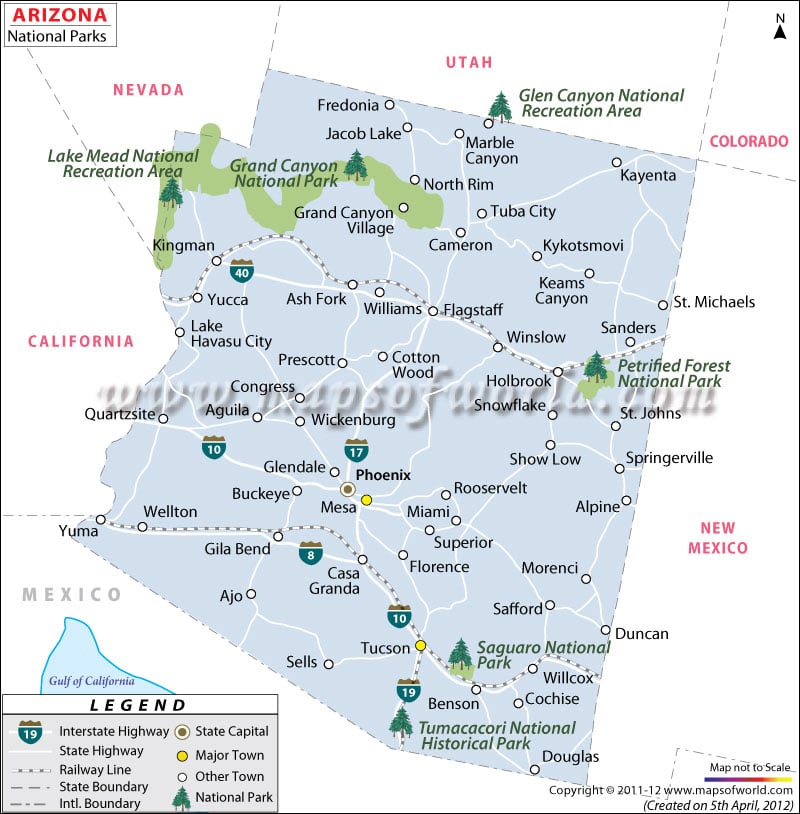
- The Saguaro Cactus: The sheer abundance and impressive size of the saguaro cacti are the main draw. These magnificent plants, with their distinctive arms reaching skyward, create a surreal and unforgettable landscape. The park’s unique ecosystem supports a variety of desert flora and fauna, including ocotillo, prickly pear, and cholla cacti, as well as desert tortoises, javelinas, and numerous bird species.
- Scenic Drives and Hiking: Both districts offer scenic drives, such as the Bajada Loop Drive in the west and the Tortolita Drive in the east, providing easy access to viewpoints and trailheads. Hiking opportunities abound, from short, interpretive trails that explain desert ecology to longer treks that explore canyons and mountain slopes. The Wasson Peak Trail in the west offers panoramic views of the surrounding desert and city.
- Desert Ecology and History: Saguaro National Park is a living laboratory for understanding desert ecosystems. The park also preserves the history of the Tohono O’odham people, who have lived in this region for centuries and have a deep connection to the saguaro cactus, which provides food, shelter, and cultural significance.
Best Time to Visit Saguaro National Park:
Spring (March to May) is an ideal time to visit, as the desert often bursts into bloom with wildflowers, and temperatures are pleasant for hiking. Wildlife is also more active during these cooler months. Summers can be extremely hot, with monsoon storms in July and August bringing dramatic, yet potentially hazardous, weather.
A Tapestry of Petrified Wood: Petrified Forest National Park
Heading northeast, Petrified Forest National Park offers a journey through deep time, showcasing one of the world’s largest and most colorful concentrations of petrified wood, along with the striking beauty of the Painted Desert. This park is a geological wonderland, preserving ancient logs that have turned to stone over millions of years and presenting a landscape of badlands, buttes, and mesas painted in hues of red, orange, and purple.
Unveiling Ancient Wonders:
- Petrified Wood: The park’s name says it all. Visitors can walk among fallen trees that have been transformed into vibrant, agate-like stone. The intricate details of the wood grain, the crystal formations, and the sheer variety of colors are astonishing. Designated areas allow visitors to safely view and photograph these ancient relics.
- The Painted Desert: The Painted Desert section of the park is a visual masterpiece, especially at sunrise and sunset when the light accentuates the variegated colors of the eroded shales and sandstones. Overlooks like Jasper Forest Overlook and Blue Mesa Overlook offer breathtaking panoramas.
- Paleontology and Archaeology: Petrified Forest National Park is a significant paleontological site, preserving fossils of ancient plants and animals, including dinosaurs. It also holds evidence of human presence dating back thousands of years, with Native American petroglyphs and ancient campsites found within its boundaries. The Agate House, a reconstructed dwelling, offers a glimpse into the lives of ancient peoples.
Tips for Exploring Petrified Forest National Park:
The best time to visit is during the spring and fall to avoid extreme summer heat. While there are trails for hiking, many of the park’s most spectacular sights are accessible from overlooks along the main park road, making it an excellent destination for those seeking less strenuous outdoor experiences. The park’s arid climate means water is scarce, so carrying plenty of water is essential.

A Land of Giants and Astronomy: Other Notable National Park Service Sites
While the “big three” – Grand Canyon, Saguaro, and Petrified Forest – are Arizona’s most renowned national parks, the state is also home to other significant sites managed by the National Park Service, offering diverse attractions.
- Organ Pipe Cactus National Monument: Located in southern Arizona along the Mexican border, this monument protects a unique Sonoran Desert ecosystem, featuring the rare organ pipe cactus. It’s a prime location for experiencing the desert’s raw beauty and observing its wildlife.
- Chiricahua National Monument: Known as the “Wonderland of Rocks,” this monument features an extraordinary collection of balanced rocks and towering hoodoos, formed by volcanic activity. It offers excellent hiking trails through stunning geological formations.
- Montezuma Castle National Monument: This site preserves remarkably intact cliff dwellings built by the Sinagua people over 700 years ago. The “castle” itself is a five-story dwelling built into a limestone alcove, offering a fascinating glimpse into ancient architecture and life.
- Sunset Crater Volcano National Monument and Wupatki National Monument: These two adjacent parks offer distinct experiences. Sunset Crater Volcano National Monument showcases a relatively young volcanic landscape, with cinder cones and lava flows. Wupatki National Monument preserves numerous ancient pueblos and ruins, showcasing the rich history of ancestral peoples in the region. The proximity of these parks allows for a combined exploration of volcanic geology and ancient human history.
Experiencing Arizona’s Natural Heritage:
Arizona’s national parks are more than just scenic attractions; they are crucial for preserving our natural and cultural heritage. They offer invaluable opportunities for recreation, education, and inspiration. Whether you’re staying in a comfortable resort in Sedona or a cozy apartment in Phoenix, planning a trip to one or more of these remarkable parks should be a priority. Each visit promises a deeper understanding of the land, its history, and the enduring power of nature. From the vastness of the Grand Canyon to the delicate beauty of a desert bloom, Arizona’s national parks are a treasure trove waiting to be explored.
LifeOutOfTheBox is a participant in the Amazon Services LLC Associates Program, an affiliate advertising program designed to provide a means for sites to earn advertising fees by advertising and linking to Amazon.com. Amazon, the Amazon logo, AmazonSupply, and the AmazonSupply logo are trademarks of Amazon.com, Inc. or its affiliates. As an Amazon Associate we earn affiliate commissions from qualifying purchases.