
Arizona, a state synonymous with breathtaking landscapes, vibrant culture, and a unique way of life, also presents a curious anomaly when it comes to time. While many visitors might assume a straightforward approach to time zones, the reality in the Grand Canyon State is a little more complex, largely due to its decision to opt-out of Daylight Saving Time. This unique characteristic is a key factor for any traveler planning a visit, a business trip, or simply curious about the rhythm of life in this southwestern jewel. Understanding Arizona’s timekeeping is more than just knowing the current hour; it’s about appreciating the state’s distinct identity and how it interacts with the rest of the United States and the world.

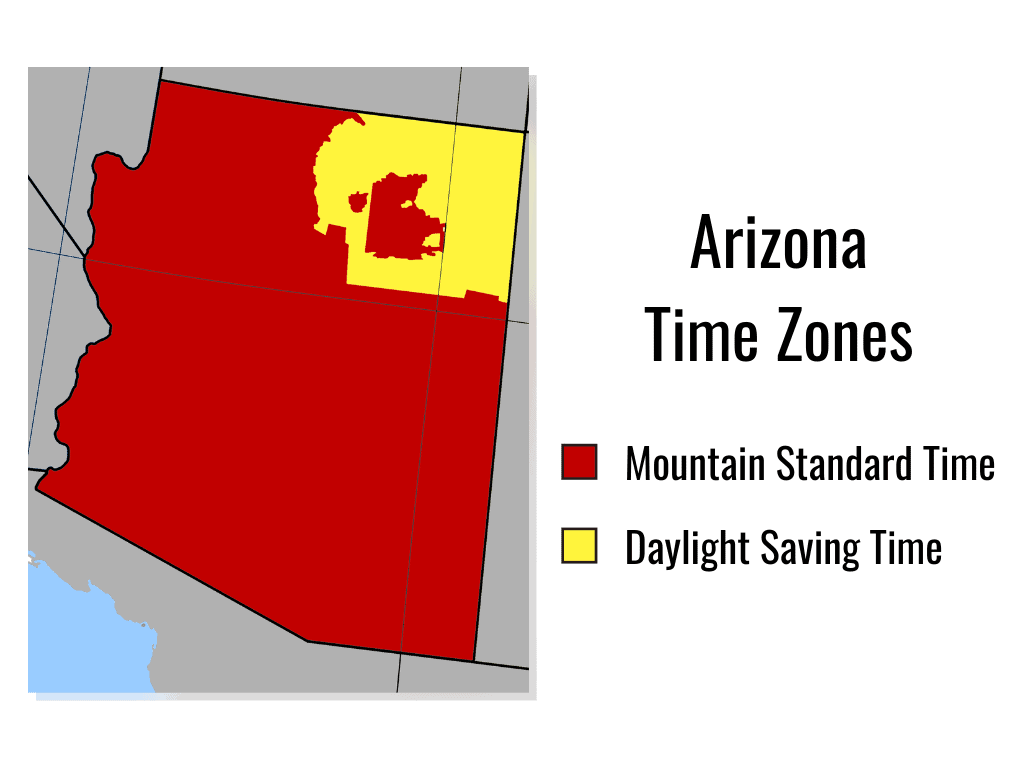
The vast majority of Arizona observes Mountain Standard Time (MST) year-round. This means that during the period when most of the United States is observing Daylight Saving Time, Arizona remains on its standard time. This creates a consistent time difference relative to other states, simplifying things in some ways but also requiring a moment of adjustment for those accustomed to the annual clock-flipping ritual. The primary exception to this rule within Arizona is the Navajo Nation, which does observe Daylight Saving Time. This duality means that within the same state, there can be a one-hour difference depending on your precise location. This is a crucial piece of information for anyone traveling across different regions of the state, particularly if they are heading into or through the Navajo Nation for attractions like Monument Valley or Canyon de Chelly National Monument.
Navigating Arizona’s Time Zones: MST and the Daylight Saving Exception
The consistent observance of Mountain Standard Time year-round in most of Arizona is a defining characteristic of its temporal landscape. This means that for roughly half the year, Arizona is two hours behind Eastern Standard Time, three hours behind Central Standard Time, and one hour behind Pacific Standard Time. However, when Daylight Saving Time commences in the rest of the United States, this difference shifts. During Daylight Saving Time months, Arizona will be three hours behind Eastern Daylight Time, four hours behind Central Daylight Time, and two hours behind Pacific Daylight Time. This temporal dance can be a source of confusion for newcomers, but it becomes intuitive with a little familiarity.
The Navajo Nation’s Temporal Twist
The Navajo Nation, a sovereign entity within Arizona and extending into New Mexico and Utah, stands as the primary exception to Arizona’s no-Daylight Saving Time policy. This significant cultural and geographical area adheres to Daylight Saving Time, aligning its clocks with the surrounding regions that do observe it. This means that during the spring and summer months, the Navajo Nation operates on Mountain Daylight Time (MDT), while the rest of Arizona remains on MST. Consequently, there is a one-hour difference between most of Arizona and the Navajo Nation for a substantial portion of the year.
This temporal divergence is particularly important for travelers intending to visit popular destinations within the Navajo Nation, such as Monument Valley Tribal Park or the Four Corners Monument. Failing to account for this hour difference can lead to missed tours, late arrivals at accommodations, or a general sense of disorientation. When planning your itinerary, it’s always prudent to confirm the local time within the specific area you’ll be visiting, especially if your travels take you across the boundaries of the Navajo Nation. Many signs and local businesses will often indicate whether they are operating on Arizona time or Navajo Nation time, but proactive checking is always recommended. This unique temporal aspect adds another layer of interest to exploring the diverse landscapes and cultures of Arizona.
The Practical Implications of Arizona’s Timekeeping

Understanding Arizona’s time zones isn’t just an academic exercise; it has tangible impacts on travel planning, business operations, and everyday life within the state. For tourists, it means being mindful of arrival and departure times, especially for flights into Phoenix Sky Harbor International Airport or McCarran International Airport (though technically in Nevada, it serves many in western Arizona) which are on Arizona time. Booking hotels like the Arizona Biltmore, A Waldorf Astoria Resort or considering a stay at the Enchantment Resort near Sedona requires acknowledging the local time for check-in and activity schedules.
Business and Communication Across Time Zones
For businesses operating within or interacting with Arizona, the consistent time zone can be both a blessing and a curse. On one hand, the lack of Daylight Saving Time eliminates the bi-annual disruption of changing clocks, leading to more predictable operational hours. This stability is beneficial for industries that require constant connectivity, such as technology or finance. However, it also means that during the months when other parts of the United States are on Daylight Saving Time, Arizona is effectively on a different time schedule. This can lead to communication challenges with partners, clients, or suppliers in states that do observe the time change. Scheduling meetings requires careful consideration to ensure everyone is on the same page, avoiding the common pitfall of assuming a shared temporal understanding.
Consider a scenario where a company in New York (Eastern Daylight Time) needs to schedule a conference call with a firm in Phoenix (MST). During the summer months, New York would be UTC-4, while Phoenix remains UTC-7. This creates a three-hour difference, meaning a 9 AM call in New York would be 6 AM in Phoenix. Miscalculations can lead to missed opportunities or an inconveniently early start for Arizona-based employees. Similarly, when coordinating travel for business stays, such as at the JW Marriott Scottsdale Camelback Inn Resort & Spa, understanding the local time is paramount for efficient scheduling of appointments and transportation.
Planning Your Arizona Adventures with Time in Mind
When embarking on an Arizona adventure, be it exploring the natural wonders of the Grand Canyon National Park, marveling at the architectural beauty of Frank Lloyd Wright’s Taliesin West, or immersing yourself in the vibrant arts scene of Tucson, keeping track of time is essential. If your journey includes visiting Native American reservations outside the Navajo Nation, such as the Hopi Reservation, it’s crucial to confirm their local time observance. While most reservations within Arizona fall under the state’s MST policy, it’s always best to verify, especially if you’re planning specific cultural experiences or tours.
For those seeking luxurious escapes, resorts like The Phoenician in Scottsdale or the Lodge at Kukui’ula (though in Hawaii, it illustrates a different time zone consideration) operate on Arizona time. This means that during Daylight Saving Time in most of the United States, booking a tee time at a Scottsdale golf course will be based on MST. Similarly, if you’re planning a road trip that crosses state lines, like driving from Flagstaff, Arizona, to Durango, Colorado, you’ll experience a time zone change as Colorado observes Daylight Saving Time. This transition is seamless physically but requires a mental adjustment.
Seasonal Considerations and Event Planning
The unique temporal status of Arizona also influences seasonal activities and events. For instance, popular outdoor festivals or events held during the spring and fall might have their schedules aligned with MST. If you’re planning a family trip to attend an event in Sedona during the spring, where Daylight Saving Time is in effect in many surrounding states, remember that Arizona remains on its standard time. This can affect the perceived length of daylight for afternoon activities. Planning a hike in Saguaro National Park or a visit to the Old Town Scottsdale during the cooler months, which coincide with Daylight Saving Time in much of the United States, means the sun will set an hour earlier according to the time observed in Arizona compared to states that have sprung forward. This is a minor but important detail for maximizing daylight hours during your explorations.
Ultimately, while Arizona’s temporal distinctiveness might seem like a minor detail, it’s an integral part of the state’s character. It’s a reminder that even in our interconnected world, unique local traditions and decisions shape the rhythm of life. For travelers and residents alike, a clear understanding of “What Time Now In Arizona?” ensures smoother journeys, more productive interactions, and a deeper appreciation for the distinctive charm of the Grand Canyon State. Whether you’re staying at a historic Arizona hotel, exploring ancient ruins, or enjoying the vibrant culinary scene, keeping track of Arizona time will enhance your experience.
LifeOutOfTheBox is a participant in the Amazon Services LLC Associates Program, an affiliate advertising program designed to provide a means for sites to earn advertising fees by advertising and linking to Amazon.com. Amazon, the Amazon logo, AmazonSupply, and the AmazonSupply logo are trademarks of Amazon.com, Inc. or its affiliates. As an Amazon Associate we earn affiliate commissions from qualifying purchases.