
Navigating the complexities of time zones can be a dizzying experience, especially when planning a trip or managing business across different regions. For many, the state of Arizona presents a unique temporal puzzle. The question, “What timezone is Arizona in now?” is more than just a curiosity; it’s a practical concern that can impact everything from flight schedules and hotel bookings to meeting arrangements and sightseeing plans. This article delves into the intricacies of Arizona’s time zone, exploring its historical context, its current status, and the implications for travelers and residents alike.
The vast expanse of the United States, stretching across multiple meridians, naturally necessitates the division of the country into distinct time zones. These zones are designed to standardize timekeeping, aligning local time with the position of the sun and facilitating daily life and commerce. While most of the contiguous United States observes Daylight Saving Time (DST), a practice where clocks are advanced by an hour during warmer months to maximize daylight, Arizona has famously opted out. This decision has set it apart and, at times, created confusion for those unfamiliar with its temporal landscape.
Understanding Arizona’s Time Zone Designation
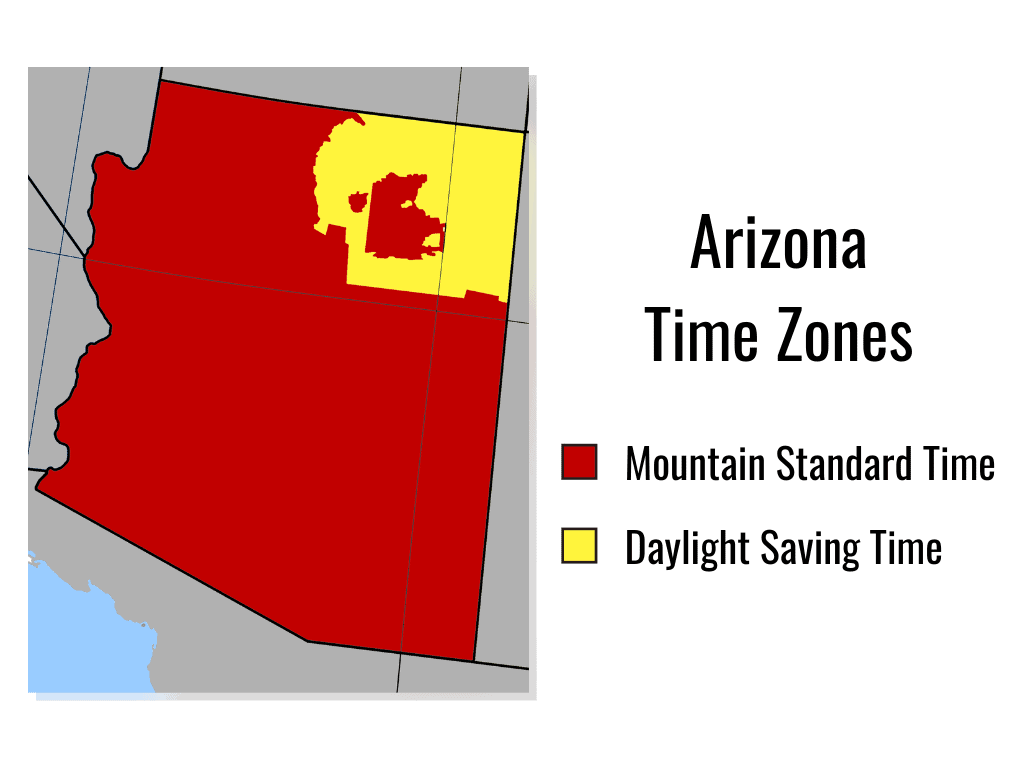
At its core, Arizona primarily operates within the Mountain Standard Time (MST) zone. However, the story is not quite that simple due to the aforementioned absence of DST. This means that for a significant portion of the year, Arizona observes MST year-round, while most of the rest of the United States that falls within the Mountain Time Zone switches to Mountain Daylight Time (MDT) during DST.
The Mountain Standard Time (MST) Anchor
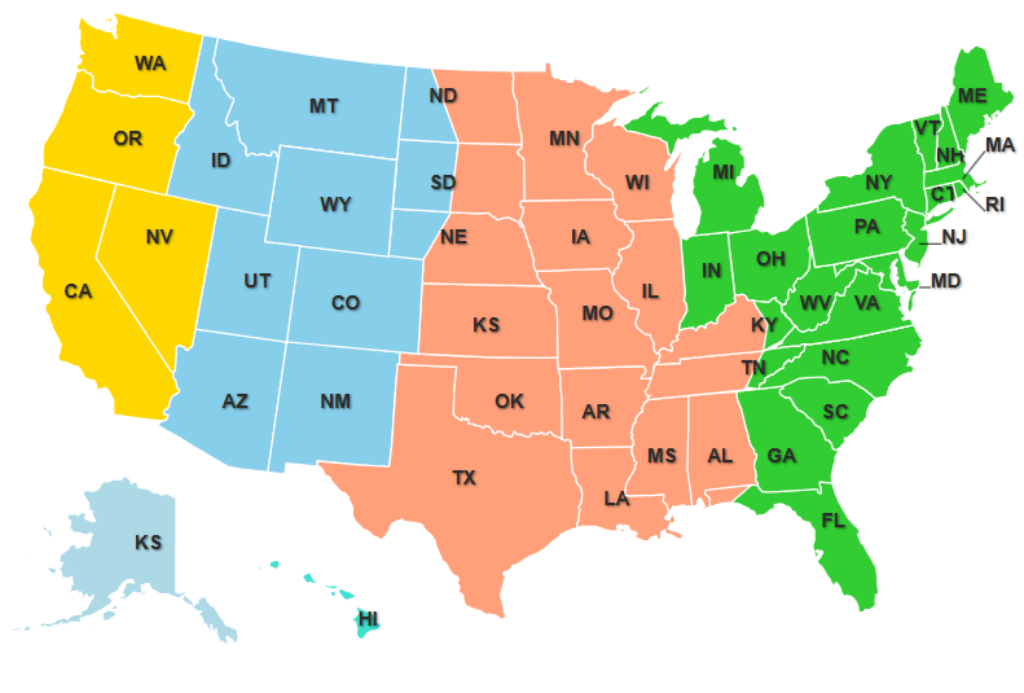
The Mountain Standard Time zone generally encompasses a broad swathe of the western United States, stretching from Canada to Mexico. Its standard offset from Coordinated Universal Time (UTC) is UTC-7. This means that during periods when other regions are observing DST and are on UTC-6 (like MDT), Arizona remains at UTC-7. Conversely, when other regions have reverted to Standard Time (e.g., Central Standard Time, CST, at UTC-6), Arizona remains on MST (UTC-7), thus creating a larger time difference than might be initially expected.
The significance of being on MST year-round is that Arizona’s time aligns with UTC-7 throughout the entire calendar year. This consistency simplifies things for many within the state, as there are no sudden clock changes to remember. For businesses and individuals interacting with Arizona, however, it requires careful attention to the DST status of the other party’s location.
The Exception: The Navajo Nation
While the vast majority of Arizona adheres to MST year-round, there is a notable exception: the Navajo Nation. This sovereign tribal nation, which spans parts of Arizona, New Mexico, and Utah, does observe Daylight Saving Time. This means that for a portion of the year, the Navajo Nation observes Mountain Daylight Time (MDT), which is UTC-6.
This creates a unique temporal boundary within Arizona. If you are traveling from a part of Arizona that does not observe DST (like Phoenix or the Grand Canyon National Park) into the Navajo Nation (which includes areas like Monument Valley and Canyon de Chelly), you will experience a one-hour time difference during the DST period. Similarly, if you are traveling from New Mexico or Utah (which observe DST) into the Navajo Nation, your time will be the same. However, if you are traveling from the Navajo Nation into the rest of Arizona during DST, you will need to set your clock back by one hour.
This distinction is crucial for planning any travel or activities within or near the Navajo Nation during the months when DST is active in other parts of the United States. Websites and travel guides often highlight this difference, and it’s wise to confirm local times when booking tours or arranging meetings in these specific areas.
Why Arizona Doesn’t Observe Daylight Saving Time
Arizona’s decision to forgo Daylight Saving Time is rooted in a combination of historical factors and practical considerations, primarily related to its unique climate.
Historical Context and the “Saving” of Daylight
The concept of Daylight Saving Time gained traction in the early 20th century as a means to conserve energy and make better use of natural daylight. The idea was that by advancing clocks, people would have more daylight in the evenings, potentially reducing the need for artificial lighting. However, the effectiveness and desirability of DST have been debated for decades, with various regions adopting and repealing it based on local circumstances and perceived benefits or drawbacks.
In the United States, DST was formally adopted nationwide during World War I and again during World War II for energy conservation. After a period of varied state and local observances, the Uniform Time Act of 1966 established a system for DST nationwide, but allowed states to opt out.
Climate and Energy Conservation in Arizona

Arizona’s decision to remain on Mountain Standard Time year-round is largely driven by its hot desert climate. During the summer months, temperatures in many parts of the state soar, and the peak electricity demand occurs in the late afternoon and early evening when people return home, turn on air conditioners, and use appliances.
Proponents of remaining on MST argue that observing DST would exacerbate this problem. If clocks were moved forward, the hottest part of the day would be extended into the evening, increasing the demand for air conditioning during what is already the hottest part of the day. This would not only lead to higher energy consumption but also potentially strain the power grid. Furthermore, residents in the southern parts of the state, like Tucson and Phoenix, experience extremely high temperatures, and pushing daylight hours later into the evening would mean spending more time outdoors in the peak heat.
The argument for energy conservation through DST is therefore seen as less compelling, or even counterproductive, in the context of Arizona’s climate. By staying on MST, the hottest part of the day arrives earlier, and the cooler evening hours begin sooner, which is perceived as more beneficial for energy use and overall comfort.
Practical Benefits for Residents and Businesses
For many residents of Arizona, the absence of clock changes provides a sense of stability and predictability. There’s no need to remember to adjust clocks twice a year, and the temporal relationship with surrounding states that do observe DST remains consistent for most of the year. This simplifies daily routines and reduces the potential for confusion.
For businesses, particularly those operating across state lines, this consistent time zone can also be an advantage. While coordination with states that observe DST requires awareness, the lack of internal clock shifts within Arizona minimizes operational disruptions related to time changes.
Planning Your Arizona Adventure: Time Zone Considerations
Understanding Arizona’s time zone situation is paramount for a smooth and enjoyable visit. Whether you’re marveling at the geological wonders of the Grand Canyon, exploring the vibrant arts scene in Scottsdale, or immersing yourself in the historic charm of Tombstone, being aware of the time will ensure you don’t miss a beat.
Navigating Travel and Accommodation Bookings
When booking flights into or out of Arizona, or arranging ground transportation, always confirm the local time at your destination. For example, if you are flying into Phoenix Sky Harbor International Airport, you will be arriving in MST. However, if your connecting flight or onward journey involves a stopover in a state observing MDT, be mindful of the one-hour difference.
Similarly, when booking hotels or other accommodations, pay close attention to check-in and check-out times. Most hotels in Arizona will operate on MST year-round. However, if you are staying in an area within the Navajo Nation during the DST period, you might need to adjust your schedule accordingly. For instance, if you plan to visit Antelope Canyon or attend a cultural event in Kayenta, confirm the exact local time. Websites for accommodations like The Canyon Gateway Hotel or Little America Hotel will typically indicate their local time zone, but it’s always a good practice to double-check, especially around the periods when DST begins or ends in other states.
Sightseeing and Activity Scheduling
Many of Arizona’s most iconic attractions, such as Sedona’s red rocks, Petrified Forest National Park, and the unique geological formations of Kartchner Caverns State Park, do not observe DST. This means their operating hours and recommended visiting times remain consistent throughout the year, relative to MST.
However, if your itinerary includes the Navajo Nation, remember the DST caveat. For example, guided tours of Antelope Canyon are highly sought after and operate on specific schedules. During DST, if you’re coming from Flagstaff (MST), you’ll need to adjust your watch by an hour when entering the Navajo Nation (MDT). This can affect the timing of sunrise or sunset photography opportunities, or the availability of specific cultural experiences. Always verify tour operator schedules and local event timings well in advance.
For those interested in the Grand Canyon National Park, the South Rim and West Rim operate on MST year-round. However, if your travel plans take you to areas near the Four Corners Monument (which straddles Arizona, New Mexico, Colorado, and Utah), be aware that Colorado and Utah observe DST, while Arizona (outside the Navajo Nation) does not. This can create a one-hour difference at this unique geographical point.
Budgeting and Lifestyle Travel Considerations
For budget travelers and those seeking longer stays, understanding time zones can also impact planning. For instance, coordinating with remote workers or online services might require careful scheduling to accommodate the DST difference. Luxury travelers might also find that some high-end resorts or exclusive experiences, particularly those operating on a wider regional or national basis, will have schedules that account for DST in other locations.
When considering lifestyle travel, such as a family road trip or a business stay, the consistent time in most of Arizona can simplify logistics. However, if your trip intersects with the Navajo Nation during DST, or if you are traveling to or from neighboring states that observe DST, factoring in the one-hour shift is essential. This can impact meal reservations, museum visits, and evening entertainment. For example, if you are staying at a resort like the JW Marriott Camelback Inn Scottsdale Resort & Spa and then plan a day trip into the Navajo Nation, remember to adjust your departure and return times accordingly.
In conclusion, while the question “What timezone is Arizona in now?” might seem straightforward, the reality is nuanced. For the majority of the state, the answer is perpetually Mountain Standard Time (MST). However, the Navajo Nation‘s observance of Daylight Saving Time adds a layer of complexity that requires attention, especially during the months of DST. By understanding these temporal dynamics, travelers and residents can navigate Arizona with greater ease, ensuring that their plans align perfectly with the sun and the clock, making their experiences in this captivating state as seamless as possible.
LifeOutOfTheBox is a participant in the Amazon Services LLC Associates Program, an affiliate advertising program designed to provide a means for sites to earn advertising fees by advertising and linking to Amazon.com. Amazon, the Amazon logo, AmazonSupply, and the AmazonSupply logo are trademarks of Amazon.com, Inc. or its affiliates. As an Amazon Associate we earn affiliate commissions from qualifying purchases.