
Arizona, a state renowned for its dramatic desert landscapes, vibrant cities, and rich cultural tapestry, experiences a distinct transition into autumn. While the stereotypical image of fall often conjures up images of crisp air and colorful foliage, Arizona’s interpretation of the season is unique, shaped by its diverse geography and arid climate. Understanding when fall truly begins in the Grand Canyon State involves more than just checking a calendar date; it’s about recognizing the subtle shifts in temperature, the changing hues of the landscape, and the array of activities that emerge with the cooler weather.
For many, the official start of fall is dictated by the autumnal equinox, typically occurring around September 22nd or 23rd. However, for those living in or planning a trip to Arizona, this astronomical marker often precedes the feeling of fall. The intense heat of the summer, which can linger well into October in some regions, means that the sensory experience of autumn might not fully arrive until later. This delay is particularly pronounced in the lower desert elevations like Phoenix and Tucson, where temperatures can remain in the high 80s and 90s Fahrenheit for weeks after the equinox.
Embracing the Shift: From Summer’s Embrace to Autumn’s Kiss
The transition into fall in Arizona is a gradual affair, a gentle unwinding from the fiery grip of summer. It’s a period characterized by a slow but welcome descent in temperatures, a shift that opens up a world of outdoor exploration and cultural experiences previously tempered by the sun’s intensity. While the iconic fall foliage of the Northeast might be a distant dream, Arizona offers its own brand of autumnal beauty and activities, appealing to a wide range of travelers and residents.
The Unfolding of the Equinox and its Impact
The autumnal equinox marks the astronomical beginning of fall in the Northern Hemisphere, a moment when day and night are of nearly equal length. In Arizona, this celestial event typically falls on September 22nd or 23rd each year. While this date is universally recognized, the immediate impact on the Arizona climate can be less dramatic than in cooler regions. The state’s diverse elevations play a significant role in how and when fall is perceived.
-
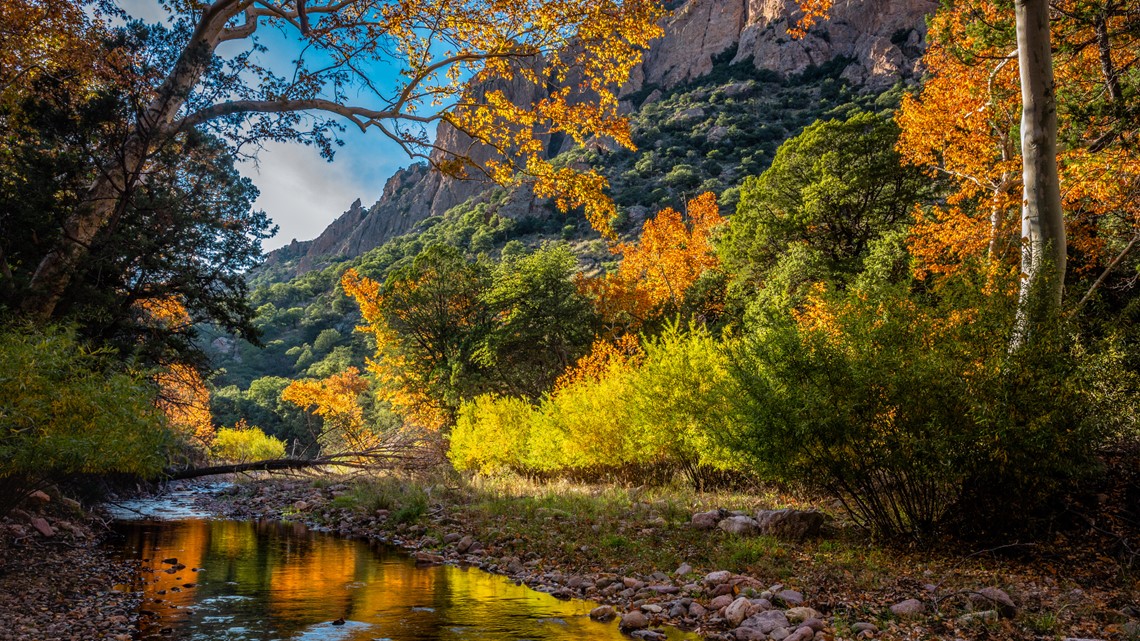
Northern Arizona: Areas like the Grand Canyon National Park, Flagstaff, and the White Mountains experience a more pronounced and earlier shift. By late September and into October, temperatures in these higher elevations can drop significantly, often reaching pleasantly cool daytime highs in the 60s and 70s Fahrenheit, with nighttime lows dipping into the 40s and 50s. This is when the first hints of autumn color begin to appear, particularly in the aspens and cottonwoods at higher altitudes. Hiking trails become more inviting, and the crisp mountain air offers a refreshing change from the summer heat. The Mogollon Rim region also benefits from this early autumnal embrace, showcasing stunning vistas with subtle color changes in the Ponderosa pines and junipers.
-
Central and Southern Arizona: In the desert valleys, such as Phoenix, Tucson, and Scottsdale, the true arrival of fall is a more protracted process. The mercury can still hover in the high 80s and 90s Fahrenheit well into October. For these areas, “fall” is less about immediate temperature drops and more about the gradual reprieve from the extreme summer heat. While the landscape may not erupt in a riot of red and gold leaves, the golden hues of the desert itself take on a warmer, richer tone under the gentler sunlight. Evenings offer a welcome coolness, making outdoor dining and evening strolls more enjoyable. The iconic saguaro cacti, with their stoic presence, remain a constant, but the overall feeling of the season begins to shift as the relentless sun softens its glare.
Beyond the Calendar: Experiencing Arizona’s Autumnal Vibe
While the equinox provides a definitive point on the calendar, the true essence of fall in Arizona is often felt through a combination of atmospheric changes and the unfolding of seasonal events. It’s a time when the state sheds its scorching summer persona and dons a more relaxed, inviting demeanor, perfect for exploration.
The shift in daylight hours, even if not immediately accompanied by a drastic temperature drop, signals a change. The sun’s angle becomes lower, casting longer shadows and bathing the desert in a warm, golden light, especially during the “golden hour” before sunset. This change in illumination transforms familiar landscapes, highlighting the textures of the rock formations and the subtle colors of the desert flora.
The fauna also begins to respond. While many desert creatures remain active year-round, the cooler temperatures can lead to increased activity in some species, offering better opportunities for wildlife spotting during guided tours or hikes. Bird migration patterns also begin to shift, presenting new opportunities for birdwatchers.
Activities and Attractions: Making the Most of Arizona’s Fall Season
As temperatures moderate, Arizona transforms into an outdoor enthusiast’s paradise. The cooler weather unlocks a plethora of activities, from hiking and exploring national parks to enjoying vibrant city life and experiencing local festivals. Whether you’re seeking adventure, cultural immersion, or simply a comfortable climate for sightseeing, Arizona in the fall delivers.
Outdoor Adventures and Scenic Wonders
The cooler climate of fall makes it the ideal time to explore Arizona’s breathtaking natural landscapes. This is when the state truly shines, offering a respite from the summer’s intense heat and allowing for more comfortable and extensive exploration.
-
Hiking and Camping: Trails that were too arduous to tackle during the summer months become inviting. The Grand Canyon National Park offers incredible hiking opportunities, with the cooler temperatures making descents and ascents more manageable. Trails like the South Kaibab Trail or the Bright Angel Trail become significantly more pleasant. Similarly, Sedona, with its iconic red rock formations, becomes a prime destination for hiking. The moderate temperatures allow visitors to fully appreciate the stunning scenery without the risk of heatstroke. Camping across the state, from the pine forests of the White Mountains to the desert campgrounds, becomes a far more enjoyable experience.
-
National Parks and Monuments: Beyond the Grand Canyon, other iconic landmarks like Petrified Forest National Park, Saguaro National Park, and Monument Valley are best visited during the fall. The cooler weather enhances the experience of exploring these unique geological and cultural sites. Driving the scenic byways, such as the Apache Trail, becomes more comfortable, allowing for leisurely stops to admire the vistas.
-
Water Activities: While the intense heat of summer drives many to water activities, fall still offers opportunities, particularly in the earlier part of the season or in the more southern regions. Lakes like Lake Powell and Lake Mead remain popular for boating and kayaking, with the cooler air making for a more pleasant experience on the water. Rivers such as the Salt River and Verde River can still be enjoyed for kayaking and rafting, especially on warmer fall days.
Cultural Experiences and Local Flavors
Fall in Arizona is also a time when the state’s cultural calendar comes alive. The cooler evenings and the shift away from peak summer tourism encourage a vibrant array of local events, festivals, and culinary experiences.
-
Festivals and Events: Many of Arizona’s signature festivals are held in the fall. These often celebrate the harvest, local heritage, and the changing season. Expect to find anything from the Arizona State Fair in Phoenix, which typically kicks off in late September or early October, offering rides, food, and entertainment, to smaller community events celebrating local art, music, and food. The unique cultural heritage of the state is often showcased through pow-wows and cultural festivals hosted by Native American tribes.
-
Culinary Delights: The cooler weather encourages outdoor dining and exploring the diverse culinary scene. Restaurants in cities like Phoenix, Tucson, and Scottsdale often feature patios and outdoor seating, which become much more appealing as the temperatures drop. This is also the season for enjoying hearty, comforting dishes and sampling local produce. While Arizona is known for its summer produce, the fall harvest brings its own set of delights, including various types of squash and other cooler-weather crops. Exploring farmers’ markets becomes a popular weekend activity.
-
Arts and Entertainment: Cities and towns across Arizona come alive with cultural activities. Museums offer new exhibits, and performing arts venues stage their fall productions. The more temperate climate makes it ideal for exploring the art galleries in Sedona or attending outdoor concerts and performances that might have been too uncomfortable during the summer.
Planning Your Arizona Fall Getaway: Tips and Considerations
To fully capitalize on the charms of an Arizona fall, thoughtful planning is essential. Understanding the nuances of the state’s diverse climate and considering your specific interests will help ensure a memorable trip.
Packing and Preparation: Dressing for the Desert’s Autumn
Arizona’s fall weather can be highly variable, especially when crossing different elevations. The key to comfortable travel is layering and being prepared for a range of temperatures.
-
Temperature Fluctuations: Pack clothing that can be easily added or removed. Mornings and evenings can be quite cool, particularly in the northern parts of the state, while afternoons can still be warm, especially in the desert lowlands. Lightweight, breathable fabrics are ideal for daytime wear, while sweaters, fleeces, and light jackets are essential for cooler periods.
-
Sun Protection: Despite the cooler temperatures, the Arizona sun remains strong. Sunscreen, hats, and sunglasses are crucial for all outdoor activities. Even on cloudy days, UV rays can be intense.
-
Footwear: Comfortable walking shoes or hiking boots are a must, given the abundance of opportunities for exploration. If you plan on hiking in the mountains, sturdy, broken-in boots are highly recommended.
Accommodation and Travel Choices
Arizona offers a wide spectrum of accommodation options, catering to every budget and travel style. Fall is a popular time to visit, so booking in advance is advisable, especially for sought-after locations.
-
Diverse Lodging Options: From luxurious resorts in Scottsdale and Sedona to charming bed and breakfasts in historic towns like Jerome or Bisbee, and economical hotels in cities like Phoenix and Tucson, there’s something for everyone. For those seeking a more immersive experience, consider renting a villa or an apartment, especially for longer stays. Many hotels offer special fall packages or discounts as the peak summer season winds down.
-
Transportation: Renting a car is often the most practical way to explore Arizona, allowing for flexibility and the ability to access more remote attractions. Major rental agencies operate at airports in Phoenix Sky Harbor International Airport and Tucson International Airport. For travel between major cities, the Arizona Department of Transportation maintains a well-developed highway system.
-
Booking in Advance: As mentioned, fall is a peak travel season for Arizona. To secure your preferred accommodations and any specific tours or activities, it is strongly recommended to book well in advance, particularly if your travel dates coincide with major holidays or local festivals.

Navigating Arizona’s Unique Fall Environment
Understanding the specifics of Arizona’s geography and climate will enhance your fall experience.
-
Elevation Matters: Always be aware of the elevation of your destination. A day trip from the hot desert floor to the cooler Grand Canyon South Rim can mean a significant temperature difference. Pack accordingly.
-
Desert Etiquette: If exploring desert areas, be mindful of the environment. Stay on marked trails to protect fragile desert ecosystems and be aware of potential hazards like snakes or scorpions, which may still be active in warmer periods. Carry plenty of water, even on shorter excursions.
-
Embrace the Golden Light: The fall light in Arizona is exceptionally beautiful. Take advantage of the early mornings and late afternoons to capture stunning photographs and simply soak in the unique atmosphere. The softer sunlight can make even the most rugged landscapes appear magical.
In conclusion, while the calendar might point to September 22nd or 23rd, the true start of fall in Arizona is a sensation, a gradual shift that unfolds differently across its varied landscapes. From the crisp mountain air of Flagstaff to the lingering warmth of the Tucson desert, autumn in Arizona is a season of transition, offering a unique blend of outdoor adventure, cultural richness, and breathtaking scenery that invites exploration and appreciation.
LifeOutOfTheBox is a participant in the Amazon Services LLC Associates Program, an affiliate advertising program designed to provide a means for sites to earn advertising fees by advertising and linking to Amazon.com. Amazon, the Amazon logo, AmazonSupply, and the AmazonSupply logo are trademarks of Amazon.com, Inc. or its affiliates. As an Amazon Associate we earn affiliate commissions from qualifying purchases.