
The Arizona monsoon season is a highly anticipated, yet sometimes daunting, period for both residents and visitors. Characterized by dramatic shifts in weather, from scorching heat to powerful thunderstorms, it’s a time of year that significantly impacts travel plans, outdoor activities, and the overall Arizona experience. Understanding when this annual phenomenon occurs and what to expect is crucial for making the most of your visit or stay, whether you’re drawn by the allure of its vast desert landscapes, the promise of luxurious resorts, or the rich tapestry of its local culture.
The monsoon, a term derived from the Arabic word “mausim” meaning season, refers to a seasonal change in prevailing wind direction. In Arizona, this translates into a period where moisture-laden air surges northward from the Gulf of California and the Pacific Ocean, colliding with the intensely heated desert air. This atmospheric collision ignites a cascade of weather events, most notably the spectacular and often intense thunderstorms that define the monsoon.

The Annual Cycle: Timing and Duration of Arizona’s Monsoon
The precise timing of the Arizona monsoon can fluctuate year to year, but it generally begins in mid-June and extends through September. This four-month window represents the peak season for this dramatic weather pattern. Early June often signals the building heat that primes the atmosphere for the monsoon’s arrival. By mid-June, the first signs of increased humidity and the potential for scattered thunderstorms typically emerge, particularly in the higher elevations of northern and eastern Arizona.
Peak Monsoon Months
July and August are unequivocally the heart of the Arizona monsoon. During these months, the frequency and intensity of thunderstorms typically reach their zenith. Cities like Phoenix and Tucson experience a significant uptick in rainfall, often delivered in short, powerful bursts accompanied by lightning, thunder, and strong winds. While the desert itself can seem to absorb much of the initial downpour, flash floods can become a serious concern, transforming dry washes and low-lying areas into treacherous torrents.
The effects of the monsoon are not uniform across the state. Northern Arizona, with its higher elevations and proximity to the Four Corners region, often sees the monsoon arrive slightly earlier and experience more consistent rainfall. Areas like Flagstaff, Sedona, and the Grand Canyon can be particularly susceptible to dramatic storm activity. Southern Arizona, while also experiencing monsoon conditions, can sometimes see a more variable pattern, with periods of intense storms interspersed with dry spells.
The Winds of Change: Understanding Monsoon Dynamics
The driving force behind the Arizona monsoon is the shift in prevailing winds. For most of the year, Arizona is dominated by dry air masses originating from the continental interior. However, as the summer heat intensifies across the Sonoran Desert and Chihuahuan Desert, a thermal low-pressure system develops. This low-pressure system draws in cooler, moister air from the south.
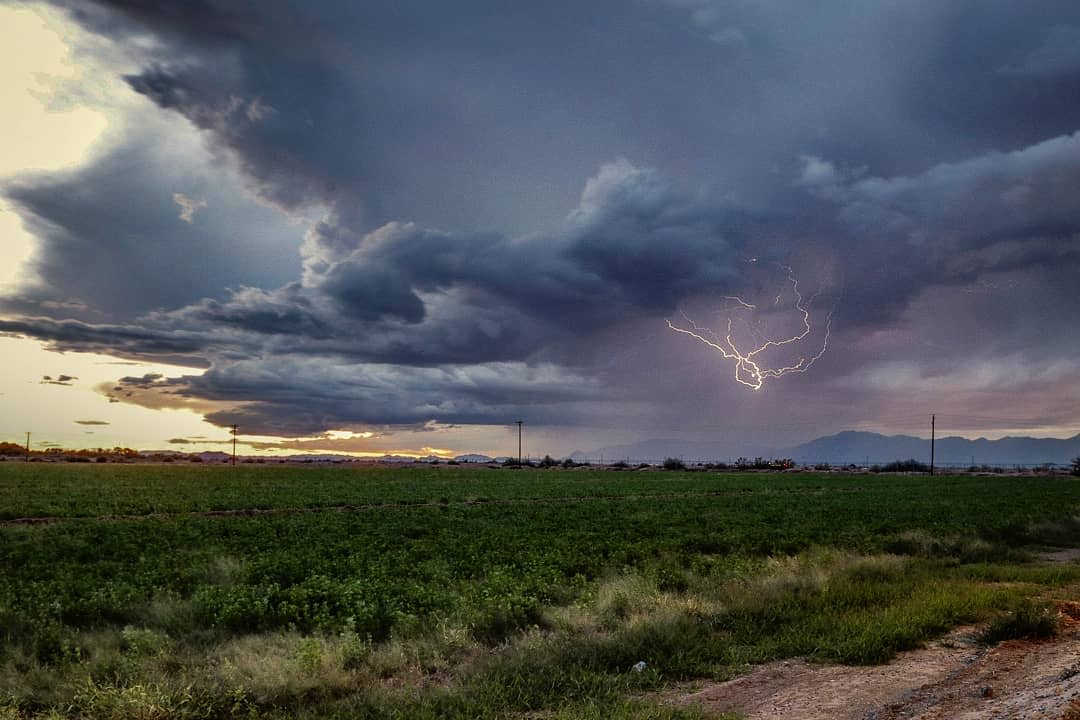
This influx of moisture is crucial. It’s the fuel for the thunderstorms. The warm, unstable air rises rapidly, cools, and condenses, forming towering cumulonimbus clouds. These clouds are the harbingers of the monsoon’s most dramatic displays: torrential rain, hail, and lightning. The winds associated with these storms can be exceptionally strong, kicking up dust and creating localized “haboobs” – large dust storms that can reduce visibility to near zero.
The presence of the Rocky Mountains also plays a role in shaping the monsoon’s behavior. As the moisture-laden air moves northward, it interacts with the mountainous terrain, forcing it to rise further, which can enhance thunderstorm development.
Experiencing the Monsoon: Travel and Lifestyle Considerations
The Arizona monsoon season offers a unique set of challenges and opportunities for travelers and those seeking a particular lifestyle experience. While the intensified heat preceding the storms can be oppressive, the monsoon brings a refreshing change and spectacular natural phenomena.
Embracing the Elements: Activities and Attractions
For many, the monsoon season is a time to appreciate the transformative power of nature. The desert, often perceived as barren, bursts to life with renewed greenery after substantial rainfall. This is a prime time for wildflower viewing in certain areas, although the timing and abundance depend on the severity and distribution of the rainfall.
The dramatic thunderstorms themselves are a spectacle. Many visitors and locals enjoy “monsoon watching,” seeking safe vantage points to witness the lightning shows and the sheer power of nature. The sound of thunder echoing through the canyons and the sight of rain curtains descending upon the desert landscape are unforgettable experiences.

For those staying in resorts or hotels, the monsoon can offer a more relaxed pace. Luxury travel might involve enjoying the amenities of a high-end resort while waiting out a storm, perhaps with a cocktail in hand, watching the dramatic weather unfold from a comfortable suite. Many hotels and resorts in Arizona, such as the Arizona Biltmore, A Waldorf Astoria Resort, or Sanctuary Camelback Mountain, A Gurney’s Resort & Spa, are well-equipped to provide a comfortable and engaging experience even during periods of heavy rain.
Travel Safety and Preparation
Despite the allure, the monsoon season demands respect and careful planning. Flash floods are a significant danger. It is imperative to never drive or walk through flooded washes or roadways. “Turn around, don’t drown” is a critical mantra for anyone venturing out during monsoon activity. Awareness of local weather forecasts and storm warnings is paramount.
Travelers planning outdoor activities like hiking in Sedona or exploring the Grand Canyon should remain flexible. Trails can become dangerous due to slippery conditions, flash flood risks, and lightning. Many national and state parks issue advisories and may temporarily close certain areas during active monsoon periods. If you’re planning to visit iconic landmarks like the Grand Canyon, checking park conditions and advisories is essential.
Accommodation choices can also be influenced. While some may opt for a cozy stay in a villa or apartment, others might prefer the security and services of a well-established hotel or resort. Booking in advance is always recommended, especially for popular destinations, but understanding the monsoon’s potential impact on travel schedules can help in making informed decisions. Comparing accommodation options and reading reviews that might mention monsoon experiences can be beneficial.
For those considering longer stays or exploring budget travel options, understanding the monsoon’s impact on accessibility and the potential for unexpected delays is key. While Arizona is a year-round destination, the monsoon season presents a unique aspect that, with proper preparation, can lead to a richer and more authentic experience of the state’s dynamic environment and local culture.
The Monsoon’s Impact on the Landscape and Local Life
The Arizona monsoon season is not just a meteorological event; it’s a fundamental part of the state’s ecosystem and the rhythm of life for its inhabitants and visitors. The arrival of rain after months of intense heat brings a palpable sense of relief and renewal.
Desert Rebirth and Biodiversity
The increased moisture revitalizes the arid landscape. Desert plants, dormant during the dry spells, respond with rapid growth. The ephemeral wildflowers that dot the desert floor after significant rainfall are a testament to this rebirth. This period can be a boon for nature enthusiasts and photographers, offering unique opportunities to capture the desert in its most vibrant state.
The monsoon also affects the state’s wildlife. Amphibians, such as the Couch’s spadefoot toad, emerge from their underground burrows to breed. The increased availability of water and the flush of vegetation support a wider range of animal activity. Birdlife, in particular, can be dynamic during this period.
Cultural Significance and Traditions
The monsoon season has deep cultural roots in Arizona, particularly for the indigenous peoples of the region. For centuries, these communities have relied on the seasonal rains for agriculture, and their traditions and ceremonies are often tied to its arrival and patterns. Understanding this cultural significance adds another layer of appreciation for the season.
The dramatic weather also influences local folklore and storytelling. The raw power of the thunderstorms, the sudden transformation of the landscape, and the life-giving rain all contribute to a rich narrative tapestry. For those interested in local culture, experiencing the monsoon can offer insights into the enduring relationship between the people and the land.
Planning Your Trip Around the Monsoon
When planning a trip to Arizona, especially if your itinerary involves significant outdoor activities, it’s wise to consider the monsoon season.
- For Hikers and Outdoor Enthusiasts: July and August can be challenging. Early mornings are crucial to avoid the worst of the heat and the afternoon storm potential. Always carry ample water, know your route, and be aware of the weather forecast. Sedona and areas with canyons can be particularly prone to flash floods.
- For City Explorers: Cities like Phoenix and Tucson offer plenty of indoor attractions, from world-class museums and art galleries to renowned restaurants and shopping districts. The monsoon storms can provide a dramatic backdrop to urban exploration, often clearing the air and offering cooler temperatures after the rain.
- For Resort Stays: If luxury travel or a relaxed resort experience is your goal, the monsoon season can be ideal. The dramatic skies add to the atmosphere, and you can enjoy the indoor amenities without the intense heat. Many resorts offer packages that can be particularly attractive during this time.
- For Photographers: The monsoon offers unparalleled photographic opportunities – dramatic cloud formations, lightning, rainbows, and the vibrant green landscape. Just remember to protect your equipment from the moisture and to practice safety.
Ultimately, the Arizona monsoon season is a period of intense natural beauty and dynamic change. By understanding its timing, its characteristics, and its potential impacts, you can plan a trip that allows you to witness this incredible natural phenomenon safely and to its fullest, whether your interests lie in exploring landmarks, enjoying the offerings of luxury hotels, or immersing yourself in the unique lifestyle of the Grand Canyon State.
LifeOutOfTheBox is a participant in the Amazon Services LLC Associates Program, an affiliate advertising program designed to provide a means for sites to earn advertising fees by advertising and linking to Amazon.com. Amazon, the Amazon logo, AmazonSupply, and the AmazonSupply logo are trademarks of Amazon.com, Inc. or its affiliates. As an Amazon Associate we earn affiliate commissions from qualifying purchases.