
The sprawling landscapes, the golden hues of the desert sun, and the unhurried rhythm of daily life often lead visitors to wonder: why does Arizona seem as if it is slow moving? It’s a perception that, while perhaps not entirely accurate to the modern pace of its cities, holds a kernel of truth deeply rooted in the state’s unique geography, history, and the very spirit of its people. Arizona isn’t necessarily slow, but rather, it moves to a different beat, one influenced by vast open spaces, a rich cultural tapestry, and a profound connection to the natural world.
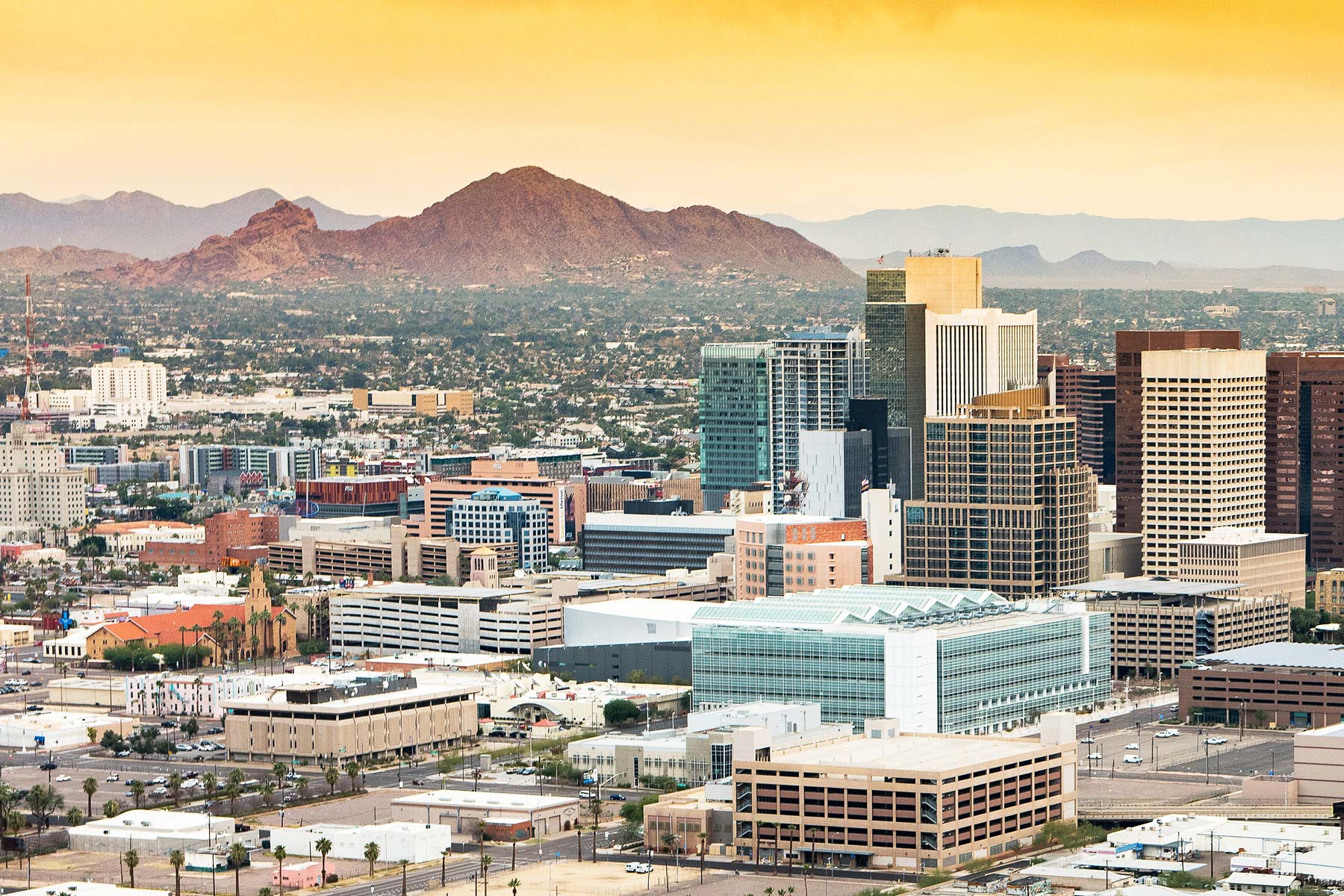
This perception is a compelling aspect of the Arizona experience, a characteristic that attracts many seeking an escape from the frenetic energy of more densely populated areas. Whether you’re exploring the iconic red rocks of Sedona or experiencing the vibrant culture of Tucson, the feeling of a more relaxed pace often permeates. It’s a state where time can feel more expansive, allowing for deeper immersion in its attractions and a genuine connection with its surroundings.
The Influence of Vast Open Spaces and Natural Wonders
One of the most significant contributors to the feeling of a slow-moving pace in Arizona is its sheer scale and the dominance of its natural landscapes. The state boasts some of the most breathtaking and expansive vistas in the United States, from the majestic grandeur of the Grand Canyon to the surreal beauty of the Saguaro National Park. These natural wonders demand a certain reverence, a willingness to slow down and absorb their immensity.
The Rhythms of the Desert and its Iconic Landmarks
The desert itself, with its subtle shifts in light and temperature, dictates a pace that is far removed from the concrete jungle. The intense heat of the summer months, for instance, naturally encourages a more sedentary lifestyle during the day, with activities often shifting to the cooler mornings and evenings. This cyclical rhythm is deeply ingrained in the desert culture, a survival mechanism that has evolved into a way of life.
The iconic landmarks of Arizona – the towering cacti of the Sonoran Desert, the vibrant hues of Antelope Canyon, the ancient cliff dwellings of Mesa Verde National Park (though technically in Colorado, its influence on the region is undeniable, and similar sites exist in Arizona) – all possess a timeless quality. They have stood for millennia, indifferent to the fleeting concerns of modern life. To stand before them is to feel a sense of perspective, to understand that true significance often unfolds over long periods. This inherent sense of permanence and scale naturally instills a feeling of unhurried contemplation.
The experience of visiting these places is often about the journey as much as the destination. Driving through the open highways, with vistas stretching to the horizon, offers a meditative quality. There’s a sense of freedom and space that encourages one to put away the schedule and simply be. The lack of immediate crowds in many of these natural areas, compared to some more frequented tourist spots, further enhances this feeling of tranquility. It allows for unhurried exploration, ample photo opportunities, and a genuine connection with the environment.
A Deeply Rooted Cultural Heritage
Beyond its natural beauty, Arizona is a state with a rich and layered cultural heritage. The legacy of Native American tribes, Spanish colonial influences, and the enduring spirit of the Old West all contribute to a unique cultural identity that often prioritizes community, tradition, and a grounded approach to life. This heritage fosters a sense of continuity, a connection to the past that can feel grounding and, indeed, slow-moving in its reverence for history.

The Enduring Spirit of the West and Indigenous Traditions
The “Wild West” narrative, while often romanticized, carries with it an ethos of self-reliance, resilience, and a close connection to the land. This spirit, though evolving, still resonates in many parts of Arizona, particularly in its smaller towns and rural communities. Life here often revolves around simpler pleasures, a slower pace of work, and a strong emphasis on personal relationships.
The Indigenous peoples of Arizona, including the Navajo, Hopi, and Apache nations, possess ancient traditions and a profound respect for the natural world. Their cultural practices, passed down through generations, often embody a holistic approach to life, emphasizing balance, harmony, and a deep understanding of the earth’s cycles. Witnessing or participating in cultural events, visiting ancient sites, or simply interacting with the local Indigenous communities can offer a powerful glimpse into a way of life that is inherently less rushed. The intricate artistry of their crafts, the storytelling that preserves their history, and their spiritual connection to the land all speak to a rhythm that is ancient and enduring.
The architecture in many of these regions also reflects this slower pace. Traditional adobe homes, historic missions, and the preserved buildings of frontier towns evoke a sense of stepping back in time. Exploring these places, like the historic buildings in Tombstone, offers a tangible connection to the past and encourages a more leisurely approach to discovery. The absence of skyscrapers and the prevalence of open-air markets and community gatherings further reinforce this feeling of unhurried authenticity.
The Modern Pace: A Contrasting Reality in Urban Centers
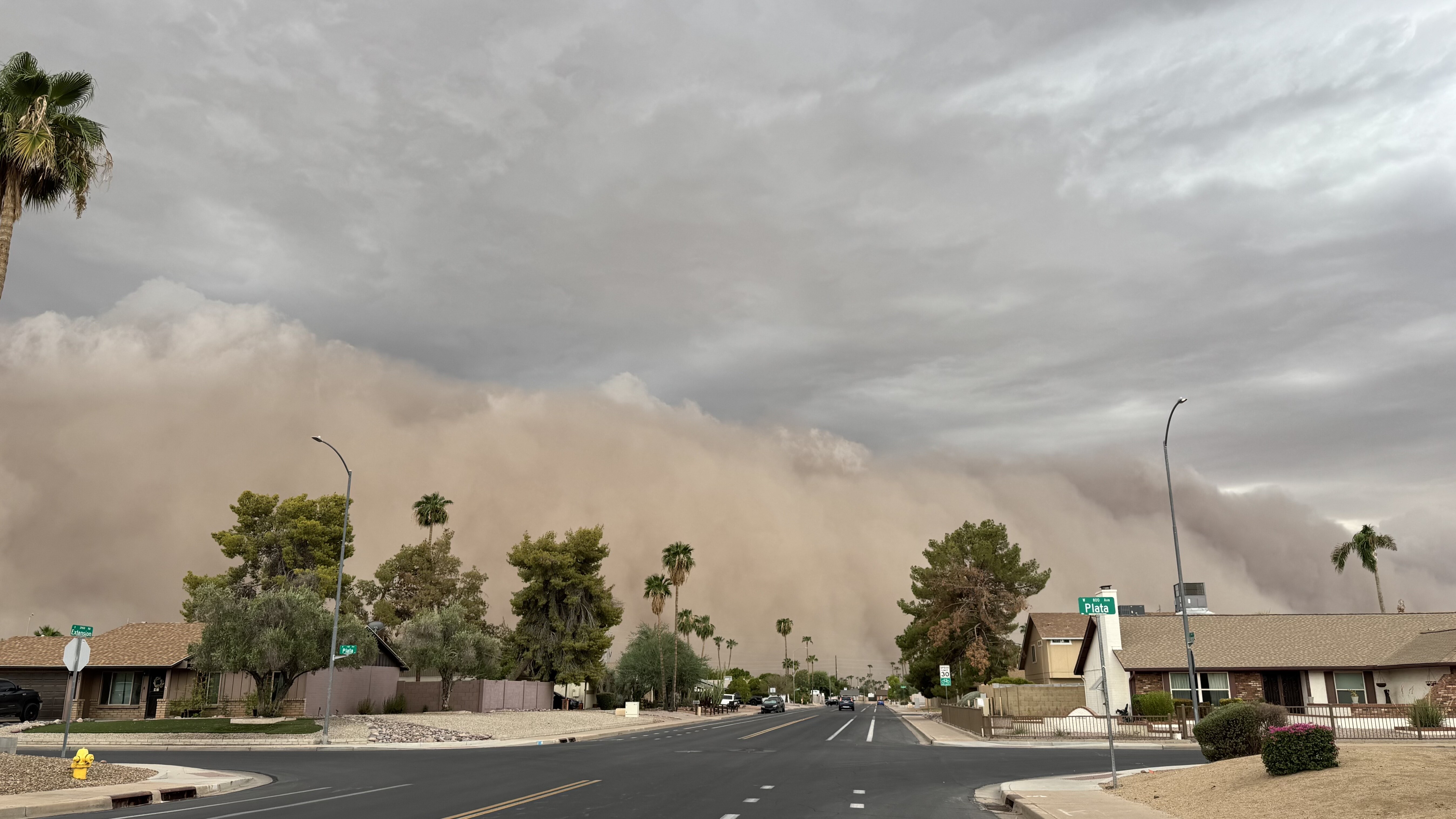
While the perception of Arizona as slow moving is understandable and often a desirable quality for visitors, it’s crucial to acknowledge the dynamic and modern pace of its urban centers. Cities like Phoenix, Scottsdale, and Tempe are hubs of commerce, innovation, and a bustling contemporary lifestyle. Here, you’ll find world-class dining, vibrant nightlife, professional sports teams, and a fast-paced business environment.
Balancing Tradition with Progress
The juxtaposition of these urban environments with the more tranquil rural areas and natural wonders is part of what makes Arizona so captivating. Visitors can experience the thrill of a metropolitan setting and then, within a short drive, find themselves immersed in the profound quietude of the desert or the serene beauty of a mountain landscape.
The tourism industry in Arizona plays a vital role in this balance. Luxurious resorts in Scottsdale, family-friendly hotels in Phoenix, and unique boutique accommodations in smaller towns all cater to a range of preferences. The availability of diverse experiences, from high-octane adventure sports in areas like Flagstaff to leisurely spa retreats, means that the “slow moving” perception is more about the overall atmosphere and the dominant influences of the state’s geography and heritage, rather than a literal lack of activity.
The state is actively engaged in economic development and technological advancement, particularly in the greater Phoenix metropolitan area. This growth attracts new residents and businesses, contributing to a more dynamic urban pulse. However, even within these bustling cities, there’s often a conscious effort to incorporate green spaces, promote outdoor activities, and maintain a certain quality of life that values work-life balance. The expansive nature of the cities themselves, with their spread-out development and ample room for recreation, can paradoxically contribute to a feeling of less congestion and a slightly more relaxed urban experience compared to some older, more densely packed cities.
In essence, Arizona doesn’t necessarily move slowly; it offers a compelling invitation to move at a different pace. It’s a destination where the vastness of its natural beauty, the depth of its cultural traditions, and the intentional design of its modern life converge to create an experience that feels unhurried, profound, and deeply restorative. The “slow moving” perception is less a limitation and more a unique charm, a testament to the enduring power of its landscapes and its rich heritage to shape a distinct way of being. Whether you seek adventure or tranquility, Arizona offers a journey that encourages you to breathe, to observe, and to savor the moments.
LifeOutOfTheBox is a participant in the Amazon Services LLC Associates Program, an affiliate advertising program designed to provide a means for sites to earn advertising fees by advertising and linking to Amazon.com. Amazon, the Amazon logo, AmazonSupply, and the AmazonSupply logo are trademarks of Amazon.com, Inc. or its affiliates. As an Amazon Associate we earn affiliate commissions from qualifying purchases.