
The allure of Boston and Cape Cod represents a classic East Coast dichotomy, offering a compelling blend of urban sophistication and coastal charm. For many travelers, the question of how far these two distinct destinations are from each other is the first step in planning an unforgettable New England adventure. While seemingly close on a map, the answer to “How far is Boston from Cape Cod?” is not a single, simple number. It depends on several factors, including the specific starting point in Boston, the chosen route, the mode of transportation, and crucially, the final destination within the sprawling expanse of Cape Cod.
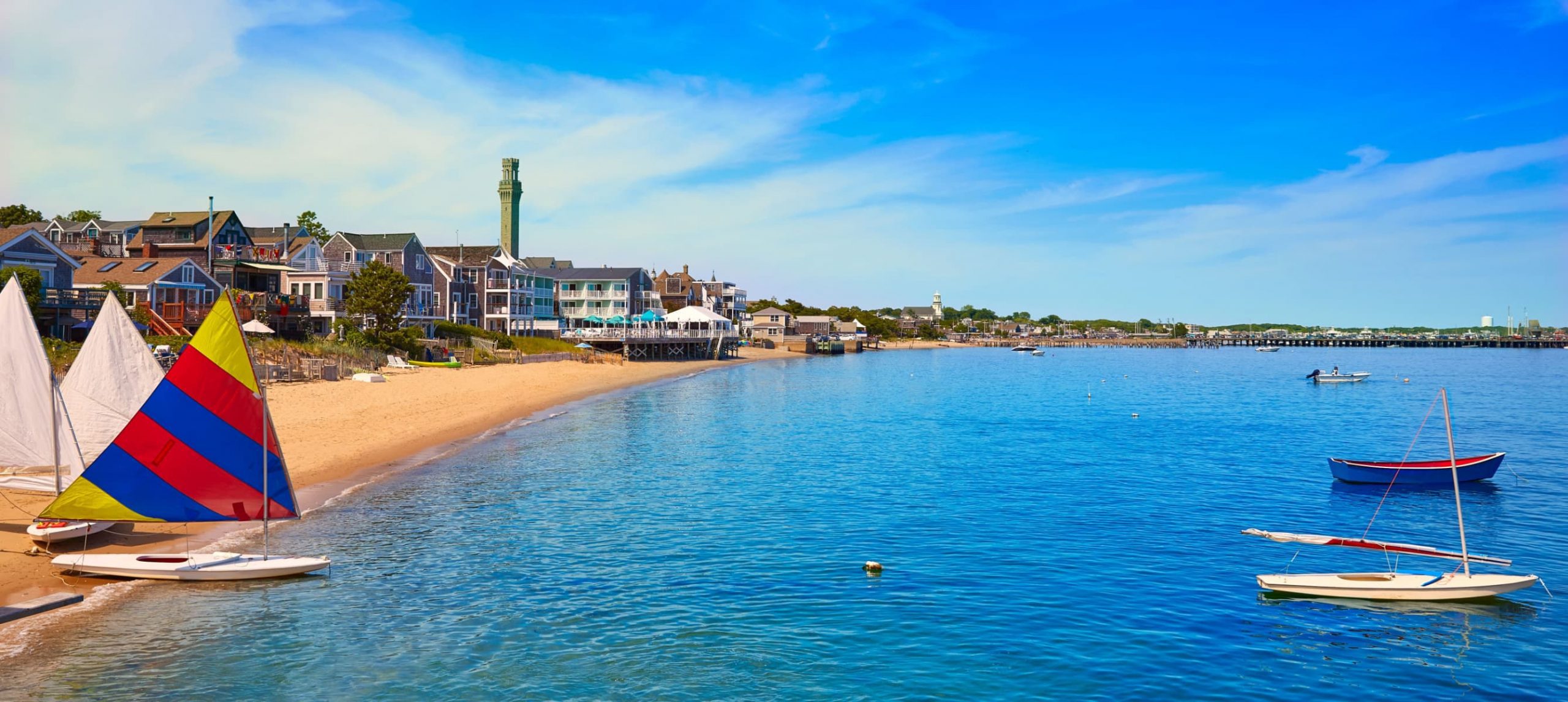
The distance can range from approximately 50 miles to well over 100 miles, translating to travel times that can vary from a little over an hour to several hours. This variability is precisely what makes understanding the nuances of this journey so important for travelers seeking to maximize their New England experience, whether they are embarking on a day trip, a weekend getaway, or a longer vacation.
Navigating the Distance: Boston to Cape Cod by the Numbers
Understanding the distance between Boston and Cape Cod requires a closer look at the geographical realities. Cape Cod itself is a peninsula, a long, curved arm of land jutting into the Atlantic Ocean, and its “end” can be quite far from its “beginning.”
The Gateway to the Cape: Proximity to the Bridge
The most common entry point to Cape Cod for those traveling from Boston is via the Sagamore Bridge or the Bourne Bridge, which span the Cape Cod Canal.
- From Downtown Boston to the Cape Cod Canal Bridges: The distance from the heart of Boston to the Cape Cod Canal bridges is roughly 50 to 60 miles. This portion of the journey typically takes about 1 to 1.5 hours by car, assuming moderate traffic conditions.
The Expanding Reach: Different Destinations within Cape Cod
Once you cross the canal, the true variability in distance and travel time begins. Cape Cod is comprised of numerous charming towns and villages, each offering its own unique character and attractions.
-
To the Upper Cape (e.g., Sandwich, Falmouth): Towns like Sandwich and Falmouth are among the closest to the mainland. From the canal bridges, these destinations are generally an additional 10 to 20 miles away, adding another 20 to 40 minutes to your drive.
-
To the Mid-Cape (e.g., Hyannis, Yarmouth): Central towns like Hyannis and Yarmouth are a bit further east. From the bridges, these locations are typically 20 to 30 miles further, meaning a total driving time from Boston of around 1.5 to 2.5 hours. Hyannis, in particular, is a major hub with ferry services to the islands, making it a popular starting point.
-
To the Lower Cape (e.g., Chatham, Orleans): As you continue east towards the “elbow” of the Cape, destinations such as Chatham and Orleans become accessible. These towns are generally 30 to 45 miles beyond the canal bridges. Your total journey from Boston to these charming locales could be in the range of 2 to 3 hours.
-
To the Outer Cape (e.g., Provincetown, Truro): The furthest reaches of Cape Cod, particularly the beloved towns of Provincetown and Truro at the very tip, represent the longest possible drive. From Boston, reaching Provincetown can involve a drive of approximately 80 to 100 miles, taking anywhere from 2.5 to 4 hours or even more, depending heavily on traffic.
Factors Influencing Travel Time and Distance
Beyond the sheer mileage, several critical factors can significantly impact your journey from Boston to Cape Cod, influencing both perceived distance and actual travel time.
The Role of Traffic and Time of Day
Traffic is arguably the most significant variable. Boston is a major metropolitan area, and its roadways, particularly Interstate 93 and Route 3 which lead towards the Cape, can experience heavy congestion.
- Peak Hours: Traveling during weekday rush hours (typically 7-9 AM and 4-6 PM) can add substantial time to your trip.
- Seasonal Demand: During the summer months, especially on weekends and holidays, the roads leading to and from Cape Cod can become extremely busy. Friday afternoons heading to the Cape and Sunday afternoons returning can see significant delays.
- Time of Year: Outside of peak summer season, traffic is generally lighter. However, holiday weekends can still bring a surge of visitors.
Transportation Options: Choosing Your Route
The method you choose to travel will also dictate the distance and your experience.
-
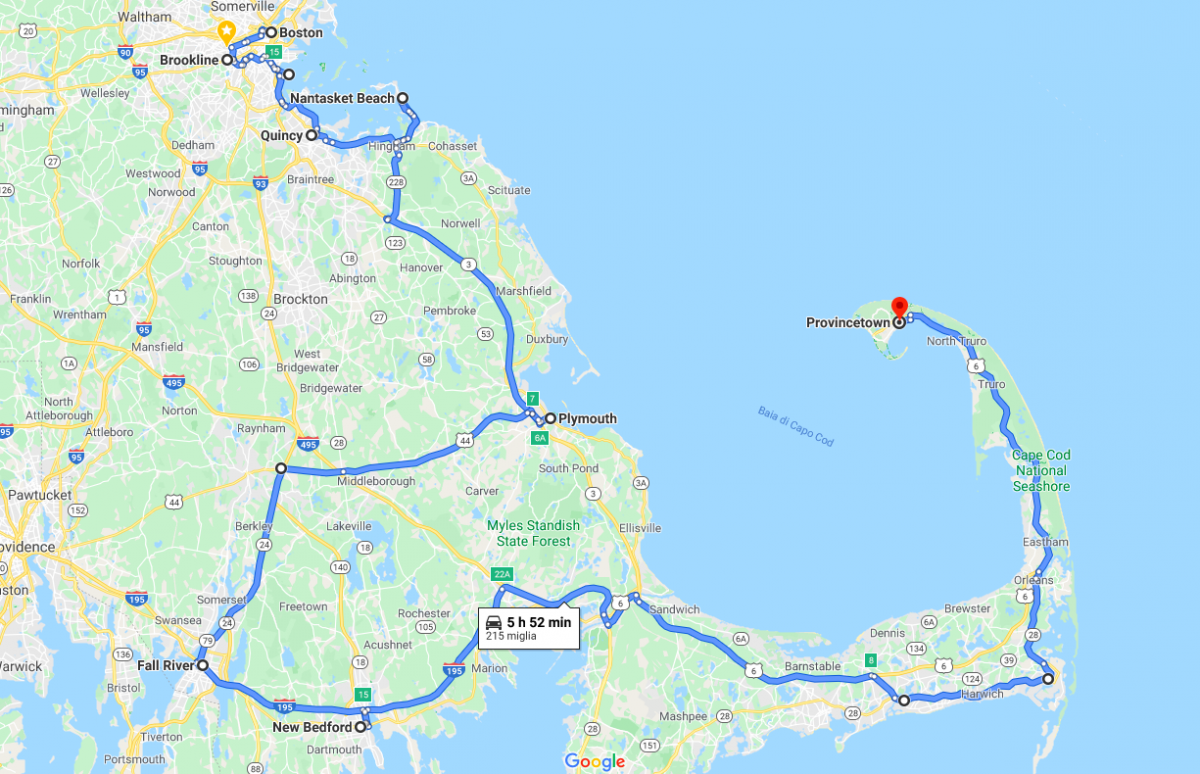
Driving: This is the most common and flexible way to get to Cape Cod. Rental cars are widely available in Boston, offering the freedom to explore at your own pace. The primary route from Boston to the Cape involves taking I-93 South to I-95 South, then connecting to Route 3 South towards the Cape Cod Canal. Once over the canal, you’ll typically navigate via Route 6 or Route 28 to reach your specific destination.
-
Bus Services: Several bus companies operate regular services from Boston to various towns on Cape Cod, including Hyannis and Provincetown. This can be a more budget-friendly option and allows you to relax and enjoy the scenery without the stress of driving. However, travel times can be longer due to multiple stops.
-
Train: While there isn’t a direct train line from Boston to Cape Cod, you can take the MBTA Commuter Rail to Falmouth (via the Steamship Authority ferry from Woods Hole) or to Hyannis. This offers a comfortable and often scenic journey, especially the ferry ride.
-
Ferry Services: For a quicker and more scenic approach to certain parts of the Cape, or for onward travel to the islands of Martha’s Vineyard or Nantucket, ferry services are available. Ferries depart from Boston in the summer, offering a direct route to Provincetown and other destinations. These are often seasonal and weather-dependent.
Choosing Your Cape Cod Base
The specific town or region you choose as your base on Cape Cod will fundamentally determine the travel time from Boston. If your primary interest lies in the quaint villages and beaches of the Outer Cape, such as Truro or Provincetown, you should anticipate a longer journey than if you were heading to a resort in the Upper Cape, like Hyannis or Falmouth.
For those planning a multi-stop trip, it’s wise to consider the order in which you visit towns. For instance, starting with the Upper Cape and working your way outwards might be more efficient than backtracking.
Planning Your Cape Cod Escape: Accommodation and Activities
Once you’ve got a handle on the distance, the next logical step is to think about where you’ll stay and what you’ll do on Cape Cod. The abundance of options caters to every travel style and budget.
Diverse Accommodation Choices
From charming bed and breakfasts to luxurious resorts and convenient apartments, Cape Cod offers a wide array of accommodation options.
-
Hotels and Resorts: You’ll find everything from boutique hotels in historic towns to sprawling resorts with pools and ocean views. Consider areas like Hyannis for central access or Chatham for a more upscale, classic Cape Cod experience. Many establishments, like the Chatham Bars Inn, offer world-class amenities and stunning waterfront locations.
-
Vacation Rentals and Apartments: For families or longer stays, renting a house or an apartment can provide more space and the feel of a home away from home. Websites dedicated to vacation rentals often list properties across all towns on the Cape.
-
Bed and Breakfasts: Experience the quintessential New England charm by staying in a cozy bed and breakfast. These often offer personalized service and a glimpse into local life. Look for B&Bs in towns like Sandwich or Orleans.
Embracing Cape Cod’s Rich Tourism Landscape
Cape Cod is a treasure trove of attractions and activities, making it a dynamic destination.
-
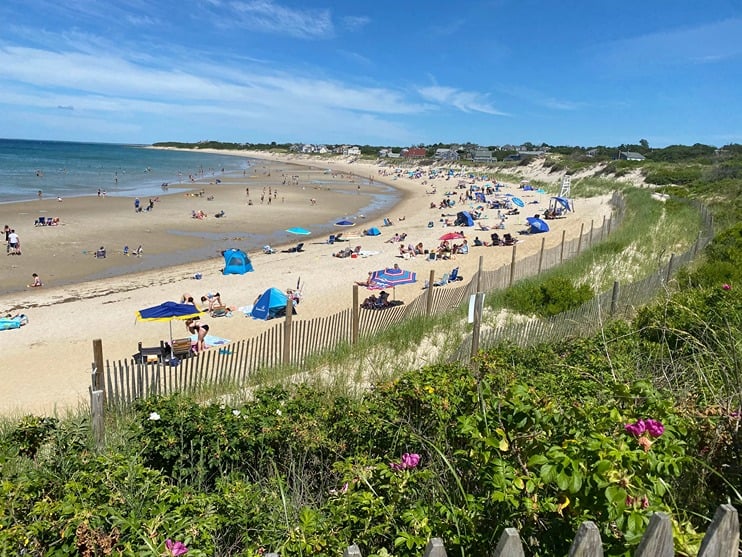
Beaches and Nature: Miles of pristine beaches line the coast, from the iconic dunes of Cape Cod National Seashore to the calmer waters of Cape Cod Bay. Hiking and biking trails, such as the Cape Cod Rail Trail, offer opportunities to explore the peninsula’s natural beauty.
-
Historic Landmarks and Culture: Discover the rich history of Cape Cod by visiting its lighthouses, like the Race Point Lighthouse, or exploring its charming towns. Provincetown, in particular, is renowned for its vibrant arts scene and historical significance as the landing place of the Pilgrims.
-
Culinary Delights: Indulge in fresh seafood, especially lobster and oysters, at local restaurants. Cape Cod is also known for its cranberry bogs, and tasting cranberry-themed treats is a must.
-
Island Excursions: Take a ferry from Woods Hole or Hyannis to the picturesque islands of Martha’s Vineyard or Nantucket for a day trip or an extended stay. These islands offer their own distinct charm, beautiful beaches, and historic towns.
In conclusion, while the question of “How far is Boston from Cape Cod?” is straightforward in terms of mileage, the actual travel experience is a nuanced blend of distance, traffic, transportation choices, and your ultimate destination on the captivating peninsula. With careful planning, this relatively short distance opens up a world of diverse experiences, from the historical streets of Boston to the sun-drenched shores and charming villages of Cape Cod.
LifeOutOfTheBox is a participant in the Amazon Services LLC Associates Program, an affiliate advertising program designed to provide a means for sites to earn advertising fees by advertising and linking to Amazon.com. Amazon, the Amazon logo, AmazonSupply, and the AmazonSupply logo are trademarks of Amazon.com, Inc. or its affiliates. As an Amazon Associate we earn affiliate commissions from qualifying purchases.