
The age-old question, “How far is Boston, Massachusetts from New York?” is one that sparks countless travel plans, road trip fantasies, and weekend getaway considerations. These two iconic cities, steeped in American history and brimming with distinct cultural offerings, are geographically close enough to be considered neighbors, yet distinct enough to offer entirely different experiences. Understanding the distance, travel times, and various transportation options is key to unlocking the potential of a journey between these East Coast powerhouses.
This exploration delves into the practicalities of traveling between Boston and New York, touching upon the nuances of each mode of transport, the distances involved, and how the choice of travel can influence your overall experience. Whether you’re a seasoned globetrotter or a first-time visitor to the United States, this guide aims to provide a comprehensive overview to help you plan your perfect trip.
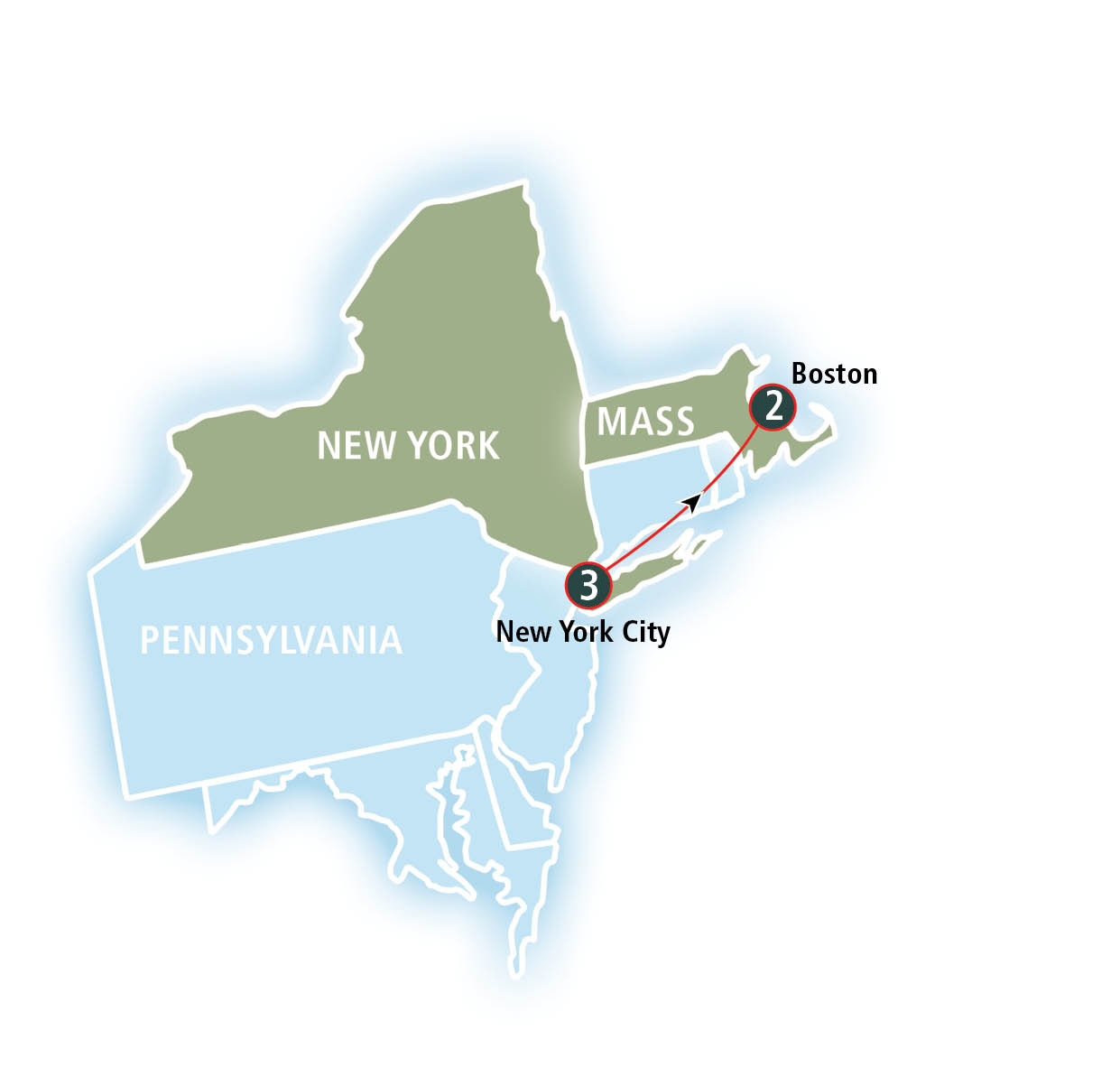
The Miles Between: Understanding the Distance and Driving
The most common way people envision travel between these two cities is by car. The approximate driving distance between Boston, Massachusetts and New York is around 215 miles (approximately 346 kilometers). This figure, however, is a generalization. The exact mileage can vary slightly depending on the specific starting point in Boston and the precise destination in New York, as well as the chosen route.
The primary and most direct route is typically via Interstate 95 (I-95) South. This major artery connects the two cities, offering a relatively straightforward journey. However, it’s crucial to be aware of the potential for significant traffic congestion, especially as you approach both cities. New York City in particular is notorious for its traffic, and drivers should anticipate delays, especially during peak hours.
Factors Affecting Driving Time
While the physical distance remains constant, the time it takes to cover it can fluctuate dramatically. Several factors influence driving time:
- Traffic Conditions: As mentioned, traffic is the most significant variable. During weekday rush hours (typically 6 AM to 10 AM and 3 PM to 7 PM), the journey can easily stretch from the average 3.5 to 4 hours to 5 or even 6 hours. Weekends can also experience congestion, particularly on Friday afternoons as people depart the city and Sunday evenings as they return.
- Road Construction and Detours: Throughout the year, various roadwork projects can cause lane closures and detours, adding unexpected delays. It’s always advisable to check real-time traffic conditions before departing.
- Weather: Inclement weather, such as snow, ice, heavy rain, or fog, can significantly slow down travel, especially during winter months. Road conditions can become hazardous, leading to reduced speeds and potential road closures.
- Stops: The stated driving times often assume a direct, uninterrupted journey. Most travelers will need to make at least one stop for fuel, restrooms, or a quick meal, adding to the overall travel duration.
- Route Choice: While I-95 is the most direct, alternative routes exist. Some might opt for routes that avoid major metropolitan areas as much as possible, potentially adding a few miles but sometimes saving time by bypassing notorious traffic jams.
For a smooth driving experience, consider starting your journey early in the morning or late in the evening to avoid the worst of the traffic. Utilizing GPS navigation apps that provide real-time traffic updates is also an indispensable tool for any driver embarking on this route.
Beyond the Car: Exploring Alternative Travel Methods
While driving offers flexibility, it’s not the only way to traverse the distance between Boston, Massachusetts and New York. Several other popular and efficient modes of transport cater to different traveler preferences and budgets.
By Train: The Amtrak Experience
For many, the train is the preferred method of travel, offering a comfortable and often stress-free alternative to driving. Amtrak operates frequent services on the Northeast Corridor, connecting Boston’s South Station with New York Penn Station.
The journey typically takes between 3.5 to 4.5 hours, depending on the specific train and any scheduled stops. Passengers can choose from various service levels, including the Acela Express, which is the faster, more premium option, and the Northeast Regional service, which is more frequent and generally more affordable.
Advantages of Train Travel:
- Comfort and Space: Trains generally offer more legroom and the ability to walk around compared to being confined to a car.
- Productivity: Many travelers find the train an ideal environment to work, read, or simply relax and enjoy the scenery. Wi-Fi is usually available, allowing for connectivity.
- Convenience: Amtrak stations are centrally located in both Boston and New York, often eliminating the need for further travel to reach your final destination. This also means avoiding the hassle of parking in busy city centers.
- Environmentally Friendly: Train travel is generally considered a more sustainable option compared to driving.
- No Traffic Worries: You can sit back and relax, knowing that traffic jams won’t impact your arrival time, barring any unforeseen operational issues.
Booking tickets in advance, especially for Acela Express, can often lead to significant savings. Consider the time of day and the type of service when making your selection to best suit your schedule and budget.
By Air: The Fastest, But Not Always Easiest
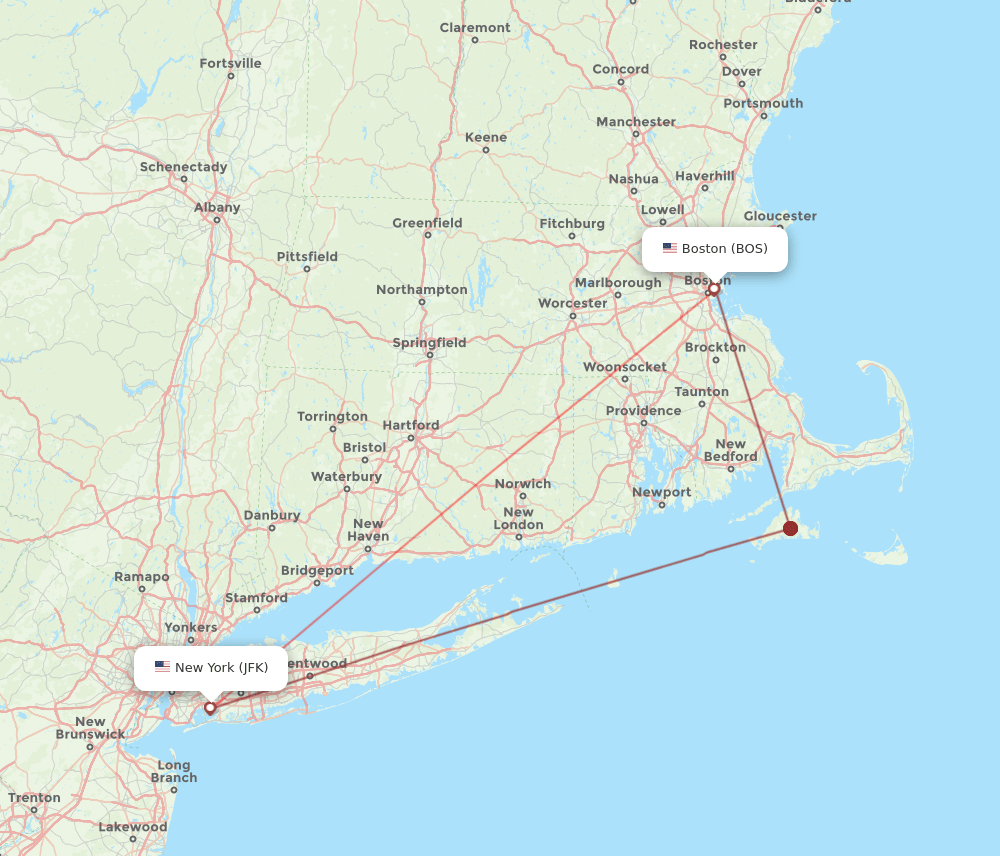
Flying between Boston, Massachusetts and New York is an option, though often less practical for this particular route when considering the total travel time. The actual flight time is very short, usually around 1 hour. However, when you factor in travel to and from airports, check-in procedures, security lines, and baggage claim, the overall journey can easily rival or even exceed the time spent on a train or driving.
Major airports serving Boston include Logan International Airport (BOS), and for New York, there are three primary airports: John F. Kennedy International Airport (JFK), LaGuardia Airport (LGA), and Newark Liberty International Airport (EWR).
Considerations for Air Travel:
- Total Time: The significant overhead of airport procedures makes flying a less efficient choice for this relatively short distance compared to other methods.
- Cost: Airfare can be competitive, but when factoring in airport transportation costs, it can become more expensive than train or bus tickets.
- Convenience: While airports are major hubs, they are often located outside the city centers, requiring additional transportation to reach your final destination.
For those who are already at or near an airport, or perhaps connecting from a longer flight, flying might be a viable option. However, for point-to-point travel between the cities themselves, train or bus services are generally more convenient.
By Bus: The Budget-Friendly Choice
Bus travel between Boston, Massachusetts and New York is a popular option for budget-conscious travelers. Several bus companies, including Greyhound, Peter Pan Bus Lines, and various Chinatown bus services, offer frequent routes.
The journey typically takes between 4 to 5 hours, but this can be extended by traffic, especially when entering or leaving New York City. Buses usually depart from central bus terminals in both cities, making them relatively accessible.
Pros of Bus Travel:
- Affordability: Bus tickets are often the most economical option, making them attractive for students, backpackers, and those on a tight budget.
- Frequency: Numerous departures throughout the day provide flexibility in travel planning.
- Direct Routes: Most bus services offer direct routes between the cities, minimizing the need for transfers.
Cons of Bus Travel:
- Comfort: Bus seating can be less comfortable than train or plane options, especially for longer journeys.
- Variable Arrival Times: Bus travel is more susceptible to traffic delays than train travel.
- Amenities: Onboard amenities can vary significantly between companies, with some offering Wi-Fi and power outlets while others do not.
For travelers prioritizing cost savings above all else, the bus presents a compelling and practical solution for getting from Boston to New York.
Planning Your Trip: Integrating Boston and New York
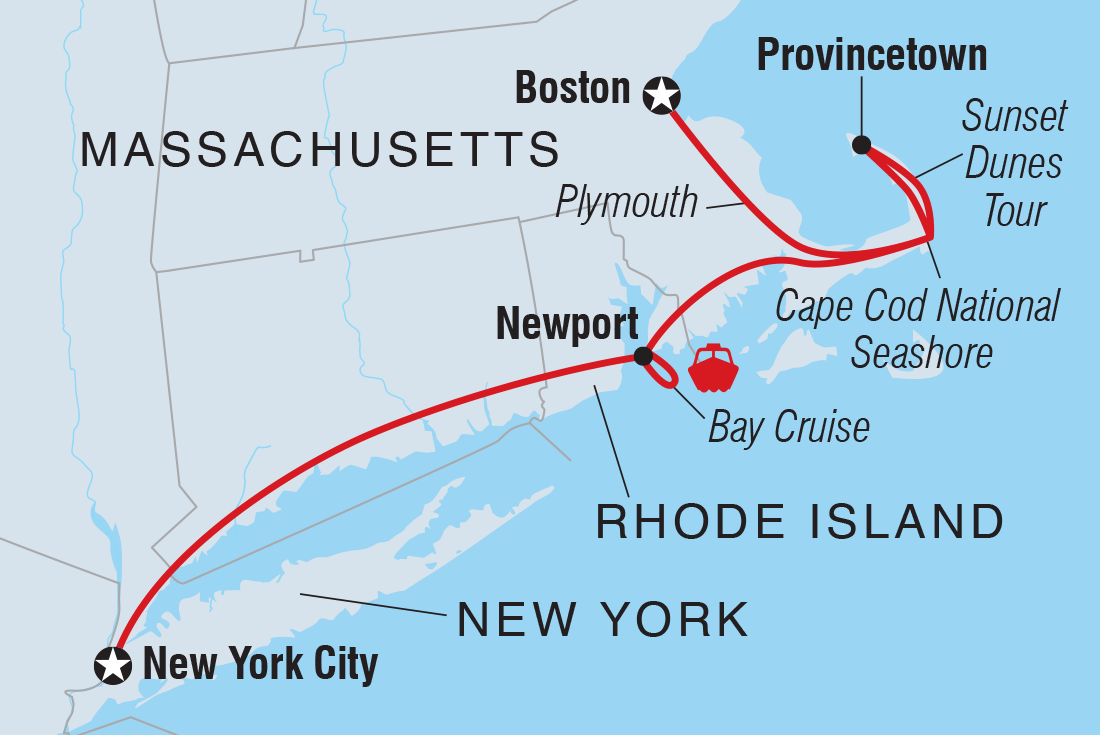
The proximity of Boston, Massachusetts and New York makes them ideal companions for a multi-city trip. Whether you’re embarking on a grand tour of the Northeast or simply want to experience the distinct flavors of these two historic metropolises, planning your itinerary around their connectedness is key.
Experiencing the Best of Both Worlds
Boston, Massachusetts offers a rich tapestry of American history. Visitors can walk the Freedom Trail, explore the hallowed grounds of Harvard University in nearby Cambridge, and immerse themselves in the vibrant atmosphere of Faneuil Hall Marketplace. The city’s charming neighborhoods, like Beacon Hill and the North End, invite leisurely exploration. For those interested in marine life, the New England Aquarium is a must-visit.
In contrast, New York City is a global hub of culture, finance, and entertainment. Iconic landmarks like the Statue of Liberty, Empire State Building, and Times Square draw millions annually. World-class museums such as The Metropolitan Museum of Art and the Museum of Modern Art (MoMA) offer endless artistic exploration. The city’s diverse culinary scene, from street food to Michelin-starred restaurants, is legendary.
Accommodation and Lifestyle Considerations
When planning a trip that encompasses both Boston and New York, accommodation choices will vary widely based on your budget and travel style.
In Boston, you’ll find a range of options from luxury hotels in the Back Bay to boutique inns in historic districts and more budget-friendly accommodations near Fenway Park. The city also offers various apartment rentals, suitable for longer stays or families.
New York City boasts an unparalleled selection of hotels, from opulent suites in Midtown to trendy boutique hotels in SoHo and Brooklyn. For longer stays, serviced apartments or even villas in more suburban areas might be considered. The city caters to every lifestyle, from ultra-luxury resorts to affordable hostels.
Lifestyle travel plays a significant role in how one approaches this journey.
- Luxury Travel: Opting for the Acela Express by train, staying in five-star hotels like The Plaza Hotel in New York or The Fairmont Copley Plaza in Boston, and indulging in fine dining experiences would define this approach.
- Budget Travel: This might involve taking a bus, staying in hostels or budget hotels, and enjoying street food or local diners.
- Family Trips: Focus would be on attractions suitable for all ages, potentially opting for a rental car for flexibility or choosing train travel for ease with children. Hotels with family suites or apartment rentals would be preferred.
- Business Stays: Efficiency is paramount. The train is often favored for its ability to allow work en route, and hotels offering business amenities like conference rooms and reliable Wi-Fi are essential.
Ultimately, the distance between Boston, Massachusetts and New York is merely a number on a map. It’s the journey between these two dynamic cities that offers a wealth of experiences, shaped by the mode of transport you choose and the interests you bring. Whether you’re drawn by history, culture, culinary delights, or simply the thrill of exploring new urban landscapes, the connection between these two East Coast giants is a gateway to unforgettable adventures.
LifeOutOfTheBox is a participant in the Amazon Services LLC Associates Program, an affiliate advertising program designed to provide a means for sites to earn advertising fees by advertising and linking to Amazon.com. Amazon, the Amazon logo, AmazonSupply, and the AmazonSupply logo are trademarks of Amazon.com, Inc. or its affiliates. As an Amazon Associate we earn affiliate commissions from qualifying purchases.