
The question of how far Boston, Massachusetts, is from Salem, Massachusetts, is a common one for travelers planning a visit to the New England region. These two historic and culturally rich cities, while relatively close, offer distinct experiences. Understanding the distance and the various ways to travel between them is crucial for crafting an efficient and enjoyable itinerary, whether you’re interested in historical landmarks, culinary delights, or a classic New England adventure.
Salem is renowned globally for its connection to the infamous 1692 Witch Trials, a dark chapter in American history. This event has shaped its identity and draws countless visitors eager to explore its haunted past through museums, tours, and reenactments. Beyond the witch trials, Salem boasts a vibrant maritime history, picturesque streets lined with colonial architecture, and a burgeoning arts scene.
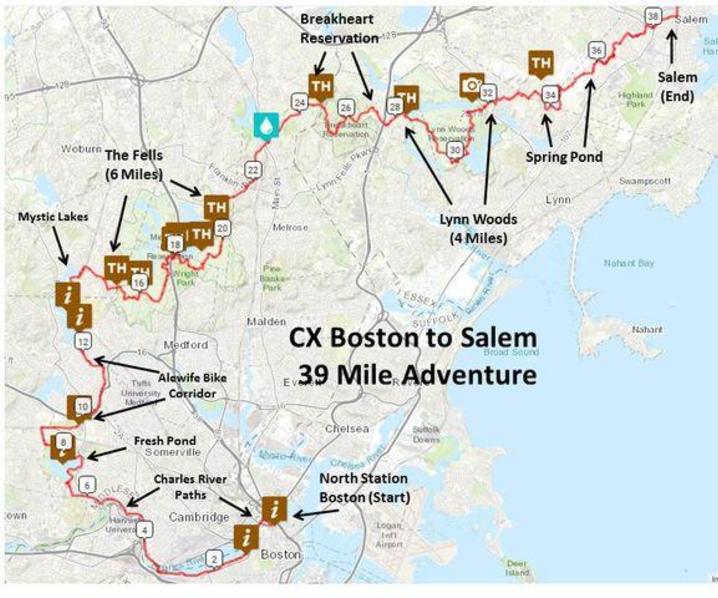
Boston, on the other hand, is a sprawling metropolis, a major hub for history, education, finance, and culture in the United States. It’s a city steeped in the American Revolution, with landmarks like the Freedom Trail guiding visitors through centuries of history. Boston also offers world-class museums, renowned universities, diverse neighborhoods, and a dynamic culinary landscape.
The proximity of these two destinations makes it incredibly feasible to experience both within a single trip. Many visitors choose to base themselves in Boston and take a day trip to Salem, or vice versa, to soak in the unique atmospheres of each city. This guide will delve into the exact distances, the most popular modes of transportation, and what makes each leg of the journey a worthwhile experience in itself.
The Direct Distance and Travel Times
The most straightforward answer to “How far is Boston, Massachusetts, from Salem, Massachusetts?” depends on the mode of transport and the specific route taken.
By Car: The Most Flexible Option
When traveling by car, the distance between Boston and Salem is approximately 16 to 20 miles (about 26 to 32 kilometers), depending on the starting and ending points within each city. This relatively short distance translates into a travel time of roughly 30 to 45 minutes under normal traffic conditions.
However, it is crucial to factor in Boston‘s notorious traffic. During peak commuting hours, particularly on weekdays, the journey can easily stretch to an hour or even longer. If you’re planning a drive, it’s advisable to aim for off-peak times, such as mid-morning or early afternoon, to avoid significant delays.
The most common driving route involves taking Interstate 93 North out of Boston, followed by Massachusetts Route 128 North and then connecting to Massachusetts Route 114 East which leads directly into Salem. Alternatively, scenic coastal routes are available, offering picturesque views but often at the expense of time due to lower speed limits and more local traffic.
For those considering a road trip, renting a car in Boston provides the ultimate flexibility to explore at your own pace. This allows for spontaneous stops at attractions along the way, such as historical sites or charming coastal towns. Parking in Salem can be challenging, especially during peak tourist season, so understanding parking options in advance is recommended. Many lots are available, and some hotels in Salem offer convenient parking for their guests.
By Public Transportation: An Efficient and Eco-Friendly Choice
For travelers who prefer not to drive or are looking for a more budget-friendly and environmentally conscious option, public transportation is an excellent choice. The Massachusetts Bay Transportation Authority (MBTA), often referred to as the “T,” provides regular and reliable service between Boston and Salem.
Commuter Rail: The Primary Public Transit Link
The most direct and popular public transportation method is the MBTA Commuter Rail. The Salem Line (often referred to as the Newburyport/Rockport Line) connects Boston’s North Station directly to Salem Station.
The journey on the Commuter Rail is typically around 30 to 35 minutes. Trains run frequently, especially during weekday rush hours, but also offer weekend service. From North Station in Boston, you can easily reach other parts of the city via the various subway lines (the “T”). Upon arriving at Salem Station, the downtown area and many of its famous attractions are within walking distance, or a short taxi or rideshare trip away.
The MBTA Commuter Rail offers a comfortable and scenic way to travel, allowing you to relax and enjoy the New England landscape without the stress of driving and parking. Tickets can be purchased at stations, online, or via the MBTA app, with various fare options available. This is a particularly good option for day trips, as it eliminates the need to worry about car rentals and parking fees.
By Ride-Sharing Services or Taxis

For those seeking door-to-door convenience without the commitment of a rental car, ride-sharing services like Uber and Lyft, as well as traditional taxis, are readily available in both Boston and Salem.
The travel time by ride-share or taxi will be similar to driving yourself, approximately 30 to 45 minutes in ideal conditions, but subject to traffic. The cost will naturally be higher than public transportation, but it offers unparalleled convenience, especially if you have a lot of luggage or are traveling with a group. It’s advisable to check estimated fares on the respective apps before booking.
Experiencing the Journey: What to See and Do
The journey between Boston and Salem is more than just a transit; it’s an opportunity to experience the diverse offerings of Massachusetts. Whether you choose to drive, take the train, or opt for a taxi, the landscape and the anticipation of arriving in a new, historic setting add to the overall travel experience.
Beyond the Distance: Exploring the Region
While the direct distance is modest, the region between Boston and Salem is rich with historical sites and charming communities. If you have a car and extra time, consider making stops along the way.
For history buffs, a detour could include a visit to Saugus Iron Works National Historic Site, one of the earliest ironworks in North America. Another option is to explore the coastal beauty of towns like Swampscott or Marblehead, known for their picturesque harbors and historic architecture. These smaller towns offer a glimpse into the maritime heritage that is so integral to New England.
Arrival in Salem: A Step Back in Time
Upon arriving in Salem, the atmosphere shifts noticeably. The city’s unique identity, deeply intertwined with the 1692 Witch Trials, becomes palpable.
Key Salem Attractions
Salem offers a wealth of attractions that delve into its history and culture.
- The Witch History Museum: Provides an overview of the infamous trials.
- The Witch House at Salem: The only remaining structure with direct ties to the 1692 trials.
- The Salem Witch Museum: Offers a compelling narrative through life-size figures and narration.
- The House of the Seven Gables: A historic house museum made famous by Nathaniel Hawthorne‘s novel.
- Peabody Essex Museum: Features a vast collection of maritime art and culture, as well as art from around the world.
These landmarks, along with the numerous witch-themed shops and tours, create an immersive experience that transports visitors to another era. The compact nature of Salem‘s downtown makes it easily walkable, allowing you to explore many of its historical sites on foot.
Returning to Boston: A Metropolis of Modernity and History
After experiencing the unique allure of Salem, returning to Boston offers a contrast of scale and energy. Boston is a city that seamlessly blends its rich historical past with a vibrant, modern present.

Boston’s Enduring Appeal
Boston is a destination that caters to a wide range of interests.
- Historical Landmarks: The Freedom Trail is a must-do, guiding you past iconic sites like Faneuil Hall, the Old North Church, and the USS Constitution. Beacon Hill offers charming cobblestone streets and historic architecture.
- Cultural Institutions: World-class museums abound, including the Museum of Fine Arts, the Isabella Stewart Gardner Museum, and the Museum of Science.
- Culinary Scene: Boston is a foodie paradise, from fresh seafood in the Seaport District to diverse ethnic cuisines in neighborhoods like Chinatown and East Boston.
- Green Spaces: Boston Common and the Public Garden offer tranquil retreats within the bustling city.
Whether you’re staying in a luxury resort or a budget-friendly apartment, Boston serves as an excellent base for exploring Massachusetts. The accessibility from Salem makes it an ideal travel combination for any visitor seeking a comprehensive New England experience.
In conclusion, the distance between Boston and Salem, Massachusetts, is manageable and the journey itself is part of the adventure. With various transport options available, from the flexibility of a car to the efficiency of the MBTA Commuter Rail, experiencing both these captivating cities has never been easier. Each offers a distinct flavor of Massachusetts‘ rich history, culture, and charm, making them essential stops on any New England itinerary.
LifeOutOfTheBox is a participant in the Amazon Services LLC Associates Program, an affiliate advertising program designed to provide a means for sites to earn advertising fees by advertising and linking to Amazon.com. Amazon, the Amazon logo, AmazonSupply, and the AmazonSupply logo are trademarks of Amazon.com, Inc. or its affiliates. As an Amazon Associate we earn affiliate commissions from qualifying purchases.