
For anyone planning a trip to the vibrant city by the bay, or simply connecting with friends, family, or business associates on the United States’s West Coast, one of the most fundamental questions often arises: “What is the time now in San Francisco?” More than just a simple query, understanding the local time in San Francisco is the cornerstone of effective trip planning, seamless communication, and a truly immersive travel experience. This comprehensive guide delves into the intricacies of San Francisco’s time zone, its impact on your itinerary, and how to maximize every moment in this iconic California metropolis.
San Francisco operates under the Pacific Time Zone. Specifically, this means it adheres to Pacific Standard Time (PST) during the winter months and Pacific Daylight Time (PDT) during the summer. Knowing which one is currently in effect is paramount, especially for international travelers or those crossing multiple time zones. As of now, and throughout much of the year, San Francisco typically observes Pacific Daylight Time (PDT), which is UTC-7. During the colder months, when Daylight Saving Time ends, it reverts to Pacific Standard Time (PST), which is UTC-8. A quick online search for “current time in San Francisco” will always provide the precise, up-to-the-minute answer, but understanding the underlying mechanics ensures you’re never caught off guard.
Beyond a simple number on a clock, time in San Francisco dictates everything from restaurant reservation availability and attraction opening hours to the ebb and flow of its vibrant street life. For globetrotters, it’s the key to mitigating jet lag, optimizing sightseeing, and ensuring a restful night’s sleep in their chosen accommodation.
Understanding Pacific Time: PST vs. PDT and Its Implications
The concept of time zones, while seemingly straightforward, can introduce complexities for travelers. San Francisco experiences a biannual shift due to Daylight Saving Time, which can subtly impact planning if not accounted for.
The Dynamics of Pacific Standard Time (PST) and Pacific Daylight Time (PDT)
The entire West Coast of the United States, including California and therefore San Francisco, operates within the Pacific Time Zone. From early November to mid-March, the region observes Pacific Standard Time (PST), which is UTC-8. This means it is eight hours behind Coordinated Universal Time. When spring arrives, usually on the second Sunday in March, clocks “spring forward” one hour, ushering in Pacific Daylight Time (PDT), which is UTC-7. This shift provides an extra hour of daylight in the evenings, a boon for after-work activities and extended sightseeing. The change back to PST occurs on the first Sunday in November, when clocks “fall back” one hour.
This yearly adjustment has practical implications for visitors. If your travel dates straddle one of these changeovers, ensure your flight times, hotel bookings, and tour schedules are confirmed with the correct local time. Modern smartphones and computers usually update automatically, but it’s always wise to double-check. For those conducting business or coordinating with individuals in other time zones, particularly those in Europe or Asia, a one-hour difference can significantly impact meeting schedules and communication windows.
Why Knowing the Local Time Matters for Travelers
Beyond simply knowing what time it is, understanding the temporal context of San Francisco is crucial for several aspects of travel and tourism:
- Flight and Accommodation Scheduling: Confirming departure and arrival times in local time prevents missed flights or late check-ins. When booking hotels or apartments, be mindful of check-in and check-out times, which are always stated in local time.
- Managing Jet Lag: For those arriving from distant time zones, particularly eastward, jet lag can significantly impact the first few days of a trip. Knowing the precise time difference allows you to gradually adjust your sleep schedules before departure and plan your initial days in San Francisco with less strenuous activities.
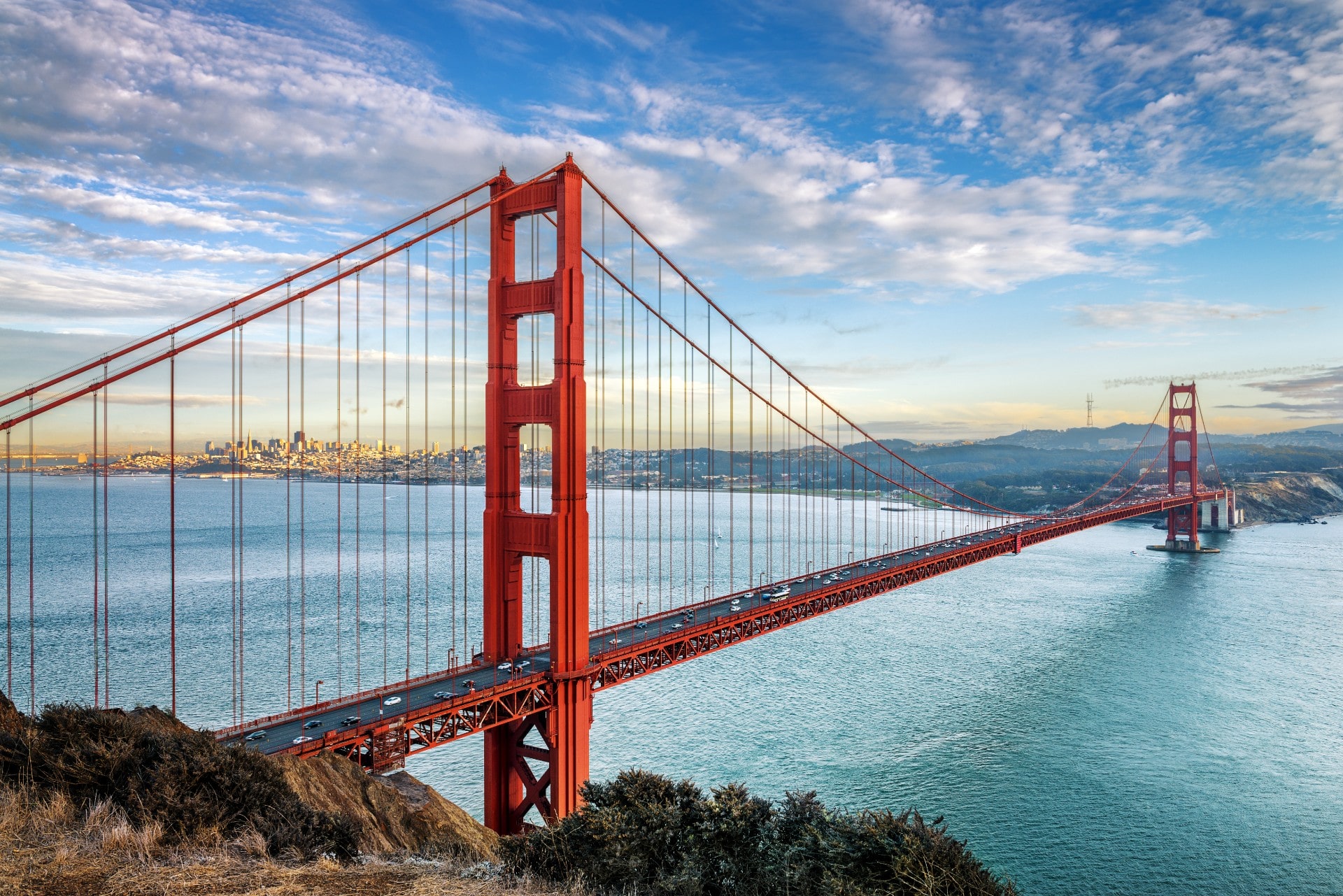
- Optimal Sightseeing: Many popular attractions have specific operating hours, and some are best visited at certain times of the day to avoid crowds or capture the best light. For instance, sunrise views from the Golden Gate Bridge require an early start, while sunset over the Pacific is a later affair.
- Dining and Reservations: San Francisco’s culinary scene is world-renowned, and popular restaurants often require reservations far in advance. Being aware of the local meal times and opening hours is essential for securing a table at your desired eatery.
- Local Events and Activities: From farmers’ markets to concerts and sporting events, understanding the local schedule ensures you don’t miss out on San Francisco’s vibrant local culture and community happenings.
Navigating San Francisco from a Time Zone Perspective
Once you’ve grasped the nuances of San Francisco’s time zone, the next step is to integrate this knowledge into crafting an unforgettable itinerary. Whether you’re on a budget travel adventure or indulging in luxury travel, strategic time management is key.
Optimal Planning for San Francisco Attractions
San Francisco is a city brimming with iconic landmarks and diverse attractions. Timing your visits can significantly enhance your experiences:
- Morning Exploration (7:00 AM – 11:00 AM PDT/PST):
- Golden Gate Bridge: Early mornings offer the clearest views and fewer crowds, especially for walking or biking across. The famous fog often burns off later in the day, but sometimes a morning mist adds to its mystique.
- Fisherman’s Wharf & Pier 39: Arrive before the midday rush to see the sea lions at Pier 39 and explore the shops and eateries with ease.
- Chinatown: Wander through the historic streets as the city awakens, grab a traditional dim sum breakfast, and witness the neighborhood coming to life.
- Afternoon Adventures (11:00 AM – 5:00 PM PDT/PST):
- Alcatraz Island: Tours to “The Rock” book up months in advance, and afternoon slots are very popular. Allocate at least 2-3 hours for the ferry and audio tour.
- Museums: Institutions like the California Academy of Sciences in Golden Gate Park or SFMOMA (San Francisco Museum of Modern Art) are perfect for afternoon visits. Check their specific opening and closing times.
- Lombard Street: The “crookedest street” can get very busy. An afternoon visit might coincide with peak crowds, but it’s an iconic photo opportunity regardless.
- Evening Delights (5:00 PM onwards PDT/PST):
- Sunset Views: Head to Twin Peaks, Presidio National Park, or Battery Spencer (across the Golden Gate Bridge) for breathtaking sunset panoramas of the city skyline.
- Dining: San Francisco truly comes alive in the evening with its diverse food scene. Whether it’s a Michelin-starred experience in the Financial District or casual bites in the Mission District, evening is prime time.
- Cultural Experiences: Catch a show in the Union Square theater district, explore the vibrant nightlife of the Castro, or enjoy live music.
Managing Jet Lag and Sleep Schedules
Jet lag is a common challenge for travelers, especially when crossing multiple time zones. With San Francisco being on Pacific Time, this can mean a significant adjustment for those arriving from the East Coast of the United States (3-hour difference) or international destinations in Europe (8-9 hour difference) or Asia (15-16 hour difference).
Here are some tips for managing jet lag and adjusting your sleep schedules:
- Gradual Adjustment: Before your trip, try to shift your sleep schedules by an hour or two each day to align closer with San Francisco time.
- Hydration: Drink plenty of water before, during, and after your flight to combat dehydration, which can worsen jet lag symptoms.
- Sunlight Exposure: Upon arrival, expose yourself to natural sunlight, particularly in the morning, to help reset your body’s internal clock. Take a walk through Golden Gate Park or along the waterfront.
- Avoid Naps (if possible): While tempting, long naps can make it harder to sleep at night. If you must nap, keep it short (20-30 minutes).
- Embrace the Local Rhythm: Try to eat meals and go to bed at typical San Francisco times. This helps your body adapt faster to the local culture.
Experiencing San Francisco: Beyond the Clock
While time is a practical consideration, it also shapes the ambiance and rhythm of San Francisco. From the bustling mornings to the serene evenings, the city offers a diverse palette of experiences that cater to every lifestyle.
Top Landmarks and Attractions by Time of Day
San Francisco’s wealth of landmarks and attractions offers something for every hour of the day:
- Early Morning (Pre-9 AM): Perfect for photography enthusiasts. Catch the sunrise over the Golden Gate Bridge from Battery Spencer, explore a quiet Chinatown, or take a brisk walk through Presidio National Park.
- Mid-Morning (9 AM – 12 PM): Ideal for scheduled tours. Board your ferry to Alcatraz Island, enjoy a Cable Car ride without peak crowds, or delve into the wonders of the Exploratorium at Pier 15. This is also a good time to visit Muir Woods National Monument if you’re venturing north across the Golden Gate Bridge to Sausalito.
- Lunchtime (12 PM – 2 PM): Immerse yourself in San Francisco’s diverse culinary scene. Enjoy fresh seafood at Fisherman’s Wharf, explore the authentic food stalls in the Ferry Building Marketplace, or savor gourmet food in the Mission District.
- Afternoon (2 PM – 5 PM): Dive into culture and history. Explore the exhibits at the Legion of Honor, wander through the vibrant murals of the Mission District, or stroll through the colorful streets of Haight-Ashbury, known for its hippie heritage and Victorian architecture.
- Evening (5 PM onwards): Experience San Francisco’s dazzling nightlife and dining. Enjoy a sunset cruise on the bay, explore the bustling Union Square for shopping and theater, or discover hidden cocktail bars in various neighborhoods.
Accommodation and Dining Considerations
Your choice of accommodation can significantly influence your time management. Hotels in central areas like Union Square or the Financial District, such as the historic Hotel Fairmont San Francisco, The St. Regis San Francisco, or Hyatt Regency San Francisco, offer easy access to transit and many attractions, saving valuable commute time. For a unique experience, consider boutique hotels or even apartments for a long-term stay in neighborhoods like Nob Hill or North Beach. Check reviews and use comparison tools to find the best fit for your preferences and budget travel or luxury travel needs, always paying attention to specific check-in and check-out times. Options like W San Francisco, Hotel Nikko San Francisco, The Palace Hotel, and Four Seasons Hotel San Francisco offer diverse amenities and locations.
When it comes to dining, San Francisco embraces both early birds and night owls. Casual cafes often open by 6 AM, while some fine-dining establishments have late seating until 10 PM or later. Always make reservations for dinner, especially on weekends or for popular spots, and factor in travel time to avoid missing your slot.
Lifestyle and Cultural Experiences
San Francisco’s lifestyle is as diverse as its hills. Whether you’re on family trips, a business stay, or a solo adventure, the city offers unique cultural experiences and activities to fill your schedule. Embrace the laid-back vibe of a weekend afternoon at Golden Gate Park, exploring its gardens and museums. For those interested in nature, a day trip to Muir Woods National Monument or the beaches south of the city can be invigorating.
The city’s vibrant arts scene, from the operas and ballets near Civic Center Plaza to the independent galleries in the Mission District, often begins in the early evening. Sporting events at Oracle Park or Chase Center typically kick off in the afternoon or evening, providing an exciting way to spend a few hours.
For those with more time, consider venturing out to nearby destinations. A morning drive north can lead you to the world-renowned wineries of Napa Valley and Sonoma Valley, perfect for a day trip or an overnight stay in a charming resort. Similarly, the scenic coastal towns and towering redwoods offer unique escapes just a short distance from the city, each with their own rhythm and appeal.
In essence, while “What is the time now in San Francisco?” might seem like a simple inquiry, its answer unlocks a world of meticulous planning, enhanced experiences, and deeper appreciation for this magnificent city. By understanding San Francisco’s time zone, managing your schedule effectively, and aligning your activities with the city’s natural rhythm, you are set to embark on a truly memorable journey through its famous places, diverse neighborhoods, and captivating culture. So, check your watch, set your internal clock, and prepare to immerse yourself in the timeless allure of San Francisco.
LifeOutOfTheBox is a participant in the Amazon Services LLC Associates Program, an affiliate advertising program designed to provide a means for sites to earn advertising fees by advertising and linking to Amazon.com. Amazon, the Amazon logo, AmazonSupply, and the AmazonSupply logo are trademarks of Amazon.com, Inc. or its affiliates. As an Amazon Associate we earn affiliate commissions from qualifying purchases.