
The allure of the Boston Cream Donut is undeniable. Its creamy custard filling, rich chocolate glaze, and fluffy dough make it a beloved indulgence for many. But as with any delicious treat, a question often arises: precisely how many calories are packed into this iconic pastry? Understanding the caloric content of a Boston Cream Donut isn’t just about dietary tracking; it’s also about appreciating the ingredients and the culinary artistry that go into creating such a satisfying experience. This exploration will delve into the typical calorie count, the factors that influence it, and how this classic donut fits into a broader travel and lifestyle context, particularly for those who enjoy experiencing local flavors while exploring new destinations.
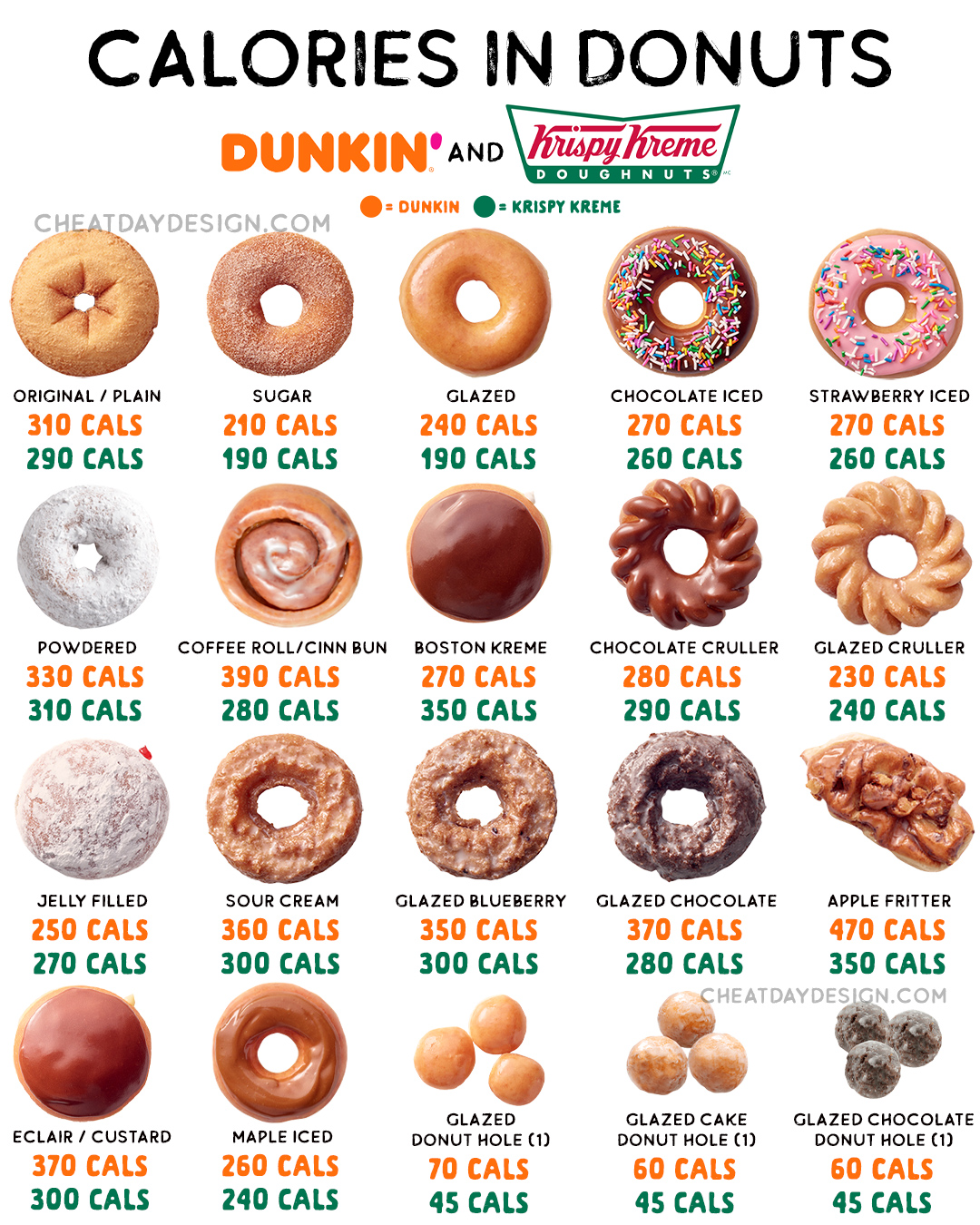
Decoding the Calorie Count: What Makes Up a Boston Cream Donut?
A standard Boston Cream Donut is a multi-layered delight, each component contributing to its overall calorie and nutritional profile. The primary elements are the yeast-risen dough, the luscious vanilla custard filling, and the smooth chocolate glaze.
The Dough Foundation
The base of the Boston Cream Donut is a yeast-leavened dough, similar to that used for other filled donuts. This dough is typically made from flour, water or milk, yeast, sugar, eggs, and butter or shortening. The flour provides carbohydrates, while sugar and fat contribute calories. Frying this dough further increases its caloric density as it absorbs oil. A medium-sized donut base, before filling and glazing, can contribute anywhere from 150 to 200 calories. The exact amount depends on the thickness of the dough, the size of the donut, and the type and amount of fat used in its preparation.
The Creamy Custard Heart
The star of the show, the vanilla custard filling, is another significant calorie contributor. Traditional custard is made with egg yolks, milk or cream, sugar, and a thickening agent like cornstarch or flour, often enhanced with vanilla extract. The richness of the custard comes from the dairy fat (from milk and/or cream) and the egg yolks. A generous dollop of custard can easily add another 100 to 150 calories. Using whole milk or heavy cream instead of lower-fat alternatives will naturally push the calorie count higher. Some recipes might also incorporate butter for added richness, further increasing the fat and calorie content.
The Glossy Chocolate Crown
Finally, the chocolate glaze provides the finishing touch, adding both flavor and calories. This typically consists of chocolate, sugar, and a liquid component like milk, cream, or water, sometimes with added butter or corn syrup for shine and texture. A rich, dark chocolate glaze will have a different calorie profile than a milk chocolate or a simple sugar glaze. A standard chocolate glaze can add approximately 50 to 100 calories, depending on its thickness and the type of chocolate used. Darker chocolates generally have a higher cocoa content and can sometimes be less sweet, but they still contribute to the overall calorie count.
Putting it all together, a typical, medium-sized Boston Cream Donut can range from 300 to 450 calories. This is a broad range, as variations in size, ingredient proportions, and preparation methods are common across bakeries and donut shops. For instance, a particularly large donut with a very generous filling and thick glaze from a specialty shop could easily exceed 500 calories, while a smaller, more modestly portioned donut from a chain might fall closer to the lower end of the spectrum.
Factors Influencing Calorie Counts: Beyond the Standard Recipe
While a general calorie range exists for a Boston Cream Donut, several factors can cause this number to fluctuate significantly. Understanding these variables can help you make more informed choices, whether you’re indulging during a vacation or simply treating yourself at your local bakery.
Size Matters: Portion Control in Pastry
One of the most straightforward factors affecting calorie count is the size of the donut. A petite donut will naturally have fewer calories than a colossal one. Bakeries often have different sizing options, and a “jumbo” or “premium” Boston Cream Donut will undoubtedly carry more calories than a standard offering. When purchasing, it’s worth considering if a smaller indulgence might satisfy your craving just as effectively.
Filling and Glaze Generosity
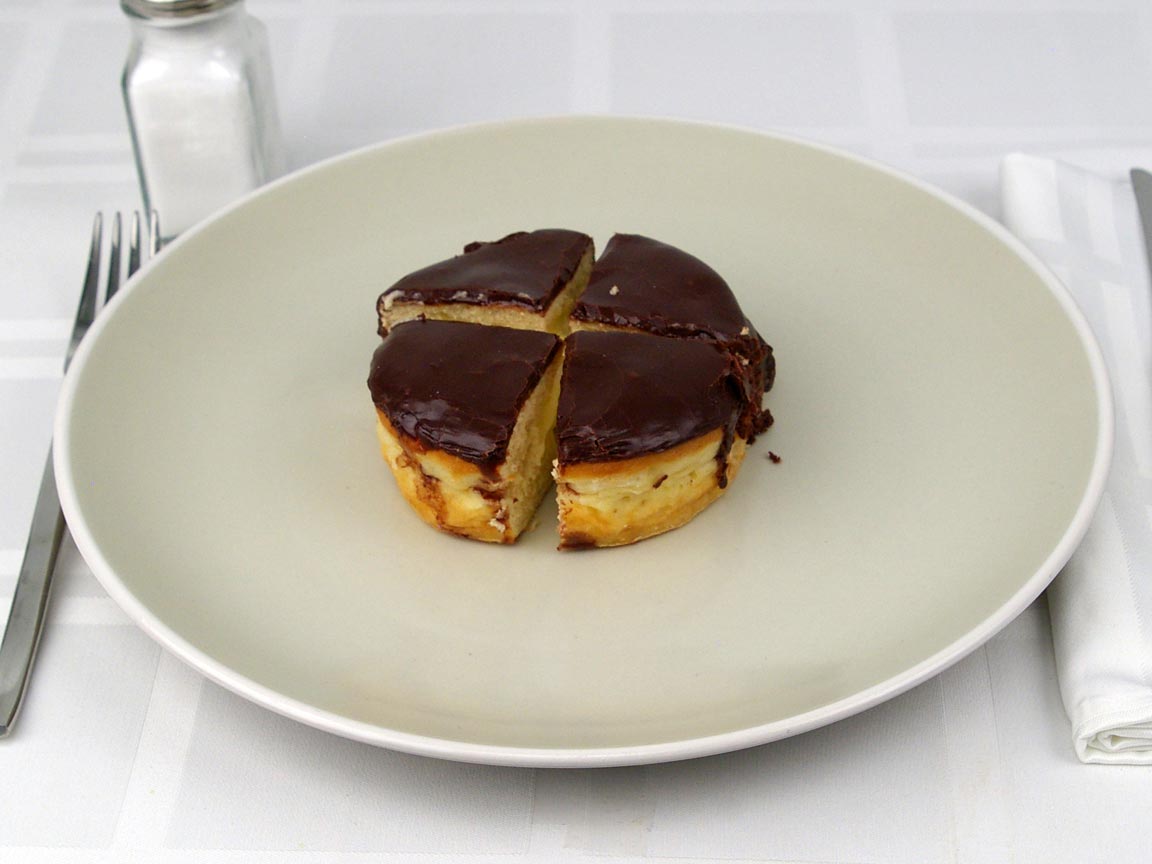
The amount of custard filling and chocolate glaze applied to a donut can vary widely. Some bakers are known for their overflowing fillings, while others prefer a more restrained approach. Similarly, the thickness and richness of the chocolate glaze can make a difference. A donut generously stuffed with custard and then liberally coated in a thick, fudgy glaze will naturally be higher in calories than one with a lighter hand in both departments.
Ingredient Quality and Type
The type of ingredients used also plays a crucial role. For example:
- Dairy: Using heavy cream in the custard or glaze will add more fat and calories than using whole milk or even a non-dairy alternative.
- Sweeteners: The amount and type of sugar used in the dough, custard, and glaze directly impact calorie and carbohydrate content. Some donuts might also use high-fructose corn syrup or other sweeteners, which contribute to calorie density.
- Fats: The type and amount of fat used in the dough and for frying are significant. Butter, shortening, and frying oils all contribute to the overall caloric load.
- Chocolate Type: The cocoa percentage in the chocolate used for the glaze influences both flavor and calories. Dark chocolate, especially with a higher cocoa content, can sometimes be richer and denser.
Preparation Methods
While most Boston Cream Donuts are fried, the method of frying can subtly influence calorie absorption. The temperature of the oil and the duration of frying can affect how much oil the dough absorbs. Baked donuts, though less common for this specific variety, would have a significantly lower calorie count as they don’t absorb frying oil.
The Boston Cream Donut in the Context of Travel and Lifestyle
The Boston Cream Donut is more than just a dessert; it’s a culinary icon deeply associated with the city of Boston, Massachusetts. For travelers, experiencing local food is a vital part of any journey, offering a delicious window into the culture and history of a place.
Culinary Tourism and Local Delights
When visiting Boston, seeking out its signature donut is a quintessential tourist activity. Many local bakeries and donut shops pride themselves on their versions of the Boston Cream Donut. This pursuit allows travelers to engage with the local food scene, discover hidden gems, and create memorable travel experiences. Comparing different versions of the donut across various establishments can become a fun part of exploring the city. This aligns perfectly with the principles of tourism, where sampling local cuisine is often a primary attraction. Whether staying at a boutique hotel in the Back Bay or a historic inn in Beacon Hill, a quest for the perfect Boston Cream Donut can guide your exploration.
Lifestyle Choices: Indulgence and Moderation
For those who embrace a lifestyle that balances enjoyment with mindful eating, understanding the calorie count of treats like the Boston Cream Donut is important. It allows for intentional indulgence rather than mindless consumption. This is particularly relevant for individuals who enjoy luxury travel or budget travel alike. Even on a meticulously planned budget trip, allocating a small portion of the food budget for a special treat can enhance the experience. Conversely, during a luxury travel experience, it’s easy to overlook such details. Recognizing the caloric impact allows for integration into a balanced diet, perhaps by enjoying a smaller portion, sharing with a travel companion, or balancing the treat with more active pursuits.
Accommodation and Gastronomic Experiences
The search for excellent donuts often goes hand-in-hand with choosing accommodation. While some hotels might offer their own baked goods, exploring beyond the hotel premises often leads to more authentic local flavors. This is where the categories of Accommodation and Tourism truly intersect. A traveler might choose an apartment rental in a vibrant neighborhood to have easier access to local bakeries, or a resort might offer curated culinary tours that highlight iconic local foods, including the Boston Cream Donut. Even famous landmarks can be near renowned donut shops.

Making Informed Choices While Traveling
When you’re far from home, exploring new culinary landscapes, the Boston Cream Donut serves as a delicious anchor to a specific place. While the exact calorie count might hover around 300-450, the experience of enjoying it – perhaps overlooking the Charles River or while wandering through the Boston Public Garden – is what truly enriches a travel experience. Understanding that this treat is a delightful indulgence, best enjoyed in moderation as part of a broader exploration of local culture and activities, allows travelers to savor these moments without undue concern, integrating them harmoniously into their lifestyle.
In conclusion, the Boston Cream Donut is a caloric treat with a typical range of 300-450 calories, influenced by size, ingredients, and preparation. Its cultural significance, particularly in Boston, makes it a must-try for many travelers. By understanding its components and caloric impact, individuals can enjoy this classic pastry mindfully, making it a perfect complement to the rich tapestry of travel and culinary exploration.
LifeOutOfTheBox is a participant in the Amazon Services LLC Associates Program, an affiliate advertising program designed to provide a means for sites to earn advertising fees by advertising and linking to Amazon.com. Amazon, the Amazon logo, AmazonSupply, and the AmazonSupply logo are trademarks of Amazon.com, Inc. or its affiliates. As an Amazon Associate we earn affiliate commissions from qualifying purchases.