
The allure of a Boston Cream Donut is undeniable. A glistening chocolate glaze atop a cloud of fluffy dough, giving way to a rich, creamy custard center – it’s a quintessential indulgence. But for those mindful of their dietary intake, or simply curious about the nutritional profile of this beloved treat, the question inevitably arises: “How many calories are in a Boston Cream Donut?” This isn’t just a question for the health-conscious; it’s a query that touches upon the very fabric of our travel experiences and culinary explorations. When we journey to a new destination, like the historic city of Boston itself, our senses are heightened, and we’re often eager to sample the local flavors. Understanding the calorie count of iconic treats like the Boston Cream Donut can help us navigate our culinary adventures with a bit more awareness, allowing us to savor every bite while keeping our personal goals in mind.
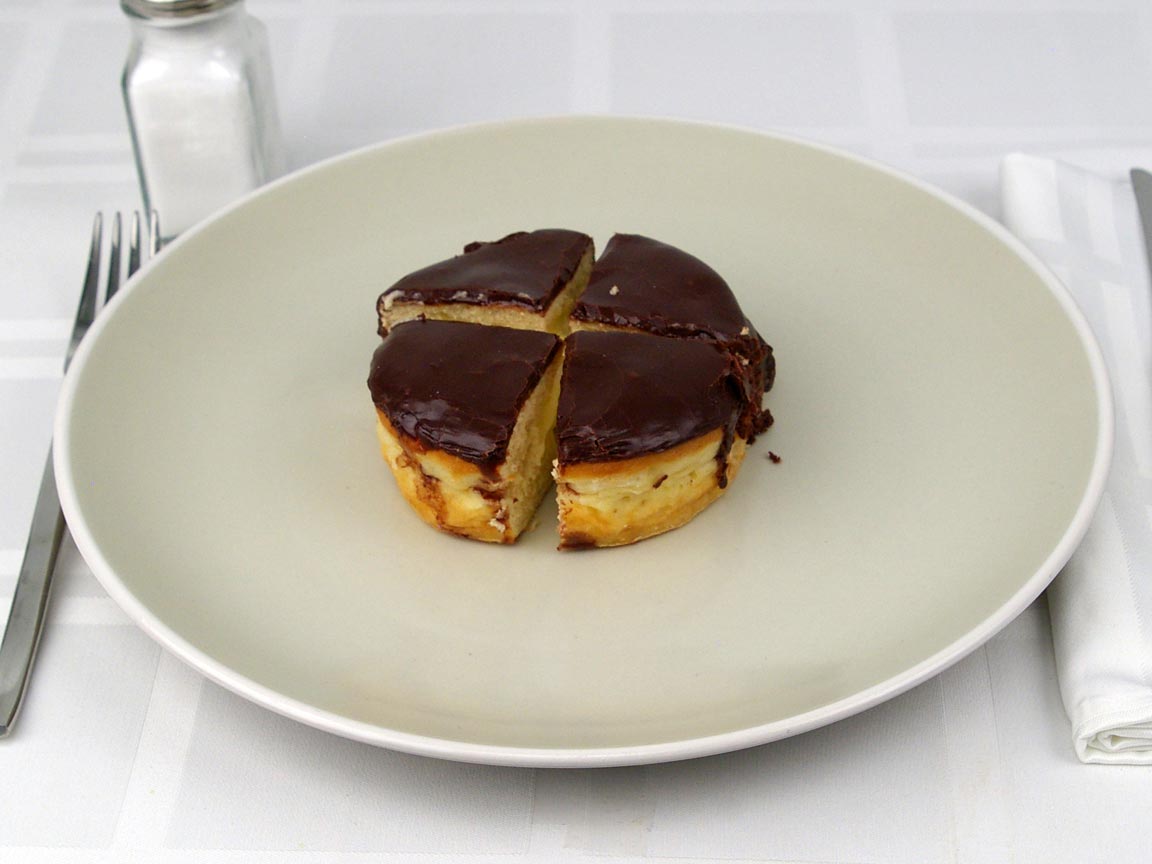
This exploration delves beyond just the numbers, connecting the deliciousness of a Boston Cream Donut to the broader context of travel, tourism, and lifestyle. From the charming bakeries in New England to the diverse food scenes in bustling metropolises, understanding what we consume is part of a richer travel experience. We’ll uncover the factors influencing the calorie count, explore how this iconic donut fits into a balanced lifestyle, and even touch upon its origins and its place in the culinary landscape. So, whether you’re planning a trip to Massachusetts or simply enjoying a donut at your local café, let’s uncover the sweet secrets of the Boston Cream Donut’s calorie count.
The Anatomy of a Boston Cream Donut: Unpacking the Calorie Count
To accurately answer “How many calories in a Boston Cream Donut?”, we must first dissect its components. A standard Boston Cream Donut is typically composed of three main elements, each contributing to its overall calorie tally: the fried dough, the creamy custard filling, and the chocolate glaze.
The Foundation: Fried Dough
The base of any donut is the dough itself, and for a Boston Cream, this is usually a yeast-raised dough. This means flour, yeast, sugar, eggs, and milk are combined and then, crucially, fried. The frying process, typically done in oil, is a significant contributor to the calorie count. The porous nature of the dough absorbs some of the cooking oil, adding fat and, consequently, calories. The size of the donut also plays a role; larger donuts will naturally contain more dough and thus more calories. A medium-sized, plain, fried yeast donut can range anywhere from 200 to 300 calories before any fillings or toppings are added.
The Heart: Custard Filling
The creamy, luscious custard filling is another key calorie contributor. Traditionally made with milk or cream, egg yolks, sugar, and a thickener like cornstarch or flour, this filling is rich and decadent. The use of whole milk or heavy cream instead of skim milk will significantly increase the fat content and calorie count of the custard. A generous portion of this creamy filling can easily add another 100 to 200 calories to the donut. The sweetness of the custard also comes from added sugar, which contributes to the carbohydrate and overall calorie load.
The Crown: Chocolate Glaze
Finally, the signature chocolate glaze provides both visual appeal and a final burst of flavor. This is typically a mixture of powdered sugar, cocoa powder, butter or oil, and milk or water. While seemingly simple, the high sugar content in the powdered sugar is a primary driver of calories in the glaze. If butter or oil is used in the glaze, this adds healthy fats and additional calories. A thick, rich chocolate glaze can add another 50 to 100 calories, depending on its thickness and the richness of its ingredients.
The Totals: A Calorie Spectrum
Considering these components, a typical Boston Cream Donut, of average size and made with standard ingredients, often falls within the range of 300 to 500 calories. This is a considerable range, and the exact number can vary significantly based on several factors, including:
- Size and Portion Control: A mini Boston Cream will have fewer calories than a jumbo one.
- Ingredient Quality: Using premium ingredients, like heavy cream in the filling or a dark chocolate ganache for the glaze, will generally increase the calorie count. Conversely, using skim milk and lighter fats can reduce it.
- Preparation Methods: The type of oil used for frying and the temperature it’s maintained at can influence how much oil the donut absorbs.
- Bakery Variations: Each bakery, from a well-known chain like Dunkin’ to a charming independent shop in New York City, will have its own unique recipe and portioning.
Understanding these elements provides a clearer picture of why a single calorie number can be elusive. It’s a delicious interplay of fried dough, creamy indulgence, and sweet chocolate, making it a treat that requires a moment of mindful appreciation.
Boston Cream Donuts in the Context of Travel and Tourism
The Boston Cream Donut is not just a dessert; it’s a cultural icon, particularly associated with its namesake city. When travelers visit Boston, the chance to sample an authentic Boston Cream Donut is often on their itinerary, nestled alongside visits to historic sites like the Freedom Trail or a stroll through Beacon Hill. This intertwining of food and travel is a cornerstone of tourism, enriching the experience of exploring new places and cultures.
Culinary Tourism: A Taste of Place
Culinary tourism is a booming sector of the travel industry. Visitors aren’t just looking for picturesque landscapes and historical landmarks; they are increasingly seeking authentic gastronomic experiences. The Boston Cream Donut, with its direct link to Boston, is a perfect example of this. It allows tourists to connect with the local identity through its food. Visiting a renowned local bakery in Boston, such as Mike’s Pastry or Modern Pastry, and indulging in their version of the Boston Cream Donut becomes a memorable part of the travel narrative. These experiences are amplified when shared, perhaps over a coffee at a cozy café in the North End or during a leisurely afternoon after exploring the Faneuil Hall Marketplace.
The desire to taste iconic local specialties is a powerful motivator for travel. Many visitors plan their trips around experiencing the signature dishes of a region. For Boston, this includes seafood like clam chowder and lobster rolls, but the Boston Cream Donut holds its own unique appeal. It represents a more casual, everyday indulgence that is still deeply embedded in the city’s identity.
Balancing Indulgence with Exploration
While the calorie count of a Boston Cream Donut might seem high, its place within a travel itinerary is often about moderation and enjoyment rather than strict adherence to dietary regimes. A single donut, enjoyed as a treat during a vacation, is unlikely to derail health goals. In fact, the joy derived from experiencing a local delicacy can contribute positively to the overall travel experience, a form of “lifestyle travel” where mindful indulgence is part of the pleasure.
Travel often involves more walking and active exploration. A day spent touring the Museum of Fine Arts or navigating the historic streets of Cambridge can easily burn a significant number of calories, offsetting the treat of a donut. This is where the concept of “lifestyle” in travel becomes relevant. It’s about finding a balance between experiencing the local culture, including its food, and maintaining a sense of well-being.
Furthermore, the availability of delicious, locally-made treats encourages visitors to explore beyond the main tourist hubs. Seeking out the best Boston Cream Donut might lead travelers to discover charming neighborhoods or hidden gems that they might otherwise miss. This supports local businesses and adds a layer of authenticity to the travel experience, moving beyond the typical hotel and resort offerings.
Accommodation and Food Experiences
The connection between accommodation and food experiences is also noteworthy. Many hotels and resorts now offer gourmet dining options or curated culinary tours. While a luxury hotel might not serve a traditional Boston Cream Donut from a local bakery, they might offer a high-end interpretation on their dessert menu, or provide recommendations for the best local spots. For those opting for apartment or villa rentals, the opportunity to explore local markets and bakeries becomes even more central to their stay. This allows for a more immersive culinary journey, where enjoying a classic Boston Cream Donut becomes an integral part of the daily exploration, perhaps as a breakfast treat after a brisk morning walk along the Charles River or a sweet interlude before visiting the New England Aquarium.
In essence, the Boston Cream Donut, and its calorie count, becomes a small but significant part of the larger narrative of travel and tourism. It’s a marker of place, a catalyst for exploration, and a delicious reminder that sometimes, the best travel memories are savored, one bite at a time.
Lifestyle Considerations: Enjoying Donuts Mindfully
Understanding the calorie count of a Boston Cream Donut is also about integrating such pleasures into a broader lifestyle, whether at home or on the road. The concept of “lifestyle” travel encompasses a spectrum of preferences, from ultra-luxury experiences to budget-friendly adventures, and for all, the enjoyment of food plays a crucial role.
Mindful Indulgence and Portion Control
The idea of “mindful indulgence” is key here. It’s not about deprivation, but about making conscious choices. Knowing that a Boston Cream Donut can range from 300 to 500 calories allows for an informed decision. If you’re planning to enjoy one, consider what else you’ll be eating that day and your activity levels.
- Sharing is Caring: A simple strategy to enjoy the flavor without the full calorie load is to share a donut with a travel companion or a friend. This allows for the experience of the taste and texture without doubling the calorie intake.
- Pairing Wisely: Opting for black coffee or tea instead of a sugary latte or soda can significantly reduce the overall calorie intake of your treat break.
- Active Lifestyle Integration: If you enjoy donuts, and many people do, consider how they fit into an active lifestyle. Incorporating regular physical activity, whether it’s a hike in Acadia National Park or a yoga session at your resort, can help balance the occasional indulgence. This is a core principle of a healthy lifestyle that accommodates pleasure.
Budget Travel and Sweet Treats
Even on a budget travel plan, delicious local treats like the Boston Cream Donut can be an accessible and rewarding experience. While a five-star hotel might charge $15 for a gourmet pastry, a local bakery in Chicago or Philadelphia might offer a comparable delight for a fraction of the price. This allows travelers to experience local flavors without breaking the bank, making culinary exploration a cornerstone of their journey. The ability to find affordable yet delicious options is a hallmark of savvy budget travel, and a well-made Boston Cream Donut often fits this bill.
Family Trips and Sweet Memories
For families traveling with children, donuts can be a source of pure joy and a way to create lasting memories. A stop at a local donut shop can be a highlight of a family vacation, offering a simple pleasure that appeals to all ages. While parents might be more conscious of the calorie count, the sheer delight on a child’s face as they savor their first Boston Cream Donut is often worth the indulgence. It’s about creating a balanced experience, where treats are part of the fun, but not the sole focus. Many family-friendly destinations, from theme parks in Orlando to historical sites in Washington D.C., will have their own versions of classic baked goods that become part of the vacation narrative.

Business Stays and Quick Indulgences
Even business travelers, who often have packed schedules, can find moments to enjoy a classic treat. A quick stop at a local bakery near their hotel in San Francisco or a donut from a hotel café can be a welcome break from meetings and work. While the focus might be on efficiency, incorporating small moments of pleasure, like a Boston Cream Donut, can enhance the overall travel experience and provide a brief respite.
Ultimately, the calorie count of a Boston Cream Donut is just a number. What matters more is how we choose to incorporate these moments of indulgence into our lives and our travels. It’s about savoring the experience, understanding the ingredients, and finding a balance that allows for both pleasure and well-being. Whether you are exploring the historic streets of Boston, planning a family adventure, or simply enjoying a quiet moment of personal time, the Boston Cream Donut offers a sweet, creamy escape that is worth appreciating.
LifeOutOfTheBox is a participant in the Amazon Services LLC Associates Program, an affiliate advertising program designed to provide a means for sites to earn advertising fees by advertising and linking to Amazon.com. Amazon, the Amazon logo, AmazonSupply, and the AmazonSupply logo are trademarks of Amazon.com, Inc. or its affiliates. As an Amazon Associate we earn affiliate commissions from qualifying purchases.