
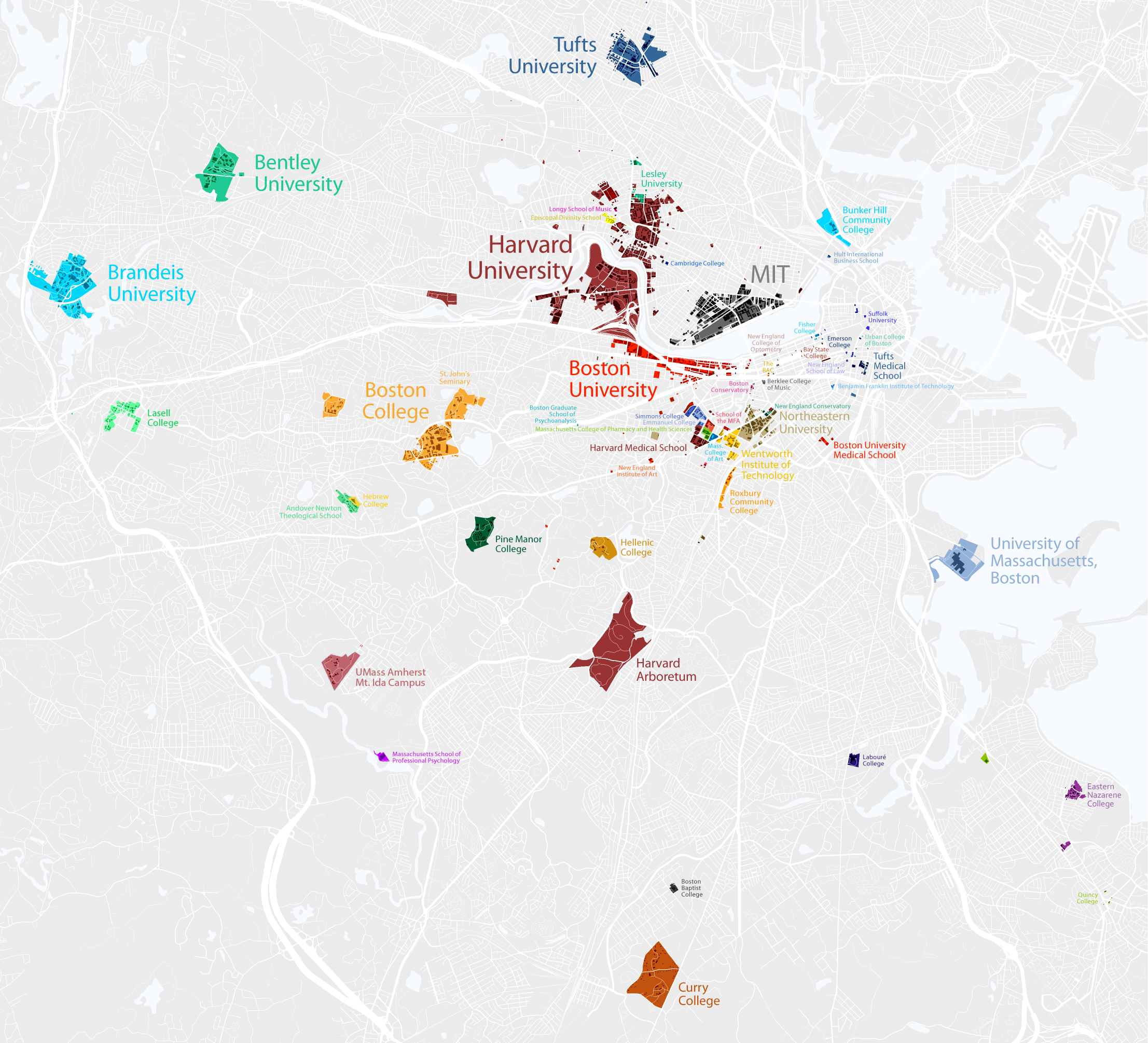
Navigating the academic landscape of a city renowned for its intellectual prowess can be an exciting endeavor, especially for prospective students, curious tourists, or even long-term residents looking to immerse themselves in the local culture. When the question arises, “How Many Colleges in Boston, MA?”, the answer is not a simple number, but rather a testament to the city’s vibrant educational ecosystem. Boston, a city steeped in history and innovation, is home to a remarkable concentration of higher learning institutions, making it a global hub for education, research, and cultural exchange.
The sheer density of colleges and universities within the greater Boston area is astounding. This isn’t just about counting institutions; it’s about understanding the profound impact these academic centers have on the city’s identity, economy, and overall lifestyle. From world-renowned research universities to specialized art schools and community colleges, Boston offers a diverse array of educational opportunities. The presence of these institutions shapes the city’s very fabric, influencing its architecture, its bustling student population, and the constant influx of new ideas and perspectives.
The Academic Tapestry of Boston: A Closer Look
The term “Boston” itself often encompasses a broader metropolitan area, including neighboring cities like Cambridge. This is crucial when discussing higher education, as some of the most prominent institutions are technically located just across the Charles River. This shared academic space creates a unique synergy, where students and faculty can easily traverse between campuses, fostering interdisciplinary collaboration and a rich intellectual community.
When considering the number of colleges in Boston, it’s essential to categorize them to appreciate the breadth of offerings. We can broadly divide them into several key groups:
- Research Universities: These are the titans of academia, known for their extensive graduate programs, cutting-edge research facilities, and Nobel laureates.
- Liberal Arts Colleges: These institutions often focus on undergraduate education, emphasizing a broad curriculum and critical thinking skills.
- Specialized Institutions: This category includes schools dedicated to specific fields such as art, music, design, medicine, or law.
- Community Colleges: These offer accessible and affordable pathways to higher education, vocational training, and continuing education.
The dynamic interplay between these different types of institutions creates a robust academic environment that attracts students from all corners of the globe. This influx of talent and diverse perspectives enriches not only the student body but also the wider Boston community, contributing to its reputation as a forward-thinking and intellectually vibrant city.
The economic impact of these institutions cannot be overstated. They are significant employers, drawing highly skilled professionals and contributing billions of dollars to the local economy through research grants, student spending, and alumni contributions. Furthermore, the concentration of educated individuals fuels innovation and entrepreneurship, making Boston a fertile ground for startups and established businesses alike. For travelers, this academic energy translates into a city alive with events, lectures, museums, and a youthful vibrancy that permeates its neighborhoods.
Exploring Boston’s Educational Hubs and Their Surroundings
The concentration of colleges isn’t confined to a single district. Instead, they are spread across various neighborhoods, each with its own distinct character and attractions. This geographical distribution offers travelers and prospective students a wealth of exploration opportunities, combining academic pursuits with the enjoyment of Boston’s rich history, diverse culinary scene, and numerous landmarks.
University Districts and Their Cultural Contributions
When one asks about colleges in Boston, the minds often first turn to the legendary institutions situated in two primary hubs:
-
The Fenway-Kenmore Neighborhood: This area is synonymous with a high concentration of academic institutions. Here, you’ll find a vibrant mix of students, sports fans, and cultural enthusiasts. Key players in this academic ecosystem include:
- Boston University: A large, private research university with a sprawling campus along the Charles River. Its proximity to the river makes it a picturesque spot for walking or enjoying recreational activities. The university also contributes significantly to the cultural life of the area with its theaters, galleries, and public lectures.
- Northeastern University: Another prominent research university known for its cooperative education program, which allows students to gain practical work experience. Its urban campus is integrated into the surrounding neighborhoods, adding to the city’s dynamic feel.
- Emmanuel College: A private liberal arts college that maintains a beautiful historic campus within the Fenway area.
- Wheelock College: While now part of Boston University, Wheelock had a long-standing tradition of excellence in education and child development, and its former campus contributes to the historical character of the area.
The Fenway-Kenmore area offers a plethora of attractions beyond its academic institutions. It’s home to the iconic Fenway Park, the oldest ballpark in Major League Baseball, a must-visit for any sports enthusiast. The Museum of Fine Arts, Boston and the Isabella Stewart Gardner Museum are also located here, offering world-class art collections and unique cultural experiences. For those interested in local cuisine, the neighborhood boasts a diverse range of restaurants, from casual student-friendly eateries to upscale dining establishments. Accommodation options in this vibrant district range from boutique hotels to comfortable apartments, catering to various travel styles.
-
The Longwood Medical and Academic Area: While primarily known for its world-renowned medical institutions, this area also hosts several academic entities that contribute to Boston’s educational landscape. This concentrated area of medical and research facilities fosters a unique environment of intense study and groundbreaking discovery. Key institutions include:
- Harvard Medical School: Although located in Boston, it is part of Harvard University, which has its main campus in Cambridge. Its presence significantly shapes the intellectual and research output of the city.
- Brigham and Women’s Hospital and Massachusetts General Hospital: While hospitals, they are deeply integrated with academic research and teaching, often affiliated with medical schools and offering educational programs.
- MCPHS University (Massachusetts College of Pharmacy and Health Sciences): A dedicated institution for health sciences education.
The Longwood area, while more focused on specialized research, is still accessible to many of Boston's other attractions. Travelers staying in or visiting this area can easily access the **Emerald Necklace**, a beautiful chain of parks designed by Frederick Law Olmsted, offering green spaces for relaxation and recreation. The proximity to the **Back Bay** neighborhood provides access to upscale shopping, dining, and entertainment.
Beyond the Core: Cambridge and Other Neighborhoods
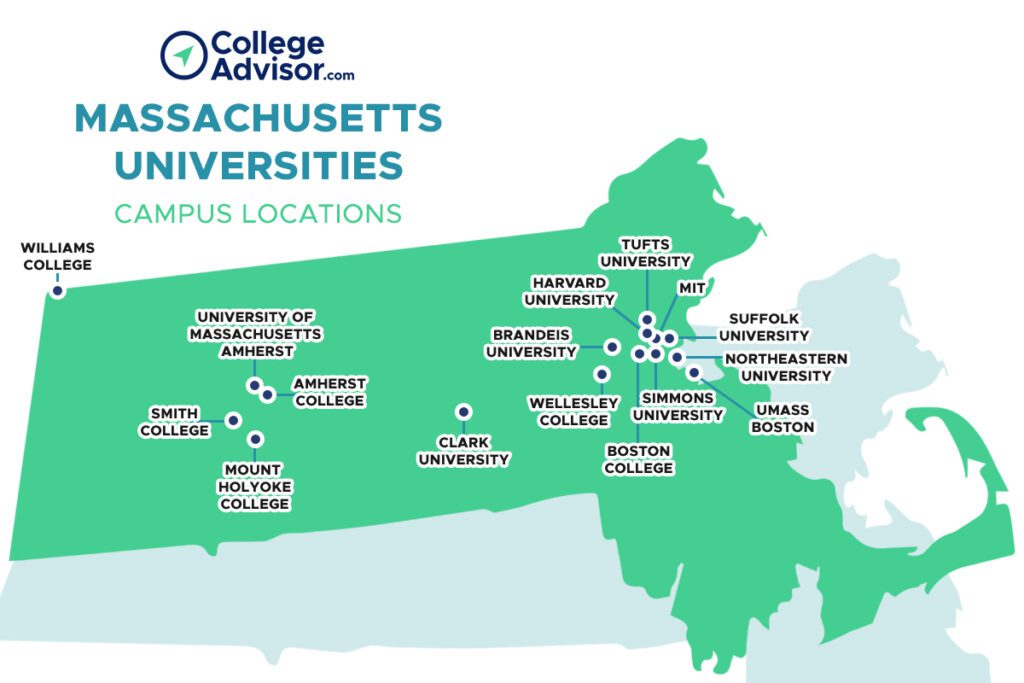
It’s impossible to discuss Boston’s educational powerhouses without acknowledging Cambridge, just across the Charles River. This city is home to two of the world’s most prestigious universities:
- Harvard University: A global leader in research and education, its historic campus is a landmark in itself, drawing visitors eager to experience its venerable architecture and academic traditions. Exploring Harvard Yard is like stepping back in time, with iconic buildings and a palpable sense of history.
- Massachusetts Institute of Technology (MIT): Renowned for its pioneering work in science and technology, MIT’s campus is a hub of innovation and modern design. Its striking architecture and cutting-edge research facilities are a testament to its forward-thinking ethos.
The dynamic between Boston and Cambridge creates an extended academic and cultural corridor. The close proximity allows for easy travel between the two cities, with the MBTA (Massachusetts Bay Transportation Authority) offering convenient public transport options. This interconnectedness enhances the overall experience for visitors, allowing them to explore the unique offerings of both cities.
Beyond these major hubs, other neighborhoods in Boston host significant educational institutions, contributing to the city’s diverse academic profile. The Back Bay and South End areas, for instance, are home to art schools, business programs, and specialized institutes that enrich the urban fabric with their presence. These areas also offer a wealth of attractions, from fine dining and shopping in Back Bay to the vibrant cultural scene and historic brownstones of the South End.
Experiencing Boston’s Academic Atmosphere: Travel, Accommodation, and Lifestyle
The abundance of colleges and universities transforms Boston into a dynamic destination year-round. Whether you’re a prospective student visiting campuses, a parent cheering on a graduate, or a traveler simply wanting to soak in the intellectual ambiance, the city offers a unique blend of academic exploration and urban adventure.
Travel and Tourism in an Academic City
For travelers, Boston’s academic hubs serve as excellent starting points for exploring the city. The campuses themselves are often architectural marvels and historical sites. Taking a walking tour of Harvard Yard or strolling along the Charles River Esplanade adjacent to Boston University offers beautiful vistas and a chance to appreciate the city’s blend of nature and academia. Many universities host public lectures, art exhibitions, and musical performances that are open to the public, providing enriching cultural experiences.
The tourism industry in Boston thrives on this academic energy. Visitors can find a wide range of attractions that cater to diverse interests. From historical sites like the Freedom Trail and Faneuil Hall Marketplace to world-class museums such as the Museum of Science and the New England Aquarium, there’s always something to discover. The city’s rich history, evident in its cobblestone streets and historic architecture, provides a backdrop for learning and exploration. Experiencing the local food scene, from classic New England clam bakes to innovative international cuisine, is an integral part of any visit.
Accommodation and Lifestyle Choices
When it comes to accommodation, Boston offers a spectrum of options to suit every preference and budget. The areas surrounding major universities often feature hotels catering to visiting families and prospective students, ranging from budget-friendly options to more luxurious stays. For those seeking a more immersive experience, apartment rentals or long-term stay options can be found, particularly in neighborhoods with a strong student presence.
Hotels in Boston are abundant, with choices ranging from charming boutique hotels in historic districts to modern high-rise establishments offering stunning city views. Areas like the Back Bay are known for their upscale hotels and proximity to shopping and dining, while neighborhoods closer to universities might offer more practical and affordable choices. Travelers can compare various resorts, suites, and villas (though less common within the immediate city center) to find the perfect fit for their needs.
The lifestyle in Boston is heavily influenced by its academic population. This translates into a city that is youthful, dynamic, and intellectually stimulating. You’ll find a thriving arts scene, numerous bookstores, lively cafes perfect for studying or people-watching, and a strong emphasis on innovation and culture. Whether you’re looking for luxury travel experiences in the upscale boutiques of Newbury Street, budget travel options exploring the city’s free attractions, family trips to the science museum, or comfortable business stays, Boston’s diverse offerings ensure a memorable experience.
In conclusion, while a definitive “number” of colleges in Boston, MA, can fluctuate based on how one defines the city’s boundaries and what types of institutions are included, the reality is that Boston is home to an extraordinary concentration of higher learning institutions. This academic density is not just a statistic; it’s a defining characteristic that shapes the city’s identity, fuels its economy, and enriches the lives of its residents and visitors alike, making it a truly unique and captivating destination.
LifeOutOfTheBox is a participant in the Amazon Services LLC Associates Program, an affiliate advertising program designed to provide a means for sites to earn advertising fees by advertising and linking to Amazon.com. Amazon, the Amazon logo, AmazonSupply, and the AmazonSupply logo are trademarks of Amazon.com, Inc. or its affiliates. As an Amazon Associate we earn affiliate commissions from qualifying purchases.