
The Boston Marathon, a venerable institution in the world of distance running, captivates athletes and spectators alike with its storied history and challenging course. For many, the first and perhaps most fundamental question about this iconic event is simply: “How many miles is the Boston Marathon?” The answer, a precise 26.2 miles, forms the bedrock of every runner’s preparation, every fan’s anticipation, and every logistical plan for this globally recognized race. But beyond this singular statistic lies a rich tapestry of information relevant to anyone interested in this premier tourism event, from seasoned marathoners to casual observers planning a trip to Boston. This article delves into the specifics of the Boston Marathon‘s distance, its historical significance, and how it intersects with the broader world of travel, accommodation, and experiencing the unique lifestyle of New England.

The Anatomy of the Boston Marathon: Distance, History, and Significance
The Boston Marathon is not just any race; it is a rite of passage, a test of endurance, and a celebration of human spirit. Officially, the marathon distance is standardized at 26 miles and 385 yards, a figure that originates from the ancient Greek legend of Pheidippides, though the modern marathon distance was more precisely defined for the 1908 London Olympics. For the Boston Marathon, this standard distance is meticulously measured and maintained, ensuring fairness and consistency for all participants.
A Legacy Etched in Miles
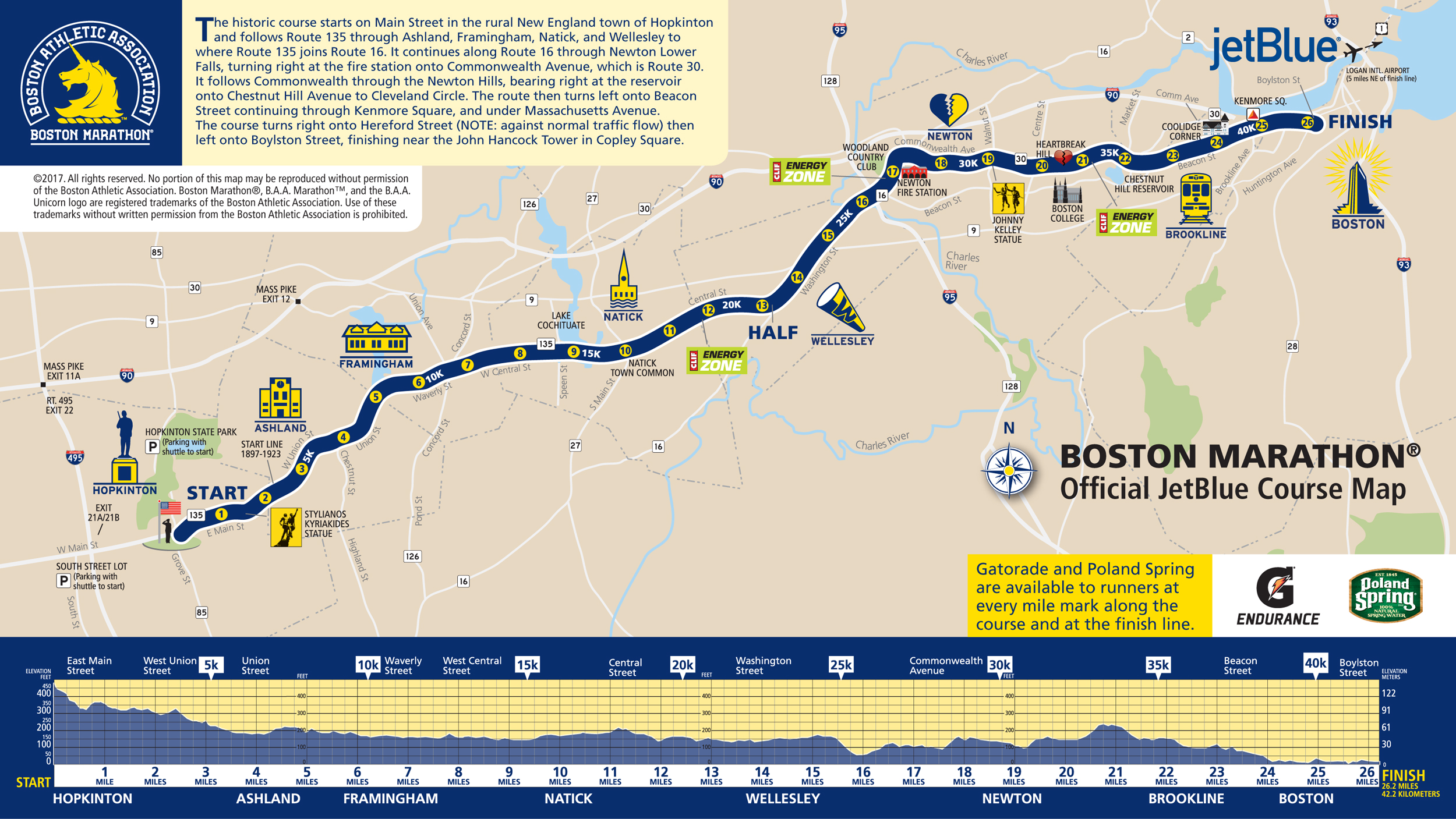
The history of the Boston Marathon dates back to 1897, making it the world’s oldest annual marathon. Initially, the course was slightly shorter, but it was adjusted over the years to conform to the official marathon distance. This adherence to the 26.2-mile standard means that every runner who crosses the finish line in Boston has completed a journey of immense physical and mental fortitude. The course itself, winding from Hopkinton to Boston, is as much a character in the race as the runners. It traverses picturesque small towns, climbs challenging hills like the infamous Heartbreak Hill, and culminates in the vibrant streets of Boston, drawing crowds of enthusiastic spectators who transform the city into a temporary hub of athletic devotion.
Beyond the Finish Line: Experiencing Boston
For those drawn to Boston by the allure of the marathon, the experience extends far beyond the 26.2 miles. The city offers a wealth of attractions, historical landmarks, and culinary delights that make it a compelling travel destination. Whether you’re a runner recovering from the race, a supporter cheering on a loved one, or simply a travel enthusiast interested in New England, Boston provides an enriching experience. From exploring the historic Freedom Trail to savoring fresh seafood in the Seaport District, there are endless ways to immerse yourself in the local culture and lifestyle.
Planning Your Boston Marathon Journey: Travel, Accommodation, and Tourism
The Boston Marathon is more than just a sporting event; it’s a significant driver of tourism for the city of Boston. Planning a trip around this event requires careful consideration of travel logistics, accommodation options, and ways to experience the best of Boston and its surrounding areas.
Navigating the City and Beyond
Getting to Boston is generally straightforward, with Logan International Airport serving as the primary gateway. Once in the city, public transportation, known locally as the “T,” is an efficient way to navigate between different neighborhoods and to reach viewing points along the marathon route. For those seeking a more comprehensive travel experience, exploring Massachusetts and the wider New England region offers further opportunities. Day trips to historic towns like Concord or scenic coastal areas can complement the excitement of the marathon.
Securing Your Boston Stay
Accommodation in Boston during the marathon period is highly sought after, with hotels ranging from luxurious suites and resorts to more budget-friendly options. Booking well in advance is crucial. Popular areas for accommodation include downtown Boston, the Back Bay, and the Seaport District, all offering proximity to the race finish line and various attractions. For longer stays or for those seeking a more local feel, consider apartments or villas through various booking platforms. Amenities such as proximity to public transport, room service, and fitness centers can enhance the travel experience, especially for runners who might need specific facilities.
Immersing Yourself in Boston’s Culture and Attractions
Beyond the race itself, Boston offers a deep dive into American history and a vibrant contemporary culture. The Freedom Trail, a 2.5-mile red-lined path, connects 16 historically significant sites, including Faneuil Hall Marketplace and the USS Constitution. For lovers of art and nature, the Museum of Fine Arts and the Boston Public Garden provide excellent escapes. Food enthusiasts will find Boston a culinary haven, with fresh seafood, Italian specialties in the North End, and a growing scene of innovative restaurants. Experiencing the local food scene is an integral part of any tourism endeavor in the city.
The Boston Marathon Experience: Lifestyle and Landmarks
The Boston Marathon embodies a unique lifestyle that blends athletic pursuit with civic pride and a deep appreciation for landmarks and history. It draws participants and spectators from across the globe, each bringing their own stories and motivations.
A Marathon of Landmarks
The marathon course itself is a journey through Boston‘s recognizable landmarks and picturesque landscapes. Starting in Hopkinton, the route winds through towns like Ashland, Framingham, Natick, Wellesley, Newton, and Brookline before reaching the bustling streets of Boston. Each town offers its own charm and unique viewing experiences. The final miles in Boston take runners past iconic sights, building to the dramatic finish on Boylston Street. For tourism purposes, following or witnessing this route provides an unparalleled way to see many of the city’s most cherished places.
Lifestyle: From Elite Athletes to Enthusiastic Spectators
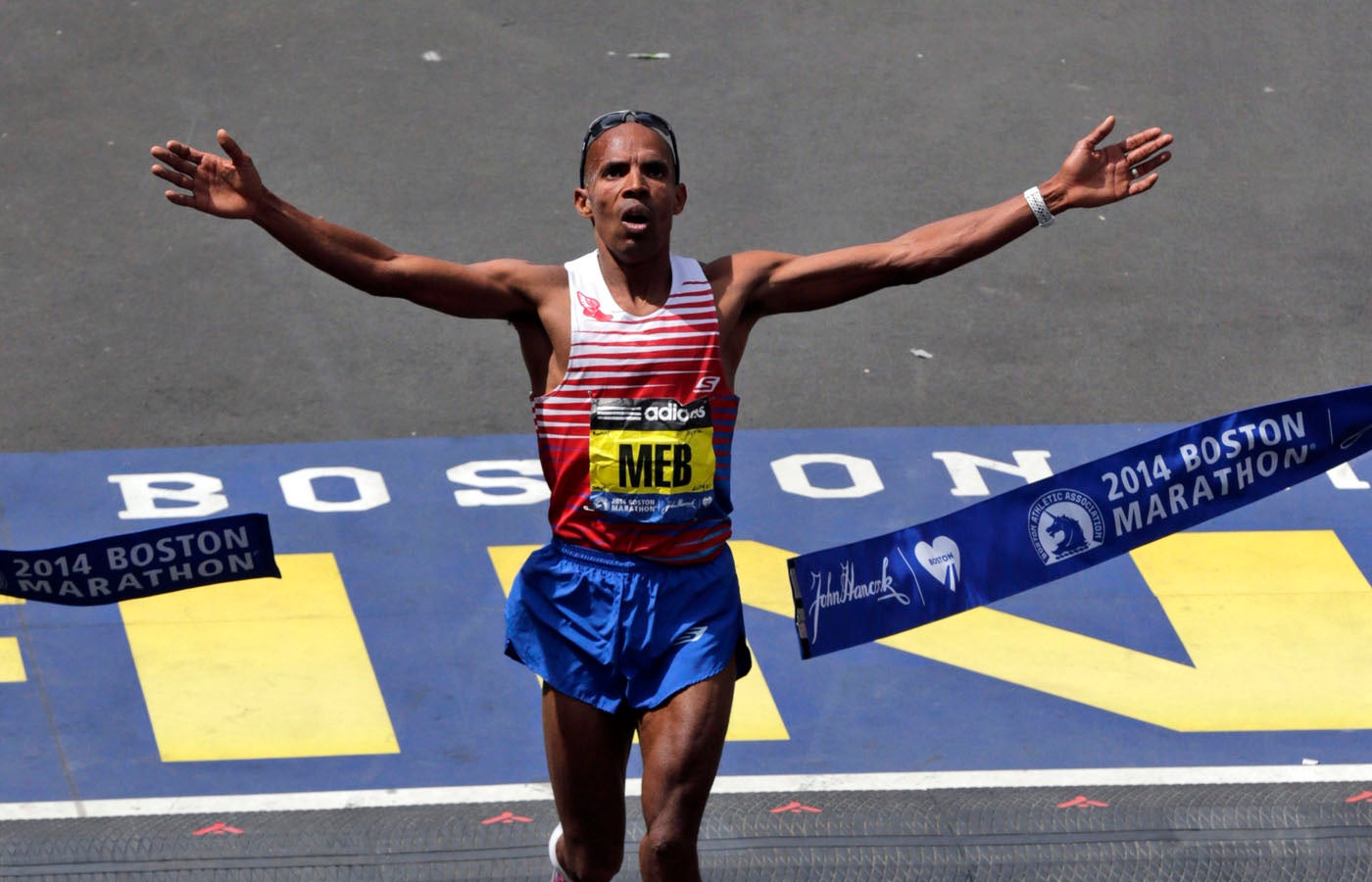
The Boston Marathon caters to a diverse range of participants, reflecting a broad lifestyle spectrum. Elite runners compete for prestigious titles and substantial prize money, representing the pinnacle of athletic achievement. Simultaneously, thousands of amateur runners participate, many running for charitable causes or personal milestones. This dual nature of the race contributes to its broad appeal. For spectators, the lifestyle associated with the marathon involves gathering with friends and family, enjoying the festive atmosphere, and experiencing the collective energy of the city. It’s a community event that fosters a sense of belonging and shared purpose. Whether you’re a luxury travel enthusiast or a budget traveler, the spirit of the Boston Marathon is accessible and inspiring.
Beyond the Race: Exploring Boston’s Enduring Appeal
The marathon is a fantastic reason to visit Boston, but the city’s enduring appeal lies in its rich history, academic prowess, and vibrant cultural scene. Exploring Harvard University in nearby Cambridge, walking through the historic Beacon Hill neighborhood, or visiting the New England Aquarium are just a few examples of the diverse activities available. The city’s commitment to preserving its past while embracing innovation makes it a compelling destination for tourism and lifestyle exploration alike. The Boston Marathon, with its unwavering 26.2-mile testament to human endurance, serves as a powerful anchor for experiencing all that this magnificent city has to offer.
LifeOutOfTheBox is a participant in the Amazon Services LLC Associates Program, an affiliate advertising program designed to provide a means for sites to earn advertising fees by advertising and linking to Amazon.com. Amazon, the Amazon logo, AmazonSupply, and the AmazonSupply logo are trademarks of Amazon.com, Inc. or its affiliates. As an Amazon Associate we earn affiliate commissions from qualifying purchases.