
The question of “how many people live in Seattle?” delves deeper than a simple numerical answer. It unlocks insights into the city’s vibrant culture, its economic driving forces, the challenges it faces, and ultimately, what makes it such a compelling destination for travelers and a dynamic home for its residents. As a major hub in the Pacific Northwest of the United States, Seattle’s population dynamics are intrinsically linked to its appeal as a travel destination, the type of accommodations available, the local tourism scene, and the overall lifestyle it offers.
Seattle’s Growing Appeal: Beyond the Numbers
At its heart, Seattle is a city defined by innovation, natural beauty, and a progressive spirit. Understanding its population provides a critical lens through which to appreciate its evolution and what visitors can expect.
The Current Population Snapshot
As of recent estimates, the city of Seattle proper is home to over 750,000 residents, making it the largest city in the state of Washington. However, this figure only tells part of the story. The larger Seattle metropolitan area, which includes neighboring cities like Bellevue, Tacoma, and Everett, boasts a population exceeding 4 million people. This distinction between the city limits and the broader metropolitan statistical area is crucial, as it highlights the expansive economic and cultural footprint that extends far beyond Seattle’s immediate boundaries. The continuous growth reflects the region’s robust economy and high quality of life, drawing people from across the globe. For travelers, this means a sprawling urban landscape ripe for exploration, with diverse attractions and experiences extending well beyond the famed Space Needle and Pike Place Market.
Factors Driving Seattle’s Growth
The rapid population increase in Seattle over the past few decades isn’t accidental; it’s the result of several powerful magnets. Foremost among these is the thriving technology sector. The city is a global epicenter for tech innovation, home to corporate giants like Amazon and a significant presence for Microsoft, located just across Lake Washington in Redmond. These companies, along with countless startups and tech firms, have created a booming job market, attracting a highly skilled and educated workforce.
Beyond tech, Seattle is also the birthplace of iconic brands such as Starbucks and has a strong presence in the aerospace industry through Boeing, healthcare, and biotechnology. The presence of world-class institutions like the University of Washington further fuels innovation and provides a steady stream of talent. This economic vibrancy directly influences the tourism landscape, as business travelers frequently visit, and the city’s prosperity allows for investment in cultural institutions, culinary scenes, and public spaces that enrich the visitor experience.

Furthermore, Seattle’s unparalleled natural setting is a major draw. Nestled between Puget Sound to the west and the Cascade Mountains to the east, with the Olympic Mountains visible across the Sound, the city offers immediate access to a wealth of outdoor activities. Hiking, skiing, kayaking, and sailing are all within easy reach, appealing to those seeking an active lifestyle. This blend of urban opportunity and natural adventure shapes the local lifestyle and attracts a specific demographic—one that values both professional growth and outdoor recreation, making it an ideal destination for those who appreciate both dynamic city life and serene natural escapes.
Understanding Population Density and Urban Sprawl
With a growing population comes increased density, particularly in a city constrained by water and mountains. Seattle is known for its distinct neighborhoods, each with its own character, but the sheer number of people means that spaces are utilized efficiently. The core city is relatively dense, which impacts everything from housing costs and traffic congestion to the development of public transportation. For travelers, this density translates into a bustling urban environment where attractions are often concentrated, making them walkable or easily accessible via public transit. The city has invested heavily in its public transportation network, including the expanding Light Rail system, King County Metro buses, and the iconic Washington State Ferries that connect Seattle to islands and peninsulas across Puget Sound. Understanding this density helps visitors plan their movements, perhaps opting for centrally located accommodations to minimize travel time or exploring a single neighborhood in depth rather than trying to cover too much ground.

The Demographic Tapestry: What Makes Seattle Unique?
The people who live in Seattle aren’t just a number; they form a diverse and dynamic community that profoundly shapes the city’s character, culture, and visitor experience.
A Diverse and Dynamic Community
Seattle’s population is notably diverse, with a significant influx of residents from other parts of the United States and around the world, particularly from Asian countries. This rich tapestry of cultures is reflected in every aspect of city life, from the culinary scene to artistic expressions. You can find authentic global cuisines in neighborhoods like the International District, explore vibrant cultural festivals, and experience a wide range of traditions. This diversity enriches the local culture and offers tourists a truly global experience within a single city. From the historical depth of Pioneer Square to the bohemian vibe of Fremont, each neighborhood tells a different story, woven from the threads of its inhabitants. The city’s inhabitants are also known for their strong sense of community and commitment to social causes, contributing to a vibrant civic life that often manifests in community gardens, local markets, and public art initiatives.
Age, Education, and Economic Landscape
The typical Seattle resident is often characterized as young, highly educated, and affluent, largely due to the tech industry’s influence. A significant portion of the population holds a bachelor’s degree or higher, contributing to an intellectually stimulating environment. This demographic profile impacts the city’s lifestyle choices, with a strong emphasis on health, sustainability, outdoor recreation, and innovative dining. This is evident in the prevalence of organic markets, farm-to-table restaurants, extensive bike paths, and a plethora of specialty coffee shops—a nod to Seattle’s legendary coffee culture, epitomized by the original Starbucks Reserve Roastery and countless independent cafes.
For travelers, this means a city well-equipped with modern amenities, sophisticated dining options, and a generally progressive atmosphere. The presence of a youthful and active population also supports a thriving nightlife, numerous live music venues, and a robust arts scene, including the Museum of Pop Culture (MoPOP), Seattle Art Museum, and countless galleries. The economic landscape also influences the range of accommodation options, from luxurious hotels catering to business travelers and high-end tourists to boutique hotels and stylish apartment rentals designed for a more local experience.
Living in Seattle: A Tourist’s and Resident’s Perspective
The population of Seattle profoundly influences the daily experience, whether you’re a long-term resident or a short-term visitor. Understanding this interplay is key to maximizing your time in the city.
Navigating Seattle’s Neighborhoods
Seattle is a city of distinct neighborhoods, each offering a unique flavor and set of attractions. The population density means that many areas are vibrant and bustling, even outside of the main Downtown Seattle core.
- Downtown Seattle: This is the commercial heart, home to major hotels like the Hyatt Regency Seattle and the Four Seasons Hotel Seattle. It boasts iconic sights like Pike Place Market, the Seattle Great Wheel, and the Seattle Aquarium.
- Pioneer Square: Seattle’s original neighborhood, rich in history with Romanesque architecture, art galleries, and underground tours. Accommodation options here include unique boutique stays like The State Hotel.
- Belltown: A trendy area north of downtown, known for its nightlife, independent boutiques, and restaurants. It’s close to the Space Needle and MoPOP.
- Capitol Hill: A diverse and lively neighborhood with a strong arts and music scene, vibrant LGBTQ+ community, and numerous cafes, bars, and shops.
- Fremont: Known as the “Center of the Universe,” this quirky neighborhood is famous for its public art, including the Fremont Troll, and a vibrant Sunday market.
- Ballard: Historically a Scandinavian fishing village, Ballard now offers a blend of maritime heritage, trendy breweries, and upscale dining, centered around the Ballard Locks.
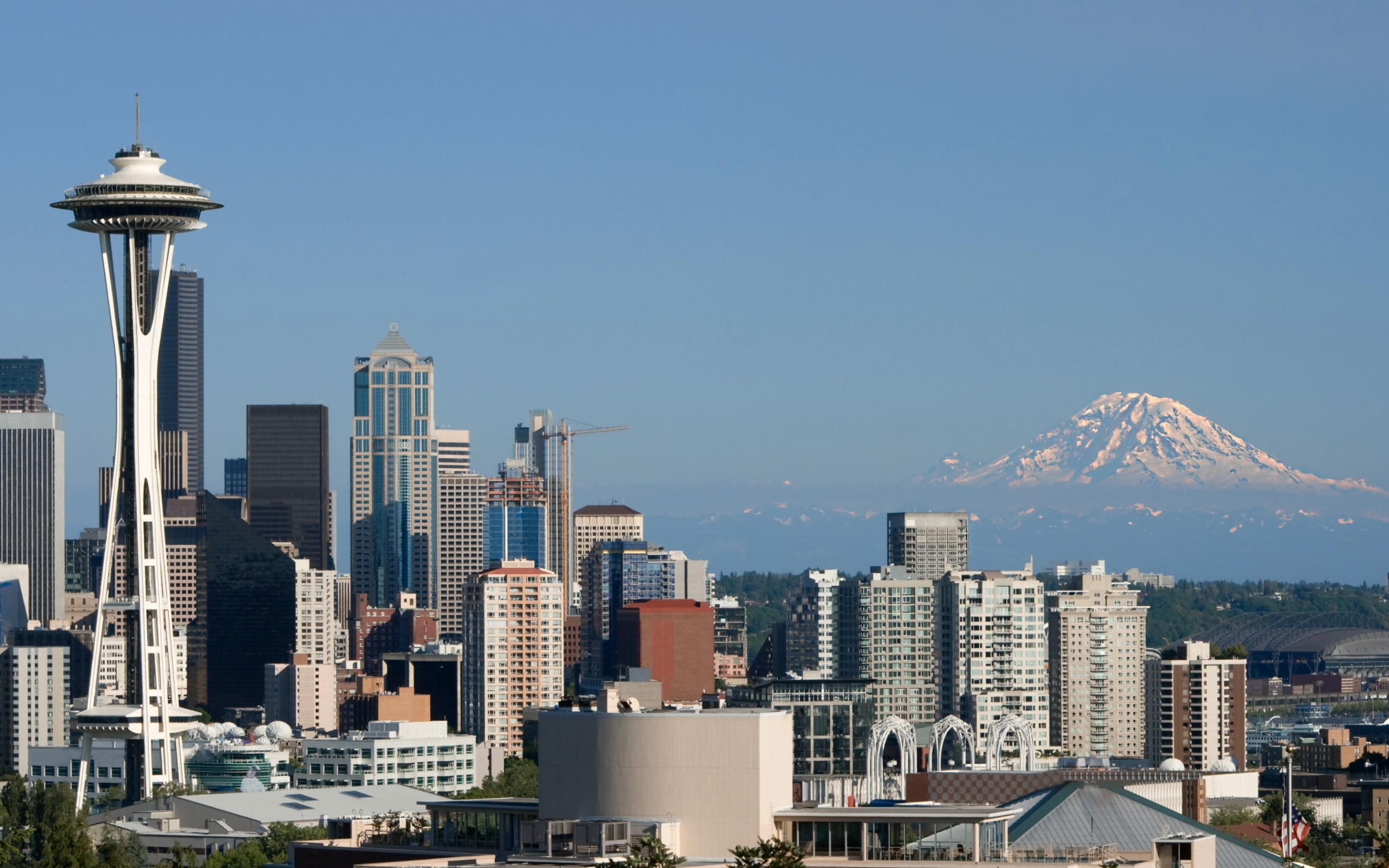
- Queen Anne: An affluent residential area offering stunning views from Kerry Park and close proximity to the Seattle Center, home to the Space Needle and Chihuly Garden and Glass.
When choosing accommodation, travelers can select from a wide array of options reflecting the city’s diverse needs. Luxury properties like the Four Seasons Hotel Seattle cater to discerning guests, while iconic stays like The Edgewater Hotel offer a unique waterfront experience. For those seeking modern comfort, Hotel Theodore provides a stylish base for exploration. The prevalence of corporate activity also means a strong market for extended-stay apartments, ideal for business travelers or those exploring a potential relocation.
Lifestyle and Amenities: What to Expect
The lifestyle in Seattle is heavily influenced by its population’s values and interests. There’s a strong emphasis on outdoor activities, even within city limits, with numerous parks like Discovery Park and the Woodland Park Zoo, and access to Lake Union for kayaking and paddleboarding. The city also boasts a highly developed culinary scene, driven by a population that appreciates fresh, local ingredients, especially seafood from Puget Sound. From gourmet restaurants to bustling food trucks, there’s something for every palate. The city’s passion for coffee is evident on every block, offering endless opportunities to experience Seattle’s signature beverage culture.
Shopping ranges from high-end boutiques at Westlake Center and the flagship Nordstrom store to quirky independent shops in neighborhoods like Fremont and Ballard. The sports scene is also vibrant, with passionate fans supporting professional teams at Lumen Field and T-Mobile Park, and the newly redeveloped Climate Pledge Arena.
The Impact of Population on Travel and Accommodation
The size and growth of Seattle’s population directly influence the travel and accommodation sectors. High demand, especially during peak tourist seasons or major conventions, means that booking in advance is often advisable. This competitive market also drives innovation in accommodation, leading to a wide variety of options, from luxurious resorts to budget-friendly hostels and unique boutique hotels. Online booking platforms, detailed reviews, and comprehensive comparison tools become invaluable for travelers navigating these choices. The presence of a large corporate base also means that business-oriented amenities and services are prevalent, and many hotels cater specifically to this segment, offering robust Wi-Fi, meeting spaces, and executive lounges. For visitors contemplating a longer stay or even relocation, the extensive rental market, ranging from short-term vacation rentals to long-term apartment leases, provides flexible options reflecting the city’s dynamic population movements.
Seattle’s Future: Sustainable Growth and Tourism
As Seattle continues to grow, both in population and global prominence, the conversation naturally shifts towards sustainable development and the evolving role of tourism.
Balancing Development with Livability
The increasing population presents both opportunities and challenges. While growth brings economic prosperity and cultural dynamism, it also puts pressure on infrastructure, affordability, and the environment. Seattle is actively grappling with issues such as traffic congestion, rising housing costs, and ensuring equitable access to services. Solutions involve continuous investment in public transportation, promoting sustainable building practices, and developing smart urban planning strategies that prioritize green spaces and walkability. This commitment to livability and sustainability is a core aspect of the Seattle lifestyle and influences the city’s appeal to eco-conscious travelers. Initiatives such as expanding bike lanes, encouraging public transit use, and promoting local, sustainable businesses reflect the values of its residents and contribute to a more responsible tourism experience.
The Role of Tourism in a Growing City
Tourism plays a vital role in Seattle’s economy, complementing the tech and trade sectors. A growing population provides a larger local audience for cultural institutions, restaurants, and entertainment venues, which in turn enhances the offerings for tourists. Visitors contribute to local businesses, support jobs, and help fund public services. The presence of a major international gateway, Seattle-Tacoma International Airport (Sea-Tac), further solidifies Seattle’s position as a global destination, connecting it to Asia, Europe, and other parts of the United States. As the city evolves, tourism development focuses on showcasing Seattle’s unique blend of innovation, natural beauty, and distinct neighborhoods, ensuring that the visitor experience remains authentic and memorable. This includes promoting experiences that highlight Seattle’s music legacy, from grunge icons like Nirvana and Pearl Jam to the legendary Jimi Hendrix, as well as its entrepreneurial spirit, evident in companies like REI and Expedia Group. The interplay between its resident population and its visitor economy creates a vibrant, ever-changing urban landscape that truly offers something for everyone.
In conclusion, the answer to “how many people live in Seattle?” is more than a statistic. It is a narrative of growth, diversity, innovation, and an unwavering connection to both urban opportunity and natural splendor. This population shapes the city’s identity, influences its travel and accommodation options, defines its unique lifestyle, and invites visitors to explore a dynamic urban center that is constantly evolving while retaining its distinctive Pacific Northwest charm.
LifeOutOfTheBox is a participant in the Amazon Services LLC Associates Program, an affiliate advertising program designed to provide a means for sites to earn advertising fees by advertising and linking to Amazon.com. Amazon, the Amazon logo, AmazonSupply, and the AmazonSupply logo are trademarks of Amazon.com, Inc. or its affiliates. As an Amazon Associate we earn affiliate commissions from qualifying purchases.