
The question of whether Boston, Massachusetts holds the designation of a “sanctuary city” is a complex one, often misunderstood and debated. Unlike a formal, legally defined status, “sanctuary city” is more of an informal or policy-based description used to identify municipalities that have adopted policies to limit their cooperation with federal immigration enforcement. Understanding this distinction is crucial when examining Boston’s approach to immigration and its relationship with federal agencies.
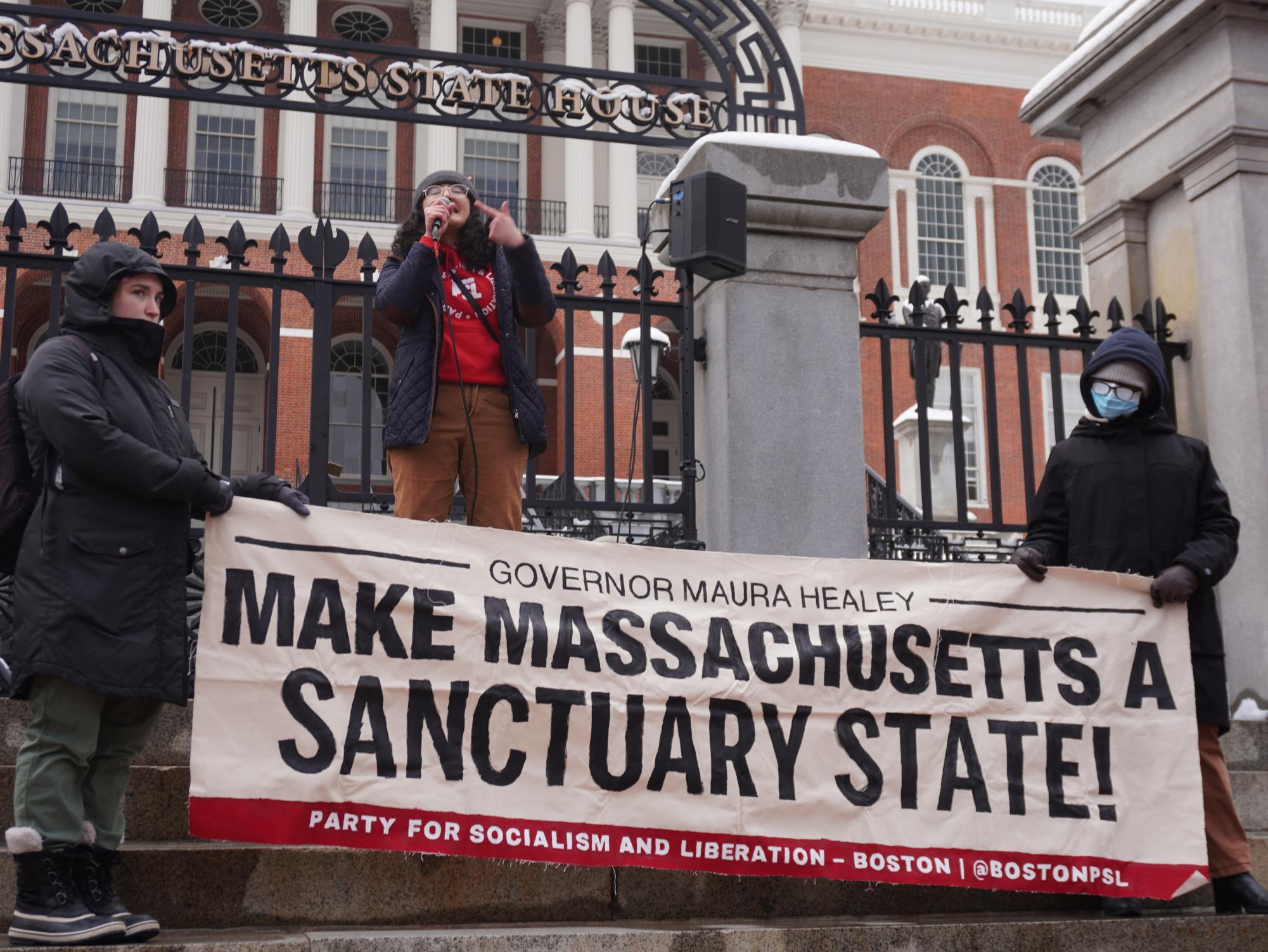
While Boston has not officially declared itself a “sanctuary city” in the strictest legal sense, its municipal policies and practices have led to it being widely perceived and described as such. This perception stems from a commitment to protecting the rights and well-being of all its residents, regardless of their immigration status. The city’s approach prioritizes public safety and community trust, aiming to ensure that all individuals feel comfortable reporting crimes and accessing essential services without fear of deportation.

This article will delve into the policies and actions that contribute to Boston’s reputation, exploring its stance on immigration enforcement cooperation, the protections afforded to its residents, and how these policies align with the broader context of travel, tourism, and lifestyle within this historic American city.
Understanding Sanctuary Policies: Beyond a Simple Label
The term “sanctuary city” can evoke various images and interpretations. At its core, it refers to cities that implement policies that restrict local law enforcement’s ability to assist federal immigration enforcement agencies, such as Immigration and Customs Enforcement (ICE). These policies are typically enacted to foster trust between immigrant communities and local authorities, encouraging reporting of crimes and participation in community life.
The Nuances of Local Cooperation
Local law enforcement in cities with sanctuary policies generally refrain from detaining individuals solely on the basis of an immigration detainer request from ICE if no judicial warrant is present. This means that unless a court order has been issued, local police will not hold someone for ICE to pick them up. This policy is not about preventing federal immigration enforcement altogether, but rather about ensuring that local resources are not primarily used for federal immigration enforcement purposes, and that community members are not hesitant to engage with the police for fear of immigration repercussions.
Boston’s approach aligns with this principle. The city has historically implemented policies that limit the extent to which its police department and other city agencies will honor civil immigration warrants or detain individuals at the request of federal immigration authorities. This stance is rooted in a belief that fostering trust is paramount for public safety. When individuals, regardless of their immigration status, feel safe reporting crimes, witnessing incidents, or seeking assistance from law enforcement, the entire community benefits.
Protecting All Residents: A Core Tenet
The underlying philosophy behind Boston’s policies is the protection of all its residents. This includes ensuring access to essential city services, such as education, healthcare, and emergency response. The city’s leadership has often articulated that denying these services based on immigration status would create vulnerable populations and undermine the overall well-being and safety of the community.
This commitment to inclusivity extends to various aspects of urban life, from educational opportunities for children of undocumented immigrants to ensuring that all residents can access the city’s vibrant cultural attractions and public spaces. It fosters an environment where individuals can contribute to the local economy and social fabric without living in constant fear.
Boston’s Policies in Practice: Travel, Tourism, and Local Life
The policies that define Boston as a city that welcomes and protects all its residents have tangible implications for various facets of life, including travel, tourism, and the general lifestyle experienced by those who visit or live there.
Welcoming Visitors and Newcomers
For travelers considering a visit to Boston, the city’s approach to immigration does not present any direct barriers. In fact, the emphasis on community safety and inclusivity can contribute to a more welcoming atmosphere for all. Tourists can explore iconic landmarks like the Freedom Trail, visit world-class museums such as the Museum of Fine Arts, and enjoy the city’s renowned culinary scene with the assurance that Boston is a city that values the safety and rights of everyone within its borders.
The city’s commitment to accessible services also means that visitors can feel more at ease accessing necessary resources should they need them during their stay. This can be particularly reassuring for international travelers who may be unfamiliar with local customs and services.
Impact on Local Culture and Lifestyle
The policies fostering a sense of sanctuary have a profound impact on Boston’s local culture and lifestyle. By creating an environment where diverse communities feel secure and integrated, the city benefits from a richer tapestry of traditions, perspectives, and contributions. This inclusivity is reflected in the city’s vibrant neighborhoods, its diverse culinary offerings, and its dynamic arts and culture scene.
Whether you are considering a luxurious stay at a downtown hotel, a family-friendly resort experience, or even exploring options for longer-term accommodation, Boston offers a welcoming environment. The city’s commitment to being a place where all residents and visitors can thrive contributes to its appeal as a destination for a wide range of lifestyles, from budget-conscious explorers to those seeking the finer aspects of urban living.
Addressing Concerns and Misconceptions
It is important to address potential misconceptions. The designation of “sanctuary city” or the adoption of sanctuary-like policies does not mean that a city is disregarding federal law or that immigration laws are not enforced. Instead, it signifies a local government’s decision to prioritize certain community values and direct its own resources and personnel in a way that aligns with those values. Federal immigration laws continue to be enforced by federal agencies.
Boston’s policies are a testament to its commitment to building a more equitable and secure city for all. This approach has shaped its identity as a progressive and inclusive urban center, making it a compelling destination for tourists, a desirable place to live for its diverse population, and a thriving hub of economic and cultural activity.
The Legal and Policy Landscape
The debate around “sanctuary cities” often involves a look at the legal frameworks and policy decisions that guide municipal-local government interactions with federal agencies. In the case of Boston, its policies are not a radical departure from established practices in many American cities that have sought to balance local governance with federal mandates.
Mayoral Directives and City Ordinances
Boston’s approach is largely shaped by mayoral directives and city ordinances that guide the conduct of city agencies. These directives typically articulate the city’s stance on not using city resources to enforce civil immigration violations and not detaining individuals on civil immigration warrants. This is often framed as a matter of resource allocation and a commitment to the well-being of the city’s residents.
The rationale behind such policies is multifaceted. From a public safety perspective, it is argued that immigrants who fear interacting with police are less likely to report crimes or come forward as witnesses, thus hindering investigations and potentially allowing criminals to operate with impunity. By fostering trust, cities aim to encourage greater community cooperation with law enforcement.
Cooperation and Limitations
It is crucial to understand that cities with sanctuary policies typically still cooperate with federal authorities in certain circumstances, particularly when there is a judicial warrant or when individuals are suspected of committing serious crimes. The limitations are generally placed on honoring administrative immigration warrants or detainer requests without a court order. This nuanced approach seeks to strike a balance between upholding public safety and protecting the rights and dignity of all residents.

The Broader Context of Urban Development
The policies of a city like Boston are also influenced by its overall vision for urban development and its desire to attract and retain a diverse population. In a globalized world, cities increasingly rely on the contributions of people from all backgrounds to drive innovation, economic growth, and cultural richness. Policies that promote inclusivity are often seen as essential for a city’s long-term vitality and competitiveness.
This inclusive ethos is reflected in the city’s efforts to provide resources and support for all its residents, whether they are long-term inhabitants or recent arrivals. This extends to areas such as education, healthcare, and access to affordable accommodation, contributing to a higher quality of life for everyone.
In conclusion, while Boston may not carry a formal “sanctuary city” title in a strictly legal sense, its policies and the underlying principles of inclusivity and community safety have earned it that reputation. This approach shapes the city’s identity as a welcoming destination and a place where diverse communities can thrive, impacting everything from its tourist appeal to the daily lifestyle of its residents. The city’s commitment to protecting all its people fosters a vibrant and secure environment, making Boston a model for urban governance that prioritizes human rights and community well-being.
LifeOutOfTheBox is a participant in the Amazon Services LLC Associates Program, an affiliate advertising program designed to provide a means for sites to earn advertising fees by advertising and linking to Amazon.com. Amazon, the Amazon logo, AmazonSupply, and the AmazonSupply logo are trademarks of Amazon.com, Inc. or its affiliates. As an Amazon Associate we earn affiliate commissions from qualifying purchases.