
The Freedom Trail in Boston is more than just a path; it’s a meticulously curated journey through the heart of American history, a living testament to the pivotal events that shaped a nation. For visitors seeking an immersive experience, understanding the significance and the best way to navigate this iconic landmark is paramount. This 2.5-mile red-lined route winds through the historic core of Boston, connecting 16 remarkably preserved and significant sites, each whispering tales of the American Revolution and beyond. Whether you’re a history enthusiast, a curious traveler, or simply looking for an engaging way to explore a vibrant city, the Freedom Trail offers an unparalleled opportunity to step back in time and witness the origins of American independence.

Embarking on the Freedom Trail: A Historical Odyssey
The genesis of the Freedom Trail lies in a desire to preserve and celebrate Boston’s rich historical tapestry. Established in 1951, it was conceived by historian William Schofield as a way to draw attention to the city’s historical assets and encourage tourism. The trail officially begins at the Boston Common, America’s oldest public park, and culminates at the Bunker Hill Monument in Charlestown. Along the way, it threads through the bustling streets of downtown Boston, passing through neighborhoods steeped in history, from the colonial era to the Civil War.
Tracing the Steps of Revolutionaries
The Freedom Trail is a chronological and geographical narrative, guiding visitors through the very places where American history unfolded. Each site offers a unique perspective, from the solemn beginnings of dissent to the triumphant cries of freedom.
The Dawn of Revolution: Early Sites
The trail’s initial stops are crucial in understanding the growing tensions that led to the Revolution.
-
Boston Common: As the starting point, this sprawling green space served as a training ground for British soldiers and a site for public gatherings. Its historical significance sets the stage for the revolutionary spirit that would soon ignite.
-
Massachusetts State House: An architectural marvel with its gleaming gold dome, the State House overlooks the Common and has been the seat of Massachusetts government since 1798. Within its walls, discussions and decisions that impacted the colonies’ future were made.
-
Park Street Church: Built in 1809, this elegant church stands at the foot of Beacon Hill. It was a significant meeting place for abolitionists and witnessed many powerful speeches advocating for freedom, including William Lloyd Garrison’s first public address against slavery.
-
Granary Burying Ground: This historic cemetery is the final resting place for many prominent Americans, including Paul Revere, John Hancock, and Samuel Adams. Walking among the weathered gravestones offers a poignant connection to the individuals who risked everything for independence.
-
King’s Chapel: Founded in 1686, King’s Chapel and its adjacent burying ground hold centuries of Boston history. It was the first Anglican church in Puritan Boston and a site that saw significant religious and political shifts.
-
Old South Meeting House: This is perhaps one of the most crucial sites for understanding the catalyst of the Revolution. It was here that over 5,000 colonists gathered on December 16, 1773, to protest the British Tea Act, a meeting that ultimately led to the Boston Tea Party. Standing in this space, one can almost feel the charged atmosphere of dissent.
-
Old State House: The oldest surviving public building in Boston, the Old State House served as the center of royal government in the colony. Its balcony is famous for the proclamation of the Declaration of Independence to the citizens of Boston on July 18, 1776. The building itself is a museum, offering exhibits that detail Boston’s role in the Revolution.
-
Site of the Boston Massacre: Directly in front of the Old State House, a cobblestone circle marks the spot where the Boston Massacre occurred on March 5, 1770. This incident, where British soldiers fired on a crowd of colonists, was a critical turning point in escalating American resentment towards British rule.
The Path to Independence: Key Revolutionary Sites
As the trail progresses, it leads to sites directly involved in the fight for American independence.
-
Faneuil Hall: Known as the “Cradle of Liberty,” Faneuil Hall has been a marketplace and a meeting hall since 1742. It hosted numerous impassioned speeches by patriots like Samuel Adams, rallying colonists to the cause of freedom.
-
Paul Revere House: This modest wooden house, built around 1680, is the oldest surviving building in downtown Boston and the home of Paul Revere at the time of his famous midnight ride. It offers a tangible glimpse into the daily life of a revolutionary hero.
-
Old North Church: Officially known as Christ Church, this is Boston’s oldest standing church building, dating back to 1723. It gained legendary status during the Revolution when two lanterns were hung in its steeple, signaling the approach of the British by sea – “One if by land, and two if by sea.”
-
Copp’s Hill Burying Ground: Located in the North End, this cemetery offers a panoramic view of the Charlestown area and is the final resting place for many artisans and craftsmen who lived in the neighborhood. It also holds significance for its proximity to British positions during the Battle of Bunker Hill.
The Climax of Conflict: Final Revolutionary Sites

The trail’s latter half brings visitors to the culmination of the Revolutionary War.
-
USS Constitution: Christened in 1797, this magnificent wooden-hulled frigate is the world’s oldest commissioned warship still afloat. Nicknamed “Old Ironsides,” she played a crucial role in the War of 1812 and represents the enduring spirit of the U.S. Navy. A visit to the USS Constitution offers insights into naval history and American maritime prowess.
-
Bunker Hill Monument: This towering obelisk commemorates the Battle of Bunker Hill, fought on June 17, 1775. Although technically a British victory, the fierce resistance shown by the Continental forces inflicted heavy casualties on the British, boosting American morale and demonstrating their resolve. Visitors can climb to the top for breathtaking views of Boston and its harbor.
-
Dedication of the Massachusetts Statehouse: This marks the end of the original Freedom Trail and the beginning of the American Revolution.
Navigating the Freedom Trail: Practical Tips for Visitors
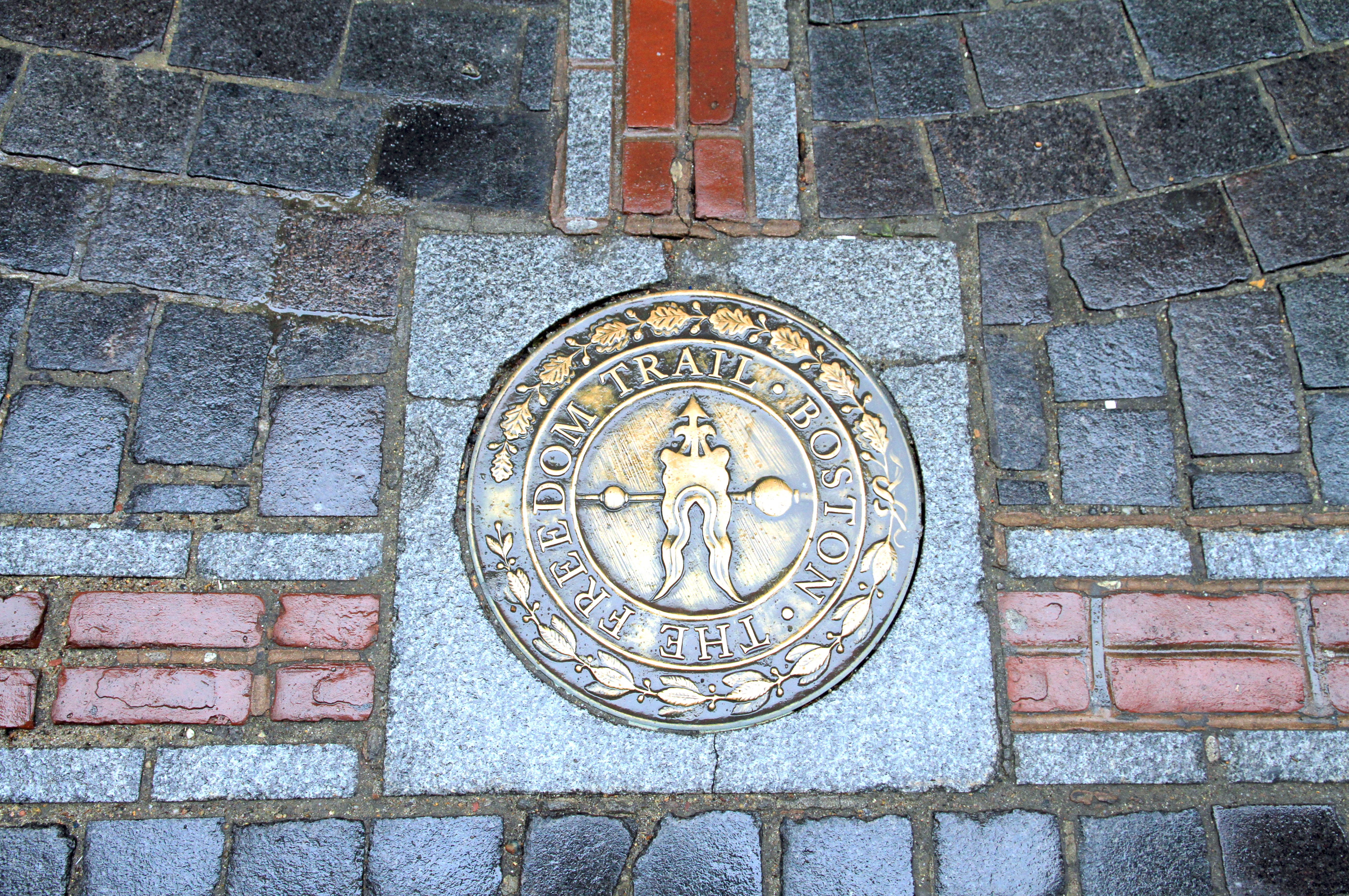
To make the most of your Freedom Trail experience, a little planning goes a long way. The trail is well-marked with a distinctive red brick or painted line, making it easy to follow.
Self-Guided vs. Guided Tours
One of the primary decisions visitors face is whether to explore the trail independently or opt for a guided tour.
-
Self-Guided Exploration: This offers the utmost flexibility. You can set your own pace, linger at sites that captivate your interest, and deviate to explore nearby attractions. Many excellent guidebooks and audio tours are available to enhance this experience. This is often the preferred method for budget travelers or those who enjoy independent discovery.
-
Guided Tours: Numerous organizations offer guided tours led by costumed interpreters or knowledgeable historians. These tours provide in-depth narratives, historical context, and often, engaging anecdotes that bring the past to life. They are an excellent option for those who want a comprehensive understanding without the need for extensive pre-trip research. Some tours are free, while others are paid, offering varying levels of detail and access.
Logistics and Planning Your Visit
-
Time Commitment: While the Freedom Trail is 2.5 miles long, walking it end-to-end with stops at each site can easily take a full day, especially if you plan to enter museums or climb the Bunker Hill Monument. Allocate sufficient time to avoid feeling rushed.
-
Footwear: Comfortable walking shoes are essential. You’ll be covering a significant distance, and much of the trail involves walking on cobblestone streets, which can be uneven.
-
Weather: Boston weather can be unpredictable. Check the forecast and dress in layers. Umbrellas or raincoats are advisable for unexpected showers, especially during the spring and fall. Summer can be hot and humid, while winters can be very cold and snowy.
-
Accessibility: While most of the trail is accessible, some of the older buildings and burial grounds may present challenges for individuals with mobility issues. It’s advisable to check the accessibility of individual sites in advance if this is a concern.
-
Food and Drink: Numerous cafes, restaurants, and shops are located along the Freedom Trail, particularly in the downtown area and the North End, renowned for its Italian cuisine. You’ll have plenty of opportunities to refuel and experience Boston’s diverse culinary scene. Consider packing a water bottle, especially during warmer months.
Integrating with Other Boston Experiences
The Freedom Trail is not an isolated attraction; it’s the gateway to a broader Boston experience.
-
Museums: Many sites along the trail are museums in themselves, such as the Old State House and the Paul Revere House. Additionally, nearby attractions like the Boston Tea Party Ships & Museum and the New England Holocaust Memorial offer further historical context.
-
Neighborhood Exploration: The trail passes through distinct Boston neighborhoods, each with its own character. The historic North End, with its Italian heritage, is perfect for a culinary detour. The waterfront offers scenic views and access to ferry services.
-
Accommodation: Boston offers a wide range of accommodation options to suit every budget and travel style. From luxury hotels in the Back Bay to charming inns in historic neighborhoods and convenient apartment rentals for longer stays, finding the perfect place to rest after a day of exploring is easy. Consider staying in the downtown area for immediate access to the trail, or explore options near public transportation hubs for easy commuting. Many hotels offer packages tailored for tourists exploring the city’s historical sites.
-
Beyond the Trail: If you have more time, consider exploring other Boston landmarks such as the Museum of Fine Arts, the Isabella Stewart Gardner Museum, or taking a whale-watching tour from the harbor. A visit to Cambridge, across the Charles River, to see Harvard University and the Massachusetts Institute of Technology is also highly recommended for those interested in academia and innovation.
The Enduring Legacy of the Freedom Trail
The Freedom Trail is more than a collection of historical markers; it is a powerful reminder of the ideals of liberty, democracy, and self-governance that were forged in Boston. It’s an opportunity to connect with the past in a tangible way, to understand the sacrifices made by those who came before us, and to appreciate the enduring significance of their struggle. By walking this iconic red line, visitors not only explore historical sites but also engage with the very foundations of the United States. It’s an essential pilgrimage for anyone seeking to understand the spirit of America. Whether you are planning a short visit or a more extended stay, the Freedom Trail promises an enriching and unforgettable journey through the heart of American history.
LifeOutOfTheBox is a participant in the Amazon Services LLC Associates Program, an affiliate advertising program designed to provide a means for sites to earn advertising fees by advertising and linking to Amazon.com. Amazon, the Amazon logo, AmazonSupply, and the AmazonSupply logo are trademarks of Amazon.com, Inc. or its affiliates. As an Amazon Associate we earn affiliate commissions from qualifying purchases.