
When planning a trip to the historic and vibrant city of Boston, Mass, understanding its weather is paramount to ensuring a comfortable and enjoyable experience. From the charming cobblestone streets of Beacon Hill to the bustling waterfront, Boston experiences a distinct four-season climate, each offering a unique set of activities and visual appeal. Whether you’re dreaming of a summer spent exploring Fenway Park, a fall foliage tour through the surrounding New England countryside, a winter wonderland of holiday markets, or a spring awakening of blooming gardens, knowing what to expect weather-wise will help you pack appropriately and tailor your itinerary.

This guide delves into the typical weather patterns of Boston, breaking down each season to provide you with the insights needed to plan your perfect Boston adventure. We’ll cover temperature ranges, precipitation, and the general atmospheric conditions you can anticipate throughout the year, helping you make informed decisions about your travel dates, accommodation, and the kinds of attractions and activities that will be most enjoyable.
Boston’s Seasonal Symphony: A Year-Round Weather Breakdown
Boston’s climate is a dynamic interplay of influences from the Atlantic Ocean and continental air masses, resulting in significant variations from one season to the next. Understanding these shifts is key to embracing the full spectrum of what Boston has to offer.
The Brisk Embrace of Winter (December – February)
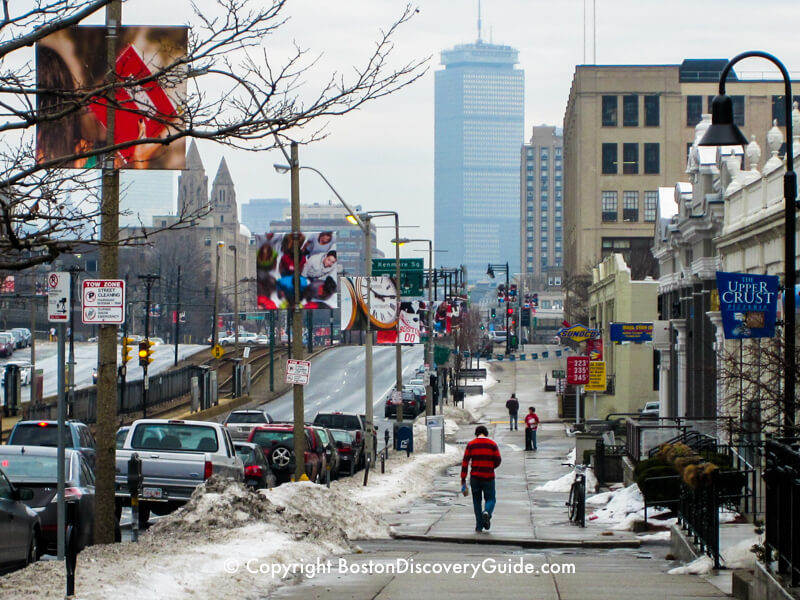
Boston winters are typically cold, with temperatures often dipping below freezing. Snowfall is common, transforming the city into a picturesque winter landscape. While snow can occasionally disrupt travel, it also ushers in opportunities for quintessential winter experiences.
Temperatures: Average daily temperatures in winter hover around the low 30s Fahrenheit (around 0-2°C), with overnight lows frequently dropping into the teens Fahrenheit (around -10 to -7°C). Extreme cold snaps can bring even lower temperatures.
Precipitation: Snow is a significant feature of Boston winters. While the average annual snowfall is around 40-50 inches, specific winters can see much more, sometimes leading to significant accumulations. Rain is also possible, especially in the early and late parts of winter, and can sometimes mix with snow.
Activities and Lifestyle: Despite the cold, winter in Boston is far from dormant. It’s a fantastic time for budget travel as hotel rates can be lower. The city sparkles with holiday decorations, making a stroll through Boston Common or along the Freedom Trail a magical experience. Indoor attractions like the Museum of Fine Arts, the New England Aquarium, and the many historical sites offer refuge from the chill. Cozying up in a local restaurant with a warm meal is a perfect way to spend an evening. For those who enjoy winter sports, day trips to ski resorts within a few hours’ drive of Boston are popular.
Packing Essentials: Warm layers are crucial. Think thermal underwear, sweaters, a heavy winter coat, waterproof boots, gloves, a scarf, and a hat. Waterproof outer layers are essential for snowy days.
The Gentle Awakening of Spring (March – May)
Spring in Boston is a season of transition, marked by gradually warming temperatures and the re-emergence of greenery. While early spring can still be chilly and prone to lingering winter weather, by late spring, the city is vibrant and alive.
Temperatures: March can still feel very much like winter, with average highs in the low 40s Fahrenheit (around 4-6°C). April sees a noticeable warming, with average highs climbing into the low 60s Fahrenheit (around 16°C). By May, average daily temperatures are in the pleasant mid-60s to low 70s Fahrenheit (around 18-22°C).
Precipitation: Spring is often characterized by a mix of rain and sunshine. Rainfall is common, but typically not as heavy or prolonged as in some other regions. There’s always a possibility of late-season snow showers in March or even early April, though these rarely accumulate significantly.
Activities and Lifestyle: Spring is an ideal time for exploring Boston’s many outdoor attractions. The parks begin to bloom, making walks along the Charles River Esplanade or visits to the Boston Public Garden particularly beautiful. Student life picks up as universities emerge from winter hibernation. It’s also a great time for food tours and exploring the diverse culinary scene in neighborhoods like the North End. Outdoor dining begins to flourish as the weather permits.
Packing Essentials: Layers are still key for spring in Boston. Pack a light to medium-weight jacket, a waterproof outer shell or umbrella, comfortable walking shoes, and a mix of long-sleeved shirts and lighter tops. A scarf can be useful for cooler mornings and evenings.
The Vibrant Peak of Summer (June – August)
Summer is arguably the most popular time to visit Boston, with warm temperatures, long daylight hours, and a plethora of outdoor events and festivals. The city buzzes with energy, making it perfect for family trips and exploring its rich tapestry of attractions.
Temperatures: Summer days are generally warm to hot, with average daily temperatures in the mid-70s to low 80s Fahrenheit (around 24-28°C). Heatwaves can push temperatures into the 90s Fahrenheit (32°C+), and humidity can make it feel even warmer.

Precipitation: While summer can bring occasional thunderstorms, it is generally drier than other seasons. These storms are often brief but can be intense, bringing heavy rain and lightning.
Activities and Lifestyle: Summer is the prime season for outdoor experiences. Catch a Red Sox game at Fenway Park, take a harbor cruise, explore the Boston Harbor Islands, or enjoy outdoor concerts and performances. The beaches of nearby Cape Cod become easily accessible for day trips. This is also a peak time for tourism, so booking hotels and popular attractions in advance is highly recommended. The city’s many parks and open spaces are perfect for picnics and leisurely strolls.
Packing Essentials: Light, breathable clothing is a must. Pack shorts, t-shirts, sundresses, swimwear (if planning a beach visit), comfortable sandals or walking shoes, sunglasses, and sunscreen. A light jacket or cardigan might be useful for cooler evenings or air-conditioned interiors.
The Picturesque Palette of Autumn (September – November)
Autumn in Boston is a truly spectacular season, celebrated for its stunning fall foliage and crisp, comfortable weather. It’s a prime time for cultural exploration and enjoying the beauty of the changing leaves.
Temperatures: September typically offers warm, pleasant weather, with average highs in the low 70s Fahrenheit (around 22°C). October sees a noticeable cooling, with average highs in the mid-60s Fahrenheit (around 18°C), and the foliage reaches its peak. By November, temperatures drop significantly, with average highs in the low 50s Fahrenheit (around 10°C), signaling the onset of winter.
Precipitation: Autumn can bring a mix of rain and clear, crisp days. Rainfall is moderate, and occasional storms can occur. The humidity of summer gives way to a drier air, which is pleasant for outdoor activities.
Activities and Lifestyle: Autumn is perfect for exploring Boston’s historical landmarks and museums at a leisurely pace. The changing leaves create a breathtaking backdrop for walks through Arnold Arboretum or along the Charles River. It’s an excellent time for day trips to the surrounding New England countryside to experience the full glory of the fall colors. The city hosts various harvest festivals and cultural events, celebrating the season. This is also a wonderful time for culinary experiences, with seasonal ingredients featuring prominently in restaurant menus.
Packing Essentials: Layers are again essential for Boston in the fall. Pack sweaters, long-sleeved shirts, a medium-weight jacket, a waterproof windbreaker, comfortable walking shoes, and perhaps a light scarf.
Factors Influencing Boston’s Weather
Beyond the seasonal shifts, several factors contribute to Boston’s unique weather patterns:
The Atlantic Influence
Boston’s proximity to the Atlantic Ocean plays a significant role in moderating its temperatures. The ocean can bring cooler air in the summer, helping to alleviate extreme heat, and can also contribute to increased humidity and potential for Nor’easters in the winter. The coastal location means that fog can also be a factor, particularly during the spring and summer months, sometimes leading to cooler, damp conditions even when inland areas are warm. This maritime influence also contributes to the city’s variable weather, with conditions able to change quite rapidly.
Continental Air Masses
As a city situated on the eastern seaboard of North America, Boston is also subject to the influence of continental air masses. Cold, dry air from Canada can bring sharp temperature drops in the winter, while warm, humid air from the south can contribute to summer heatwaves. The clash of these air masses is often responsible for the dramatic weather changes that Boston can experience, from clear, crisp days to stormy conditions.
Topography and Urban Heat Island Effect
While Boston is not known for extreme topographical variations within the city limits, the surrounding New England landscape can influence weather patterns. More significantly, the urban environment itself creates a “heat island effect.” This means that densely populated and built-up areas, with their abundance of concrete, asphalt, and buildings, tend to retain heat, leading to slightly warmer temperatures in the city center compared to its surrounding rural or suburban areas, especially at night. This can be a minor factor in the overall comfort level during different seasons.
Planning Your Boston Itinerary with Weather in Mind
Understanding the typical weather for each season will undoubtedly enhance your travel experience.
- For outdoor adventurers and festival-goers: Summer offers the most opportunities for open-air activities, but be prepared for heat and humidity.
- For foliage admirers and those seeking mild temperatures: Autumn is unparalleled, offering comfortable days for exploring and stunning natural beauty.
- For budget-conscious travelers and those who enjoy a cozy city experience: Winter provides a unique charm with its snowy landscapes and festive atmosphere, though packing for the cold is essential.
- For those who appreciate blooming gardens and milder days without the summer crowds: Spring offers a refreshing transition, with the city coming back to life.
Whether you’re booking your stay at a luxurious resort, a charming boutique hotel, or a practical apartment, considering the season’s weather will help you choose the right accommodation and activities. Always check the forecast closer to your travel dates for the most accurate information, but this seasonal overview will equip you with the knowledge to make the most of your visit to the captivating city of Boston, Mass.
LifeOutOfTheBox is a participant in the Amazon Services LLC Associates Program, an affiliate advertising program designed to provide a means for sites to earn advertising fees by advertising and linking to Amazon.com. Amazon, the Amazon logo, AmazonSupply, and the AmazonSupply logo are trademarks of Amazon.com, Inc. or its affiliates. As an Amazon Associate we earn affiliate commissions from qualifying purchases.