
Understanding the time in California, specifically Los Angeles, is far more than just knowing the current hour. For travelers, navigating the nuances of time zones, Daylight Saving Time, and the city’s unique rhythms is crucial for transforming a good trip into an unforgettable experience. Whether you’re planning a multi-city travel itinerary, booking accommodation in a luxurious hotel, or simply aiming to make the most of your tourism in this vibrant metropolis, being in sync with local time is paramount. From timing your visits to iconic landmarks to experiencing the diverse lifestyle offerings, every moment counts in the City of Angels.
At any given moment, Los Angeles operates on either Pacific Standard Time (PST) or Pacific Daylight Time (PDT). PST is UTC-8, meaning it’s eight hours behind Coordinated Universal Time. PDT, observed during Daylight Saving Time, shifts to UTC-7, making it seven hours behind UTC. This one-hour shift, though seemingly small, can have a significant impact on travel logistics, scheduling, and even your body clock, especially if you’re arriving from a distant time zone. Knowing whether it’s PST or PDT is the first step in truly understanding the pulse of Los Angeles.
Understanding Los Angeles’ Time Zone: PST vs. PDT
Los Angeles, like much of the United States, observes Daylight Saving Time, which means the local time fluctuates seasonally. For visitors, this isn’t just a trivial detail; it’s a fundamental aspect of planning. The transition between PST and PDT directly influences opening hours, tour schedules, and even the natural light available for sightseeing, making it essential to verify the current time zone when making travel arrangements.
The Mechanics of Daylight Saving Time
Daylight Saving Time typically begins on the second Sunday in March, when clocks “spring forward” one hour from PST to PDT. They then “fall back” one hour from PDT to PST on the first Sunday in November. This means for roughly eight months of the year, Los Angeles operates on PDT, offering an extra hour of daylight in the evenings – a blessing for those looking to explore late into the afternoon or enjoy a scenic sunset after a day of activities. The remaining four months, during the cooler season, see the city return to PST, which means earlier sunsets but brighter mornings.
This shift impacts everything from checking into your hotel suite or resort to timing your visit to the Hollywood Sign for optimal photos. Imagine planning a sunset tour of Griffith Observatory and miscalculating the time by an hour – you could miss the breathtaking view entirely! Travel guides often provide general opening hours, but these can subtly shift with the time change, so always double-check specific times for attractions, restaurants, and tours during your visit.
Global Impact: Bridging Time Zones for Travelers
For international travelers or those coming from different parts of the United States, the time difference can be substantial. Someone flying in from New York, operating on Eastern Time (ET), will experience a three-hour time difference. This means 9 AM in New York is 6 AM in Los Angeles. From London, operating on Greenwich Mean Time (GMT) or British Summer Time (BST), the difference can be eight or even nine hours, depending on the season and whether Los Angeles is on PST or PDT.
Bridging these time zones requires careful planning to mitigate the effects of jet lag, especially for long-haul flights. Adjusting your internal clock before you even depart, staying hydrated, and exposing yourself to natural light upon arrival are key strategies. Hotels in Los Angeles often cater to international guests by offering amenities like 24-hour room service, dark-out curtains, and comfortable bedding to help ease the transition. Understanding the time difference is not just about showing up on time; it’s about giving your body the best chance to adapt and fully enjoy the experiences Los Angeles has to offer.

Maximizing Your Los Angeles Experience Across the Clock
Los Angeles truly comes alive at different times of the day, each period offering unique opportunities for exploration, dining, and entertainment. From the serene mornings to the vibrant evenings, understanding the city’s daily rhythm allows you to craft an itinerary that perfectly matches your interests and energy levels. This approach to time management is at the heart of optimizing your Los Angeles tourism experience.
Morning in the City of Angels: Early Adventures
Mornings in Los Angeles are often clear, crisp, and less crowded, making them ideal for certain activities. For those seeking active pursuits, an early hike up Runyon Canyon Park offers stunning panoramic views of the city, the Hollywood Hills, and the ocean. Alternatively, a refreshing walk or bike ride along Santa Monica Beach or Venice Beach provides a quintessential Californian start to the day, often with fewer people.
For a taste of local culinary culture, brunch spots like Urth Caffé or the diverse vendors at Grand Central Market come alive with locals and visitors alike. Early mornings are also excellent for visiting popular attractions that tend to get crowded later in the day. Stroll along the Hollywood Walk of Fame before the throngs arrive, or consider an early entry ticket to theme parks like Universal Studios Hollywood to beat the queues and experience more rides. This strategic use of morning hours can significantly enhance your ability to enjoy Los Angeles attractions.
Afternoon Delights: Culture, Shopping, and Sun
As the morning transitions into afternoon, Los Angeles blossoms with cultural and shopping opportunities. This is the perfect time to immerse yourself in the city’s world-class museums, such as The Getty Center, with its stunning architecture, gardens, and art collections, or the Los Angeles County Museum of Art (LACMA), known for its diverse exhibitions and the iconic Urban Light installation.
For those interested in retail therapy or experiencing the luxury travel lifestyle, an afternoon spent browsing the designer boutiques of Rodeo Drive in Beverly Hills or enjoying the vibrant outdoor atmosphere of The Grove offers unparalleled shopping experiences. Alternatively, a drive up the coast to Malibu for an afternoon at the beach provides a relaxing escape, allowing you to soak up the sun and enjoy the Pacific breeze. Lunch options range from casual food trucks to upscale dining, catering to every palate and budget.
Los Angeles After Dark: Evening Entertainment and Dining
As the sun dips below the horizon, Los Angeles transforms into a glittering spectacle, offering a different kind of magic. The golden hour is undoubtedly best spent at Griffith Observatory, where you can witness one of the most spectacular sunsets over the city skyline, followed by stargazing.
Evening dining in Los Angeles is an event in itself, with a diverse culinary scene boasting everything from casual eateries to Michelin-starred restaurants. Making dinner reservations, especially for popular spots, is highly recommended to secure your preferred time. After dinner, the city’s entertainment options are endless. Catch a Broadway show at the Pantages Theatre, a concert at the architectural marvel that is the Walt Disney Concert Hall, or a movie premiere at the historic TCL Chinese Theatre. The vibrant nightlife of West Hollywood on the Sunset Strip or the burgeoning bar scene in Downtown LA provides options for those looking to extend their evening. This exploration of the city after dark truly embodies the energetic Los Angeles lifestyle.
Practical Time Management for a Seamless LA Visit
Beyond knowing the current time, effective time management is the cornerstone of a successful trip to Los Angeles. This involves strategic planning, understanding local customs, and accounting for the unique challenges and opportunities that come with visiting such a sprawling and dynamic city. From managing jet lag to navigating the city’s notorious traffic, thoughtful consideration of time will greatly enhance your overall experience.
Conquering Jet Lag: Tips for a Smooth Transition
For many travelers, particularly those arriving from distant time zones, jet lag can significantly dampen the initial days of a trip. To minimize its effects, begin adjusting your sleep schedule a few days before departure, gradually shifting towards Los Angeles time. Upon arrival, expose yourself to natural sunlight as much as possible, especially in the mornings, to help reset your circadian rhythm. Stay well-hydrated and avoid excessive caffeine and alcohol, which can disrupt sleep patterns.
Many hotels and villas in Los Angeles are well-equipped to assist guests in combating jet lag. Amenities such as comfortable beds, blackout curtains, and in-room dining options that cater to various meal times can make a significant difference. Some resorts even offer spa treatments designed to promote relaxation and help your body adjust to the new time zone, making your long-term stay or short visit more comfortable.
Navigating Schedules: From Accommodation to Attractions
Successful travel planning in Los Angeles hinges on understanding and respecting various schedules. Hotel check-in times are typically in the afternoon (e.g., 3 PM or 4 PM), while check-out times are usually in the late morning (e.g., 11 AM or 12 PM). If your flight arrives early or departs late, inquire about early check-in or late check-out options, or utilize luggage storage services, which are often available as part of your accommodation amenities. For those booking private apartments, confirm key pick-up and drop-off arrangements well in advance.
When it comes to attractions, popular sites like Disneyland or Universal Studios Hollywood often require advance ticket purchases and even timed entry reservations, especially during peak season. Booking tours and restaurant reservations online is highly recommended to avoid disappointment and save time. Always factor in travel time between locations, as Los Angeles is geographically vast. While public transportation exists, renting a car is often preferred for flexibility, but be prepared for traffic.
The Rhythms of Local Life: Dining and Commuting
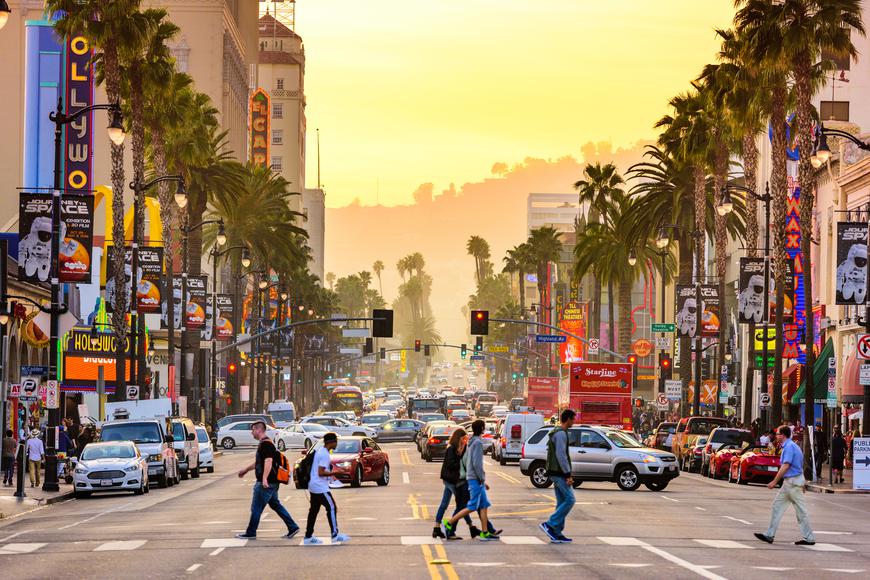
Understanding the city’s daily rhythm, particularly regarding dining and commuting, is vital for a smooth visit. Los Angeles is infamous for its traffic, especially during peak commute hours, generally from 6 AM to 9 AM and 3 PM to 7 PM on weekdays. Planning your travel between Los Angeles destinations outside these windows can save you significant time and frustration. Consider using ride-sharing services or the metro for shorter distances, but always account for potential delays.
The dining scene also has its own timings. While many cafes open early, brunch culture thrives on weekends, often extending into the mid-afternoon. Dinner service typically begins around 5 PM or 6 PM, with peak times between 7 PM and 9 PM. Many restaurants in Hollywood or Santa Monica maintain a bustling atmosphere well into the evening, catering to a diverse local and tourist crowd. For a more budget travel option, grab some street food from a taco truck, which often operates late into the night. Adapting to these local rhythms will allow you to experience Los Angeles like a seasoned local, ensuring your trip is not only well-timed but also deeply immersive.
In conclusion, knowing “What time is it in California Los Angeles?” is the foundation for an organized and enjoyable visit. By understanding the time zone, planning around Daylight Saving Time, and leveraging knowledge of the city’s daily pace, travelers can optimize their itinerary, manage logistics efficiently, and truly immerse themselves in all the rich culture, vibrant lifestyle, and unforgettable experiences that Los Angeles has to offer.
LifeOutOfTheBox is a participant in the Amazon Services LLC Associates Program, an affiliate advertising program designed to provide a means for sites to earn advertising fees by advertising and linking to Amazon.com. Amazon, the Amazon logo, AmazonSupply, and the AmazonSupply logo are trademarks of Amazon.com, Inc. or its affiliates. As an Amazon Associate we earn affiliate commissions from qualifying purchases.