
Boston, a city steeped in history and vibrant culture, offers more than just its iconic landmarks and delectable culinary scene. For those looking to commemorate a trip, express personal style, or simply add a touch of adornment, getting an ear piercing is a popular choice. Whether you’re a seasoned piercee or a first-timer, finding a reputable establishment with skilled professionals is paramount. This guide explores where to find safe, hygienic, and artistic ear piercing services in the heart of Massachusetts. From trendy studios in Back Bay to established jewelers in the North End, Boston has a diverse range of options to suit every preference and budget.
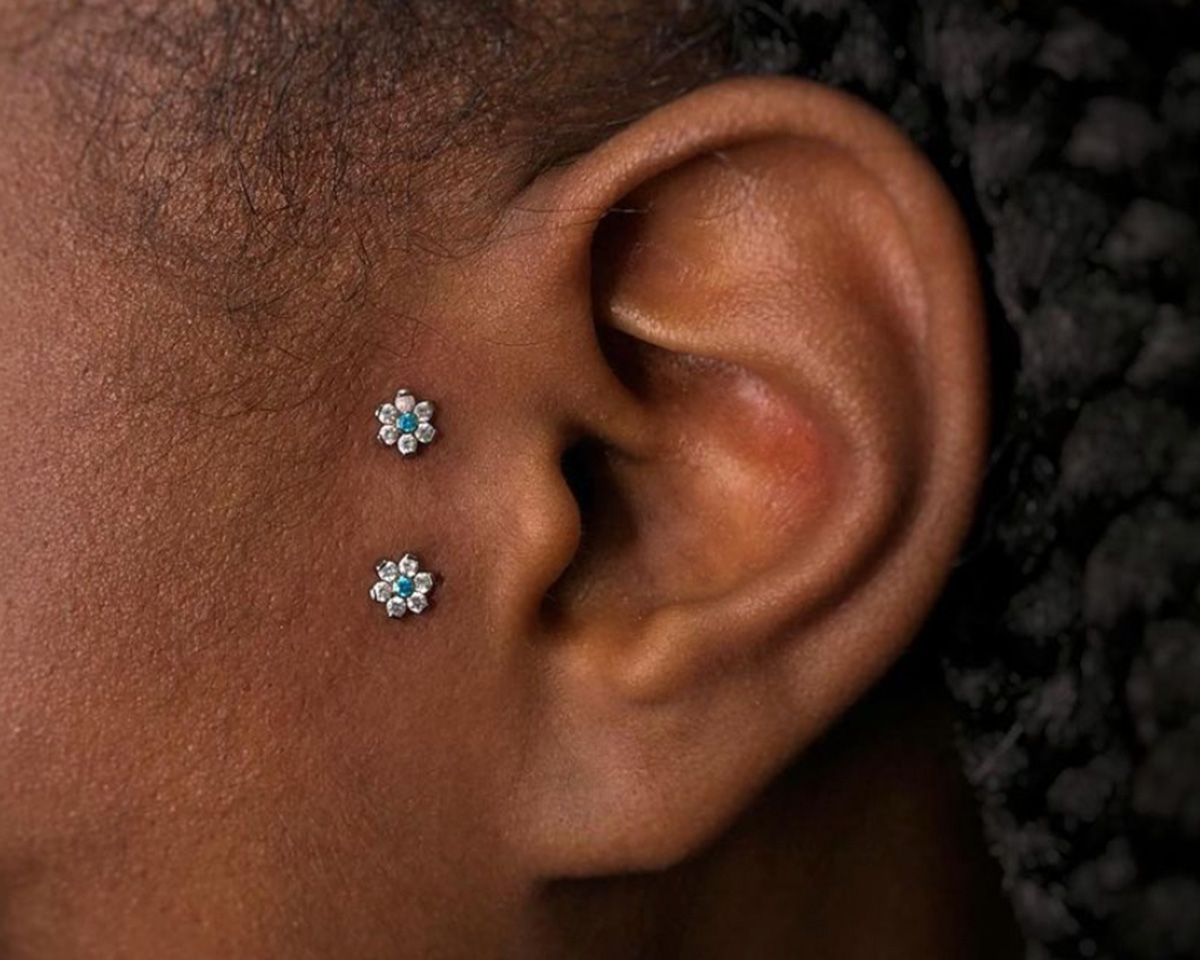
When embarking on the journey of getting an ear piercing, several key factors come into play. The most crucial among these is hygiene and safety. A reputable piercing studio will adhere to strict sterilization protocols, use single-use needles, and employ experienced piercers who understand anatomy and aftercare. Beyond safety, consider the studio’s aesthetic and the piercer’s portfolio. Do their styles align with what you envision? Are they known for their precision and ability to work with different ear shapes? Finally, aftercare advice is non-negotiable. A good piercer will provide clear, comprehensive instructions on how to care for your new piercing to ensure optimal healing and minimize the risk of infection.
Exploring Boston’s Premier Piercing Destinations
Boston boasts a rich tapestry of neighborhoods, each offering unique experiences and a distinct vibe. When it comes to ear piercings, several areas stand out for their concentration of skilled studios and vibrant shopping districts, making them prime locations for those seeking this form of personal adornment. These neighborhoods not only provide excellent piercing services but also offer ample opportunities for exploration, dining, and shopping, transforming a simple piercing appointment into a memorable day out.
Trendy Studios in Back Bay and South End
The elegant streets of Back Bay and the charming brownstones of the South End are known for their sophisticated boutiques, art galleries, and upscale dining. It’s no surprise that these areas also house some of Boston‘s most contemporary and stylish piercing studios. These establishments often cater to a clientele that appreciates modern aesthetics, precision work, and a curated selection of high-quality jewelry.
In Back Bay, you might find studios located within or near popular shopping hubs like Newbury Street. These studios often feature minimalist, clean designs, emphasizing a spa-like experience. They are likely to offer a wide array of piercing options, from classic lobe piercings to more intricate helix, tragus, and conch placements. The piercers here are often highly trained and experienced, focusing on creating aesthetically pleasing results while prioritizing client comfort and safety. They typically work with premium jewelry materials such as implant-grade titanium, 14k or 18k gold, and ethically sourced gemstones. The atmosphere in these studios is generally calm and professional, making it an ideal choice for those who prefer a more refined experience.
The South End, with its vibrant arts scene and eclectic mix of shops and restaurants, offers a slightly different, yet equally compelling, piercing experience. Here, studios might lean towards a more artistic or bohemian vibe, reflecting the neighborhood’s character. You could find independent studios that showcase unique jewelry designs and offer personalized consultations. The piercers in the South End are often lauded for their artistic eye, helping clients choose placements that complement their individual ear anatomy. They may also specialize in specific types of piercings or styles, catering to a diverse range of tastes. After your piercing, you can easily explore the numerous art galleries, enjoy a meal at a farm-to-table restaurant, or browse through independent bookstores, making your visit a holistic lifestyle experience.
When visiting studios in these neighborhoods, it’s always advisable to book an appointment in advance, especially for more complex piercings or during peak hours. Many studios have online booking systems, allowing you to easily schedule your session. Before your appointment, take some time to research the studio’s reviews and view their piercers’ portfolios online. This will give you a good sense of their work and help you make an informed decision. Don’t hesitate to ask questions about their sterilization procedures, jewelry options, and aftercare instructions. A good studio will be transparent and happy to address all your concerns.
Established Jewelers and Long-Standing Salons
Beyond the trendy studios, Boston also features a number of established jewelers and long-standing salons that have been offering ear piercing services for years. These establishments often combine traditional craftsmanship with modern piercing techniques, providing a sense of trust and reliability that appeals to many clients. They are typically found in more traditional shopping districts or historic areas of the city, offering a different kind of charm.
Many of these older, more established businesses have built a reputation for their meticulous attention to detail and their commitment to customer satisfaction. You might find a family-run jewelry store in the North End where generations of artisans have honed their skills, or a respected salon in Beacon Hill known for its discreet and professional piercing services. These places often carry a curated selection of classic and timeless jewelry, perfect for those who prefer understated elegance.
The advantage of choosing an established jeweler for your ear piercing is the inherent trust associated with their long history in the community. They often have a deep understanding of jewelry, from the quality of materials to the best ways to set stones. Their piercing services are usually performed with a similar level of care and precision. The piercers at these locations may have decades of experience, having seen and performed countless piercings, which translates to a high level of competence. They are also likely to offer a more conservative approach, focusing on well-loved and universally flattering piercing placements.
When seeking out an established jeweler, look for those that have a dedicated piercing area or explicitly state their piercing services. Some may use a piercing gun, while others will exclusively use a needle. For most professional piercers and health organizations, needle piercing is considered the safer and more hygienic method, as it creates a cleaner wound and reduces the risk of complications. Therefore, it’s important to inquire about the method they use. Regardless of the method, ensure that the establishment maintains high standards of cleanliness, sterilizes their equipment properly, and provides clear aftercare instructions. These older businesses often provide a more traditional, no-frills experience, prioritizing functionality and lasting quality.
Experiencing Local Culture Through Your Piercing
Getting an ear piercing in Boston can be more than just a cosmetic procedure; it can be an integral part of experiencing the city’s rich local culture. The choice of studio, the style of jewelry, and even the timing of your piercing can be influenced by and contribute to your overall Boston experience.
Consider the historical significance of the neighborhoods you explore for your piercing. A piercing in the historic Freedom Trail area might evoke a sense of enduring style, while a studio near the artistic enclaves of Cambridge could offer more avant-garde jewelry options. The jewelry itself can also be a cultural statement. Many local artists and jewelers in Boston create unique pieces inspired by the city’s heritage, maritime history, or iconic architecture. Opting for a piece from a local designer can be a wonderful way to take a tangible piece of Boston‘s creative spirit home with you.
Furthermore, the act of getting a piercing can be viewed as a rite of passage or a personal milestone, much like visiting Fenway Park for the first time or attending a performance at the Boston Symphony Orchestra. It’s a way of marking your journey and imprinting your personal story onto the backdrop of a new city.
When seeking out a piercer, look for studios that are embedded within the local community. These studios often have a deeper understanding of local trends and preferences. Engaging with the piercer can also be an opportunity to learn more about Boston from a local perspective. They might offer recommendations for other unique experiences, hidden gems, or local eateries that are off the beaten path, enriching your travel itinerary.
The aftercare period following your piercing offers a chance to explore Boston at a more relaxed pace. You can enjoy leisurely strolls through the Boston Public Garden, visit the Museum of Fine Arts, or sample the diverse culinary landscape, all while your new piercing heals. This mindful approach allows you to truly savor the city and its offerings. Choosing a piercing studio that aligns with your interest in local culture ensures that your souvenir is not only beautiful but also imbued with personal meaning and a connection to the vibrant spirit of Boston.
Choosing the Right Piercing and Jewelry
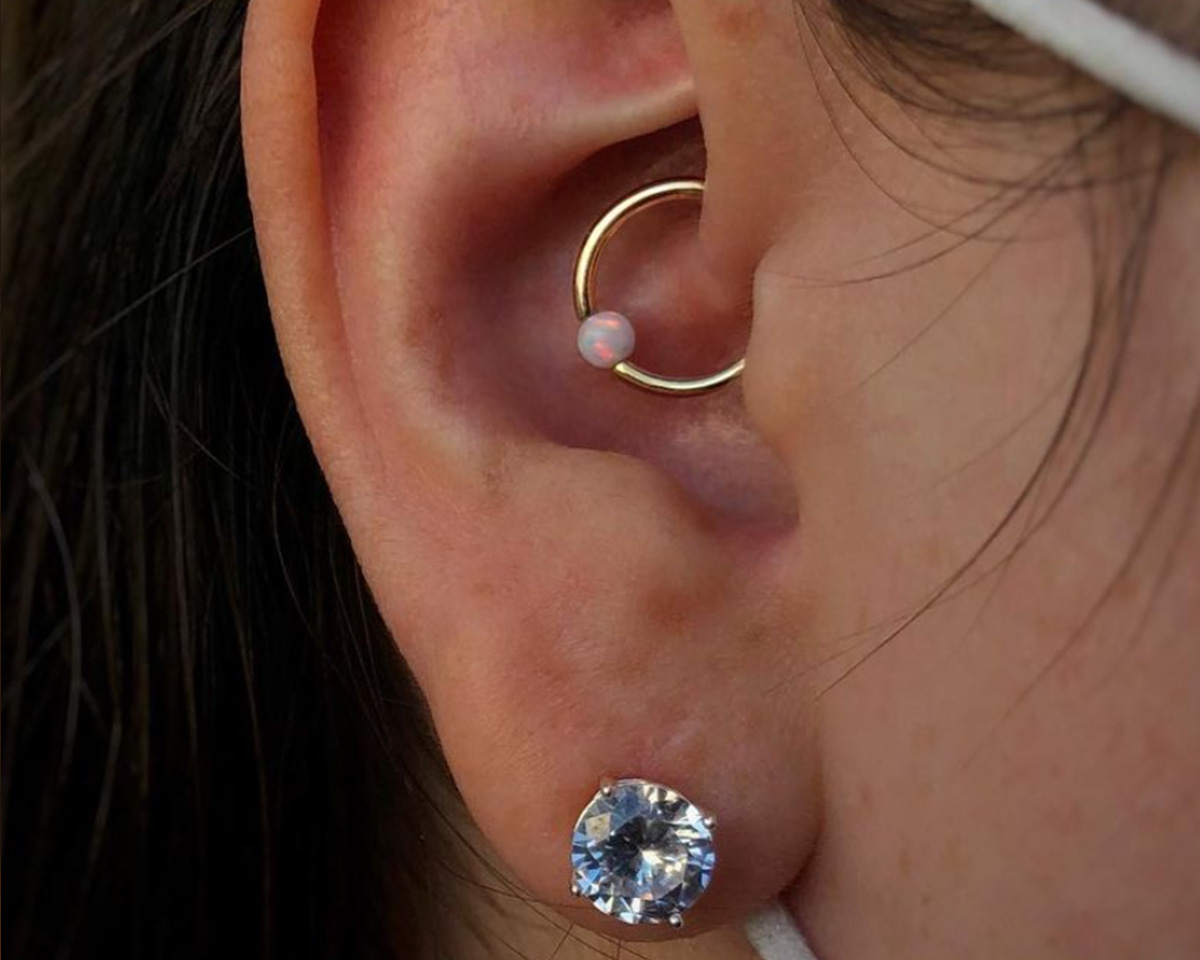
Once you’ve identified potential piercing locations in Boston, the next crucial step is deciding on the type of ear piercing you desire and the jewelry that will adorn it. Boston‘s diverse range of studios offers a plethora of options, from the most classic placements to intricate and unique configurations. The selection process should be guided by your personal style, anatomy, and the expertise of the piercer.
Popular Ear Piercing Placements and Styles
The most common ear piercing is the lobe piercing, which is generally the least painful and heals the quickest. This classic choice is versatile, allowing for single studs, hoops, or multiple piercings in a cluster. Beyond the lobe, there are numerous cartilage piercings that have gained popularity for their aesthetic appeal.
The helix piercing is located on the upper cartilage of the ear, and it can be a single piercing or a double or triple helix. This placement is excellent for showcasing hoops or decorative studs. The forward helix is a variation of the helix, situated on the front edge of the ear cartilage.
For those seeking something a bit more unique, the tragus piercing (on the small flap of cartilage in front of the ear canal) and the antitragus piercing (on the opposite side of the tragus) offer subtle yet striking adornments. The conch piercing, located in the inner bowl of the ear, allows for larger hoops or statement studs. More advanced piercings include the daith piercing (inner ridge of cartilage) and the rook piercing (upper inner cartilage ridge), which are often chosen for their intricate appearance and can be incorporated into curated ear designs.
When discussing your desired piercing with your piercer, they will assess your ear anatomy to determine the best placement and angle for your chosen piercing. They will also discuss the healing process, which can vary significantly depending on the location and your individual healing capacity. For instance, cartilage piercings generally take longer to heal than lobe piercings, often requiring six months to a year for full recovery.
Selecting High-Quality Jewelry
The choice of jewelry is as important as the piercing itself. In Boston‘s well-regarded studios, you’ll find an emphasis on using high-quality, body-safe materials. This is crucial for promoting healthy healing and preventing allergic reactions or irritation.
Implant-grade titanium is a top choice for initial piercings due to its hypoallergenic properties, durability, and light weight. It’s biocompatible, meaning it’s unlikely to cause adverse reactions in the body. 14k or 18k solid gold (yellow, white, or rose gold) is another excellent option, especially for those with sensitive skin or for long-term wear. It’s important to ensure it’s solid gold and not plated, as plating can wear off and cause irritation. Niobium is a less common but equally safe and biocompatible metal.
Materials to generally avoid for initial piercings include surgical stainless steel (which can contain nickel), sterling silver (which tarnishes and can cause reactions), and plated metals. While these might be used for fashion jewelry, they are not recommended for fresh piercings.
Studios in Boston often have a wide selection of starter jewelry, typically studs with flat backs or small hoops. Once your piercing has fully healed, you’ll have a much broader range of options, including more elaborate designs, gemstones, and different metal alloys. Many studios also carry jewelry from reputable designers and brands, ensuring both style and safety. Don’t hesitate to ask about the origin and composition of the jewelry. A professional piercer will be knowledgeable about their offerings and guide you toward the best choices for your specific needs and aesthetic preferences.
Aftercare and Healing: Ensuring a Successful Piercing
The journey of a new ear piercing doesn’t end when you leave the studio. Proper aftercare is paramount for ensuring a smooth healing process, preventing infection, and achieving the best possible outcome. Boston‘s piercing professionals will provide you with detailed instructions, but understanding the general principles of aftercare will empower you to manage your new piercing effectively.
Essential Aftercare Practices
The primary goal of aftercare is to keep the piercing clean and free from irritants and bacteria. This typically involves a gentle cleaning routine performed once or twice daily. Your piercer will likely recommend a sterile saline solution, available as a spray or wound wash.
To clean your piercing, start by washing your hands thoroughly with soap and water. Then, gently saturate a clean cotton pad or gauze with the sterile saline solution and dab it around the piercing site. Avoid using cotton swabs, as the fibers can snag on the jewelry or get stuck in the piercing. Do not twist or rotate the jewelry during cleaning, as this can disrupt the healing tissue and introduce bacteria.
It’s crucial to avoid touching your piercing with unwashed hands throughout the day. Be mindful of your clothing, bedding, and any accessories that might come into contact with the piercing. Avoid sleeping on the side of your new piercing if possible, and consider using a travel pillow to create a comfortable space for your ear to rest.

What to Avoid During the Healing Process
During the healing period, several things should be strictly avoided to prevent complications. Do not use harsh cleaning agents such as alcohol, hydrogen peroxide, or antibacterial soaps, as these can be too drying and damage the delicate healing tissue. Avoid submerging your piercing in water like baths, hot tubs, or swimming pools, as these environments can harbor bacteria. Showers are generally fine, but try to keep the piercing clean afterward.
Refrain from changing the jewelry prematurely. Your piercer will advise you on when it’s safe to change your starter jewelry. Changing it too soon can irritate the piercing and prolong healing. Also, resist the urge to pick at any crust or discharge. This is a normal part of the healing process. Gently clean the area with saline to remove it.
Finally, listen to your body. If you experience excessive redness, swelling, pain, heat, or discharge that is green or yellow, it could be a sign of infection. Contact your piercer or a medical professional immediately.
By diligently following these aftercare guidelines, you will greatly increase your chances of a successful and complication-free healing process, allowing you to fully enjoy your new ear piercing as a beautiful and lasting adornment. When you’re ready to explore Boston further, whether it’s visiting the historic Faneuil Hall Marketplace or enjoying a scenic harbor cruise, your new piercing will be a subtle yet significant part of your travel memories.
LifeOutOfTheBox is a participant in the Amazon Services LLC Associates Program, an affiliate advertising program designed to provide a means for sites to earn advertising fees by advertising and linking to Amazon.com. Amazon, the Amazon logo, AmazonSupply, and the AmazonSupply logo are trademarks of Amazon.com, Inc. or its affiliates. As an Amazon Associate we earn affiliate commissions from qualifying purchases.