
The Boston Marathon bombing remains a stark and deeply unsettling event in recent American history. It was an act of terror that unfolded on April 15, 2013, during the annual Boston Marathon, a cherished tradition that draws thousands of runners and spectators to the historic streets of Boston, Massachusetts. The explosions, strategically placed near the finish line, unleashed chaos and devastation, shattering the celebratory atmosphere and leaving an indelible scar on the city and the nation. Beyond the immediate aftermath of injured and deceased victims, the question of “who” was responsible, and “why,” occupied minds for an extended period. Unraveling the identity and motivations of the perpetrators became a paramount objective for law enforcement and a point of intense public curiosity, interwoven with a broader desire to understand the forces that could drive individuals to such extreme violence.
The Investigation and Identification of the Perpetrators
The immediate hours and days following the Boston Marathon bombing were characterized by an intense, multi-agency investigation. The Federal Bureau of Investigation (FBI) spearheaded the efforts, working in close collaboration with the Boston Police Department, the Massachusetts State Police, and numerous other local, state, and federal agencies. The sheer volume of evidence collected at the scene, coupled with witness testimonies and surveillance footage, formed the initial bedrock of the investigation. This was a monumental task, involving the meticulous collection and analysis of forensic evidence, the review of countless hours of video, and the painstaking reconstruction of the events leading up to and during the attack. The goal was not merely to identify individuals but to understand their roles, their methods, and the timeline of their actions.
Initial Clues and Public Appeals
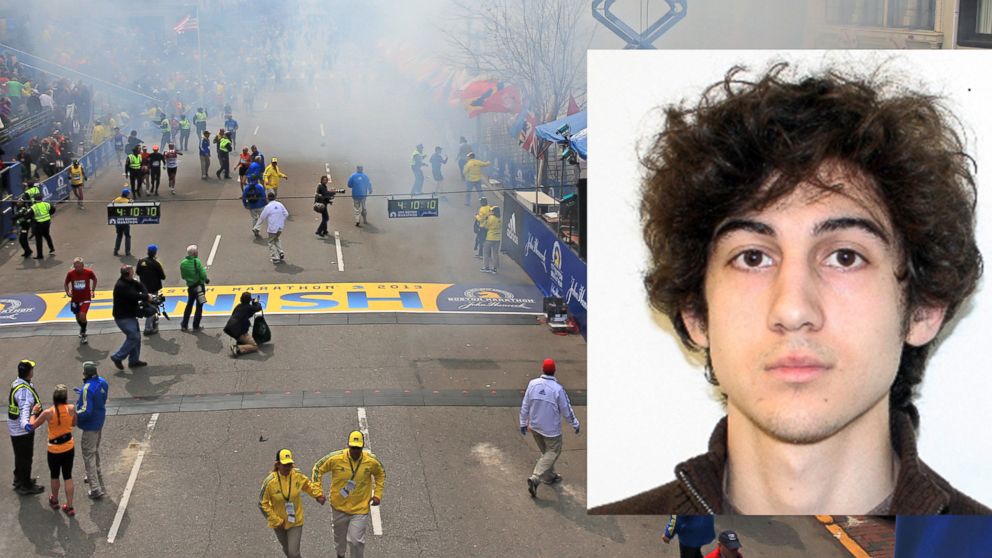
In the initial stages, the identities of the bombers were unknown, and the investigation relied heavily on public assistance. The FBI released grainy surveillance images of two suspects, urging the public to come forward with any information. This appeal, while crucial, also brought with it a wave of speculation and misinformation. The images showed two individuals, distinct in their appearance and behavior, moving through the crowds on Boylston Street in the hours before the explosions. Their presence in the vicinity of the attack, their seemingly furtive movements, and their attire—hooded sweatshirts and backpacks—quickly marked them as persons of interest. The media played a significant role in disseminating these images, galvanizing a nation eager to help and contributing to a palpable sense of urgency. The emotional toll on the Boston community was immense, and the desire for answers was palpable. Each piece of information, no matter how small, was scrutinized.
The public’s response to the appeals was overwhelming. Millions of images and tips flooded the authorities, a testament to the collective desire for justice and closure. This torrent of information, however, also presented a significant challenge in terms of sifting through the noise to find credible leads. Law enforcement agencies worked tirelessly to cross-reference tips, analyze photographic evidence, and identify the individuals depicted in the surveillance footage. The process was meticulous, involving the use of facial recognition technology, comparisons with known databases, and extensive interviews. The pressure to identify the culprits was immense, not only for the sake of bringing them to justice but also to alleviate the fear and uncertainty that had gripped Boston.
The Identification of Tamerlan and Dzhokhar Tsarnaev
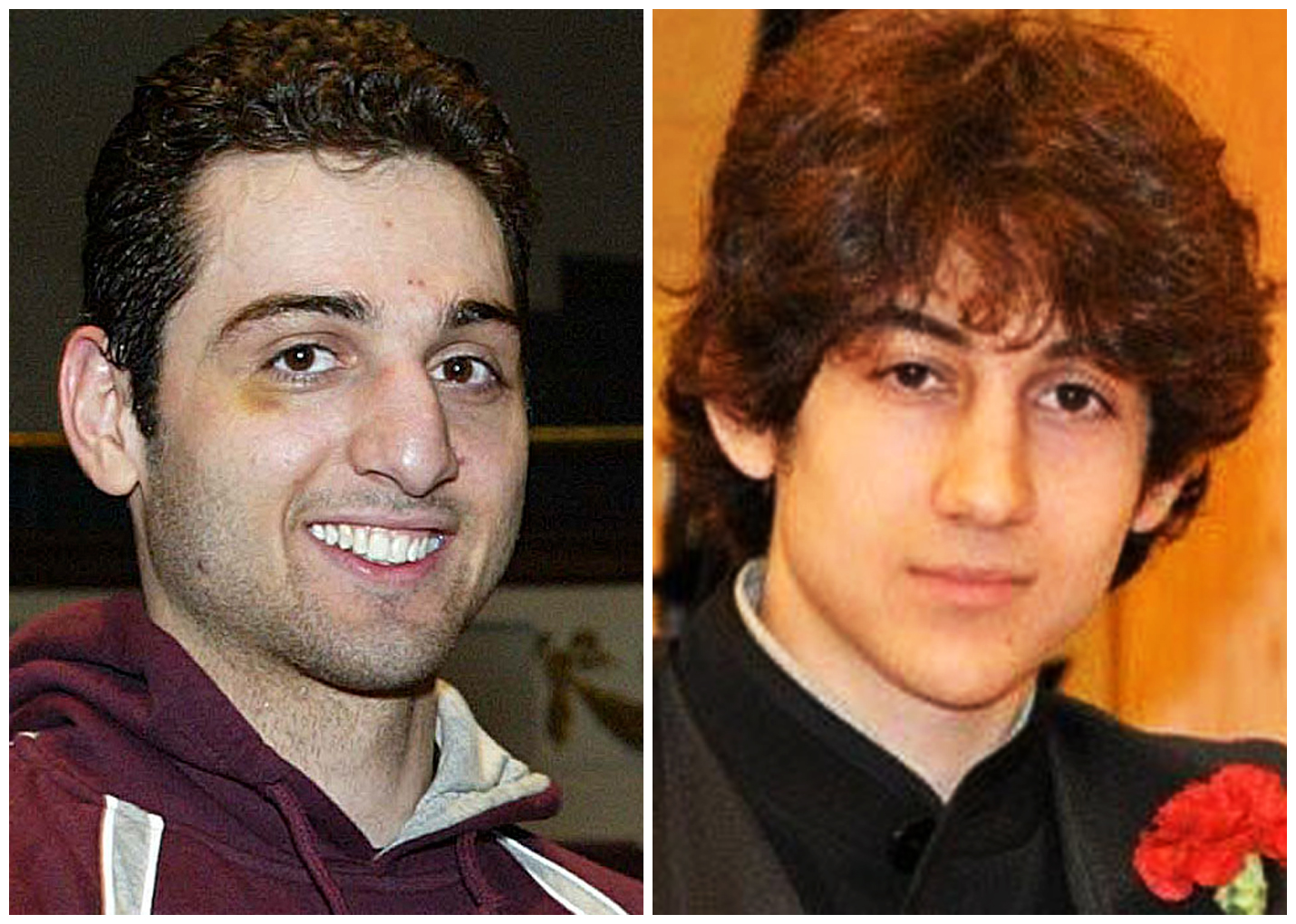
Through a combination of diligent investigative work and critical public assistance, the identities of the two brothers responsible for the bombing were eventually confirmed: Tamerlan Tsarnaev and his younger brother, Dzhokhar Tsarnaev. The breakthrough came after a dramatic turn of events, including a carjacking and a shootout with police in the early hours of April 19, 2013, just days after the bombing. Tamerlan Tsarnaev was killed during this confrontation, while Dzhokhar Tsarnaev managed to escape on foot. His subsequent capture, found hiding in a boat in a Watertown backyard, brought an end to the immediate manhunt and initiated the legal process. The revelation of their identities sent shockwaves through the community and the wider world, prompting a deeper examination of their backgrounds and any potential indicators of their radicalization and intent.
Background and Motivations of the Tsarnaev Brothers
The background and motivations of Tamerlan Tsarnaev and Dzhokhar Tsarnaev became the focal point of subsequent investigations and public discourse. The brothers were of Chechen heritage and had immigrated to the United States from Russia with their family in the early 2000s, eventually settling in Cambridge, Massachusetts. Their lives in America, however, appeared to be marked by a growing sense of alienation and disillusionment, which authorities and experts later sought to understand as contributing factors to their radicalization. The complexities of their journey, their integration (or lack thereof) into American society, and their exposure to extremist ideologies were meticulously examined.
Early Lives and Immigration
The Tsarnaev family’s emigration from Russia to the United States was a significant event in their early lives. They arrived in America seeking a better life, a common narrative for many immigrant families. Tamerlan Tsarnaev, the elder brother, was born in Kyrgyzstan, while Dzhokhar Tsarnaev was born in Chechnya. Their formative years were spent navigating a new culture, language, and societal norms. Dzhokhar attended local schools in Massachusetts and even enrolled at the University of Massachusetts Dartmouth, pursuing a degree in political science. This seemingly conventional path contrasted sharply with the violent actions they later undertook.
Tamerlan, on the other hand, faced more personal struggles. He had aspirations of becoming a boxer and had even competed in amateur bouts. However, his life seemed to be in a state of flux, marked by financial difficulties and a growing detachment from conventional life. Reports indicated that he had spent time in Russia in the years leading up to the bombing, and it was during this period that concerns about his radicalization began to emerge, particularly regarding his exposure to extremist propaganda and his increasingly fervent religious beliefs. The details of these periods, both in the United States and abroad, were crucial in piecing together the narrative of their descent into extremism.
Radicalization and Ideological Influences
The investigation into the motivations behind the Boston Marathon bombing pointed towards radicalization influenced by extremist ideologies, particularly those espoused by groups like Al-Qaeda and its affiliates. While the brothers did not have direct operational ties to established terrorist organizations, their actions appeared to be inspired by their propaganda and rhetoric, which often targeted Western countries, including the United States. The desire to strike a blow against what they perceived as injustices against Muslims in countries like Afghanistan and Iraq was cited as a significant factor.
Online radicalization played a crucial role, with Tamerlan reportedly spending considerable time consuming extremist content and engaging with like-minded individuals online. The brothers’ motivation was complex, seemingly a blend of personal grievances, perceived geopolitical injustices, and ideological fervor. The nature of their radicalization, occurring largely outside the direct purview of intelligence agencies, highlighted the evolving challenges of counter-terrorism in the digital age. The fact that they were homegrown terrorists, radicalized within the United States, added another layer of concern and complexity to the threat landscape. Their actions were intended to inflict mass casualties and sow terror, a goal they tragically achieved.
The Legacy of the Boston Marathon Bombing
The Boston Marathon bombing left an enduring legacy, impacting Boston and the nation in profound ways. Beyond the immediate physical and emotional scars, the event spurred significant discussions about security, counter-terrorism, and the nature of homegrown extremism. The resilience of the Boston community, however, shone through, demonstrating a remarkable capacity for unity and recovery in the face of adversity. The event also prompted a reassessment of how communities can best prepare for and respond to such attacks, fostering a greater sense of preparedness and collective responsibility.
Community Resilience and “Boston Strong”
In the aftermath of the bombing, the spirit of Boston became a symbol of resilience. The phrase “Boston Strong” emerged organically, encapsulating the city’s determination to heal, to support one another, and to move forward. This sense of solidarity was palpable, evident in the outpouring of support for the victims and their families, the volunteer efforts, and the way the community came together to commemorate the tragedy. The return of the Boston Marathon in subsequent years, often under enhanced security measures, became a powerful testament to the city’s refusal to be cowed by terror. The event transformed from a day of horror into a symbol of enduring strength and unity.
The focus on rebuilding and remembrance was evident in many aspects of Boston life. Local businesses, restaurants, and hotels, many of which are vital to the city’s tourism industry, rallied around the affected communities. The Boston Public Library, for instance, offered a quiet space for reflection, while many hotels and accommodations provided crucial support to victims’ families. The spirit of “Boston Strong” was not just a slogan; it was a lived experience, a testament to the human capacity for compassion and fortitude in the face of unimaginable loss. This resilience became a core part of Boston’s identity.

Security and Counter-Terrorism Measures
The Boston Marathon bombing served as a wake-up call, prompting a reevaluation and enhancement of security protocols for large-scale public events across the United States and internationally. The use of improvised explosive devices (IEDs), fashioned from common household items, highlighted the challenge of preventing attacks by individuals or small groups with limited resources but significant intent. This led to increased surveillance, stricter access controls, and a greater emphasis on intelligence sharing among law enforcement agencies. The lessons learned from Boston informed security planning for numerous subsequent events, from sporting competitions to cultural festivals.
The attack also underscored the growing threat of homegrown extremism, individuals who become radicalized domestically rather than being directed by foreign terrorist organizations. This realization has led to a greater focus on community outreach, counter-radicalization programs, and efforts to identify and intervene with individuals exhibiting warning signs of extremist behavior. The complexity of modern threats requires a multifaceted approach that combines traditional law enforcement and intelligence methods with strategies aimed at addressing the root causes of radicalization. The enduring legacy of the Boston Marathon bombing continues to shape our understanding of security and our collective efforts to prevent future acts of terror.
LifeOutOfTheBox is a participant in the Amazon Services LLC Associates Program, an affiliate advertising program designed to provide a means for sites to earn advertising fees by advertising and linking to Amazon.com. Amazon, the Amazon logo, AmazonSupply, and the AmazonSupply logo are trademarks of Amazon.com, Inc. or its affiliates. As an Amazon Associate we earn affiliate commissions from qualifying purchases.