
The Boston Marathon, a cornerstone event in the world of endurance running and a celebrated tradition for the city of Boston, was irrevocably altered on April 15, 2013. On that day, instead of the usual cheers of encouragement and the triumphant finish of athletes, the iconic Boylston Street was plunged into chaos and horror by two explosive devices. The attacks, which occurred near the finish line, claimed lives and injured hundreds, forever etching a dark chapter into the city’s vibrant history and the narrative of this prestigious marathon. While the immediate aftermath was dominated by rescue efforts and the search for answers, the question of “who” the perpetrators were and “why” they committed such an act became paramount. This article delves into the identities of the individuals responsible for the Boston Marathon bombing, exploring their backgrounds, motivations, and the events that led to their actions, all while acknowledging the broader context of Boston as a destination for travel, tourism, and unforgettable experiences.
The bombing not only brought a momentary halt to the celebratory atmosphere but also had a profound impact on Boston‘s sense of security and its global image as a welcoming hub for international travel. For many, the Boston Marathon represents more than just a race; it’s a symbol of resilience, community, and athletic achievement. The events of that day challenged this perception, forcing a re-evaluation of safety protocols and a deeper understanding of the complexities that can underlie seemingly peaceful tourism destinations. This exploration will navigate through the known details of the perpetrators’ lives, offering a somber reflection on the human element behind such a devastating act, and how such events can tragically intersect with the vibrant tapestry of a city renowned for its rich history, iconic landmarks, and diverse lifestyle offerings.
The Tsarnaev Brothers: Architects of Terror
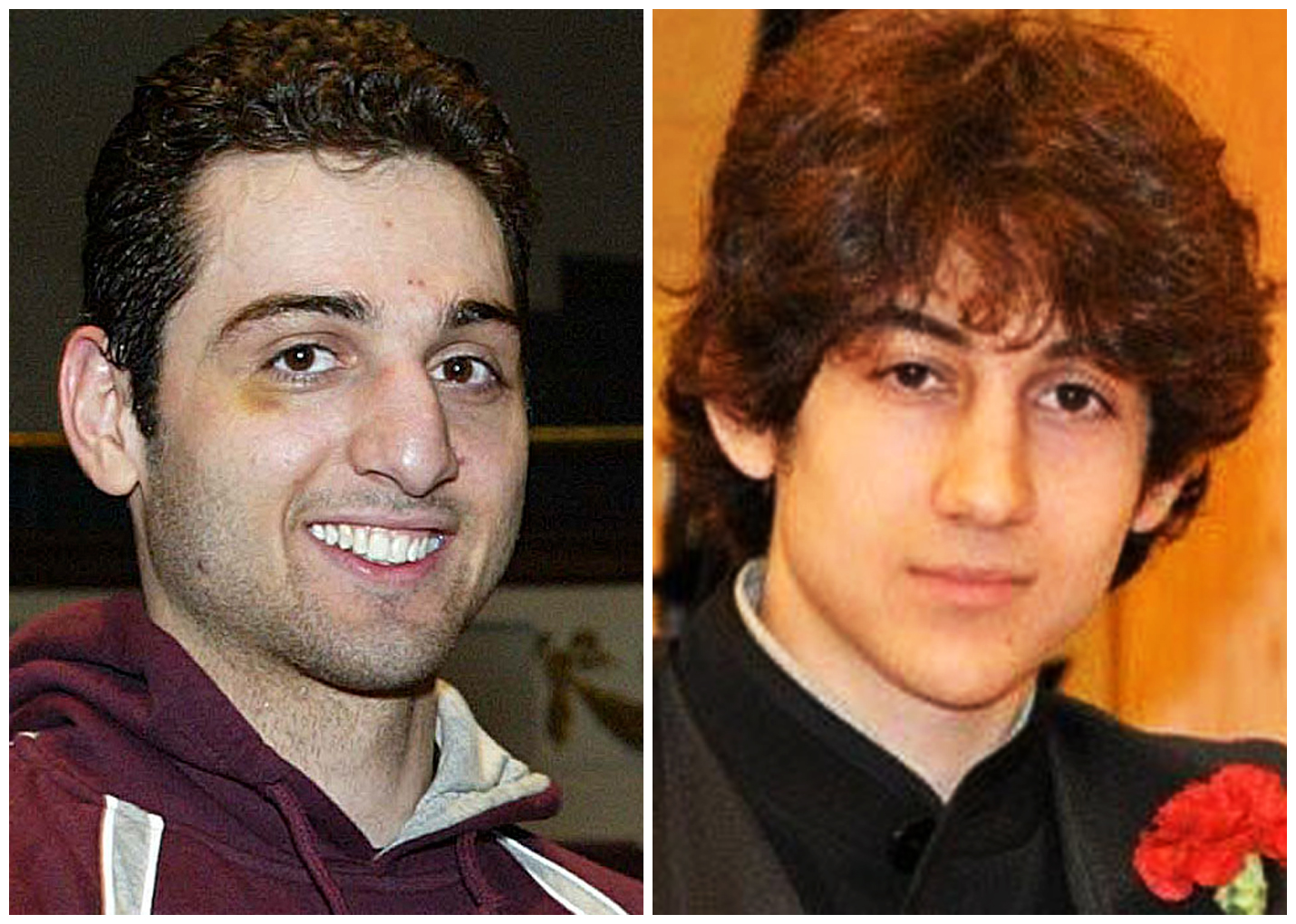
The individuals identified as responsible for the Boston Marathon bombing were two brothers of Chechen descent: Tamerlan Tsarnaev and Dzhokhar Tsarnaev. Their journey from a region marked by conflict to the bustling streets of Boston is a complex narrative that has been scrutinized in the wake of the attacks. Understanding their lives before that fateful day is crucial to comprehending the events that transpired.
Early Lives and Emigration
Tamerlan Tsarnaev, born in 1986, and Dzhokhar Tsarnaev, born in 1993, were born in Kyrgyzstan. Their family eventually relocated to the United States in the early 2000s, settling in Cambridge, Massachusetts. The brothers’ upbringing was marked by the backdrop of the protracted conflicts in the North Caucasus, a region that has experienced significant political instability and violence. This environment, coupled with subsequent personal grievances, is believed to have played a role in shaping their worldview and eventual radicalization.
Tamerlan, the elder brother, was a talented boxer and had aspirations of representing the United States in the Olympics. He had a strong presence and was often described as the more dominant of the two. His initial integration into American life seemed promising, with him pursuing athletic goals and, for a time, appearing to embrace the opportunities offered in his new home. However, observations from friends and family suggested a growing disillusionment and an increasing immersion in radical Islamist ideologies in the years leading up to the bombing.
Dzhokhar, on the other hand, was younger and initially seemed to adapt more readily to American culture. He was a student at the University of Massachusetts Dartmouth and participated in various activities. His path, however, tragically converged with his elder brother’s, leading him down a similar dark trajectory. The influence Tamerlan exerted over Dzhokhar is a recurring theme in the investigation and subsequent legal proceedings.
Radicalization and Motivation
The precise timeline and catalysts for the Tsarnaev brothers’ radicalization remain subjects of ongoing analysis. Investigators and experts have pointed to a confluence of factors, including exposure to extremist propaganda online, personal grievances, and a potential desire to participate in jihad. Tamerlan, in particular, is believed to have become increasingly fervent in his religious beliefs and embraced extremist interpretations of Islam. His online activity revealed a fascination with extremist figures and a growing resentment towards what he perceived as injustices against Muslims.
The motivation behind the bombing has been widely attributed to a desire to retaliate against the United States for its involvement in wars in Muslim-majority countries. The brothers reportedly felt a sense of alienation and injustice, which they channeled into a violent act of terror. Tamerlan’s visits to Russia in the years preceding the attack have also been a focus of investigation, with authorities exploring whether he had contact with extremist groups during those trips. The Boston Marathon, with its prominent location and symbolic significance as a celebration of American life, was chosen as the target for its potential to inflict maximum impact and sow fear. The choice of location, a vibrant hub for tourism and a cornerstone of Boston‘s cultural calendar, underscored the attackers’ intent to disrupt and terrorize a symbol of American normalcy and resilience.
The Day of the Bombing: A City in Shock
The morning of April 15, 2013, began like any other Boston Marathon. Thousands of runners, from elite athletes to enthusiastic amateurs, were converging on Boston to participate in one of the most prestigious marathons in the world. Spectators lined the streets, creating a festive atmosphere filled with cheers and applause. The air was crisp, and the city was alive with the energy of this annual celebration.
The Explosions
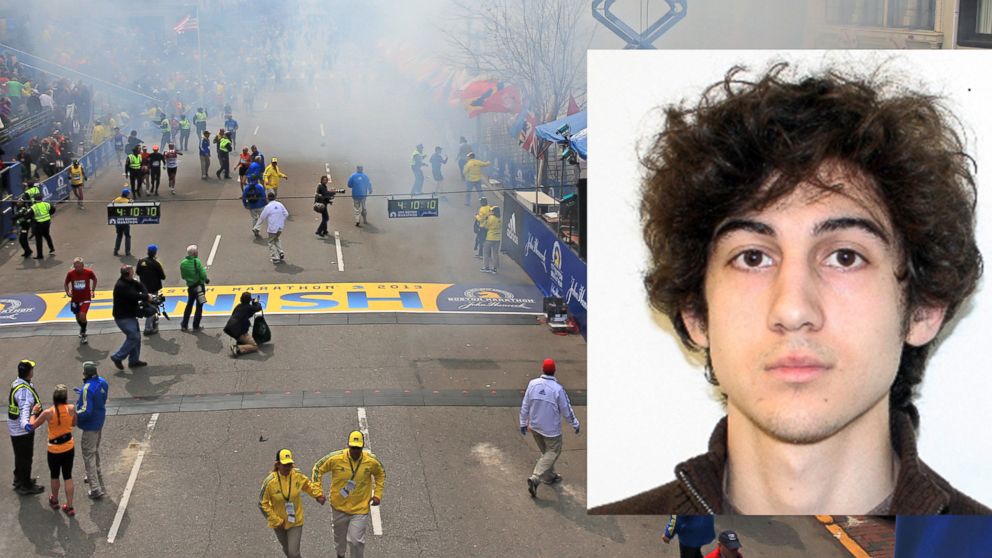
At approximately 2:49 PM Eastern Daylight Time, two pressure-cooker bombs detonated 12 seconds apart near the finish line on Boylston Street. The explosions ripped through the crowd, sending shrapnel flying and causing immediate panic and devastation. The scene quickly transformed from one of joyous celebration to one of terror and chaos. First responders, including police officers, firefighters, and medical personnel, rushed to the scene to provide aid to the injured and secure the area. The iconic Boston Public Library and the surrounding Copley Square area became a focal point for the immediate aftermath, with emergency services working tirelessly to manage the crisis.
The immediate aftermath was characterized by confusion and a desperate search for information. Social media platforms were flooded with images and accounts of the unfolding tragedy, while traditional media outlets scrambled to report on the developing story. The sense of shock and disbelief was palpable throughout Boston and across the nation. The city, known for its rich history and as a premier destination for travel, found itself at the center of a national tragedy. The normally bustling streets, often filled with tourists exploring landmarks like the Freedom Trail, were suddenly a scene of urgency and a stark reminder of vulnerability.
The Manhunt and Capture
In the hours and days following the bombing, a massive manhunt was launched to identify and apprehend the perpetrators. The Federal Bureau of Investigation (FBI), along with local law enforcement agencies, worked tirelessly to piece together the evidence. Surveillance footage, witness testimonies, and forensic analysis played crucial roles in identifying Tamerlan and Dzhokhar Tsarnaev. The city of Boston was effectively shut down, with residents urged to stay indoors as the search intensified. The hunt extended beyond the city limits, with authorities tracking the brothers’ movements and potential escape routes.
The manhunt culminated in a dramatic confrontation in Watertown, Massachusetts, a suburban town just outside of Boston. In a shootout with law enforcement, Tamerlan Tsarnaev was killed. Dzhokhar Tsarnaev managed to escape the initial pursuit but was apprehended later that evening, hiding in a boat in a Watertown backyard. His capture brought an end to the immediate threat and marked a critical turning point in the investigation. The swift resolution, while bringing a measure of relief, did not erase the profound grief and loss experienced by the victims and their families, nor the lasting impact on the Boston community. The incident served as a stark reminder that even in seemingly safe and picturesque destinations, the threat of violence can emerge, prompting a re-evaluation of lifestyle choices and security measures for travelers.
The Aftermath and Legacy
The Boston Marathon bombing left an indelible mark on the city and the nation. The tragedy prompted a period of mourning, reflection, and an outpouring of support for the victims and their families. It also led to significant discussions about security, radicalization, and the challenges of preventing such acts of terror.
Impact on Boston and its Tourism
For Boston, a city deeply proud of its history and its welcoming spirit, the bombing was a profound shock. The Boston Marathon has long been a symbol of the city’s resilience and community spirit, attracting tourists and participants from around the globe. The attacks threatened to tarnish this image, but the city’s response was one of unity and determination. The following year, the marathon was held as scheduled, with enhanced security measures, serving as a powerful testament to the enduring spirit of Boston. Hotels in Boston, such as the Fairmont Copley Plaza, which overlooks the marathon route, experienced the immediate disruption and later the city’s remarkable recovery. The event continues to be a major draw for travelers, showcasing the city’s ability to overcome adversity and reaffirm its standing as a vibrant destination for tourism and cultural experiences. The resilience displayed by the city and its people in the face of such horror became a part of its narrative, woven into its history alongside tales of the American Revolution and its world-renowned universities.
The long-term impact on tourism was a concern, but Boston‘s robust appeal, with its historical landmarks, academic institutions, and thriving cultural scene, ensured its continued popularity. Travel to Boston remained strong, as visitors sought to experience its unique blend of old-world charm and modern dynamism. The city’s accommodation options, from luxurious resorts to charming boutique hotels, continued to welcome guests eager to explore its many offerings, including iconic sites like Fenway Park and the New England Aquarium.
The Legal Proceedings and Dzhokhar Tsarnaev’s Sentence
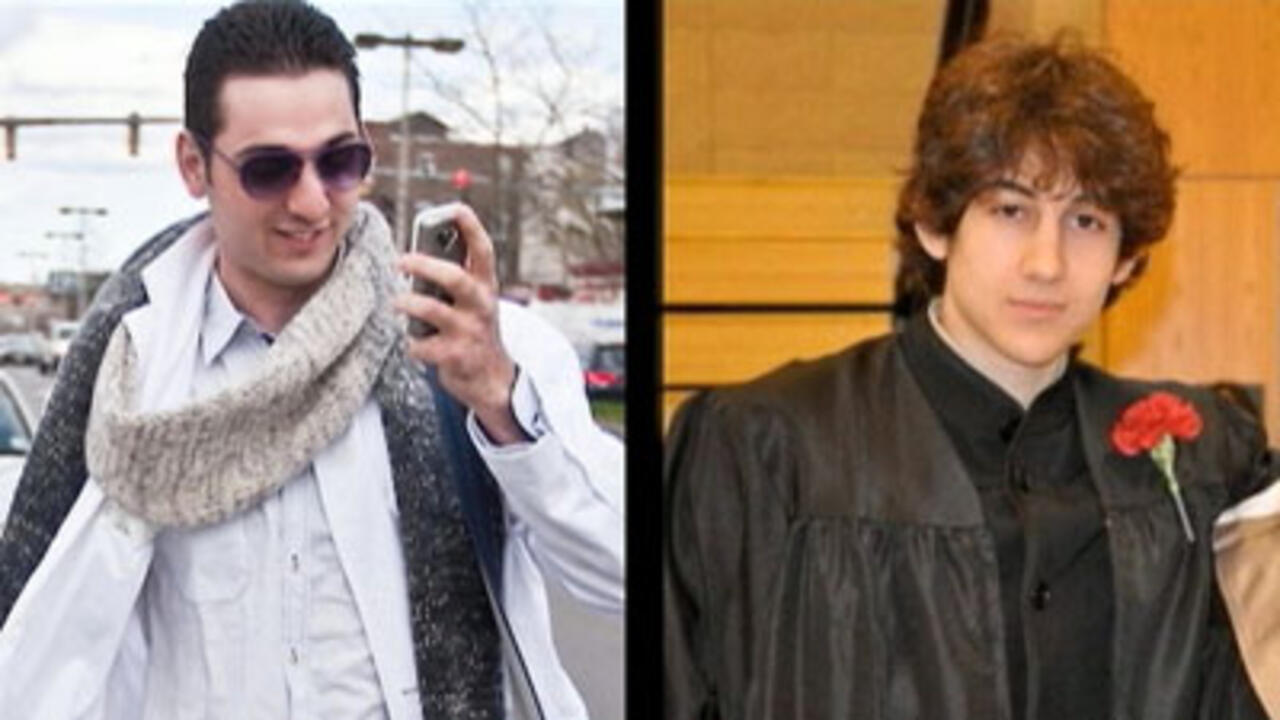
Dzhokhar Tsarnaev was convicted on multiple counts related to the bombing, including the use of a weapon of mass destruction and the murder of three people. The trial was a lengthy and emotionally charged process, bringing the details of the attack back to the forefront. In 2015, he was sentenced to death for his role in the bombing. The sentencing sparked further debate about capital punishment and the pursuit of justice for victims of terrorism. The legal proceedings, while concluding Dzhokhar’s case, served as a somber reminder of the human cost of radicalization and violence.
The legacy of the Boston Marathon bombing continues to resonate. It serves as a stark reminder of the persistent threat of terrorism and the importance of vigilance. For the city of Boston, it is a part of its collective memory, a testament to its strength, and a renewed commitment to fostering a safe and welcoming environment for all who visit and live there. The narrative of Boston as a city of resilience, capable of healing and moving forward, is a powerful one, underscored by the continued success of events like the marathon, which draw travelers and celebrate the indomitable human spirit. The story of the bombers, however tragic, is intertwined with the broader story of Boston‘s enduring appeal as a destination for culture, history, and unforgettable experiences.
LifeOutOfTheBox is a participant in the Amazon Services LLC Associates Program, an affiliate advertising program designed to provide a means for sites to earn advertising fees by advertising and linking to Amazon.com. Amazon, the Amazon logo, AmazonSupply, and the AmazonSupply logo are trademarks of Amazon.com, Inc. or its affiliates. As an Amazon Associate we earn affiliate commissions from qualifying purchases.