
The aroma of slow-cooked pork, the tender, melt-in-your-mouth texture, the smoky char—barbecue is an iconic American culinary tradition, and a cornerstone of this tradition is the pork shoulder, often referred to as “Boston butt.” But if you’ve ever pondered the origin of this seemingly peculiar name, you’re not alone. The moniker “Boston butt” doesn’t actually stem from the city of Boston itself in the way one might initially assume. Instead, its etymology is rooted in the historical practices of butchery and trade, particularly during the colonial era of the United States.
This cut of pork, a primal cut from the upper shoulder of the hog, is prized for its high fat content and connective tissues, which render down beautifully during low and slow cooking, resulting in unparalleled tenderness and flavor. Whether pulled, sliced, or cubed, it’s a versatile cut that forms the backbone of many beloved barbecue dishes, from pulled pork sandwiches to hearty stews. Understanding why this particular cut earned its name offers a fascinating glimpse into the history of food production and nomenclature, connecting us to the methods and language of our ancestors.
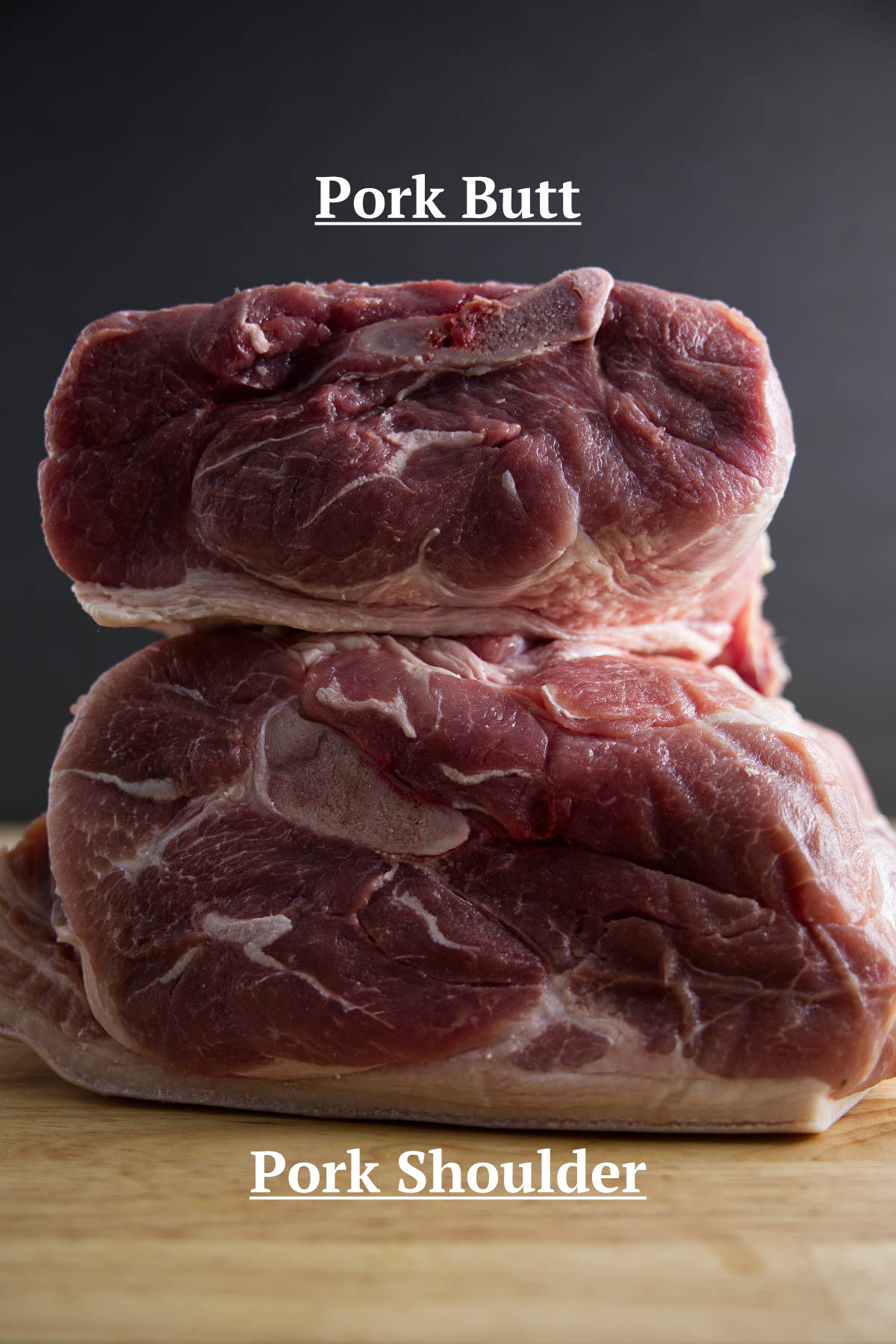
The Anatomy of a Boston Butt
To truly appreciate the name “Boston butt,” it’s essential to understand what the cut actually is. A Boston butt is derived from the pork shoulder, specifically the upper portion of the foreleg, above the Boston roast and distinct from the picnic shoulder. It typically weighs between 3 and 7 pounds and contains a significant amount of intramuscular fat (marbling) and a bone, usually the blade bone. The presence of this fat and the connective tissue is precisely what makes it ideal for slow cooking methods like smoking and braising. As these elements break down over hours of cooking, they create the moist, succulent, and intensely flavorful meat that barbecue enthusiasts crave.
While the term “Boston butt” is widely used, you might also encounter variations like “pork shoulder,” “pork shoulder roast,” or even “pork butt roast.” These terms are often used interchangeably, though technically, the “butt” refers to a more specific section of the shoulder. The other common cut from the pork shoulder is the “picnic shoulder” or “picnic roast,” which is the lower part of the shoulder, closer to the leg. The picnic shoulder generally has less marbling and a different bone structure. Both cuts are excellent for slow cooking, but the distinct fat content of the Boston butt often makes it the preferred choice for achieving that classic barbecue texture.
The internal composition of the Boston butt is what truly sets it apart. It’s a mosaic of lean muscle interspersed with thick ribbons of fat and connective tissue. This intricate structure is a butcher’s dream for a slow-cooking cut. During the cooking process, this fat renders, basting the meat from within, while the collagen in the connective tissue breaks down into gelatin, contributing to the unctuous mouthfeel. This is why a Boston butt, when cooked low and slow, can be easily shredded or pulled apart with minimal effort, a hallmark of exceptional barbecue.
Butchery and the “Butt” of the Hog
The “butt” in “Boston butt” doesn’t refer to the posterior of the hog, as one might mistakenly assume. Instead, it harks back to a historical butchery term used in the United Kingdom and later adopted in the American colonies. In traditional butchery, the term “butt” referred to a specific cut of meat from the upper part of the animal’s carcass. For pigs, the “butt” was essentially the shoulder area, specifically the part containing the blade bone. This was a well-defined section that was often packed and sold as a unit.
This terminology predates modern American barbecue culture and was carried over by early settlers. The term “butt” in butchery referred to a large, cylindrical, or barrel-shaped cut of meat. The pork shoulder, when prepared for preservation or transport, was often trimmed into a somewhat rectangular or square shape that resembled a small barrel or “butt.” This is where the “butt” nomenclature likely originated, not from its anatomical location on the animal but from its prepared shape for packaging and sale.
When these cuts were then shipped from various regions, including those that would become part of the nascent United States, they retained their traditional names. The specific association with “Boston” emerged due to the city’s prominence as a major port and trading center during the colonial period. Boston was a hub for maritime trade, and many agricultural products, including pork, were shipped from or through the city.
The Colonial Connection to Boston
The “Boston” in “Boston butt” is not an indicator of where the cut originated from the pig, but rather a geographical association tied to its trade and distribution. During the 18th and 19th centuries, Boston was a vital commercial center for the thirteen colonies. Pork was a staple food item, and the cured and preserved pork cuts were a significant commodity in intercolonial and transatlantic trade.

Pork shoulders, especially the “butt” cut, were often shipped in barrels or casks for preservation, typically packed in salt. These barrels, referred to as “butts,” were then transported to various markets. As Boston was a major port, a large volume of these salted pork butts passed through its docks. Consequently, consumers and merchants in other regions began to associate this particular cut of pork shoulder with the city of Boston, thus leading to the name “Boston butt.”
It’s a historical misnomer in a sense, as the pigs weren’t necessarily raised in Boston, nor was the cut exclusively processed there. However, the city’s role as a major distribution point for this staple food item cemented its name in culinary history. Imagine butchers and traders in places like North Carolina or Texas, regions now renowned for their barbecue, receiving shipments of pork shoulder from the north and simply referring to it by its origin of trade: the Boston butt.
Furthermore, it’s important to distinguish this from other pork cuts that might have similar naming conventions. For example, the “Boston roast” is a distinct cut that is part of the pork loin, while the “butt” is definitively from the shoulder. The persistence of the name “Boston butt” is a testament to the enduring power of historical trade routes and regional culinary traditions. It’s a name that evokes a sense of history, connecting the simple act of enjoying a barbecue to the complex economic and social landscape of early America.
The Culinary Significance of the Boston Butt
Regardless of its historical naming convention, the Boston butt has secured its place as a champion cut in the world of barbecue and slow cooking. Its unique composition of fat and connective tissue makes it incredibly forgiving for home cooks and pitmasters alike. The generous marbling ensures that the meat remains moist and tender even after prolonged cooking times, a crucial factor for achieving the desired texture in dishes like pulled pork.
When subjected to the low temperatures and extended cooking periods characteristic of barbecue, the collagen within the Boston butt breaks down into gelatin. This process not only tenderizes the meat but also adds a rich, succulent mouthfeel. The rendered fat also plays a vital role, basting the muscle fibers and infusing them with flavor. This internal self-basting mechanism is what makes the Boston butt so resilient to drying out, a common pitfall when cooking leaner cuts of pork.
From Colonial Trade to Modern Barbecue Staple
The journey of the Boston butt from a salted commodity in colonial trade barrels to a celebrated centerpiece of modern barbecue is a compelling narrative of culinary evolution. While the early colonial “butts” were likely preserved through salting and intended for sustenance and trade, today’s Boston butt is revered for its potential to transform into tender, flavorful pulled pork. This transformation is achieved through meticulous smoking or braising processes, often involving rubs, marinades, and a slow, patient approach to cooking.
The rise of regional barbecue styles across the United States has further cemented the Boston butt’s status. In the Carolinas, for instance, pulled pork made from the Boston butt is often dressed with a vinegar-based sauce, showcasing the meat’s natural flavor. In Texas, it might be smoked until tender and then sliced, or even incorporated into dishes like chopped barbecue. The versatility of this cut allows it to adapt to various regional preferences and cooking techniques.
The accessibility and affordability of the Boston butt have also contributed to its widespread popularity. It’s a relatively inexpensive cut of meat that yields a large amount of delicious food, making it a favorite for backyard barbecues, family gatherings, and even large catering events. The knowledge of how to properly prepare it has been passed down through generations, becoming an integral part of American food culture, much like visiting historical landmarks or enjoying a cozy stay at a local lodge.
Exploring Boston’s Culinary Scene Today
While the name “Boston butt” has its roots in historical trade, modern-day Boston itself offers a vibrant culinary scene that celebrates both traditional and contemporary flavors. Visitors to this historic city can explore a wealth of dining experiences, from classic New England seafood establishments to innovative restaurants showcasing global cuisines. You might find the pork shoulder prepared in various ways, though perhaps not always explicitly labeled as “Boston butt” on menus, as the term has become more a descriptor of the cut itself rather than a specific regional preparation within the city.
Exploring Boston’s food landscape is an experience in itself. You can discover charming bistros, upscale dining rooms, and lively pubs, each offering a unique taste of the city. Consider enjoying a hearty meal after a day of exploring historical sites like Freedom Trail or visiting iconic landmarks such as Faneuil Hall Marketplace. Many hotels in Boston, from luxurious resorts to comfortable boutique accommodations, offer excellent dining options or are conveniently located near some of the city’s best culinary hotspots.
The connection between travel and food is undeniable, and Boston exemplifies this. Whether you’re seeking a luxurious culinary journey or a budget-friendly gastronomic adventure, the city provides a diverse range of choices. And while you might not find a dish directly named “Boston butt” on every menu, understanding the history behind its name adds an extra layer of appreciation to any pork dish you encounter, especially when thinking about the rich traditions of American barbecue. The legacy of the “butt” cut, originating from the colonial trade that passed through Boston, continues to be celebrated on plates across the country.
LifeOutOfTheBox is a participant in the Amazon Services LLC Associates Program, an affiliate advertising program designed to provide a means for sites to earn advertising fees by advertising and linking to Amazon.com. Amazon, the Amazon logo, AmazonSupply, and the AmazonSupply logo are trademarks of Amazon.com, Inc. or its affiliates. As an Amazon Associate we earn affiliate commissions from qualifying purchases.