
The specter of wildfires is an ever-present concern in the Golden State, particularly as the dry season intensifies. Each year, the news cycles are punctuated by images of smoke plumes, scorched landscapes, and the brave efforts of firefighters. For travelers, residents, and anyone with a stake in the region, a crucial question arises: have the recent fires been fully extinguished? While the immediate threat of active infernos might subside, the long-term implications and the lingering presence of fire’s impact are far more complex. This article aims to provide a comprehensive overview of the current fire situation in California, addressing the immediate question of containment while delving into the broader context of wildfire management, its effects on tourism and lifestyle, and how to stay informed and prepared.
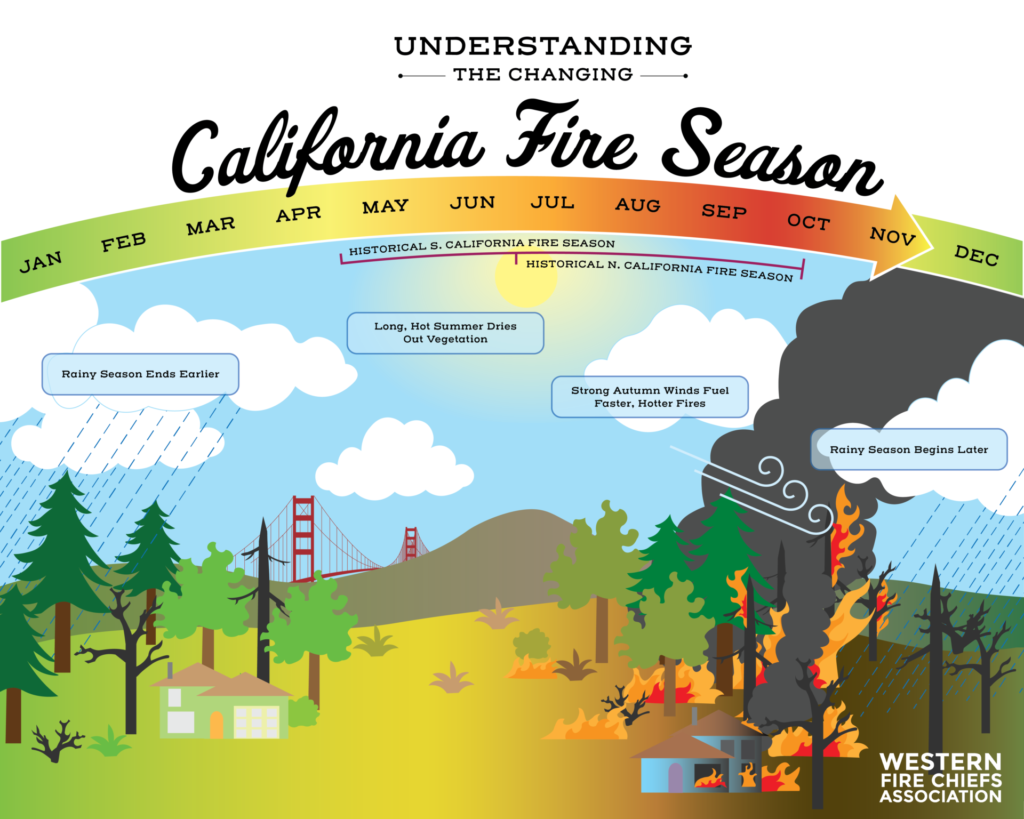
Understanding the Current Fire Situation
California’s relationship with fire is deeply ingrained in its ecology and its human history. From natural lightning strikes to human-caused ignitions, the state’s diverse landscapes – from dense forests in the north to chaparral in the south – are prone to burning. The sheer scale of these events can be overwhelming, with hundreds of thousands of acres sometimes affected by a single complex of fires. When we ask if “all the fires are out,” it’s important to understand what “out” truly means in this context. A fire is officially declared out when all known sources of heat have been extinguished. However, even after the flames are gone, the embers can smolder for weeks, and the landscape remains vulnerable to new ignitions.
The Nuances of Fire Containment
Containment is a more common and practical metric for assessing the progress of firefighting efforts. A fire is considered contained when 100% of its perimeter is secured, preventing further spread. This doesn’t necessarily mean the fire is extinguished. Large, complex fires, especially those in remote or rugged terrain, can take weeks or even months to be fully put out, even after achieving 100% containment. The factors influencing containment include weather conditions (wind, humidity, temperature), fuel availability, topography, and the resources dedicated to the incident.
In the aftermath of significant fire events, such as those that have frequently impacted regions like Los Angeles County, the Sierra Nevada mountains, and the wine country of Sonoma County, authorities will provide daily updates on containment percentages. These updates are crucial for understanding the immediate threat to communities and infrastructure. For instance, during major fire seasons, you might see reports about the Dixie Fire or the August Complex Fire, each with its own timeline of containment and eventual extinguishment. When seeking information about whether fires are out, it’s essential to look at official sources like the California Department of Forestry and Fire Protection (Cal Fire) or local fire departments. They will provide the most accurate and up-to-date information on the status of specific incidents.
The concept of “out” can also be interpreted as the absence of immediate danger to populated areas or critical infrastructure. Even if a wildfire is smoldering in a remote wilderness area, it might not be considered an active threat to the general public or travelers. However, the lingering smoke and air quality issues can persist long after the flames are suppressed, impacting the experience of visiting and enjoying the state’s attractions.
Impact on Travel and Tourism
California is a global epicenter for tourism, attracting millions of visitors annually to its iconic landmarks, diverse natural beauty, and vibrant cities. Wildfires, however, can cast a long shadow over these experiences. The immediate effects are obvious: road closures, park advisories, and sometimes even forced evacuations. But the impact extends beyond the visible flames.

Navigating California’s Attractions Amidst Fire Concerns
When planning a trip to California, especially during the fire season (which has become increasingly year-round in recent years), it is paramount to check for any fire-related disruptions. Destinations like Yosemite National Park, Joshua Tree National Park, and the scenic Pacific Coast Highway can be directly affected. Smoke can blanket vast areas, significantly reducing visibility and air quality, making outdoor activities unpleasant or even hazardous. This can impact the enjoyment of popular attractions such as the Golden Gate Bridge in San Francisco, the theme parks in Anaheim, or the beaches of San Diego.
- Air Quality Alerts: Travelers should actively monitor air quality indexes. Smog and smoke from distant fires can travel hundreds of miles, impacting even areas not directly threatened by flames. Websites like AirNow.gov provide real-time air quality data. Poor air quality can exacerbate respiratory conditions and generally diminish the outdoor experience.
- Road and Trail Closures: Fire activity often leads to the closure of major highways and secondary roads, as well as trails and access points within parks and forests. For example, a fire near Lake Tahoe could necessitate the closure of roads leading to the lake and surrounding recreational areas. It’s always advisable to check Caltrans for road conditions and the specific park or forest service websites for trail status before embarking on a journey.
- Accommodation and Booking Considerations: While hotels and resorts in unaffected areas will continue to operate, those closer to fire zones might experience cancellations or reduced bookings due to safety concerns or travel advisories. Travelers considering stays in areas that have recently experienced fires, such as the Napa Valley or the Santa Barbara wine region, should be aware of potential lingering effects, including smoky scents or visual impacts on the landscape. Reputable booking platforms and direct hotel websites will usually provide information on operational status.
The resilience of California’s tourism industry is remarkable. Businesses often adapt quickly, and recovery efforts are swift. However, for a traveler, being informed and flexible is key to enjoying a trip despite potential fire-related challenges. Understanding the scope of current events and consulting official advisories is the best way to ensure a safe and enjoyable visit.
Lifestyle and Long-Term Implications
The wildfire phenomenon in California is more than just an annual event; it’s a significant factor shaping the state’s lifestyle and long-term outlook. The impacts ripple through various aspects of life, from insurance availability and property values to the very way communities prepare and coexist with fire.
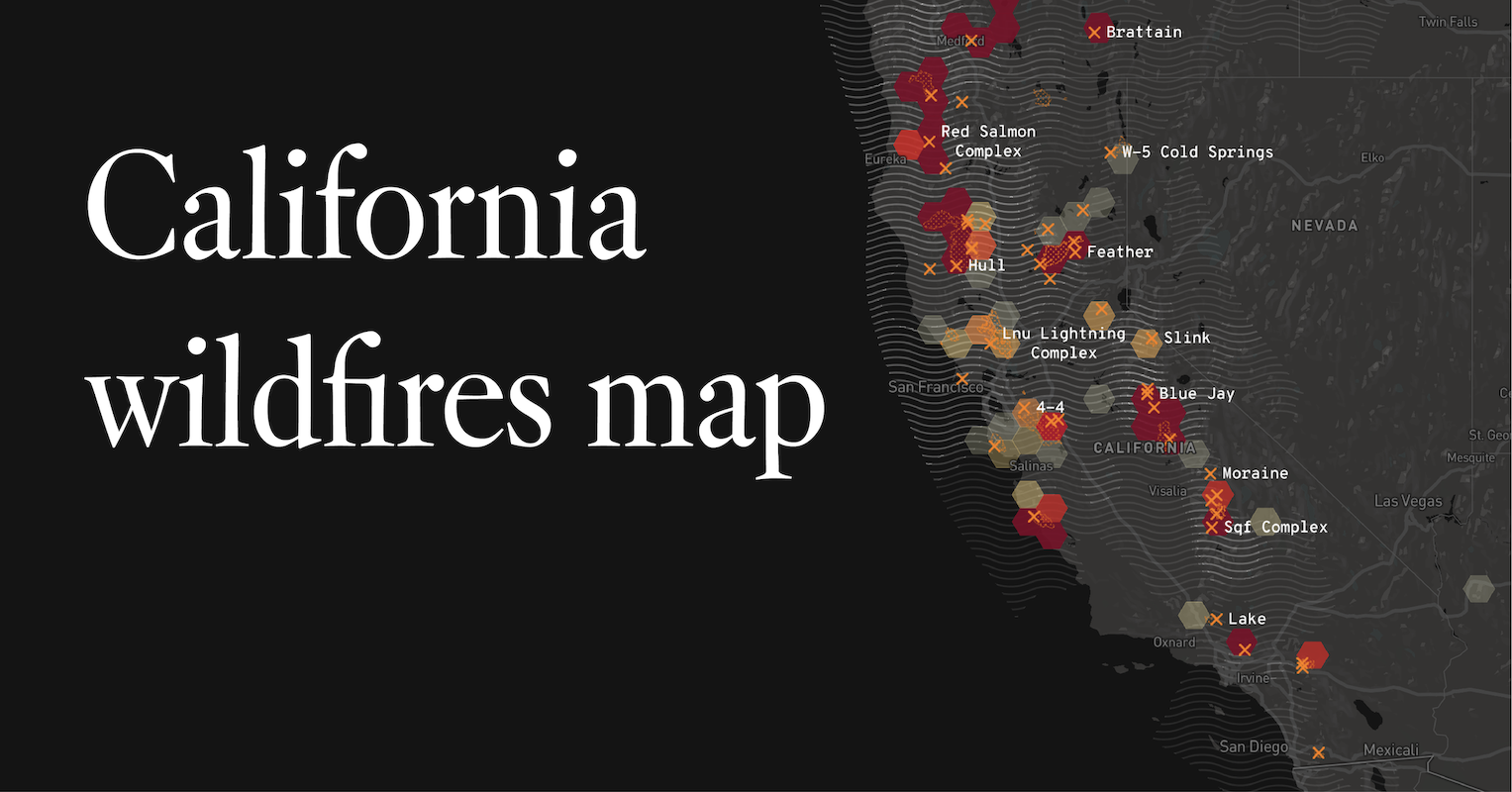
Adapting to a Fire-Prone Future
The frequency and intensity of wildfires have led to a re-evaluation of how Californians live and build. The concept of “defensible space” around homes has become increasingly important, and building codes in fire-prone areas are being updated to reflect the higher risk. This has implications for real estate, insurance markets, and the types of construction materials deemed safe.
For those seeking accommodation in California, whether for a short vacation or a longer stay, the fire risk can influence choices. Luxury resorts in areas like Palm Springs or coastal towns may have robust fire mitigation plans, while more remote villa rentals might require renters to be more aware of their surroundings and preparedness measures. The lifestyle of living in or visiting fire-prone regions necessitates a heightened sense of awareness and responsibility.
- Insurance Challenges: In some high-risk areas, obtaining homeowners insurance has become increasingly difficult and expensive. This can impact the real estate market and the ability of people to afford living in certain communities. Travelers looking for vacation rentals should inquire about the insurance status of their chosen accommodation and be aware of any potential disruptions.
- Ecosystem Resilience and Restoration: After a fire, the ecological impact is profound. While fire is a natural part of many California ecosystems, the intensity and scale of recent fires can overwhelm the natural regenerative processes. Restoration efforts are often undertaken, but it can take years for landscapes to recover. This can alter the aesthetic and experiential aspects of visiting natural landmarks. For example, a once-lush forest might be barren for a period, affecting hiking experiences in places like Big Sur.
- Community Preparedness and Evacuation Plans: Many communities in California have developed sophisticated emergency alert systems and evacuation plans. Residents and visitors alike should familiarize themselves with these procedures, especially if traveling to or staying in areas known for wildfire activity. Knowing evacuation routes and having a go-bag ready can be crucial in emergency situations.
The question of whether all California fires are out is a dynamic one. While immediate threats may be contained, the underlying conditions that fuel these fires – climate change, drought, and accumulated dry vegetation – persist. The state is actively engaged in fire prevention, management, and adaptation strategies. For visitors and residents, staying informed, being prepared, and respecting the power of nature are essential components of enjoying the unparalleled beauty and lifestyle that California offers, even in the face of these ongoing challenges. The ability to travel safely and enjoy the diverse offerings of California hinges on a proactive and informed approach to the realities of wildfire season.
LifeOutOfTheBox is a participant in the Amazon Services LLC Associates Program, an affiliate advertising program designed to provide a means for sites to earn advertising fees by advertising and linking to Amazon.com. Amazon, the Amazon logo, AmazonSupply, and the AmazonSupply logo are trademarks of Amazon.com, Inc. or its affiliates. As an Amazon Associate we earn affiliate commissions from qualifying purchases.