
The question “Are California Schools Closed Today?” can spark a wave of curiosity, not just for students and parents, but for anyone planning a trip to the Golden State. While the immediate thought might be about academic schedules, school closures can have a ripple effect on various aspects of travel and lifestyle within California. This article delves into why schools might close, how these closures can impact your travel plans, and what alternative experiences you might discover when the usual rhythm of a school day is disrupted.
The vastness of California, from its sun-drenched beaches to its towering mountain ranges, offers an endless array of destinations. Whether you’re dreaming of exploring the vibrant streets of San Francisco, soaking up the sun in Los Angeles, or venturing into the natural wonders of Yosemite National Park, understanding local events, including school closures, can enhance your trip. This knowledge allows for more seamless planning and can even lead to unexpected opportunities for experiencing the state’s rich culture and attractions without the usual student crowds.
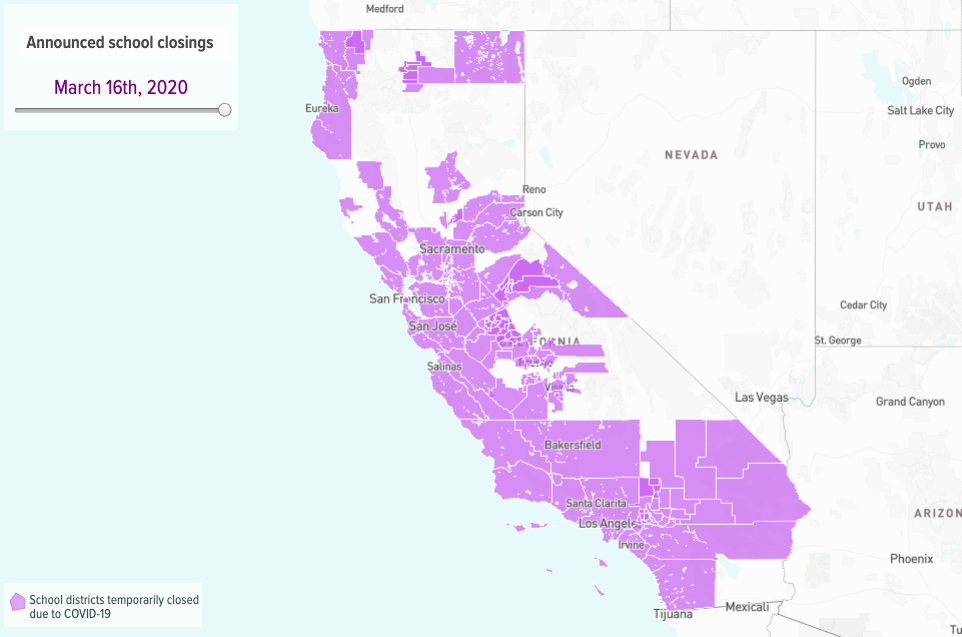
Understanding School Closure Reasons and Their Impact
School closures in California are typically triggered by a variety of factors, ranging from extreme weather and natural disasters to public health emergencies and scheduled holidays. Each of these reasons can indirectly influence your travel experience, and knowing what to expect can help you adapt your itinerary.
Adverse Weather and Natural Disasters
California is no stranger to dramatic weather events and natural phenomena. Wildfires, particularly during the dry summer and fall months, can lead to evacuations and road closures, impacting access to popular tourist areas. Heavy rains can cause flooding and mudslides, especially in mountainous regions, posing risks and disrupting travel. Even unseasonal snow in the Sierra Nevada mountains can cause schools to close and major highways, like parts of Interstate 80 or Highway 50, to become impassable.
When a significant weather event or natural disaster occurs, school closures are often one of the first indicators of the severity of the situation. This can serve as an early warning for travelers. For instance, if schools in Lake Tahoe are closed due to heavy snowfall, it’s a clear sign that driving conditions might be hazardous, and flights into smaller regional airports could be affected. Similarly, widespread school closures due to a wildfire near a popular national park like Joshua Tree might suggest that air quality is poor and that access to the park could be restricted.
For travelers, these events can mean:
- Delayed or Canceled Flights: Major airports like Los Angeles International Airport (LAX) or San Francisco International Airport (SFO) might experience disruptions due to weather impacting visibility or air traffic control.
- Road Closures and Travel Delays: Essential routes across the state can be shut down, forcing detours and significantly increasing travel times. This is particularly relevant for road trips through scenic areas or when planning to drive between cities.
- Attraction Closures: In the event of severe weather or disaster, attractions, parks, and even hotels may temporarily close for safety reasons. For example, Disneyland Resort might close its gates during extreme weather, or Zion National Park (though not in California, often a travel consideration for those in Southern California) could face closures due to flash floods.
- Accommodation Availability: While initial closures might deter some travelers, in the aftermath, there might be a surge in demand for lodging in unaffected areas as people are displaced or seek safe havens.
Public Health Emergencies and Safety Concerns
Public health emergencies, such as outbreaks of contagious diseases or other widespread health advisories, can also lead to school closures. These are often implemented to curb the spread of illness and protect student populations. While the direct impact on travel might seem less immediate than a blizzard, these situations can affect the overall atmosphere and accessibility of destinations.
For instance, if there’s a concern about an outbreak in a densely populated area like San Diego, schools might close, and public health officials might issue advisories against large gatherings. This could translate into certain events being canceled, including festivals, sporting matches, or even tours of popular landmarks like Alcatraz Island. Businesses, including restaurants and attractions, might also see reduced operating hours or temporary closures to comply with health guidelines.
Travelers in such scenarios should be prepared for:
- Increased Health Precautions: Expect to see more emphasis on hygiene, mask-wearing (depending on the nature of the emergency and local mandates), and social distancing measures in public spaces, hotels, and attractions.
- Altered Operational Hours: Restaurants and shops might have adjusted hours, and some may even be closed. It’s wise to check the operating status of any establishment you plan to visit.
- Potential for Event Cancellations: Concerts, sporting events, and cultural festivals could be postponed or canceled. This is especially true for events that draw large crowds, impacting the local tourism scene.
- Changes in Public Transportation: Services might be reduced or operate on modified schedules.
Scheduled Holidays and Observances
Beyond emergencies, schools in California observe a number of scheduled holidays and breaks throughout the year. These can range from federal holidays like Martin Luther King Jr. Day and Presidents’ Day to state-specific observances and extended breaks for winter and spring.
While these are planned events, they still represent periods when schools are closed and can significantly influence travel patterns. During major school holidays, such as summer break or the Christmas and New Year period, popular tourist destinations often experience peak crowds.
Here’s how scheduled closures can affect your travel:
- Increased Crowds at Attractions: Theme parks like Knott’s Berry Farm or Universal Studios Hollywood, national parks such as Sequoia National Park, and coastal cities like Santa Barbara will likely be busier than usual. Booking tickets and accommodations well in advance is crucial.
- Higher Accommodation Prices: Hotels, resorts, and vacation rentals, especially in prime tourist locations, will often see a surge in demand, leading to higher prices. Planning and booking early are key to securing favorable rates, whether you’re looking for a luxury suite at the Beverly Hills Hotel or a cozy villa in Napa Valley.
- Traffic Congestion: Major highways and routes leading to popular destinations will experience heavier traffic. Planning your travel times to avoid peak hours or opting for public transportation where available can be beneficial.
- Opportunities for Local Immersion: While popular spots might be crowded, school holidays also present unique opportunities to experience local culture. Towns might host special events, fairs, or festivals designed for families and residents. This can be a fantastic way to engage with the local lifestyle beyond the typical tourist trail. For example, a smaller town might have a summer fair that offers a more authentic glimpse into community life than a bustling theme park.
Discovering Unforeseen Experiences Beyond the Classroom
When schools are closed, particularly due to reasons beyond scheduled holidays, it can present an unexpected window into the less-traveled paths of California. This disruption to the daily routine can unlock unique travel opportunities, encouraging exploration of alternative attractions and a deeper dive into the local lifestyle.
Embracing Nature and Outdoor Adventures

In the event of school closures due to weather or safety concerns, nature often becomes an accessible and less crowded alternative. While some parks might be temporarily inaccessible due to immediate hazards, many natural landscapes remain open and offer a serene escape.
For example, if a city experiences a sudden closure of attractions due to unforeseen circumstances, exploring the natural beauty surrounding it can be incredibly rewarding. Imagine a scenario where San Francisco schools are closed due to a storm. Instead of heading to the city’s museums, one could venture to Muir Woods National Monument to walk among ancient redwood trees, or take a scenic drive along the Pacific Coast Highway (with caution, of course) to discover hidden coves and dramatic ocean vistas.
The California Coastline, with its myriad state parks and beaches, offers year-round appeal. Even during cooler months, a walk along Carmel Beach or a visit to Big Sur can be a revitalizing experience. Similarly, the foothills of the Santa Monica Mountains provide extensive hiking trails that offer stunning views and a chance to disconnect from the hustle and bustle.
If traveling with family during a school closure, these outdoor pursuits offer a fantastic way to keep children engaged and active. Hiking, picnicking, or even tide pooling along the coast can create memorable experiences that are often less commercialized than typical tourist activities. These are the types of adventures that often become the most cherished travel memories.
Immersive Cultural and Culinary Exploration
When schools are shut, the usual hum of student activity in urban centers diminishes, potentially offering a more relaxed pace for cultural and culinary exploration. This can be an opportune time to delve into the local food scene or discover lesser-known cultural landmarks.
Consider a situation where schools in Sacramento are closed. This might be the perfect time to explore the California State Railroad Museum, a fascinating attraction that appeals to all ages, without the usual school groups. Or, one could take the opportunity to embark on a culinary tour of the Sacramento Old Town, sampling local delicacies and supporting independent businesses. California is renowned for its diverse culinary landscape, from the farm-to-table movement in Sonoma County to the vibrant Mexican cuisine in East Los Angeles.
For those interested in history and architecture, a school closure might allow for a more contemplative visit to historical sites. Imagine exploring the missions along the El Camino Real, such as Mission San Juan Capistrano, without the rush of a tour bus. These historic landmarks offer a tangible connection to California‘s past and are often surrounded by charming towns with unique local shops and eateries.
The absence of student field trips can also mean a more intimate experience at art galleries and museums. A visit to the Getty Center in Los Angeles or the de Young Museum in San Francisco might feel more personal and reflective. These institutions house incredible collections of art and artifacts, offering a rich tapestry of human creativity and history.
Furthermore, local community events, which may still proceed despite school closures (especially if they are not directly related to public safety), can offer an authentic glimpse into California life. Farmers’ markets, local festivals, and community gatherings provide opportunities to interact with residents and experience the true spirit of a place.
Planning Your California Adventure: Tips for All Scenarios
Whether you’re a seasoned traveler or planning your first trip to California, staying informed and flexible is key to navigating its diverse landscapes and occasional disruptions. Understanding potential school closures, regardless of the reason, can be integrated into a robust travel planning strategy.
Pre-Trip Research and Flexibility
Before embarking on your journey, conduct thorough research on California‘s current conditions. Websites of local news outlets, official government advisories, and weather forecast services are invaluable resources. Pay attention to any reports of adverse weather, potential for natural disasters, or public health advisories.
Crucially, build flexibility into your itinerary. If you have a detailed plan that relies on reaching a specific attraction on a particular day, have backup options. This could involve identifying alternative activities in the vicinity or being prepared to adjust your route if roads are closed. For example, if a planned visit to Death Valley National Park is affected by extreme heat advisories that lead to school closures and safety warnings, consider exploring the nearby Mojave National Preserve instead, which offers a different but equally captivating desert landscape.
When booking accommodation, consider locations that offer multiple avenues for exploration. A hotel in a central area of Los Angeles might provide access to various attractions, restaurants, and cultural experiences, allowing for easy adaptation if one particular venue is impacted. Similarly, a resort in Palm Springs might offer on-site amenities and activities that can entertain during unexpected downtime.
Leveraging Travel Resources for Accommodation and Activities
The vast array of accommodation options in California caters to every budget and travel style. From luxurious resorts in Napa Valley and charming boutique hotels in Carmel-by-the-Sea to budget-friendly motels and family-friendly vacation rentals, there’s something for everyone.
When planning during periods of potential school closures, it’s particularly wise to:
- Book Accommodation in Advance: Even if the closure is not holiday-related, spontaneous travel surges can occur in unaffected areas. Booking your hotel, suite, or apartment early ensures availability and often better rates. Websites that offer hotel comparisons and reviews can be instrumental in this process.
- Consider All-Inclusive or Resort Stays: If flexibility is paramount, a resort that offers a variety of on-site activities, dining options, and amenities can provide a self-contained experience that is less susceptible to external disruptions. Places like the Ritz-Carlton, Laguna Niguel offer a luxurious escape with ample activities.
- Explore Local Tourism Websites: Each city and region in California has its own tourism board or visitor’s bureau website. These sites often provide up-to-date information on local events, attractions, and any advisories that might be in effect. They can also highlight off-the-beaten-path experiences that might be perfect for a less predictable travel day.
- Stay Informed About Local Events: Sometimes, school closures coincide with or precede local events. Being aware of these can lead to unexpected delights. A local fair, a community art exhibition, or a special performance might be exactly the kind of authentic experience you’re looking for.

Safety First: Prioritizing Well-being During Travel
Above all, your safety and well-being should be the top priority when traveling in California, especially when school closures are a factor. These closures are often a signal that conditions might not be ideal for casual travel.
- Heed Official Warnings: Pay close attention to advisories from local authorities, emergency services, and transportation departments. If they recommend avoiding certain areas or roads, it is crucial to comply.
- Check Transportation Status: Before setting out, verify the status of roads, public transportation, and flight schedules. Websites like Caltrans for road conditions or your airline’s app for flight updates are essential.
- Pack Accordingly: If traveling during a season prone to weather-related closures (e.g., winter storms in the mountains, wildfire season), pack appropriate clothing and supplies. This might include extra water, non-perishable food, and a first-aid kit.
- Have Emergency Contacts: Ensure you have emergency contact information readily available, both for your accommodation and for local services if needed.
By combining thorough planning with a flexible mindset and a commitment to safety, you can ensure that your California adventure remains enjoyable and memorable, no matter what the day’s schedule holds for its schools. The spirit of exploration and discovery is ever-present in the Golden State, offering rich experiences for those willing to adapt and embrace the unexpected.
LifeOutOfTheBox is a participant in the Amazon Services LLC Associates Program, an affiliate advertising program designed to provide a means for sites to earn advertising fees by advertising and linking to Amazon.com. Amazon, the Amazon logo, AmazonSupply, and the AmazonSupply logo are trademarks of Amazon.com, Inc. or its affiliates. As an Amazon Associate we earn affiliate commissions from qualifying purchases.