
Navigating the intricate landscape of firearm regulations can be a complex endeavor, particularly when it comes to accessories that alter the sound profile of a weapon. For those interested in the shooting sports, hunting, or responsible firearm ownership in the Golden State, the question of suppressor legality in California is a recurring and often perplexing one. This article aims to clarify the current legal standing of firearm suppressors within California, exploring the historical context, federal regulations, state-specific prohibitions, and potential future developments.
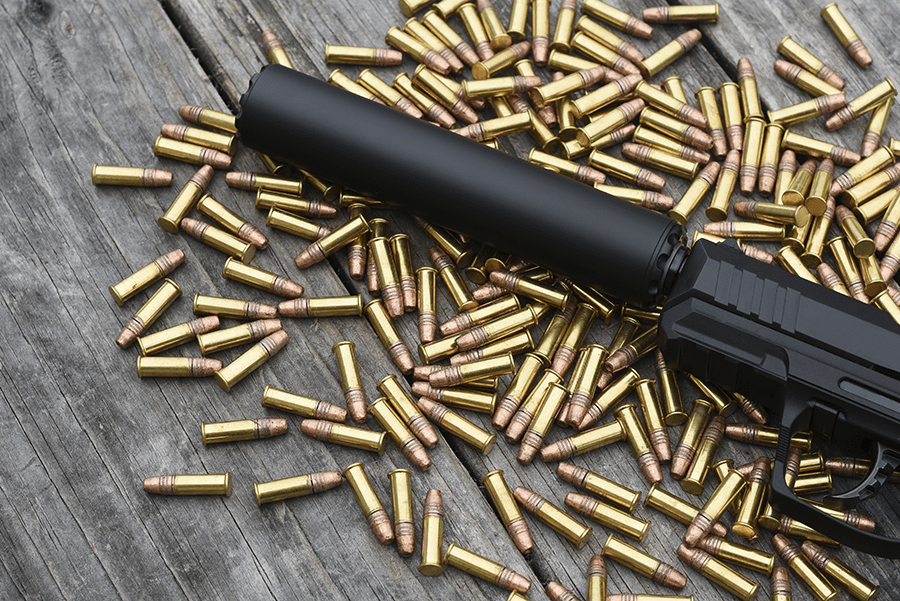
The term “suppressor,” often colloquially referred to as a “silencer,” describes a device designed to reduce the noise generated by a firearm. While the term “silencer” implies complete sound elimination, modern suppressors are engineered to significantly mitigate muzzle blast, thereby reducing noise levels and recoil. Their functionality is based on a series of baffles and chambers that slow down and cool the expanding gases expelled from the barrel, consequently lowering the sound pressure wave.
Understanding the legal framework surrounding suppressors requires a dual examination: federal law and state law. While federal law, particularly the National Firearms Act (NFA) of 1934, regulates certain types of firearms and accessories, individual states retain the authority to enact their own, often more restrictive, legislation. California, known for its stringent firearm control measures, has historically taken a firm stance against the ownership and use of suppressors by civilians.
Federal Law and Suppressors: A Foundation of Regulation
At the federal level, firearm suppressors are classified as “any other weapon” (AOW) under the National Firearms Act (NFA). This classification subjects them to a rigorous registration and taxation process managed by the Bureau of Alcohol, Tobacco, Firearms and Explosives (ATF). To legally possess a suppressor under federal law, an individual must:
- Purchase the suppressor from a licensed dealer.
- Complete an ATF Form 4 (Application for Tax Paid Transfer and Registration of Firearm).
- Submit fingerprints and a photograph.
- Undergo a thorough background check conducted by the Federal Bureau of Investigation (FBI).
- Pay a one-time $200 tax stamp.
- Wait for ATF approval, which can often take several months.
Once approved, the suppressor is registered to the individual owner. This federal framework, while restrictive, permits the legal ownership of suppressors across the United States, provided all requirements are met. This includes individuals traveling to or from California, as long as they comply with both federal and any relevant state laws of the jurisdictions they are transiting.
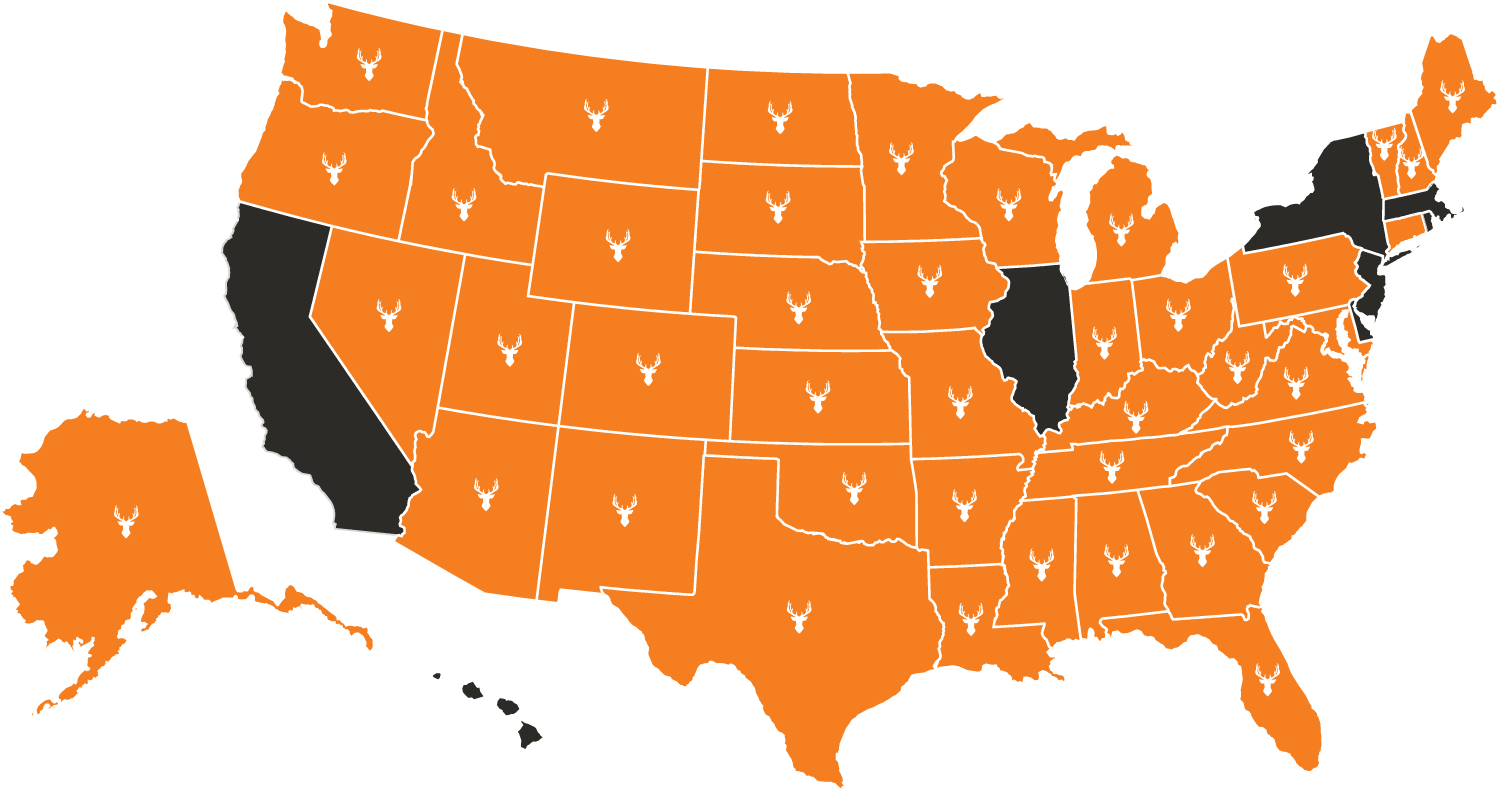
However, the federal framework serves as a baseline. Individual states can choose to opt out of allowing NFA-regulated items, including suppressors, within their borders, or they can impose even stricter regulations. This is where California’s specific laws come into play, creating a significant divergence from the federal permissiveness.
California’s Suppressor Ban: A Strict Prohibition
California has enacted legislation that explicitly prohibits the possession, manufacture, sale, or transfer of firearm suppressors by individuals for civilian use. This prohibition is codified in the California Penal Code. Specifically, Penal Code Section 33410 makes it a felony offense to possess a firearm silencer or muffler.
This state-level ban supersedes the federal allowance for ownership. Therefore, even if an individual has legally registered a suppressor with the ATF under federal law, its possession within California remains illegal and subject to criminal penalties. The rationale behind this strict prohibition, as articulated by lawmakers and proponents of gun control in California, often centers on public safety concerns. The argument is that suppressors can be used to conceal firearm activity, making it more difficult for law enforcement to detect and respond to illegal shootings. While this argument is debated by firearm rights advocates, it has been a significant factor in shaping California’s legislative approach to firearm accessories.
Key Aspects of California’s Suppressor Prohibition:
- Felony Offense: Possession of a firearm silencer or muffler by a civilian in California is classified as a felony.
- No Registration Option: Unlike some other states where state registration might be an option for NFA items, California does not provide a pathway for legal civilian registration or ownership of suppressors.
- Broad Scope: The prohibition covers possession, manufacturing, selling, and transferring suppressors. This means even possessing parts intended to be assembled into a suppressor can be illegal.
- Enforcement: Law enforcement agencies in California are tasked with enforcing these regulations, and violations can result in significant legal consequences, including imprisonment and substantial fines.

It is crucial for any firearm owner or enthusiast considering travel to or residing in California to be acutely aware of this stringent prohibition. Ignorance of the law is not a defense, and the penalties for unlawful possession can be severe.
Exceptions and Nuances: Law Enforcement and Specific Use Cases
While the general rule in California is a prohibition on civilian ownership of suppressors, there are limited exceptions carved out for specific entities and purposes. These exceptions are primarily for the benefit of law enforcement agencies and other authorized entities that may require suppressors for operational reasons.
Authorized Use by Law Enforcement and Military:
California law allows for the possession of suppressors by:
- Law Enforcement Agencies: Police departments, sheriff’s offices, and other state and local law enforcement agencies are permitted to own and use suppressors for tactical operations, training, and other official duties. This allows officers to reduce noise pollution in training environments and enhance communication during tactical operations.
- Military Personnel: Members of the United States military, when acting within the scope of their official duties, may also possess suppressors.
These exceptions underscore the understanding that suppressors can have legitimate applications beyond recreational shooting, but the state has determined that these applications are best reserved for official governmental and military use.
Potential for Future Changes and Advocacy:
The legal landscape of firearm regulation is constantly evolving, and California is no exception. While suppressors are currently banned for civilian use, there have been ongoing debates and legal challenges regarding firearm accessory restrictions in the state. Advocates for firearm rights have argued that the ban on suppressors infringes upon the rights of law-abiding citizens to own and use firearms for lawful purposes, such as hunting and sport shooting. They also point to the hearing protection benefits of suppressors, which can significantly reduce the risk of permanent hearing damage for shooters and those around them.
However, prevailing political sentiment and established legal precedent in California have thus far maintained the prohibition. Any potential changes to the law would likely require significant legislative action or a successful legal challenge to existing statutes. For individuals interested in these developments, staying informed through reputable firearm rights organizations and legal news sources is recommended.
Responsible Firearm Ownership and Travel Considerations:
For individuals who own suppressors legally in other states and are planning to travel to or through California, it is imperative to understand that bringing such an item into the state is illegal. Transportation of firearms and firearm accessories across state lines is governed by various federal and state laws, and attempting to transport a suppressor into California would almost certainly lead to confiscation and potential criminal charges.
Similarly, if you are visiting California for recreational shooting or hunting, and your activities in other states involve the use of suppressors, you must ensure that you do not bring them into the state. Always comply with the strictest applicable laws of any jurisdiction you are visiting. This means leaving suppressors at home when traveling to California.
Conclusion: A Clear Prohibition for Civilians
In summary, for the average civilian, firearm suppressors are not legal to possess, manufacture, sell, or transfer in California. Despite federal regulations that allow for their ownership through a rigorous registration process, California’s state laws impose a complete prohibition. This ban is a significant aspect of the state’s comprehensive approach to firearm control. While limited exceptions exist for law enforcement and military personnel, these do not extend to the general public. Firearm owners and enthusiasts should be fully aware of this legal reality to avoid severe criminal penalties. Staying informed about potential legislative changes or legal challenges remains important for those interested in the future of firearm accessory laws in California.
LifeOutOfTheBox is a participant in the Amazon Services LLC Associates Program, an affiliate advertising program designed to provide a means for sites to earn advertising fees by advertising and linking to Amazon.com. Amazon, the Amazon logo, AmazonSupply, and the AmazonSupply logo are trademarks of Amazon.com, Inc. or its affiliates. As an Amazon Associate we earn affiliate commissions from qualifying purchases.