
The mesmerizing landscapes of California, from its sun-drenched beaches to its towering redwood forests, have long been a siren call for travelers seeking adventure, relaxation, and a taste of the good life. The allure of California is undeniable, drawing millions annually to its iconic cities, national parks, and diverse attractions. Whether you’re dreaming of exploring the glitz of Los Angeles, the tech-centric innovation of San Francisco, the wine-rich valleys of Napa, or the natural grandeur of Yosemite National Park, the Golden State offers an unparalleled travel experience. However, recent years have seen a concerning trend emerge, casting a shadow over this idyllic image: the increasing frequency and intensity of wildfires. These infernos not only threaten the natural beauty and ecological balance of the state but also pose significant challenges for tourism, impacting travel plans, accommodation availability, and the overall visitor experience. This article delves into the current wildfire situation in California, exploring its implications for travelers and offering insights into how to navigate potential disruptions.

Understanding the Wildfire Challenge in California
The specter of wildfire has become an unwelcome, yet persistent, feature of the Californian landscape, particularly during the warmer, drier months. Decades of climate change, coupled with increasingly dense vegetation in wildland-urban interfaces, have created a tinderbox environment where fires can ignite and spread with alarming speed. These fires are not merely isolated incidents; they represent a complex interplay of environmental factors, historical land management practices, and human activity.
Factors Fueling California’s Wildfires
Several key factors contribute to the volatile wildfire season experienced in California:
- Climate Change and Drought: Rising global temperatures have led to prolonged periods of drought across the state, parching vegetation and making it highly susceptible to ignition. Increased heatwaves exacerbate these dry conditions, creating an environment ripe for catastrophic fires. The altered weather patterns are a significant concern for anyone planning a trip to California.
- Wildland-Urban Interface (WUI): California’s rapid development has led to an expansion of communities into fire-prone wildlands. This WUI means that more homes and infrastructure are at risk, and fire suppression efforts often become more complicated, requiring the protection of human lives and property alongside ecological preservation. This proximity also increases the risk of human-caused ignitions.
- Fuel Buildup: Decades of fire suppression have inadvertently led to an accumulation of dead vegetation and dense undergrowth in many forests. This excess fuel acts like kindling, allowing fires to burn hotter and spread more rapidly. Efforts are underway to implement controlled burns and other fuel management techniques, but this is a long-term undertaking.
- Wind Patterns: Santa Ana winds in Southern California and Diablo winds in Northern California are powerful gusts that can fan the flames of existing fires, pushing them rapidly into new areas and making them incredibly difficult to contain. These wind events are a major factor in the rapid escalation of many large wildfires.
The cumulative effect of these elements creates a challenging and often unpredictable environment. For travelers, understanding these underlying causes is crucial for appreciating the complexity of the wildfire situation and for making informed decisions about when and where to travel within the state. The impact on tourism can be profound, from road closures that disrupt travel routes to the cancellation of outdoor activities and events.
Navigating Travel During Fire Season
The question “Are the fires under control in California?” is not a simple yes or no. Wildfire management is an ongoing, dynamic process. While firefighters work tirelessly to contain blazes, new ignitions can occur, and existing fires can shift direction unexpectedly. For travelers, this means a need for vigilance, flexibility, and up-to-date information.
Real-Time Information and Safety Precautions
Staying informed is paramount when planning or undertaking a trip to California during fire season. Here’s how to approach it:
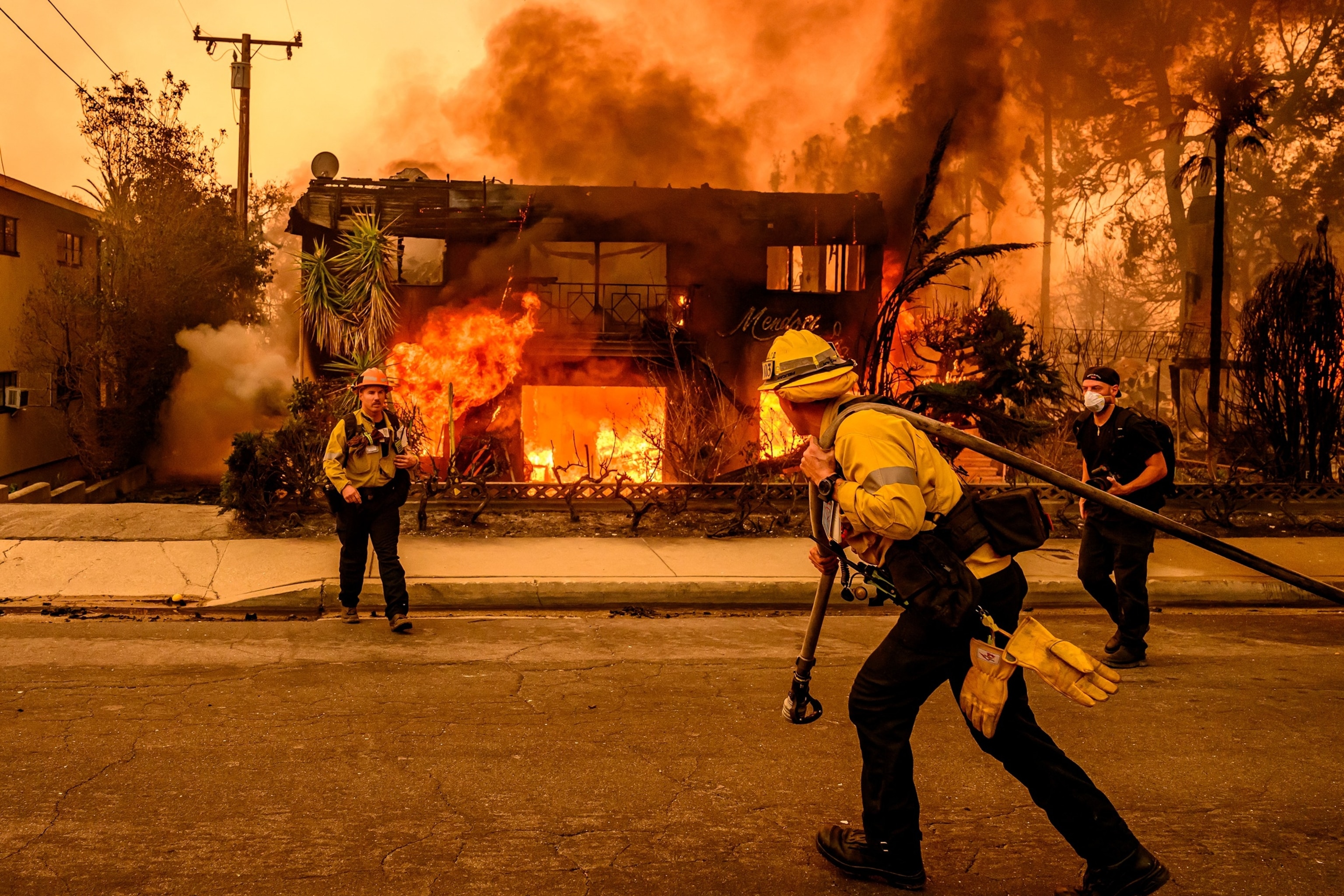
- Official Fire Resources: The California Department of Forestry and Fire Protection (CAL FIRE) is the primary source for information on active wildfires, including maps, containment percentages, and evacuation orders. Websites like the National Interagency Fire Center (NIFC) also provide valuable data. Travelers should bookmark these resources before their trip.
- Air Quality Monitoring: Wildfires release significant amounts of smoke, which can travel hundreds of miles and severely degrade air quality. Apps and websites like AirNow.gov provide real-time air quality index (AQI) data. Poor air quality can impact outdoor activities, cause respiratory issues, and even lead to the cancellation of flights or events.
- Travel Advisories and Road Closures: Local authorities and the California Department of Transportation (Caltrans) issue alerts for road closures due to fires or smoke. Always check these before embarking on a journey, especially if your itinerary involves scenic drives or routes through affected areas. Major routes like Highway 1 or Interstate 5 can be significantly impacted.
- Accommodation and Activity Updates: Hotels, resorts, and tour operators in affected regions may experience disruptions. It’s advisable to contact your accommodation directly to confirm their operational status and any potential impacts on amenities or services. Similarly, check with organizers of specific attractions or tours for any cancellations or changes. For instance, if you planned a hike in Joshua Tree National Park, it’s essential to check if the park is open and if trails are accessible.
- Evacuation Preparedness: In the unfortunate event of an evacuation order, it is crucial to comply immediately. Familiarize yourself with evacuation routes in the areas you are visiting and have a plan in place for where you will go.
Adapting Your California Itinerary
The dynamic nature of wildfires necessitates a degree of adaptability in travel plans. Instead of rigidly sticking to an itinerary, consider the following strategies:
- Focus on Less Affected Regions: California is a vast state. While one area might be battling a major wildfire, another region could be enjoying clear skies and normal conditions. Research different destinations within the state and consider having backup options. For example, if the Sierra Nevada mountains are experiencing significant fire activity, perhaps a coastal trip to Santa Barbara or exploring the cultural hubs of San Diego would be more feasible.
- Embrace Indoor Attractions: If outdoor activities are compromised due to smoke or closures, there are still plenty of indoor attractions to explore. California’s cities boast world-class museums, art galleries, theaters, and culinary experiences. In Los Angeles, you could visit the Getty Center or the Natural History Museum. In San Francisco, the California Academy of Sciences or a tour of Alcatraz Island (weather and access permitting) offers excellent indoor options.
- Flexible Booking Policies: When booking accommodation and activities, look for providers with flexible cancellation or rebooking policies. This can provide peace of mind in case your plans need to change unexpectedly due to wildfire activity. This is particularly relevant for popular tourist destinations like Disneyland Resort or Universal Studios Hollywood, where widespread disruptions could impact access.
- Consider Travel Insurance: Comprehensive travel insurance can offer financial protection if your trip is significantly disrupted by natural disasters like wildfires, including costs for canceled flights, missed accommodation, or emergency travel.
The Long-Term Impact on California Tourism and Lifestyle
The increasing prevalence of wildfires is not just a short-term inconvenience; it has long-term implications for California’s tourism industry and the lifestyle it offers. The perception of California as a fire-prone state could deter some potential visitors, especially those from regions less familiar with such environmental challenges.
Economic Repercussions for Tourism and Local Businesses
Wildfires can have a devastating economic impact on communities that rely heavily on tourism. When attractions are closed, roads are blocked, and visitors stay away, local businesses suffer. This includes:
- Hotels and Resorts: Occupancy rates plummet when areas are affected by fires, leading to significant revenue losses for hotels, boutique inns, and vacation rentals. Luxury resorts in areas like Palm Springs or mountain retreats might see cancellations that ripple through their booking calendars.
- Restaurants and Retail: Businesses catering to tourists, from fine dining establishments in Wine Country to souvenir shops in beach towns, experience a sharp decline in customers.
- Activity Providers: Guided tours, adventure sports outfitters, and other experience providers are often forced to suspend operations, losing income and potentially laying off staff. This affects everything from wine tasting tours in Sonoma to surf lessons in Malibu.
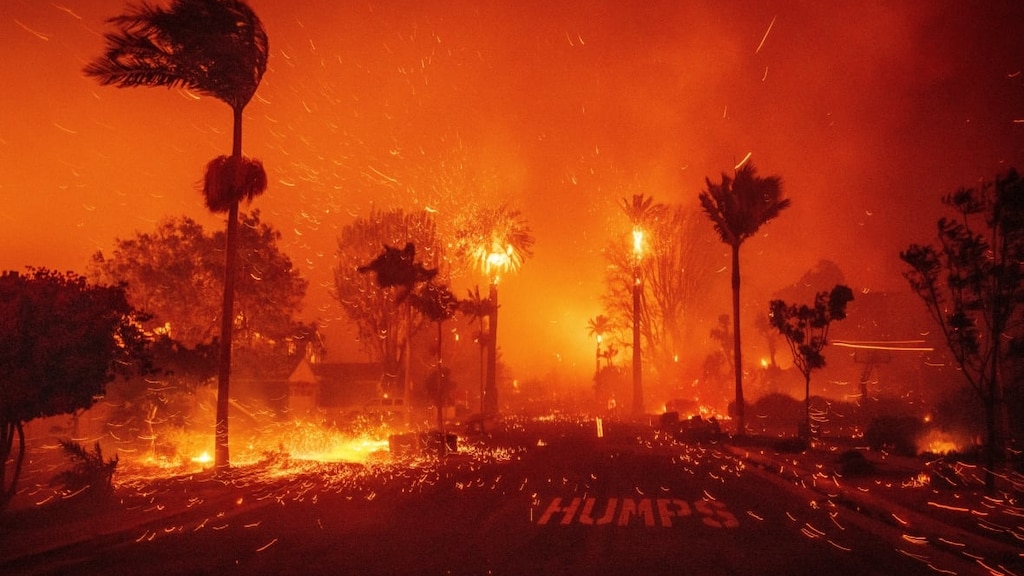
- Infrastructure Damage: Fires can destroy infrastructure, including roads, bridges, and power lines, further hindering recovery and discouraging future tourism. The cost of rebuilding and ensuring future resilience is substantial.
Preserving California’s Natural Wonders for Future Generations
Beyond the economic impact, the wildfires pose a profound threat to California’s cherished natural landmarks and biodiversity. Iconic landscapes that draw millions of visitors are at risk of being permanently altered.
- National and State Parks: Parks like Sequoia National Park and Kings Canyon National Park, home to the world’s largest trees, are incredibly vulnerable. While many trees are resilient, prolonged or intense fires can cause irreparable damage. The Anza-Borrego Desert State Park, with its unique desert flora, can also be impacted by fires that spread from surrounding areas.
- Ecological Balance: Wildfires disrupt ecosystems, killing wildlife, destroying habitats, and altering plant communities. The recovery process can take years or even decades, impacting the very natural beauty that attracts visitors.
- Air Quality and Health: The long-term effects of widespread smoke pollution on public health are also a growing concern, potentially impacting the desirability of California as a place to live and visit.
The challenge for California is to find a sustainable balance between development, recreation, and robust wildfire management strategies. This involves investing in fire prevention, promoting responsible land use, and adapting to a changing climate. For travelers, this means understanding that the wildfire situation is an ongoing reality that requires informed planning and a degree of respect for the environment. By staying informed, being flexible, and supporting sustainable tourism practices, visitors can continue to experience the unparalleled beauty and diversity that California has to offer, while also contributing to its long-term resilience.
LifeOutOfTheBox is a participant in the Amazon Services LLC Associates Program, an affiliate advertising program designed to provide a means for sites to earn advertising fees by advertising and linking to Amazon.com. Amazon, the Amazon logo, AmazonSupply, and the AmazonSupply logo are trademarks of Amazon.com, Inc. or its affiliates. As an Amazon Associate we earn affiliate commissions from qualifying purchases.