
The tantalizing prospect of enjoying a California roll during pregnancy is a question many expectant mothers ponder, especially those with a penchant for Japanese food. Often perceived as a safer sushi option due to its cooked ingredients, the California roll nevertheless warrants a closer look for pregnant individuals. This article delves into the nuances of consuming California rolls during pregnancy, exploring the ingredients, potential risks, and alternative culinary adventures, all within the broader context of travel, tourism, and embracing a balanced lifestyle even during this special time.
Understanding the California Roll and Pregnancy Safety
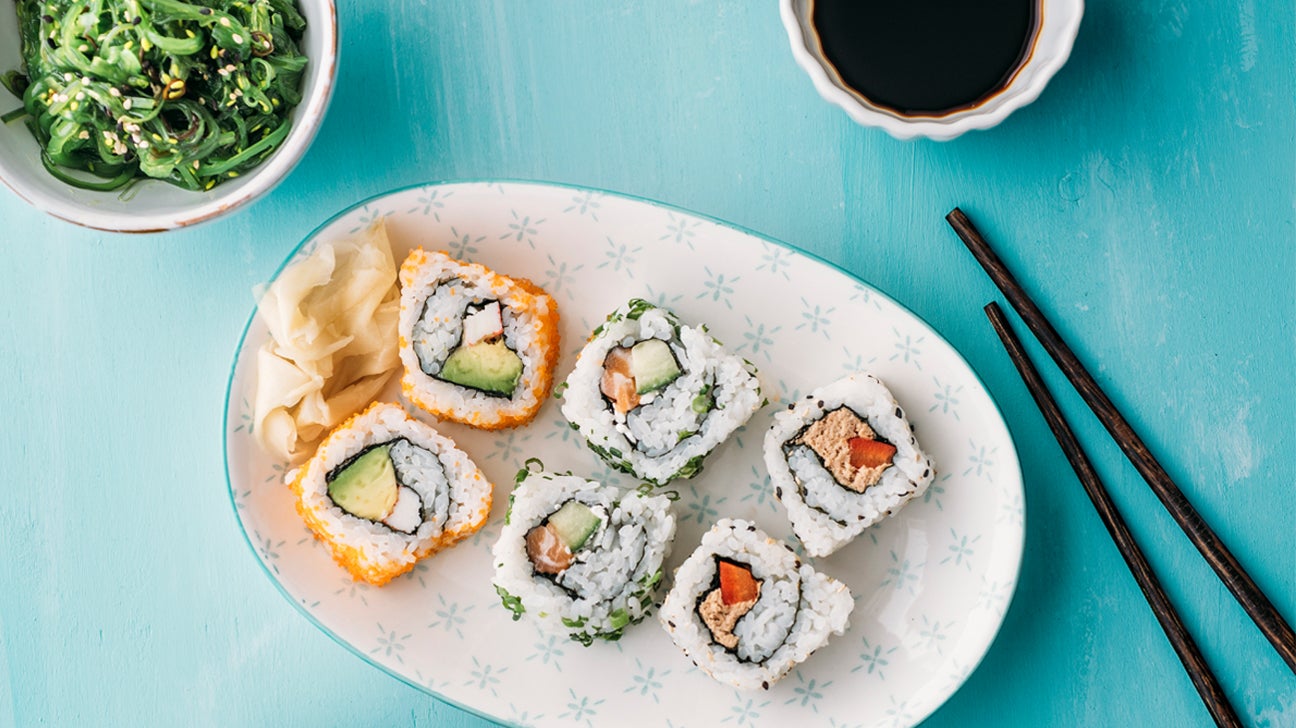
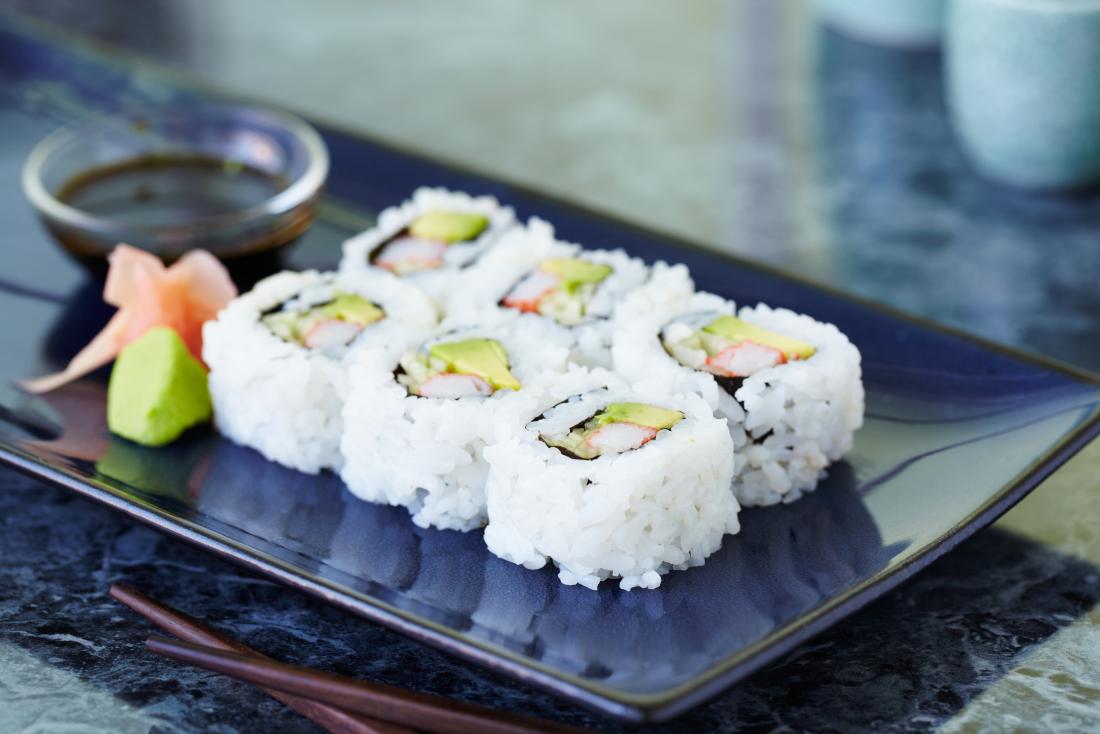
The California roll, a popular sushi staple outside of Japan, typically features crab meat (often imitation crab), avocado, and cucumber, rolled in sushi rice and seaweed (nori). Its appeal lies in its mild flavor and the absence of raw fish, which is often the primary concern for pregnant women regarding sushi. However, a comprehensive understanding of each component is crucial for making informed dietary choices.
The Ingredients: A Deeper Dive
Imitation Crab Meat: A Closer Look
The “crab” in a California roll is usually surimi, a processed fish product. It’s made from white fish (like pollock) that is deboned, finely minced, and then mixed with binders, starches, flavorings, and colorings to mimic the taste and texture of crab. For pregnant women, the primary concern with surimi is the potential for Listeria monocytogenes, a bacterium that can contaminate processed foods. While the risk is generally low, especially if the product is properly handled and cooked, it’s a factor to consider. Thorough cooking of the surimi is essential. However, due to the nature of surimi production, it’s often already cooked, but the handling and storage before it reaches your plate are critical. It’s also important to consider the sodium content and other additives in imitation crab, which, while not directly harmful during pregnancy, contribute to overall dietary quality.
Avocado: A Pregnancy Powerhouse
Avocado is a nutritional darling, brimming with healthy monounsaturated fats, potassium, fiber, and folate. Folate is particularly vital during pregnancy for preventing neural tube defects. The creamy texture of avocado also makes it a delightful substitute for the richness that raw fish might otherwise provide. So, when it comes to avocado in a California roll, it’s unequivocally a positive addition for a pregnant individual. The key is ensuring the avocado itself is fresh and properly handled.
Cucumber and Nori: Generally Safe
Cucumber adds a refreshing crunch and hydration to the roll. It is generally considered safe during pregnancy, as long as it is washed thoroughly before preparation. Nori, the seaweed wrapper, is also safe and a good source of iodine, which is important for thyroid function and fetal development. However, like any raw vegetable, proper washing is paramount to remove any lingering pesticides or bacteria.
Sushi Rice: The Foundation
Sushi rice, seasoned with vinegar, sugar, and salt, is the adhesive that holds the California roll together. Cooked rice is generally safe, but the critical factor is how it is handled and stored. Rice can be a breeding ground for Bacillus cereus if left at room temperature for too long. This bacterium can produce toxins that cause food poisoning. Therefore, it’s imperative that sushi rice is prepared and kept at safe temperatures, either chilled or hot, and consumed relatively quickly after preparation.
Potential Risks Associated with California Rolls During Pregnancy
While the ingredients of a California roll appear relatively benign, several potential risks need careful consideration for expectant mothers. These risks are not unique to California rolls but apply to many foods consumed during pregnancy.
Bacterial Contamination: Listeria and Beyond
As mentioned, Listeria monocytogenes is a concern, particularly with processed foods like imitation crab. Pregnant women are significantly more susceptible to listeriosis, an infection caused by Listeria, which can lead to miscarriage, stillbirth, premature birth, or life-threatening infections in newborns. Other bacteria, such as Salmonella and E. coli, can also contaminate ingredients if hygiene standards are not rigorously maintained during preparation and handling. This underscores the importance of sourcing your California rolls from reputable establishments with high food safety standards.
Cross-Contamination: The Silent Threat
Even if your California roll contains no raw fish, the risk of cross-contamination is ever-present, especially in sushi restaurants that also prepare raw fish dishes. If the same knives, cutting boards, or gloves are used for both raw and cooked ingredients without proper sanitization, bacteria from raw fish can transfer to your seemingly safe roll. This is why choosing a restaurant known for its stringent hygiene practices is paramount. It’s always wise to inquire about their food preparation protocols if you have concerns.
Mercury Content: A Lesser Concern for California Rolls
Unlike rolls made with raw fish, the mercury content in a standard California roll is typically very low, as imitation crab is made from smaller, shorter-lived fish which tend to accumulate less mercury. This is one of the significant advantages of choosing a California roll over many other sushi varieties during pregnancy. However, it’s still worth noting that some types of fish used in imitation crab could still have trace amounts, although it’s unlikely to be a significant health concern in this context.
Making Safe Choices: Tips for Pregnant Travelers and Foodies
For expectant mothers who love to explore new culinary landscapes, whether in their hometown or during a memorable travel adventure to destinations like Tokyo or San Francisco, making safe food choices is a priority. The principles of food safety during pregnancy are universal and can be applied to enjoying various cuisines, including Japanese food.
Choosing the Right Establishment
The adage “you are what you eat” becomes even more critical when pregnant. Selecting where you dine is perhaps the most important step in ensuring the safety of your meal.
Reputable Restaurants and Hygiene Standards
When in doubt, always opt for well-established restaurants with a reputation for cleanliness and excellent food safety practices. Look for places that are busy, as this often indicates fresh ingredients and high turnover. Observe the general cleanliness of the dining area, restrooms, and the sushi bar itself. A clean environment is usually a good indicator of a clean kitchen. If you are traveling to a new city, research local restaurants that are known for their sushi and check reviews, paying attention to comments about food quality and hygiene. For those looking for luxury travel experiences, many high-end hotels, such as the Ritz-Carlton Tokyo or the Four Seasons Hotel San Francisco, often have stringent food safety protocols in place for their dining establishments.
Inquiring About Ingredients and Preparation
Don’t hesitate to ask questions. A good restaurant will be happy to answer your concerns. Ask about the source of the imitation crab, how it’s prepared, and how they ensure no cross-contamination occurs between raw and cooked items. If you are particularly sensitive, you can request that your California roll be prepared separately from any raw fish ingredients. Some restaurants might even offer entirely cooked rolls or alternatives that cater to pregnant dietary needs. For instance, if you’re staying at a resort with a dedicated hotel restaurant, the culinary team is often well-equipped to handle specific dietary requests.
Beyond the California Roll: Exploring Other Safe Options
While the California roll might be a go-to, pregnancy offers a wonderful opportunity to discover other safe and delicious culinary experiences. The world of tourism and food is vast, and there are plenty of exciting options that align with pregnancy dietary guidelines.
Cooked Sushi and Sashimi Alternatives
Many sushi restaurants offer a variety of cooked options. Look for rolls made with fully cooked seafood, such as:
- Tempura Rolls: Rolls featuring shrimp tempura or vegetable tempura. The deep-frying process ensures the seafood is cooked through.
- Eel (Unagi) Rolls: Grilled freshwater eel is a popular and safe choice. It is always served cooked.
- Shrimp (Ebi) Rolls: Cooked shrimp is a safe and common ingredient.
- Vegetable Rolls: Rolls filled with various cooked or fresh vegetables like asparagus, sweet potato, or avocado are excellent choices.
Non-Sushi Delights in Japanese Cuisine
Japanese cuisine extends far beyond sushi. Explore other dishes that are generally safe during pregnancy:
- Udon and Soba Noodles: Noodle soups like Kitsune Udon (with fried tofu) or Tempura Soba are hearty and satisfying. Ensure the broth is well-cooked.
- Donburi Bowls: Rice bowls topped with various cooked ingredients, such as teriyaki chicken, beef, or katsu (breaded and fried cutlets), are generally safe and delicious.
- Yakitori: Grilled skewers of chicken and vegetables are a flavorful and safe option, provided they are cooked thoroughly.
- Miso Soup: A staple, miso soup made with vegetable broth and tofu is generally safe and beneficial.
Embracing a Healthy Pregnancy Lifestyle
Pregnancy is a time to nourish your body and your developing baby. This involves making conscious choices about what you eat, but it doesn’t mean sacrificing enjoyment or exploration. Whether you’re planning a family trip to see landmarks or settling into a long-term stay in a new city, embracing a balanced and adventurous lifestyle is key.
When in Doubt, Consult Your Healthcare Provider
Ultimately, the decision of what to eat during pregnancy rests with the expectant mother and her healthcare provider. While this article provides general guidance, individual health conditions and specific pregnancy stages can influence dietary recommendations.
The Importance of Professional Medical Advice
It is always best to discuss any concerns about your diet with your doctor or midwife. They can offer personalized advice based on your health history and the specific needs of your pregnancy. They can also provide clarity on the latest recommendations regarding food safety for pregnant women. This is particularly important if you have any pre-existing conditions or concerns about foodborne illnesses.
Understanding Regional Food Safety Practices
When traveling, understanding local food safety practices can be invaluable. Some countries have more stringent regulations than others. Researching the general food hygiene standards of your chosen destination can help you make more informed decisions. For example, if you are traveling to Europe or North America, you might find a higher prevalence of restaurants adhering to strict food safety guidelines, though vigilance is always recommended. Even in renowned cities like Paris or New York, individual establishments can vary.
Conclusion: Savoring Pregnancy Safely
The question of whether one can eat a California roll while pregnant is not a simple yes or no. It hinges on careful consideration of the ingredients, the preparation methods, and the establishment where it is consumed. By understanding the potential risks associated with imitation crab and cross-contamination, and by prioritizing reputable dining establishments and clear communication with restaurant staff, pregnant individuals can often enjoy this popular roll with reduced risk.
However, the broader takeaway is to approach all food choices during pregnancy with a mindful and informed perspective. Pregnancy is a journey of nurturing and exploration. By making safe and balanced dietary choices, pregnant mothers can continue to enjoy diverse and delicious cuisines, whether they are exploring local attractions, indulging in world-class resorts, or simply enjoying a meal at home. The world of food, like the world of travel, offers a wealth of experiences, and with a little caution and knowledge, pregnant individuals can savor these experiences safely and joyfully. The key is to remain informed, prioritize safety, and always consult with healthcare professionals for personalized guidance, ensuring a healthy and happy pregnancy journey.
LifeOutOfTheBox is a participant in the Amazon Services LLC Associates Program, an affiliate advertising program designed to provide a means for sites to earn advertising fees by advertising and linking to Amazon.com. Amazon, the Amazon logo, AmazonSupply, and the AmazonSupply logo are trademarks of Amazon.com, Inc. or its affiliates. As an Amazon Associate we earn affiliate commissions from qualifying purchases.