
The question of whether individuals incarcerated in California can exercise their right to vote is a complex one, touching upon legal, ethical, and societal debates. While the United States Constitution generally upholds the right to vote, many states have historically imposed restrictions, particularly on those convicted of felonies. California has navigated this issue with a nuanced approach, evolving its laws and policies over time. Understanding these nuances requires delving into the state’s constitutional provisions, legislative actions, and court decisions. The core of the debate often centers on the concept of civic reintegration and the belief that disenfranchisement can hinder a formerly incarcerated person’s ability to rejoin society as a contributing member. Conversely, arguments against prisoner voting often cite the severity of crimes committed and the notion that certain actions forfeit fundamental rights.
Historical Context and Shifting Tides
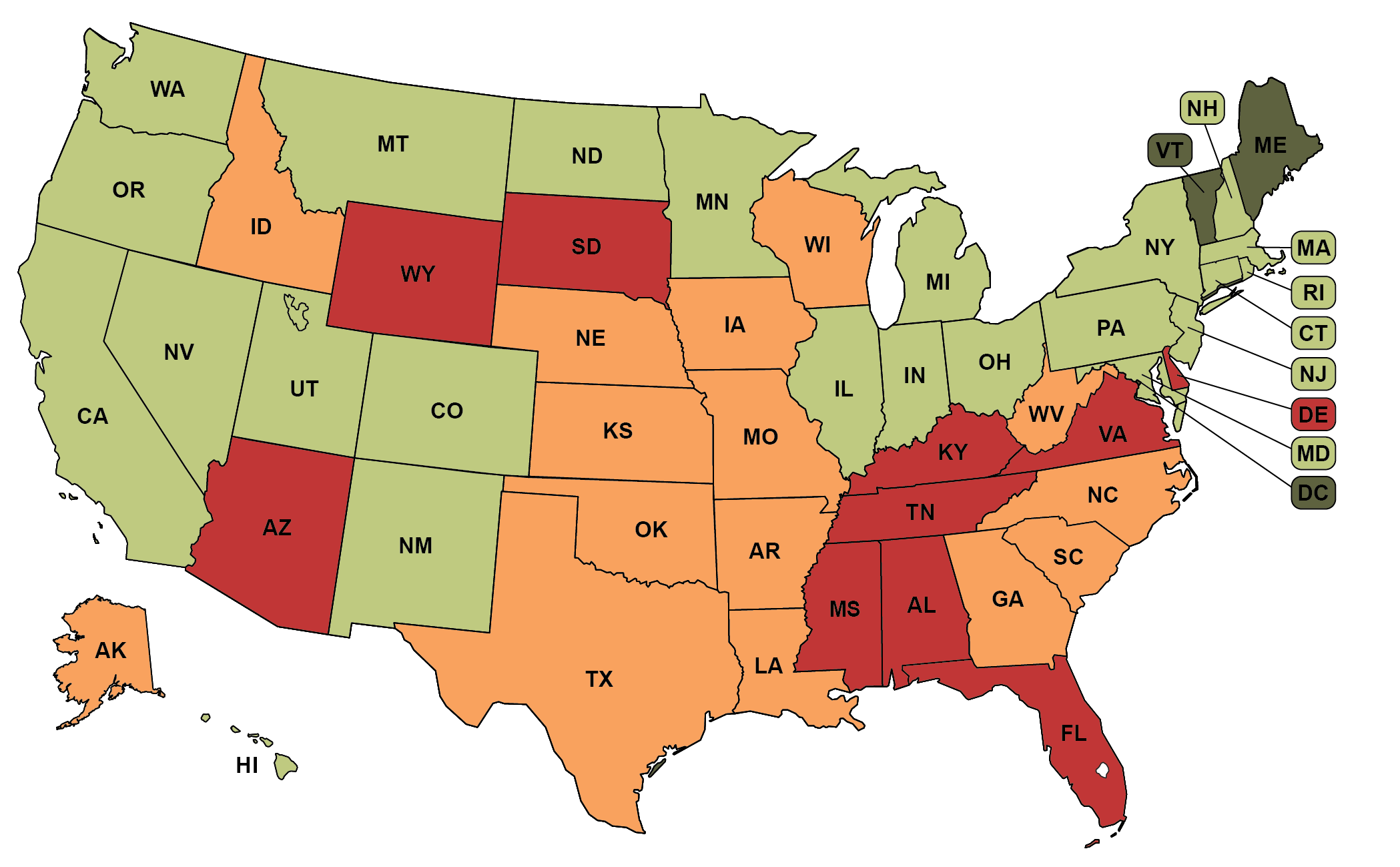
The landscape of felon disenfranchisement in the United States has a long and varied history. Many states, including California, based their laws on historical precedents, some of which have roots in the post-Civil War era. For a significant period, California law stipulated that individuals convicted of felonies were disqualified from voting while they were incarcerated, on parole, or on post-release community supervision. This meant that a vast number of people were effectively excluded from the democratic process simply because of their conviction.
However, over the past few decades, there has been a discernible shift in public and legislative attitudes across the nation. A growing movement advocates for restoring voting rights to formerly incarcerated individuals, arguing that it is a crucial step towards rehabilitation and reduces recidivism. The rationale is that allowing individuals to participate in civic life, including voting, fosters a sense of belonging and responsibility, thereby encouraging them to become law-abiding citizens upon their release. This perspective aligns with the broader goals of criminal justice reform, aiming to create a system that is not only punitive but also rehabilitative.
In California, this shift culminated in significant legislative changes. A landmark bill, Assembly Bill 2747, passed in 2016, was a pivotal moment. This legislation aimed to restore voting rights to individuals on parole. The intent was to allow those who had served their time and were actively working towards reintegration into society to have a voice in their communities. The move was hailed by many as a progressive step towards a more inclusive democracy and a recognition that disenfranchisement does not serve the public good. This change in policy underscored a growing understanding that the duration of a person’s sentence should not necessarily equate to a permanent loss of fundamental rights, particularly when they are demonstrating a commitment to reform.
The Current Legal Framework in California
The legal framework governing prisoner voting in California is primarily shaped by Article II, Section 2 of the California State Constitution, which grants the Legislature the power to regulate voter qualifications. Historically, this has been interpreted to allow for disenfranchisement of individuals convicted of felonies. However, the legislative landscape has undergone substantial evolution.
Felons, Parolees, and Post-Release Supervision
As of recent legislative changes, the rules for voting eligibility in California for individuals with felony convictions are as follows:
-
Incarcerated Felons: Individuals convicted of felonies who are currently serving a sentence in state prison or a county jail are not eligible to vote in California. This remains a core restriction, meaning that while an individual is physically incarcerated for a felony offense, their voting rights are suspended.
-
Parolees: This is where the most significant changes have occurred. Under current law, individuals who have been convicted of felonies but have completed their prison sentences and are released to parole supervision are eligible to vote. This change, largely driven by Assembly Bill 2747, aimed to bridge the gap between incarceration and full civic reintegration. The principle here is that once an individual is no longer in physical custody and is under the supervision of the state with the expectation of returning to society, they should be able to participate in the democratic process. This allows them to vote in local, state, and federal elections while on parole.
-
Individuals on Post-Release Community Supervision (PRCS): Similar to parolees, individuals convicted of certain felonies who are released to Post-Release Community Supervision are also generally eligible to vote. This category includes individuals who have served their time and are supervised within the community rather than being on traditional parole. The intent is to treat these individuals similarly to parolees in terms of their voting rights, recognizing their community-based supervision and commitment to rehabilitation.
-
Individuals Who Have Completed Their Sentence and Supervision: Once an individual has successfully completed their entire sentence, including any period of parole or Post-Release Community Supervision, their felony conviction generally no longer restricts their right to vote. They are fully restored to their civil rights, including the right to vote, and can register and participate in elections without restriction based on their past conviction.

It is crucial to note that this framework applies to felony convictions. Misdemeanors typically do not result in the loss of voting rights in California, except in very specific and limited circumstances that are not generally related to the conviction itself but rather to other legal statuses. The focus of disenfranchisement laws has historically been on more serious offenses.
The California Secretary of State’s office plays a vital role in disseminating information about voter registration and eligibility. They provide resources for individuals seeking to understand their rights and responsibilities, including those with past felony convictions. This proactive approach aims to ensure that eligible individuals are aware of their ability to vote and are empowered to do so.
The Rationale Behind Restoring Voting Rights
The restoration of voting rights for individuals on parole and Post-Release Community Supervision in California is underpinned by several key rationales, reflecting a broader philosophical shift in how society views rehabilitation and civic participation. These rationales are not merely about expanding suffrage but are deeply connected to the goals of a more effective and just criminal justice system.
One of the primary justifications is the belief that voting is a fundamental civic duty and a cornerstone of a democratic society. Denying this right to individuals who have served their time and are actively engaged in reintegrating into their communities can create a sense of alienation and disenfranchisement, which can be counterproductive to rehabilitation efforts. Allowing them to vote provides a sense of belonging and empowers them to have a stake in the decisions that affect their lives and communities. This fosters a more positive and constructive relationship with the state and its institutions.
Furthermore, research and advocacy groups have highlighted the potential of restored voting rights to reduce recidivism. When individuals are allowed to participate in the democratic process, they are more likely to feel connected to their communities and invested in their well-being. This can translate into a greater commitment to abiding by laws and contributing positively to society. Voting can be seen as a tangible sign of trust and a pathway to becoming a fully engaged citizen, which can be a powerful motivator for positive change.
The restoration of voting rights also aligns with principles of equity and social justice. Historically, disenfranchisement laws have disproportionately affected marginalized communities, particularly communities of color, which are overrepresented in the United States‘ criminal justice system. By restoring voting rights, California takes a step towards addressing these historical inequities and ensuring that a broader spectrum of its population has a voice in governance. This is seen as a critical component of a fair and just society, where opportunities for civic participation are extended as widely as possible.
Finally, proponents argue that allowing individuals on parole and PRCS to vote can lead to more informed and representative policy-making. These individuals have firsthand experience with the criminal justice system and its impact on communities. Their participation in the electoral process can bring valuable perspectives to the table, potentially leading to more effective and humane policies regarding crime, reentry, and public safety. This perspective suggests that the insights of those who have navigated the system from within can be instrumental in shaping better outcomes for everyone.

Implications for Tourism and Lifestyle Choices
While the primary focus of the question “Can Prisoners Vote In California?” is legal and civic, its implications can subtly weave into broader discussions about lifestyle and tourism. The evolving policies in California regarding prisoner voting reflect a societal narrative of rehabilitation and reintegration. This narrative can influence how visitors perceive the state and its approach to justice and social issues.
For travelers interested in understanding the social fabric of a destination, the criminal justice reforms in California can be an interesting aspect of local culture. While not a typical tourist attraction, the state’s progressive stance on prisoner rights, including voting, contributes to its overall lifestyle image. This can be particularly relevant for those who engage in luxury travel or budget travel and are mindful of the social and ethical considerations of their destinations. A state that prioritizes rehabilitation might appeal to a segment of travelers who value such principles.
Furthermore, for individuals who have experienced the criminal justice system, understanding their voting rights upon release is a crucial aspect of their return to a normal lifestyle. This understanding is part of their civic education and reintegration into society. For those planning to relocate to California after incarceration, knowing these voting rights can be an important factor in their decision-making process. It signifies a pathway to regaining full citizenship and participating in their new communities.
While the California Department of Corrections and Rehabilitation primarily manages the correctional facilities, the broader California tourism industry, encompassing hotels, resorts, and various experiences, benefits from a state that is perceived as forward-thinking and socially conscious. A commitment to rehabilitative justice can contribute to a positive brand image for California as a whole, which, in turn, can attract a diverse range of visitors. For instance, if a traveler is comparing different accommodations or looking for local culture experiences, the broader societal context, including how the state treats its returning citizens, might subtly inform their choices. The ability of formerly incarcerated individuals to vote reinforces the idea of California as a place where individuals have the opportunity for a second chance, a narrative that can resonate with many.
In conclusion, the ability of prisoners to vote in California is not a simple yes or no answer. It is a dynamic issue with a history of restrictions that are gradually being amended. While currently incarcerated felons cannot vote, those on parole or Post-Release Community Supervision have regained this fundamental right, reflecting a societal commitment to rehabilitation and civic inclusion. This evolution in policy has implications that extend beyond the courtroom, subtly shaping the perception of California as a destination and influencing the broader lifestyle narratives associated with the state.
LifeOutOfTheBox is a participant in the Amazon Services LLC Associates Program, an affiliate advertising program designed to provide a means for sites to earn advertising fees by advertising and linking to Amazon.com. Amazon, the Amazon logo, AmazonSupply, and the AmazonSupply logo are trademarks of Amazon.com, Inc. or its affiliates. As an Amazon Associate we earn affiliate commissions from qualifying purchases.