
When you picture the Golden State, images of sun-drenched beaches, towering redwood forests, and the glittering lights of cities like Los Angeles and San Francisco might immediately come to mind. However, delve a little deeper into the diverse geography of California, and you’ll discover a dramatic and fiery past, and a present that still holds volcanic whispers. The answer to “Does California Have Volcanoes?” is a resounding yes. In fact, the state boasts a fascinating array of volcanic landscapes, from dormant giants to active geothermal areas, shaping its terrain and influencing its natural wonders.
The presence of volcanoes in California is intrinsically linked to its position along the Pacific Ring of Fire, a horseshoe-shaped zone of intense seismic and volcanic activity that encircles the Pacific Ocean. Here, tectonic plates collide and interact, leading to the formation of mountains, earthquakes, and, crucially, volcanoes. While California may not be as volcanically active as some of its Pacific neighbors like Hawaii or Indonesia, its volcanic legacy is undeniable and offers unique opportunities for exploration, adventure, and understanding the powerful forces that shape our planet.
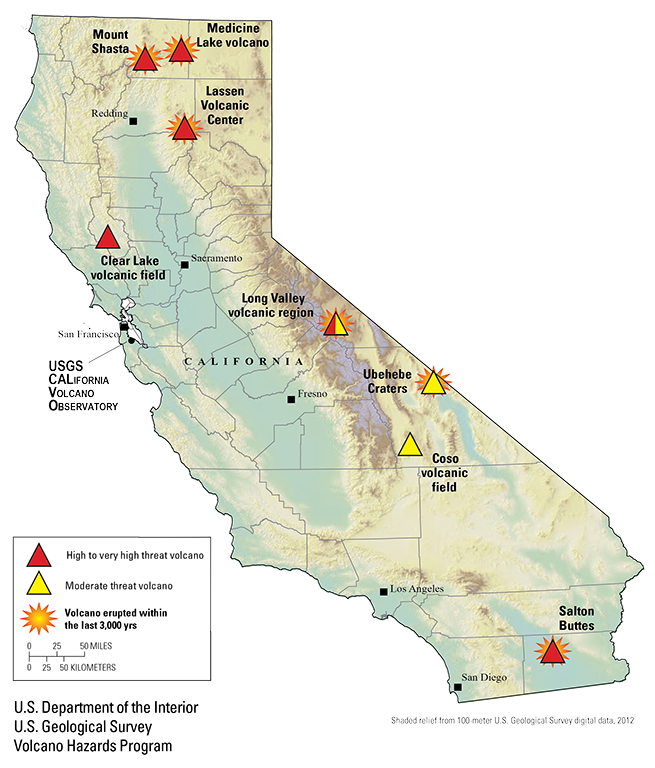
A Fiery Legacy: California’s Volcanic Hotspots
The volcanic history of California is written in its mountains, lava fields, and hot springs. These ancient eruptions have sculpted the landscape, creating some of the state’s most striking natural landmarks and providing a glimpse into geological processes that have been at play for millennia. Understanding these volcanic regions is key to appreciating the full spectrum of California’s natural beauty, from the stark majesty of its volcanic peaks to the bubbling allure of its geothermal wonders.
Lassen Volcanic National Park: A Living Laboratory of Volcanic Activity
Perhaps the most iconic and accessible example of California’s volcanic heritage is found within Lassen Volcanic National Park. This park is a testament to the dynamic nature of volcanism, showcasing a variety of volcanic features that are actively evolving. At its heart stands Lassen Peak, a stratovolcano that last erupted spectacularly between 1914 and 1917. Today, the mountain is dormant, but the surrounding park is alive with geothermal activity.
Within Lassen Volcanic National Park, visitors can witness firsthand the raw power of volcanic forces. The park is renowned for its hydrothermal areas, where the earth’s internal heat manifests in a mesmerizing display of mud pots, fumaroles, and boiling springs. The Sulphur Works is a prime example, featuring bubbling mud and steaming vents that release the characteristic scent of sulfur. Bumpass Hell, the park’s largest hydrothermal area, offers boardwalks winding through a surreal landscape of steaming pools and vibrant, mineral-stained earth. These areas are not just visually stunning; they are natural laboratories where scientists study the chemical processes and geological forces associated with volcanic activity.
Beyond the geothermal wonders, the park is dotted with evidence of past eruptions. Cinder cones, formed by explosive eruptions that eject molten rock fragments, are scattered throughout the landscape. These smaller, steeper cones offer a different perspective on volcanic formation compared to the imposing silhouette of Lassen Peak. The park’s hiking trails provide opportunities to explore these diverse volcanic features, offering breathtaking views and an immersive experience in a geologically active region. Trails like the one to the summit of Lassen Peak (when open) reward hikers with panoramic vistas, while gentler paths lead to the serene beauty of Manzanita Lake and Crater Lake (a small, namesake lake within the park, distinct from the famous one in Oregon).
The Long Valley Caldera: A Supervolcano’s Shadow
Further to the east, in the Eastern Sierra Nevada region, lies another significant volcanic feature: the Long Valley Caldera. This massive depression, over 20 miles long and 17 miles wide, is the remnant of a colossal volcanic eruption that occurred approximately 760,000 years ago. This eruption, known as the Bishop Tuff eruption, was a supervolcanic event, spewing an enormous volume of ash and debris that blanketed vast areas of the western United States.
While the caldera itself is not an active volcano in the traditional sense, the region beneath it is a hotbed of geothermal activity and seismic unrest. This ongoing activity, including swarms of earthquakes and ground uplift, indicates that magma still resides deep beneath the surface. The Long Valley Caldera is a prime example of a “supervolcano” system, a term reserved for volcanoes capable of eruptions of extreme magnitude. Although the chances of another such eruption in the near future are extremely low, the caldera serves as a constant reminder of the immense power contained within the Earth’s crust.
The area surrounding the Long Valley Caldera offers unique travel experiences. Nearby towns like Mammoth Lakes are popular destinations for outdoor recreation, including skiing, hiking, and fishing. The geothermal activity also manifests in hot springs, offering opportunities for relaxation amidst stunning mountain scenery. Exploring this region provides a chance to appreciate the dramatic geological forces that have shaped this part of California, from the grandeur of the caldera rim to the warmth of its natural hot pools.
Medicine Lake Volcano and the Modoc Plateau
In the northeastern corner of California, the Modoc Plateau is a vast expanse shaped by extensive volcanic activity. This region is home to the Medicine Lake Volcano, a massive shield volcano that is one of the largest by volume in the world. Unlike the more conical stratovolcanoes, shield volcanoes are formed by the accumulation of fluid lava flows, creating broad, gently sloping mountains.
The Medicine Lake Volcano has been dormant for centuries, with its last eruption occurring around 950 AD. However, its caldera is a significant geological feature, and the surrounding landscape is characterized by lava flows, pumice deposits, and volcanic cones. This area offers a rugged and remote wilderness experience, attracting those who seek solitude and adventure. Hiking and camping in the vicinity of the volcano and across the Modoc Plateau allows visitors to immerse themselves in a landscape sculpted by fire and time. The volcanic nature of the region has also contributed to unique ecosystems and geological formations, making it a fascinating destination for nature enthusiasts and geologists alike.
Exploring California’s Volcanic Wonders: Travel and Tourism Insights

The volcanic landscapes of California offer a wealth of travel and tourism opportunities, appealing to adventurers, nature lovers, and those seeking a deeper understanding of the Earth’s geological processes. From national parks to remote wilderness areas, these destinations provide unique experiences that blend natural beauty with the raw power of volcanism.
Planning Your Volcanic Adventure: Destinations and Activities
For those inspired to explore California’s volcanic heart, Lassen Volcanic National Park is an excellent starting point. The park is accessible via Highway 36 and Highway 89, with visitor centers providing maps and information. Lodging options near the park include campgrounds within the park itself and hotels in nearby towns like Redding. Activities range from leisurely strolls through geothermal areas to challenging hikes up volcanic peaks. Photography opportunities abound, capturing the dramatic steam vents, colorful mineral deposits, and sweeping vistas.
The Long Valley Caldera region, centered around Mammoth Lakes, provides a different kind of volcanic experience. This area is a popular four-season resort destination, offering abundant accommodation options from luxury resorts to cozy cabins. Visitors can explore the caldera rim, hike through volcanic landscapes, and relax in natural hot springs like Wild Willy’s Hot Springs. The nearby Mono Lake (not to be confused with the lake within the caldera itself) is a geological marvel in its own right, known for its tufa towers, formed by the interaction of freshwater springs and alkaline lake water, indirectly linked to the underlying geothermal activity.
Exploring the Modoc Plateau and the area around the Medicine Lake Volcano offers a more remote and rugged experience. This region is ideal for those seeking off-the-beaten-path adventures. Accommodation might be more rustic, with limited services, emphasizing a connection with nature. Activities include backcountry hiking, exploring lava tubes, and experiencing the vast, open landscapes that bear the indelible marks of past volcanic flows.
Safety and Respect for Volcanic Environments
When exploring California’s volcanic areas, safety and respect for the environment are paramount. Geothermal areas can be dangerous due to extreme temperatures and unstable ground. It is crucial to stay on designated trails and boardwalks and to heed all warning signs. Volcanic regions are dynamic environments, and conditions can change. Always check park websites or local authorities for current alerts and closures, especially regarding hiking trails or road access.
Respecting the natural environment means practicing Leave No Trace principles. This includes packing out everything you pack in, staying on trails to minimize erosion, and avoiding the disturbance of natural features. The unique ecosystems within these volcanic landscapes are fragile and should be preserved for future generations. Understanding and appreciating the geological forces at play should be coupled with a commitment to responsible tourism.
Beyond the Peaks: Lifestyle and Adventure in Volcanic California
The influence of volcanoes in California extends beyond their direct geological impact, shaping the lifestyle and adventure opportunities available in these regions. The unique landscapes and geothermal features have inspired everything from luxury retreats to challenging expeditions.
Luxury Stays and Unique Accommodations
The allure of volcanic regions can translate into unique and luxurious travel experiences. In areas like Mammoth Lakes, you can find upscale resorts offering spa services that leverage the region’s natural hot springs, providing a blend of relaxation and natural wonder. For those seeking a more private experience, villas and apartments can be found, allowing for extended stays and a deeper immersion into the lifestyle of these geologically active areas.
Even within national parks, like Lassen Volcanic National Park, while luxury hotels are scarce, the emphasis is on connecting with nature. Rustic cabins and well-equipped campgrounds offer comfortable accommodation for those who prioritize adventure. The unique amenity here is the raw, untamed beauty of the volcanic landscape right outside your door. The overall lifestyle in these areas often revolves around outdoor pursuits, from challenging hikes to exploring the geothermal phenomena, catering to a spirit of adventure.

Budget Travel and Family Trips
Volcanic regions in California can also be surprisingly accessible for budget travelers and families. Lassen Volcanic National Park, for instance, offers affordable entry fees, and camping is a cost-effective way to experience its wonders. The park’s interpretive programs and relatively short, accessible trails make it suitable for families with children. Exploring the bubbling mud pots and steaming fumaroles can be an educational and exciting experience for all ages, sparking curiosity about geology and the natural world.
The presence of hot springs in areas surrounding the Long Valley Caldera also offers budget-friendly relaxation options. Many natural hot springs are free to access, providing a unique and memorable experience without a hefty price tag. These accessible geothermal wonders, combined with the stunning mountain scenery, make these areas attractive for family road trips and affordable getaways. The key for budget travel is to plan ahead, consider camping or simpler lodging options, and pack picnic lunches to enjoy amidst the dramatic volcanic scenery.
In conclusion, California is undeniably a land of volcanoes, past and present. From the active geothermal displays of Lassen Volcanic National Park to the ancient grandeur of the Long Valley Caldera and the vastness of the Modoc Plateau, these fiery formations have profoundly shaped the state’s topography, biodiversity, and the very opportunities for adventure and exploration it offers. Whether you’re a seasoned adventurer or a curious traveler, exploring California’s volcanic landscapes promises an unforgettable journey into the dynamic heart of our planet.
LifeOutOfTheBox is a participant in the Amazon Services LLC Associates Program, an affiliate advertising program designed to provide a means for sites to earn advertising fees by advertising and linking to Amazon.com. Amazon, the Amazon logo, AmazonSupply, and the AmazonSupply logo are trademarks of Amazon.com, Inc. or its affiliates. As an Amazon Associate we earn affiliate commissions from qualifying purchases.