
Navigating the intricacies of employee benefits can be a complex endeavor, especially when it comes to paid sick leave. For those residing in or planning extended stays in the Golden State, a key question often arises: “Does Sick Time Rollover In California?”. This is a crucial aspect of understanding your employment rights and planning for unforeseen health-related absences. The regulations surrounding paid sick leave in California are designed to protect workers, ensuring they don’t face financial penalties for taking necessary time off to recover from illness or care for a sick family member. Understanding these rules is not just about compliance; it’s about empowering yourself with knowledge, whether you’re a resident worker, a business owner, or a visitor considering a long-term accommodation in California.

While the primary focus of our platform often revolves around the vibrant tapestry of travel, accommodation, and lifestyle experiences, we recognize that the well-being of individuals underpins their ability to fully enjoy these aspects of life. A healthy workforce is a happy workforce, and for many, this hinges on access to paid sick leave. This article delves into the specifics of sick time rollover in California, aiming to provide a clear and comprehensive overview. We’ll explore the legal framework, key dates, and practical implications for both employees and employers.
Understanding California’s Paid Sick Leave Law
California’s Paid Sick Leave law, officially known as the Healthy Workplaces, Healthy Families Act of 2014, mandates that most employees in the state accrue paid sick leave. This legislation was a significant step towards ensuring that workers have the security of paid time off when they need to address their health or the health of their loved ones. The law sets minimum standards, and while employers can offer more generous benefits, they cannot offer less.
Accrual of Sick Time
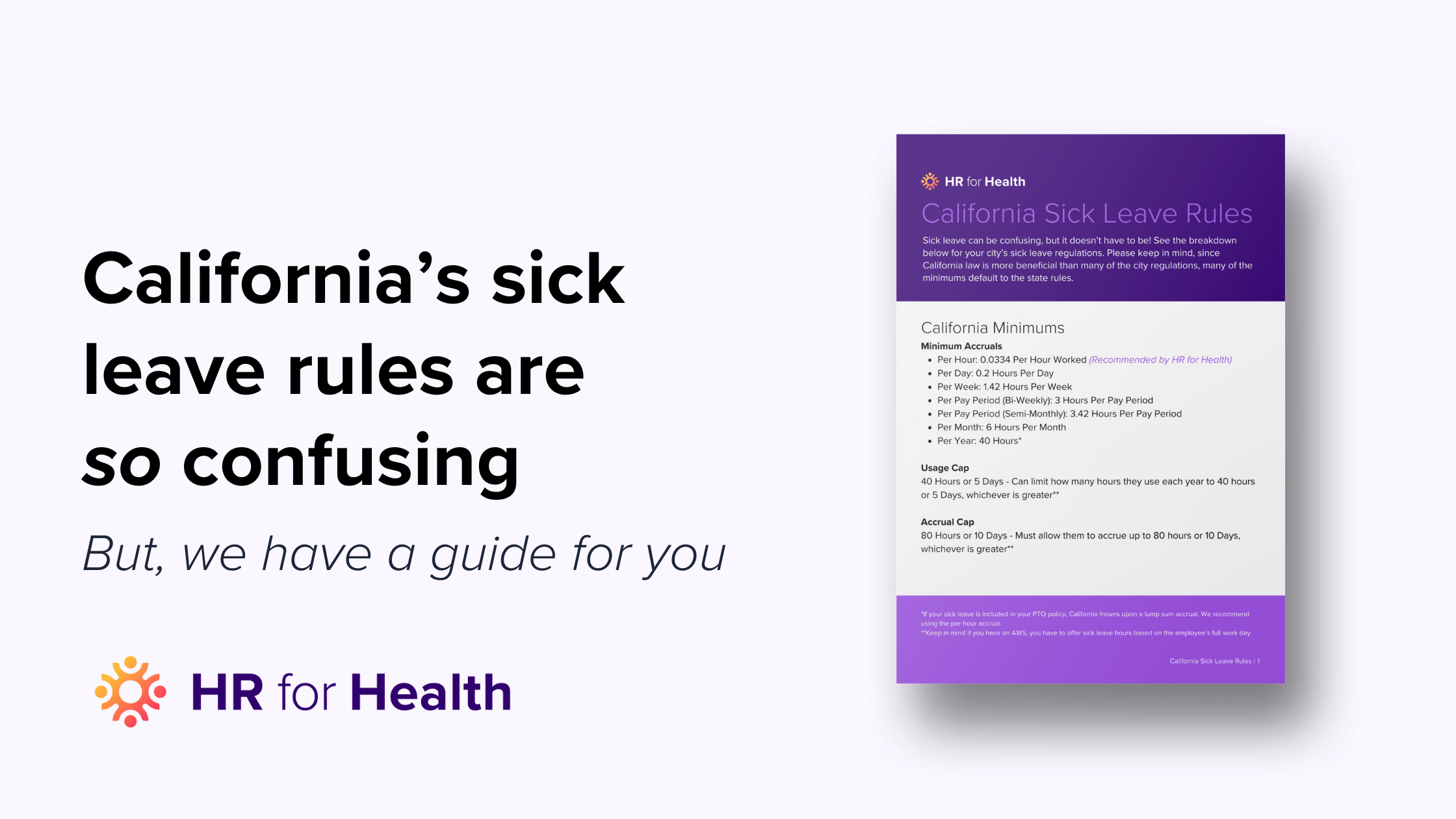
Under the law, employees generally accrue paid sick leave at a rate of at least one hour for every 30 hours worked. This can be applied to both hourly and salaried non-exempt employees. For exempt employees, the accrual is generally assumed based on a full-time schedule. The accrual starts from the first day of employment, and employees can begin using their accrued sick leave after 90 days of employment.
Usage of Sick Time
The accrued paid sick leave can be used for various reasons, including:
- Diagnosis, care, or treatment of an existing health condition: This covers situations where an employee needs to see a doctor or receive medical treatment for themselves.
- Preventative care: This includes routine check-ups, vaccinations, and other measures to prevent illness.
- Care for a family member: Employees can use sick leave to care for a child, parent, spouse, registered domestic partner, grandparent, grandchild, or sibling who has a health condition or needs preventative care.
The law also specifies the minimum increments in which sick leave can be used. Generally, employers must allow employees to use sick leave in increments of no more than two hours. However, employers can set a higher minimum increment, as long as it doesn’t effectively prohibit the use of sick time.
The Crucial Question: Does Sick Time Rollover in California?
This is where the nuances of the law become particularly important for employees and employers alike. The answer to “Does Sick Time Rollover In California?” is generally yes, with certain limitations.
Rollover Provisions
The Healthy Workplaces, Healthy Families Act of 2014 permits employers to limit the amount of accrued sick leave that can be carried over from one year to the next. However, employers cannot cap the amount of sick leave an employee can accrue at less than 24 hours or three days. This means that while an employee might not be able to carry over an unlimited amount of unused sick time, they are still guaranteed the ability to accrue and retain a significant portion of their earned leave.
For example: If an employee accrues 40 hours of sick leave in a year and uses only 10 hours, they have 30 hours remaining. If their employer has a rollover cap of 24 hours, 24 of those 30 hours will carry over to the next year. The remaining 6 hours would be forfeited unless the employer’s policy is more generous.
Employer Options and Limitations
Employers have a few options regarding how they manage sick time rollover:
- Unlimited Rollover: Employers can allow employees to roll over all unused sick leave from one year to the next. This is the most generous option for employees.
- Limited Rollover: Employers can cap the amount of accrued sick leave that can be carried over, provided this cap is at least 24 hours or three days. As mentioned, any unused leave beyond this cap at the end of the year may be forfeited.
- No Rollover (with an Alternative): Employers can choose not to allow rollover of unused sick leave if they provide employees with the full amount of required sick leave at the beginning of each accrual year (or calendar year). This means an employee would receive their full entitlement of sick leave at the start of the year, and any unused portion would not carry over. However, this option is only permissible if the employer front-loads the leave, ensuring the employee has immediate access to the required amount.
It is critical for employees to understand their employer’s specific sick leave policy. This information should be readily available in the employee handbook, on the company’s intranet, or through the HR department.
What Happens to Unused Sick Time Upon Termination?
A common follow-up question is what happens to unused sick time when an employee leaves a company. In California, accrued but unused paid sick leave is generally considered wages. This means that upon termination, employers are typically required to pay out any accrued but unused sick leave to the employee, similar to how they would pay out unused vacation time. This payout is usually based on the employee’s regular rate of pay. However, this payout obligation does not apply if the employer has a policy that allows for unlimited rollover of sick leave, as in that scenario, the employee would have already had the opportunity to utilize that leave.
Implications for Different Groups
The rules around sick time rollover in California have significant implications for various individuals and entities.
For Employees
- Job Security and Well-being: Knowing that your accrued sick time can rollover provides a sense of security. It means that if you have a healthy year and don’t need to take much time off, you won’t lose the benefits you’ve earned. This encourages responsible use of sick leave, as employees are more likely to take time off when truly needed, rather than hoarding it for fear of losing it.
- Financial Planning: For those who are paid hourly, accrued sick time represents a potential source of income during illness. Understanding the rollover and payout rules helps in financial planning.
- Understanding Your Rights: It’s essential for employees to be aware of their rights under the California Paid Sick Leave law. This knowledge empowers them to ensure their employer is compliant and to advocate for themselves if necessary.
For Employers
- Compliance and Legal Risk: Employers must ensure their policies comply with the California Paid Sick Leave law. Failure to do so can result in significant penalties, including back pay, fines, and legal fees. Regularly reviewing and updating sick leave policies is crucial.
- Employee Morale and Retention: Offering generous sick leave policies, including robust rollover provisions, can contribute to higher employee morale and retention. It demonstrates an employer’s commitment to the well-being of their staff, fostering a more positive work environment.
- Operational Planning: While sick leave is a benefit, employers also need to manage its impact on operations. Understanding how sick time accrues and rolls over helps in workforce planning and ensuring adequate coverage during employee absences.
For Travelers and Long-Term Visitors
While the primary focus of the California Paid Sick Leave law applies to employees working within the state, it’s a relevant piece of information for those considering extended stays or working remotely from California. If you are employed by a company based outside of California but will be working within the state for an extended period (e.g., as a digital nomad, or on a project assignment), California labor laws may still apply to your employment. It’s advisable to consult with your employer or a legal professional specializing in employment law to understand how these regulations might affect your situation, especially if your employer does not have a presence in California.
For instance, if you are planning a prolonged stay in a beautiful California destination like Lake Tahoe or considering a long-term apartment rental in vibrant cities like San Francisco or Los Angeles, understanding the labor laws of your temporary home state can be beneficial, even if your primary employment is elsewhere. It ensures you are aware of potential protections and benefits.
Maximizing Your Sick Time Benefits
To make the most of your paid sick leave in California, consider the following:
- Know Your Policy: As emphasized earlier, familiarize yourself with your employer’s specific sick leave policy. What is the accrual rate? What is the rollover cap? When can you start using the leave? Is there a payout upon termination?
- Track Your Accrual: Keep a record of your hours worked and the sick time you accrue. Many employers provide this information on pay stubs or through online portals.
- Use Sick Time When Needed: Don’t hesitate to use your sick time when you are genuinely ill or need to care for a family member. This is what the benefit is for. Early treatment and rest can prevent more serious health issues.
- Plan for Longer-Term Absences: If you anticipate needing significant time off for a medical procedure or recovery, understand how your accrued sick time, including any rollover, can be utilized. Discuss your needs and options with your employer.
- Stay Informed: Labor laws can evolve. Periodically check for updates on California’s Paid Sick Leave regulations to ensure you are always aware of your rights.

Conclusion
In conclusion, the question “Does Sick Time Rollover In California?” is answered with a qualified “yes.” California’s Paid Sick Leave law mandates that most employees accrue paid sick leave, and this accrued time generally rolls over from one year to the next, subject to employer-imposed caps that must not be less than 24 hours or three days. Upon termination, unused accrued sick leave is typically paid out. This legal framework provides crucial protection for workers, ensuring that they can take time off to maintain their health and that of their families without suffering financial hardship. For both employees and employers in California, understanding these regulations is paramount for compliance, financial planning, and fostering a healthy, productive work environment. Whether you are a long-time resident or a visitor planning an extended stay, being informed about these essential employment rights contributes to a more secure and enjoyable experience in the Golden State.
LifeOutOfTheBox is a participant in the Amazon Services LLC Associates Program, an affiliate advertising program designed to provide a means for sites to earn advertising fees by advertising and linking to Amazon.com. Amazon, the Amazon logo, AmazonSupply, and the AmazonSupply logo are trademarks of Amazon.com, Inc. or its affiliates. As an Amazon Associate we earn affiliate commissions from qualifying purchases.