
The California Condor (Gymnogyps californianus) is a majestic and awe-inspiring creature, a true icon of the American West, and a remarkable success story in wildlife conservation. Often described as a “flying dinosaur,” these magnificent birds are not just a symbol of wild landscapes but also a testament to the power of dedicated efforts to bring a species back from the brink of extinction. When contemplating their size, one immediately conjures images of vast wingspans soaring against dramatic backdrops like the Grand Canyon or the rugged coastlines of Big Sur. But beyond the poetic descriptions, what are the tangible dimensions that define this extraordinary avian giant?
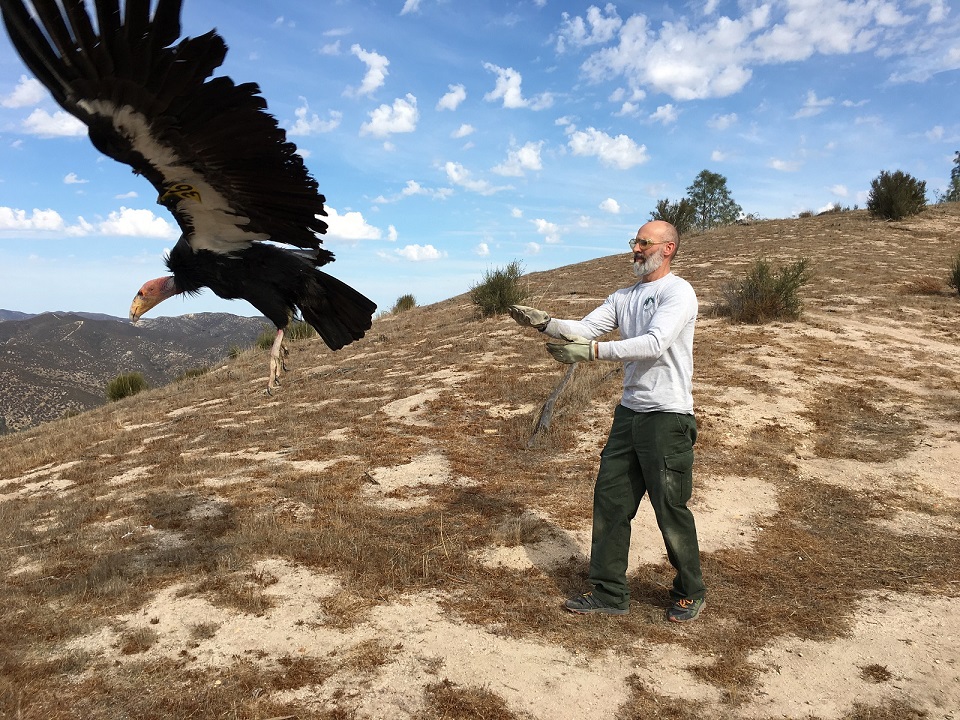
Understanding the sheer scale of a California Condor is crucial to appreciating its presence in its natural habitat and the challenges faced in its recovery. This article delves into the physical characteristics of these incredible birds, exploring their measurements, weight, and the unique features that contribute to their impressive stature. We will also touch upon the environments they inhabit, further contextualizing their size within the grand tapestry of California’s natural beauty, and how these magnificent creatures are intertwined with the very essence of tourism and travel in the regions they call home.
The Impressive Dimensions of a Giant
The California Condor is, without question, North America’s largest land bird. Its size is not merely a matter of inches or pounds; it’s a visual spectacle that commands attention and evokes a profound sense of wonder. From the tip of one wing to the other, these birds possess a wingspan that rivals that of many small airplanes, allowing them to ride thermal updrafts with unparalleled grace and efficiency. This impressive breadth is a key adaptation for their lifestyle, enabling them to cover vast distances in search of food and survey their expansive territories.
Wingspan: A Symbol of Freedom and Power
The most striking physical attribute of the California Condor is its extraordinary wingspan. Averaging between 8.5 to 9.8 feet (2.6 to 3 meters), this measurement places it firmly in a category of its own among North American birds. To put this into perspective, the average human male stands around 5.7 feet tall. Imagine a bird with a wingspan nearly twice the height of an average person; it’s a truly staggering thought that underscores their aerial prowess. This expansive wing structure is perfectly engineered for soaring, allowing them to conserve energy while gliding for hours at a time. They are masters of the air, utilizing wind currents and thermals to their advantage, covering up to 150 miles in a single day without flapping their wings extensively. This capability is essential for their survival, as they are opportunistic scavengers, and their food sources can be widely dispersed.
Length and Height: A Commanding Presence
While the wingspan often captures the imagination, the body length and standing height of a California Condor are also significant. These birds typically measure between 43 to 57 inches (109 to 145 centimeters) from the tip of their beak to the end of their tail. When standing, they can reach heights of up to 4 feet (1.2 meters). This impressive stature, combined with their broad wings, creates a formidable silhouette against the sky. Their long necks and powerful legs, equipped with sharp talons (though primarily used for gripping rather than tearing prey), further enhance their imposing appearance. The contrast between their relatively sleek body and their massive wingspan is a visual hallmark that distinguishes them from any other avian species in their range.
Weight and Other Physical Characteristics

Beyond the sheer dimensions of their wings and bodies, the weight of a California Condor is also notable, contributing to their powerful presence and their ability to dominate thermals. Their physical characteristics are a culmination of millions of years of evolution, designed for survival in the rugged and often arid environments they call home.
Weight: A Solid Foundation for Flight
An adult California Condor typically weighs between 15 to 25 pounds (7 to 11 kilograms). While this might seem substantial for a bird, it’s a well-balanced weight for their size, allowing for efficient flight. Males are generally slightly larger and heavier than females, a common trait in many bird species. This weight provides them with the necessary ballast to navigate strong winds and the stamina required for long-distance foraging flights. It’s important to note that while they are large and heavy, they are not cumbersome on the wing. Their skeletal structure is remarkably light for their size, with hollow bones that reduce overall weight without compromising strength. This adaptation is a testament to the intricate engineering that allows them to achieve such impressive feats of flight.
Feathering and Coloration: Distinctive Markings
The plumage of the California Condor is as distinctive as its size. Adults are primarily black, with striking white patches on the undersides of their wings, clearly visible during flight. Their heads and necks are bare of feathers and are typically a vivid reddish-orange or yellow, changing color based on their emotional state – a fascinating display of their physiology. Juveniles, on the other hand, are a duller gray-brown and gradually acquire their adult coloration over several years. This sexual dimorphism in bare skin color is not as pronounced as in some other bird species, but subtle differences can be observed by trained eyes. The contrasting colors of their wing patches serve as important visual cues for recognition among individuals and are a defining feature that helps birdwatchers and researchers identify them in the wild.
Contextualizing Size: Habitat and Conservation Efforts
The impressive size of the California Condor is intrinsically linked to its natural habitat and the conservation strategies employed to ensure its survival. These magnificent birds are found in specific regions of California, Arizona, Utah, and Baja California, Mexico, areas characterized by rugged mountains, canyons, and coastal cliffs that provide essential nesting sites and soaring opportunities.
Habitat Requirements: Open Spaces and Roosting Sites
California Condors require vast, open spaces for foraging, with limited human disturbance. Their diet consists primarily of carrion, the carcasses of large mammals such as deer, cattle, and sheep. This means they need access to expansive landscapes where these animals live and die. Their enormous wingspan is perfectly suited for surveying these wide-open territories, spotting potential food sources from miles away. Additionally, they need suitable cliff faces and caves for roosting and nesting. These protected sites offer refuge from the elements and predators, as well as safe locations to raise their young. The presence of these specific environmental factors highlights how their size is not just an arbitrary characteristic but a crucial adaptation to their ecological niche. For travelers visiting areas like Pinnacles National Park or the Hoover Dam, catching a glimpse of a condor is a profound experience that connects them to the wild essence of these landscapes.

Conservation and Reintroduction: A Fight for Survival
The California Condor faced near extinction in the late 20th century, with the wild population dwindling to a mere 22 individuals in 1982. Intensive captive breeding and reintroduction programs, initiated by organizations like the San Diego Zoo and the Los Angeles Zoo, have been instrumental in bringing this species back from the precipice. These programs involve careful management of breeding pairs, raising chicks, and gradually releasing them into protected wild areas. The success of these efforts is a remarkable achievement in wildlife conservation and offers hope for other endangered species. As these birds are released back into their natural environments, their impressive size serves as a constant reminder of what is at stake and the importance of preserving these wild spaces for future generations to enjoy. Visitors on eco-tours often have the opportunity to learn about these conservation efforts firsthand, adding a deeper layer to their travel experiences. The presence of these giants in the skies is a powerful symbol of resilience and a beacon of hope for the natural world.
LifeOutOfTheBox is a participant in the Amazon Services LLC Associates Program, an affiliate advertising program designed to provide a means for sites to earn advertising fees by advertising and linking to Amazon.com. Amazon, the Amazon logo, AmazonSupply, and the AmazonSupply logo are trademarks of Amazon.com, Inc. or its affiliates. As an Amazon Associate we earn affiliate commissions from qualifying purchases.